
purple-flowered Christmas rose
Also known as: Information to be completed
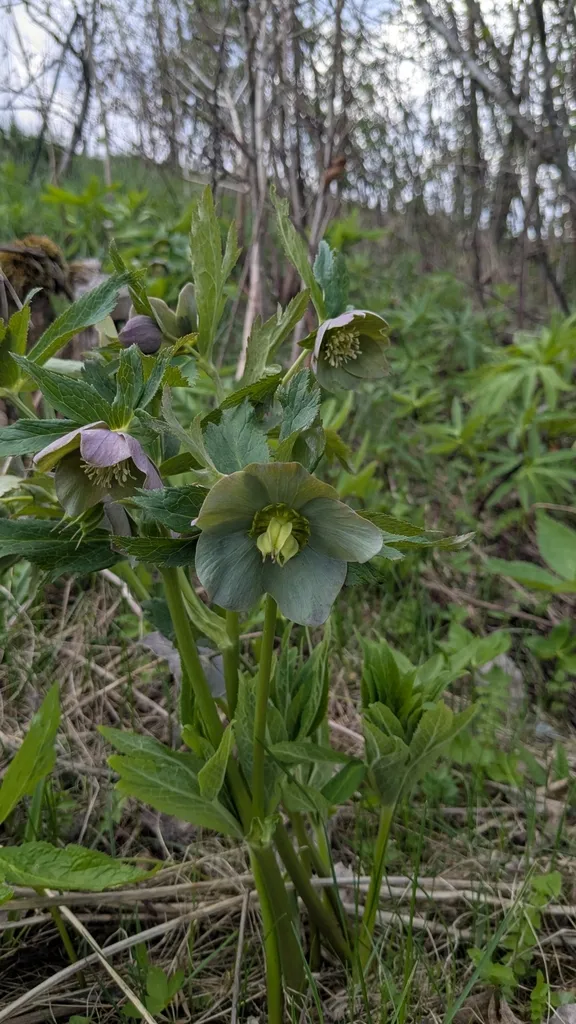
A compact, clump forming, deciduous perennial up to 25-30cm high. The distinctive green leaves are hairy when young, each of the leaflets separates from the top of the leaf stalk almost at one point. The first rich purple or pinkish purple flowers start opening at ground level in December and it will continue to flower until March.
Scientific classification
- Species
- purple-flowered Christmas rose (Helleborus purpurascens)
- Genus
- Helleborus
- Family
- Ranunculaceae
- Order
- Ranunculales
- Class
- Magnoliopsida
- Phylum
- Magnoliophyta
- Harmful if eaten, skin irritant. Wear gloves and other protective equipment when handling]
- Toxicity
- Herbaceous Perennial
- Plant type
- 0.1-0.5 metres
- Height
- 0.1-0.5 metres
- Spread
- Deciduous
- Foliage
- Clump forming
- Habit
- Spring · Summer · Autumn · Winter
- Season of interest
- Full sun · Partial shade
- Sunlight
- Information to be completed
- Ideal temperature









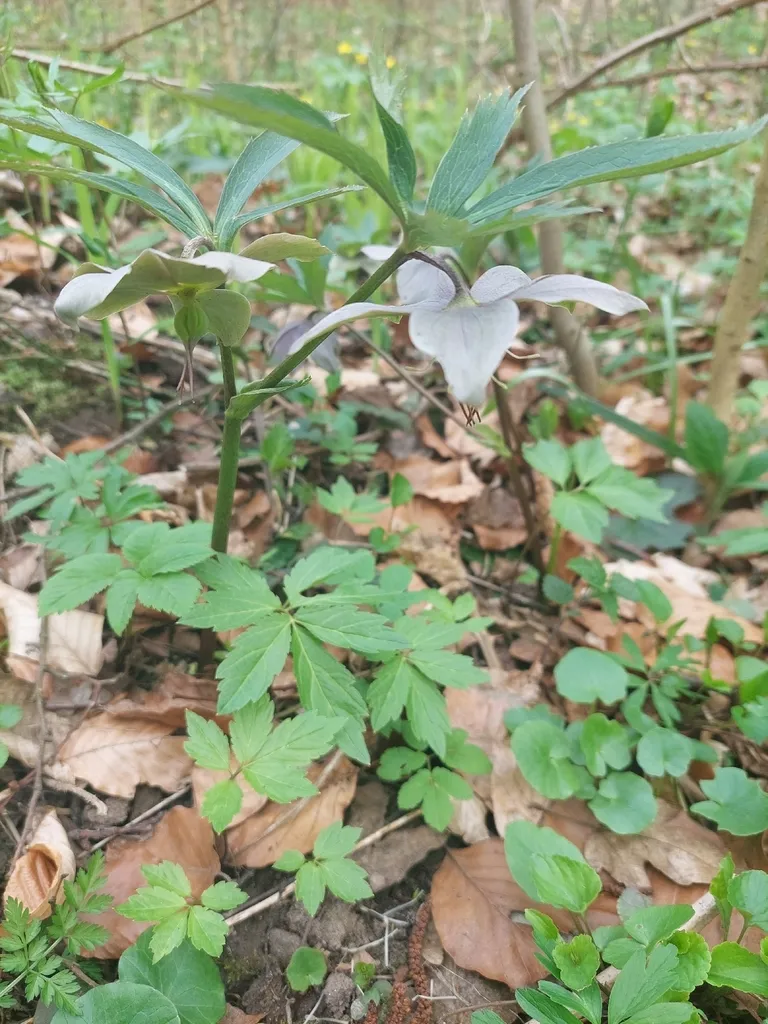
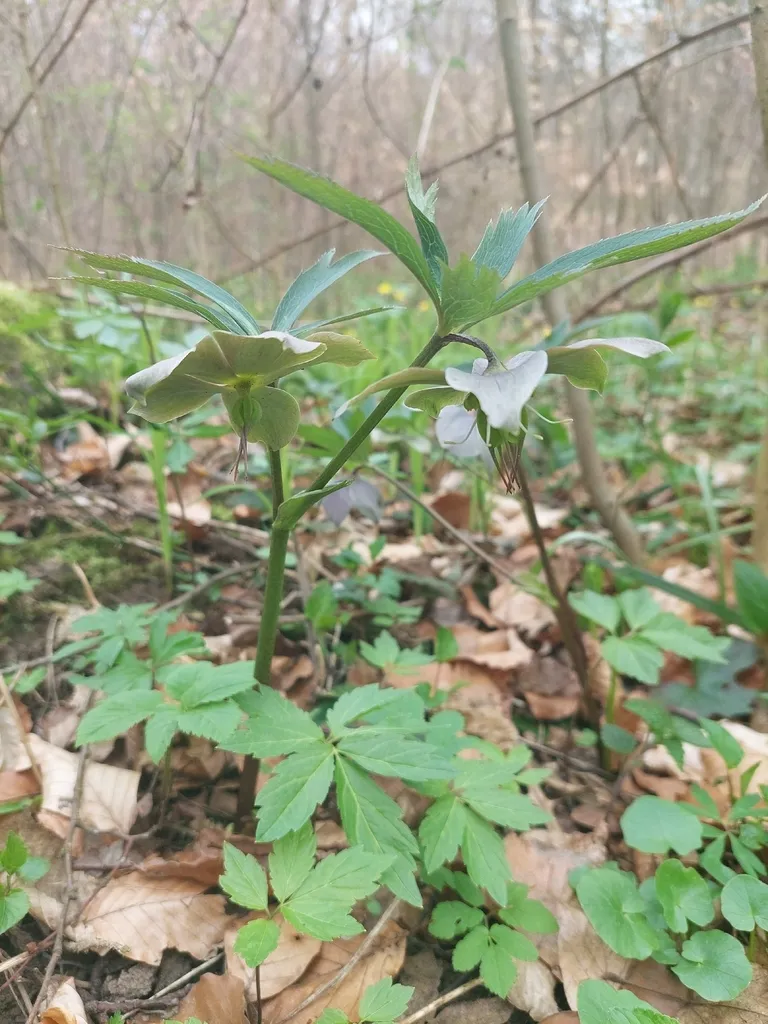
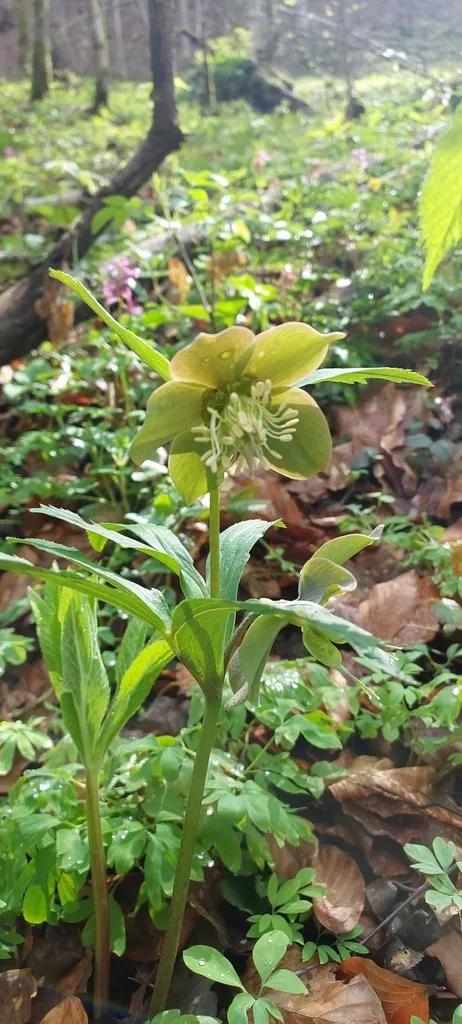
purple-flowered Christmas rose pictures
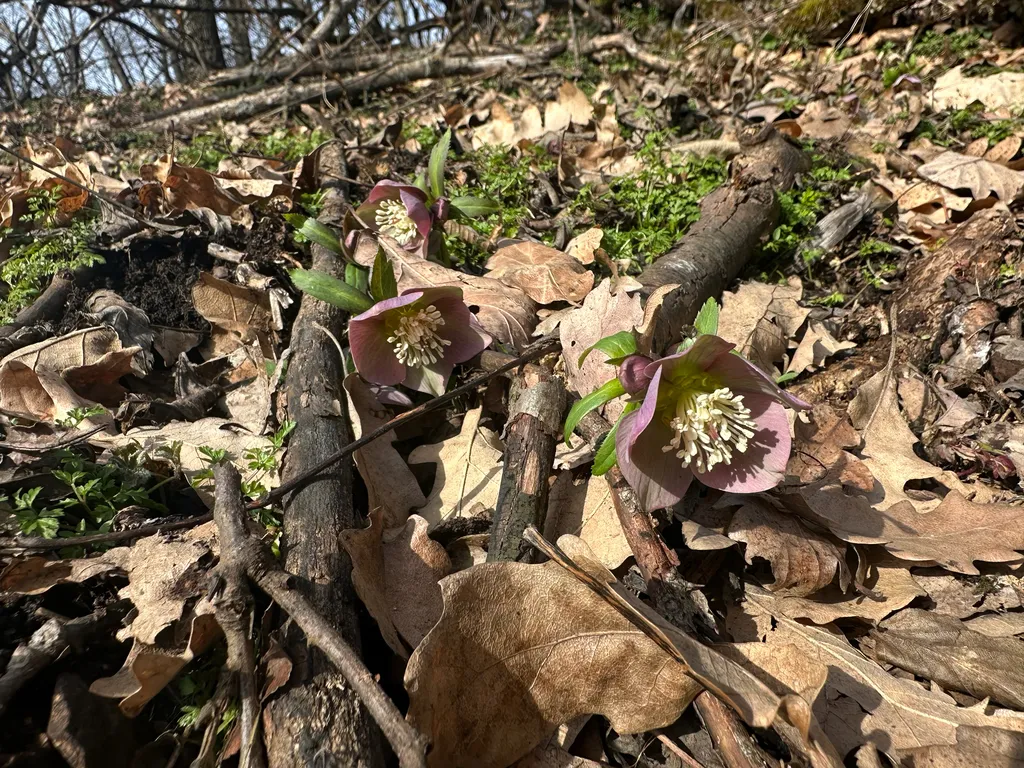
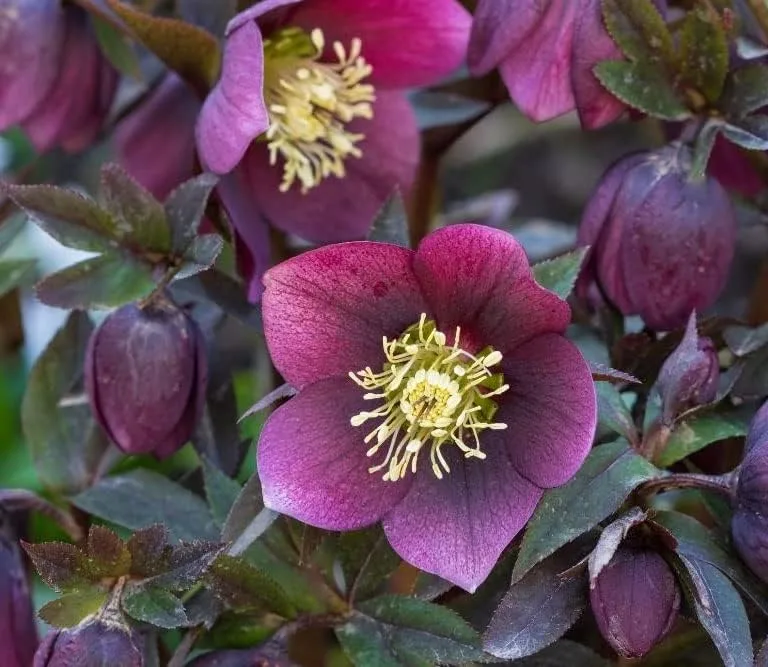
Distribution of purple-flowered Christmas rose
Distribution map
- Native
- Introduced
- Cultivated
Source:WCVP v16 · Royal Botanic Gardens, Kew · CC BY 3.0 · Boundaries:WGSRPD / TDWG
Toxicity
Harmful if eaten, skin irritant. Wear gloves and other protective equipment when handling]
purple-flowered Christmas rose care guide
- Moderate regular watering, allowing brief slight drying between soakings
- Watering
- Full sun · Partial shade
- Sunlight

Watering
Moderate regular watering, allowing brief slight drying between soakings
Fertilizing
 Fertilizing
Balanced perennial feed every four weeks from spring through summer
Pruning
 Pruning
Remove faded leaves in late summer/autumn.
Propagation
 Propagation
Propagate by division in early autumn or in early spring after flowering. Propagate by seed as soon as ripe and keep in a coldframe.
Growing
 Growing
Grown in moisture retentive neural to alkaline soil that is not prone to drying out. Best planted in a sunny position or light shade. Improve lighter soil with organic matter such as garden compost or a manure-based soil conditioner prior to planting. Mulch annually in spring. For more details, see hellebore cultivation.
Common pests and diseases
Diseases
May be susceptible to hellebore black death, hellebore leaf spot, grey moulds (botrytis) and virus diseases.
Pests
May be susceptible to hellebore aphis, slugs and snails.
Explore the plant health library →




