
blue palmetto
Also known as: cabbage palmetto; cabbage palmetto palm; common palmetto; palmetto palm; cabbage palm; cabbage tree; fan palm; Hispaniolan palmetto; thatch palm
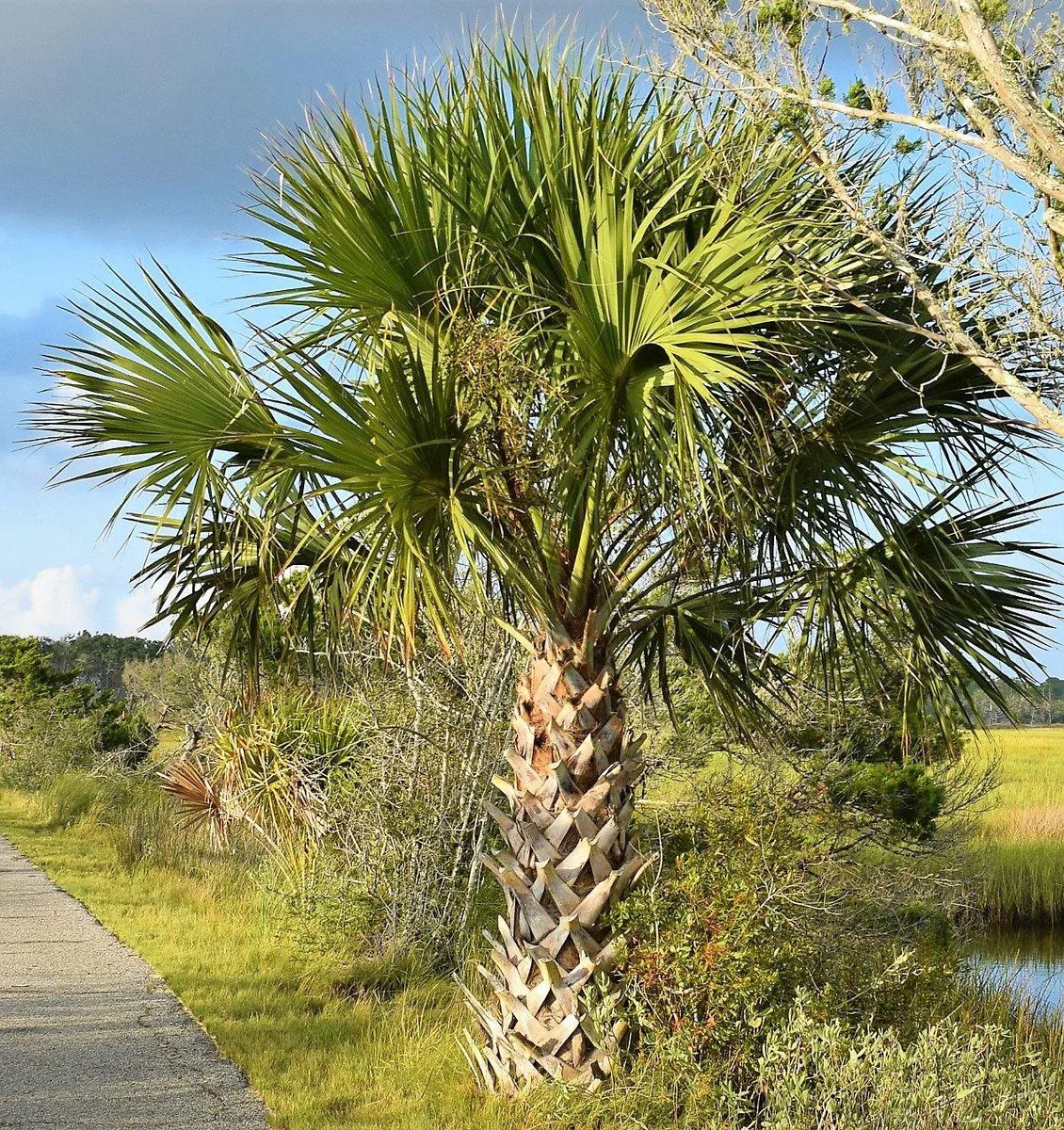
A slow-growing, single-stemmed palm, forming a large, rough-trunked tree to 30m tall in its native warm temperate USA. It bears compact, spherical heads of many fan-shaped leaves to 2m long. Borderline hardy in a very sheltered spot, elsewhere it is best grown in a cool greenhouse or conservatory

Scientific classification
- Species
- blue palmetto (Sabal palmetto)
- Genus
- Sabal
- Family
- Arecaceae
- Information to be completed
- Toxicity
- Palms
- Plant type
- 1-1.5 metres
- Height
- 0.5-1 metres
- Spread
- Evergreen
- Foliage
- Columnar upright
- Habit
- Spring · Summer · Autumn · Winter
- Season of interest
- Full sun
- Sunlight
- Information to be completed
- Ideal temperature









blue palmetto pictures
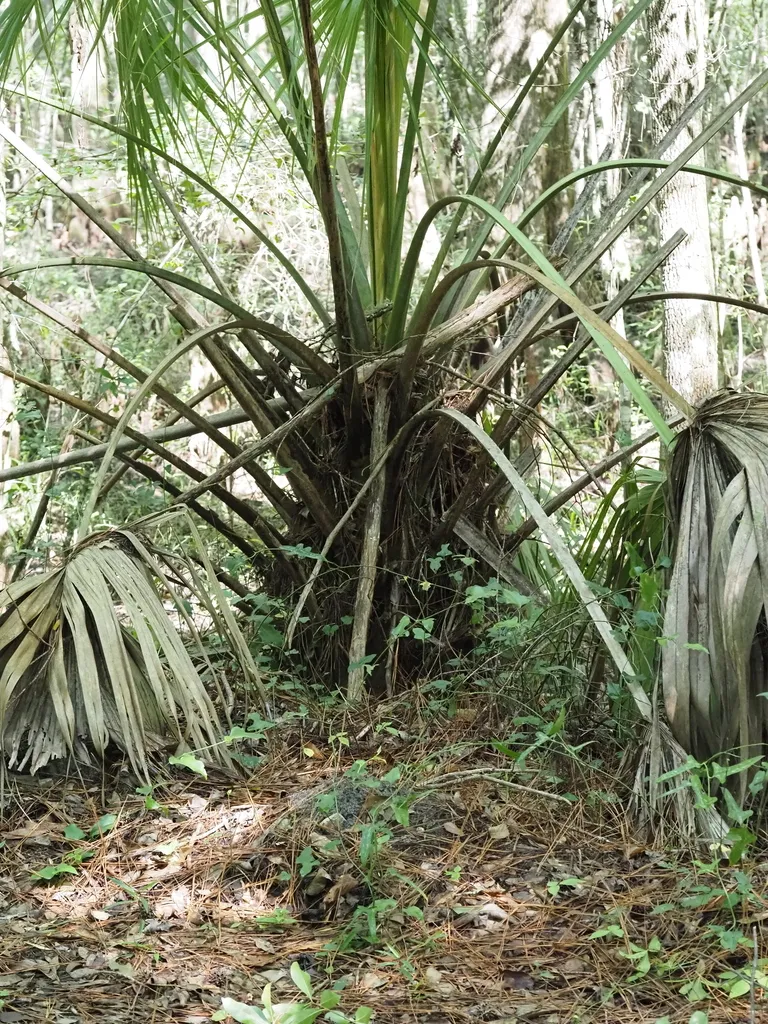
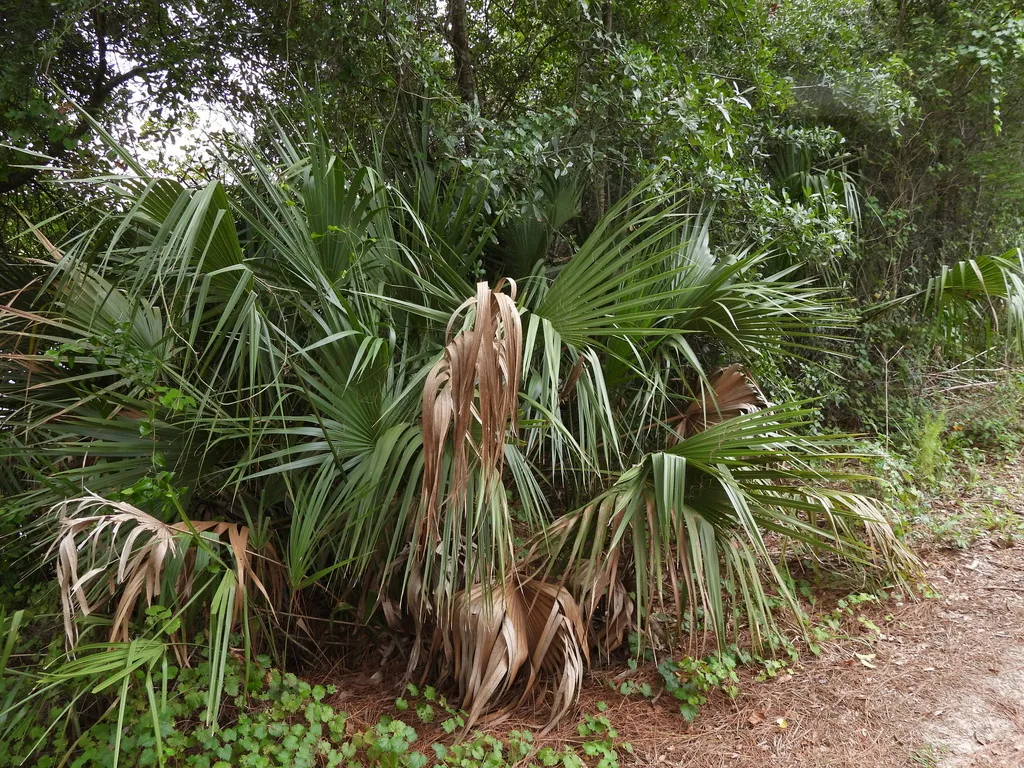
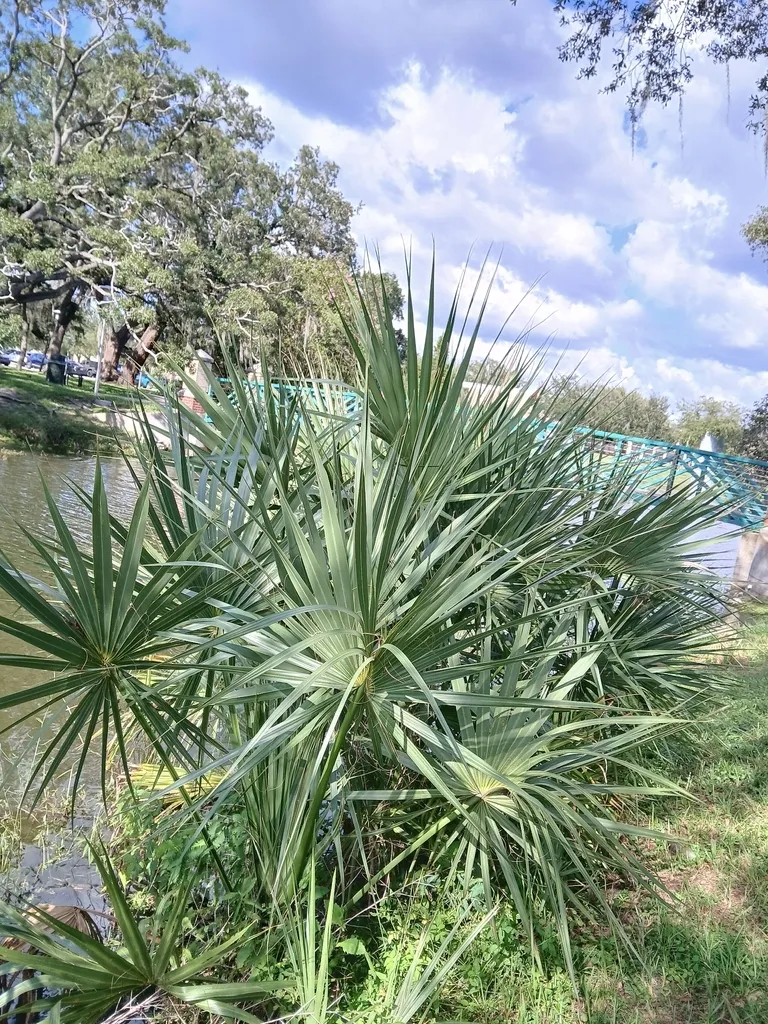
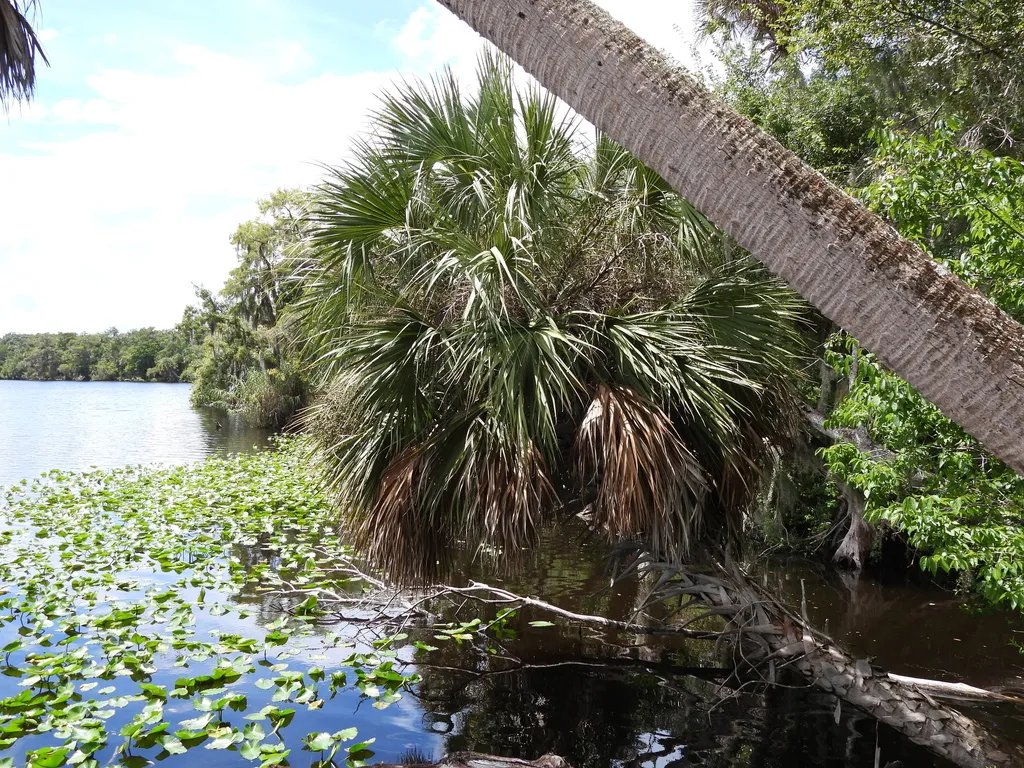
Distribution of blue palmetto
Distribution map
Southeastern USA to Cuba
Information to be completed
Culture
Information to be completed
Toxicity
Information to be completed
Quick identification of blue palmetto
Information to be completed
blue palmetto care guide
- Moderate regular watering, allowing brief slight drying between soakings
- Watering
- Full sun
- Sunlight
- Information to be completed
- Ideal temperature

Watering
Moderate regular watering, allowing brief slight drying between soakings
Fertilizing
 Fertilizing
Balanced perennial feed every four weeks from spring through summer
Pruning
 Pruning
No pruning required
Propagation
 Propagation
Propagate by seed sown at 20°C in spring
Growing
 Growing
Under glass, grow in loam-based potting compost with added limestone chippings, in full light. During the growing season water freely and apply a high-nitrogen fertiliser monthly; water moderately at other times. Outdoors, grow in moderately fertile soil in a sunny, sheltered corner; provide winter protection when young. See palm cultivation indoors and palm cultivation outdoors
People also ask
Information to be completed
Common pests and diseases
Diseases
Generally disease-free
Pests
May be susceptible to glasshouse red spider mite and scale insects
Explore the plant health library →




