
sand leek
Also known as: giant garlic; Spanish garlic
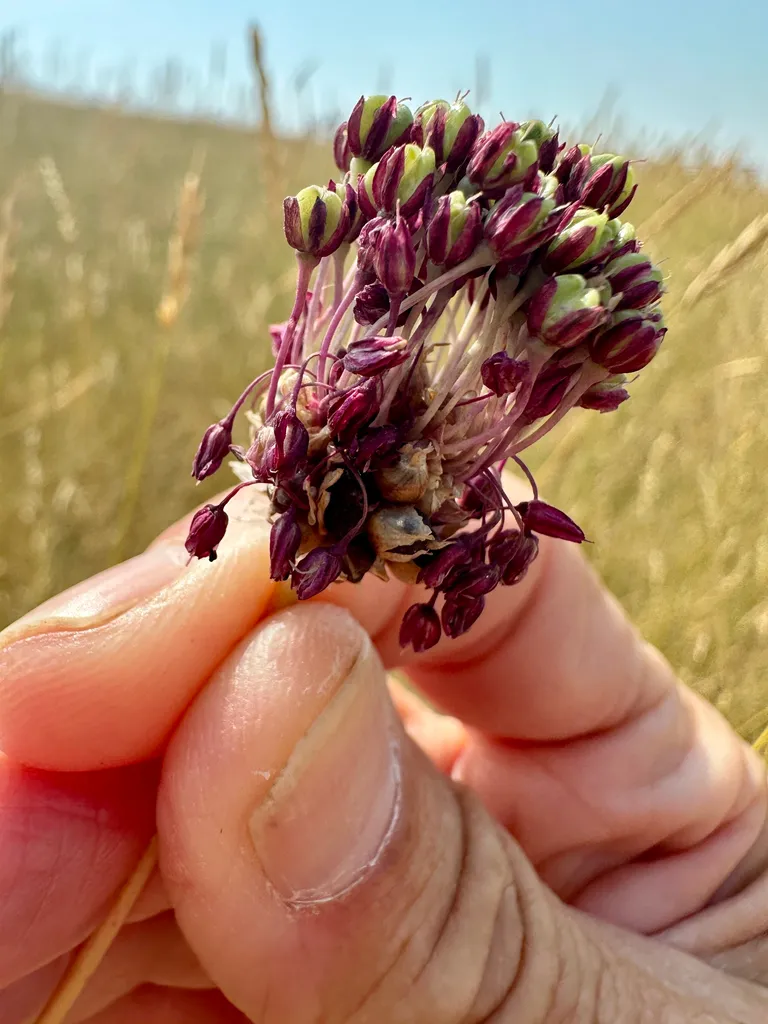
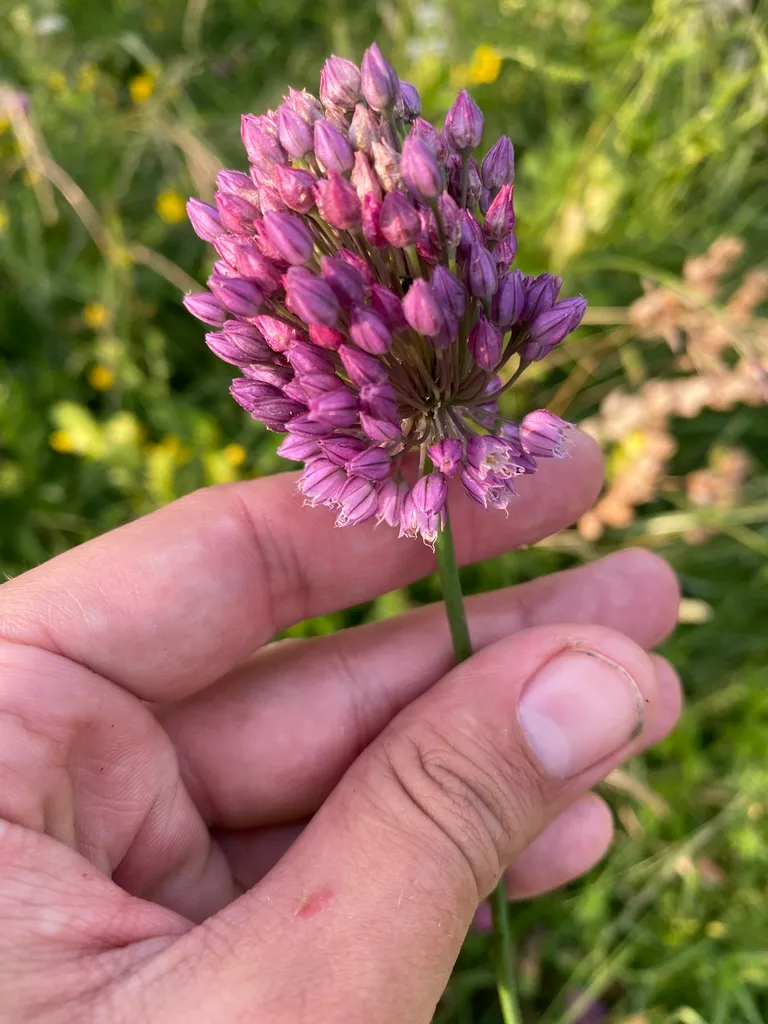
A bulbous perennial about 50cm tall, bearing narrow, grassy mid-green leaves, dying back at flowering time. Flower umbels open in early summer, each purple flower is held on a long wiry stem, and the umbels develop bulbils at their base
Scientific classification
- Species
- sand leek (Allium scorodoprasum)
- Genus
- Allium
- Family
- Amaryllidaceae
- Information to be completed
- Toxicity
- Bulbs
- Plant type
- Information to be completed
- Height
- Information to be completed
- Spread
- Deciduous
- Foliage
- Clump forming
- Habit
- Spring · Summer
- Season of interest
- Full sun
- Sunlight
- Information to be completed
- Ideal temperature









sand leek pictures
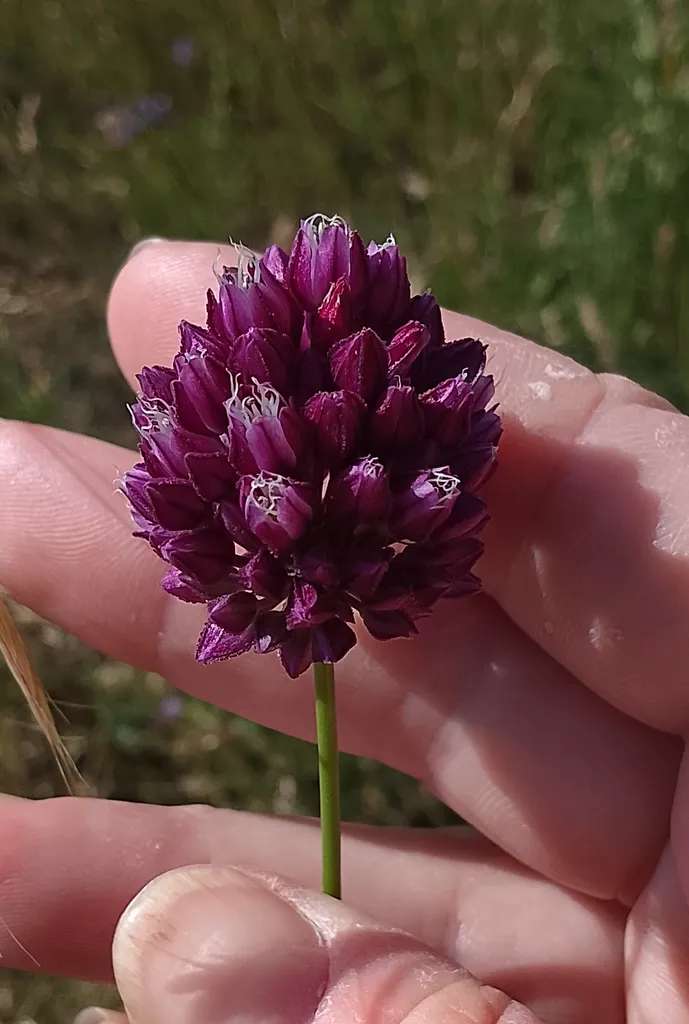
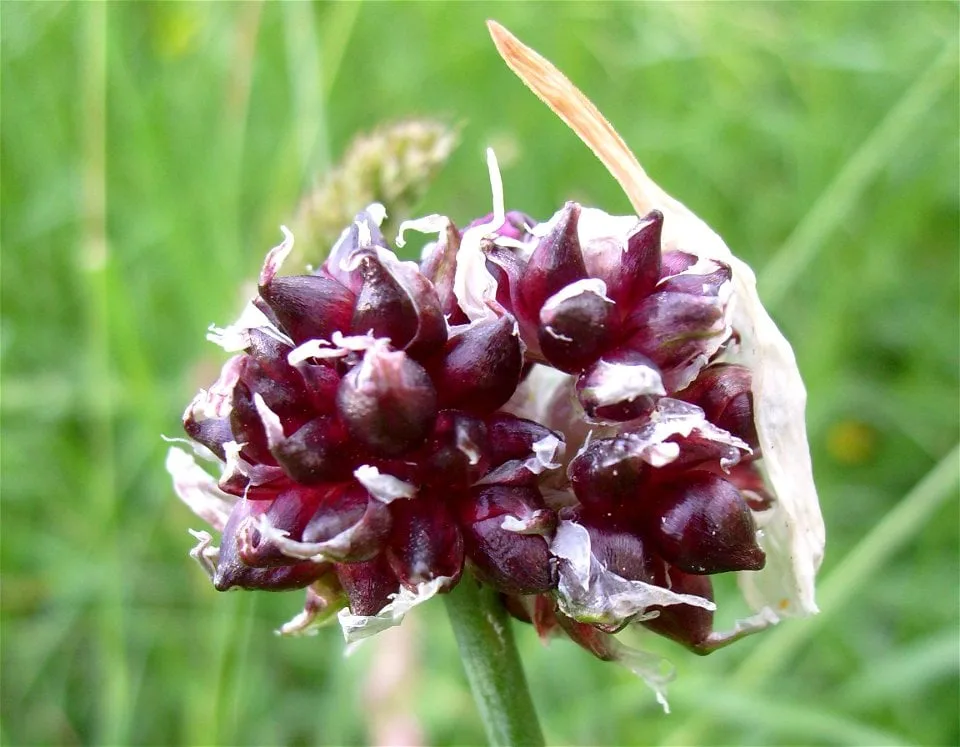
Distribution of sand leek
Distribution map
Eastern Europe, Caucasus, Turkey, Northern Iran
Information to be completed
Culture
Information to be completed
Toxicity
Information to be completed
Quick identification of sand leek
Information to be completed
sand leek care guide
- Water moderately in growth, keep drier after flowering
- Watering
- Full sun
- Sunlight
- Information to be completed
- Ideal temperature

Watering
Water moderately in growth, keep drier after flowering
Fertilizing
 Fertilizing
Light bulb feed in spring before flowering
Pruning
 Pruning
No pruning required, other than to remove old flowered stems and foliage
Propagation
 Propagation
Propagate by seed when just ripe or in spring; or propagate by offsets which can be carefully detached by lifting the bulb after flowering has finished. See bulb propagation
Growing
 Growing
Grow in full sun and fertile well-drained soil. It is best to grow in containers where garden soil is heavy clay and prone to saturation over winter. Easily spread by bulbils and has the potential to become a nuisance without careful cultivation. See allium cultivation
People also ask
Information to be completed
Common pests and diseases
Diseases
May be susceptible to onion white rot, and onion downy mildew
Pests
May be susceptible to allium leaf miner and onion fly
Explore the plant health library →




