
Anemone hortensis 'Multipetala'
Also known as: Information to be completed
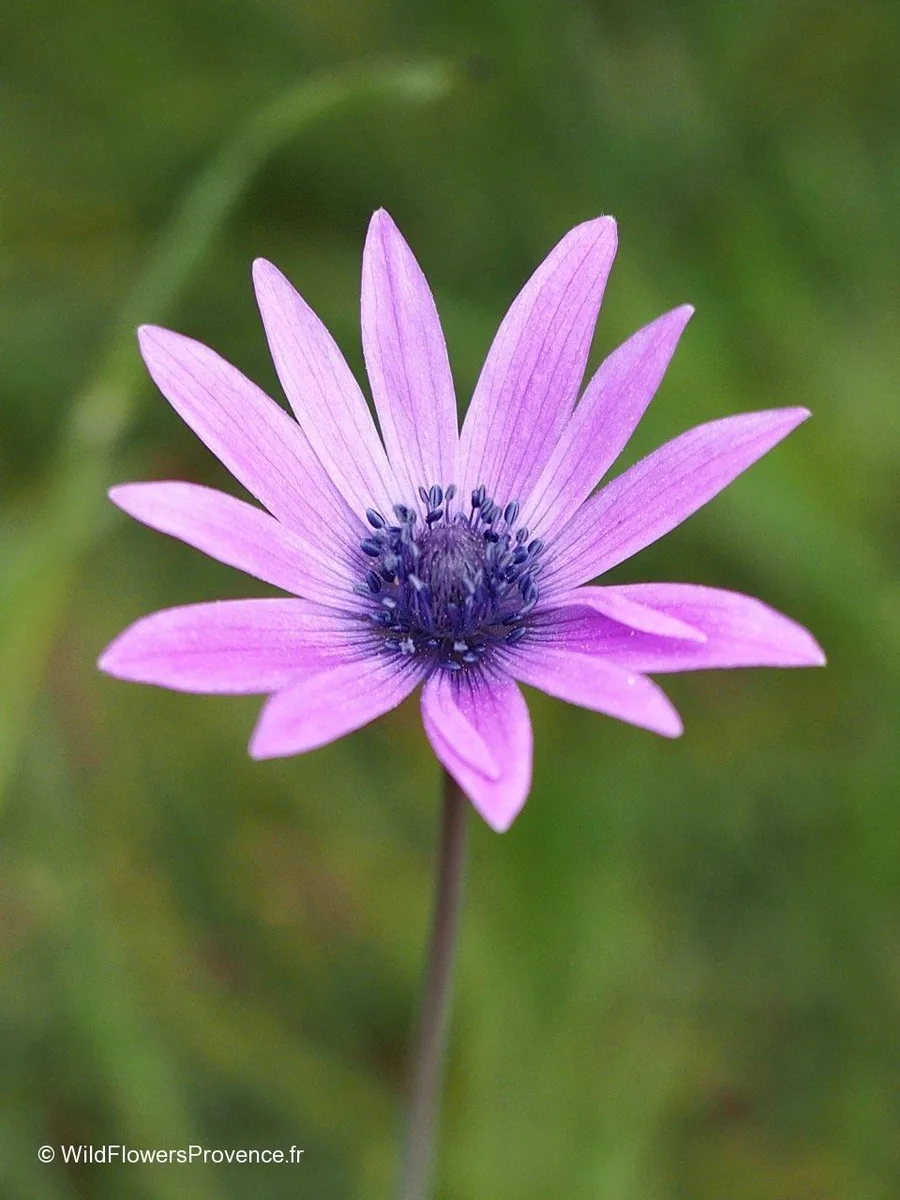
Clump-forming, tuberous perennial, about 30cm tall, with rounded to oval, deeply-lobed, mid-green basal and stem leaves with lobed and toothed leaflets. Solitary, narrow-petalled, double flowers of scarlet-vermillion to 7cm across appear in spring
Scientific classification
- Species
- Anemone hortensis 'Multipetala' (Anemone hortensis 'Multipetala')
- Genus
- Anemone
- Family
- Ranunculaceae
- Information to be completed
- Toxicity
- Herbaceous Perennial
- Plant type
- 0.1-0.5 metres
- Height
- 0.1-0.5 metres
- Spread
- Deciduous
- Foliage
- Clump forming
- Habit
- Spring · Summer
- Season of interest
- Full sun
- Sunlight
- Information to be completed
- Ideal temperature









Anemone hortensis 'Multipetala' pictures
Distribution of Anemone hortensis 'Multipetala'
Distribution map
- Native
- Introduced
- Cultivated
Source:WCVP v16 · Royal Botanic Gardens, Kew · CC BY 3.0 · Boundaries:WGSRPD / TDWG
Culture
Information to be completed
Toxicity
Information to be completed
Quick identification of Anemone hortensis 'Multipetala'
Information to be completed
Anemone hortensis 'Multipetala' care guide
- Light consistent moisture in growth, dry dormant bulbs completely
- Watering
- Full sun
- Sunlight
- Information to be completed
- Ideal temperature

Watering
Light consistent moisture in growth, dry dormant bulbs completely
Fertilizing
 Fertilizing
Low-strength balanced feed every four weeks pre-bloom development
Pruning
 Pruning
No pruning required
Propagation
 Propagation
Propagate by division of tubers in summer when they are dormant
Growing
 Growing
Grow in a light, sandy soil, in full sun, it is best to keep dry while dormant in summer but will tolerate summer rain without protection. May need winter mulch protection in cold areas. See anemone cultivation
People also ask
Information to be completed
Common pests and diseases
Diseases
May be susceptible to Powdery mildews
Pests
May be susceptible to leaf eelworms and damage from caterpillars and slugs
Explore the plant health library →




