
common evening primrose
Also known as: coffee plant; fever plant; field primrose; four o'clock; German rampion; large rampion; night willowherb; scabbish; scurvish; wild four o'clock; cure-all
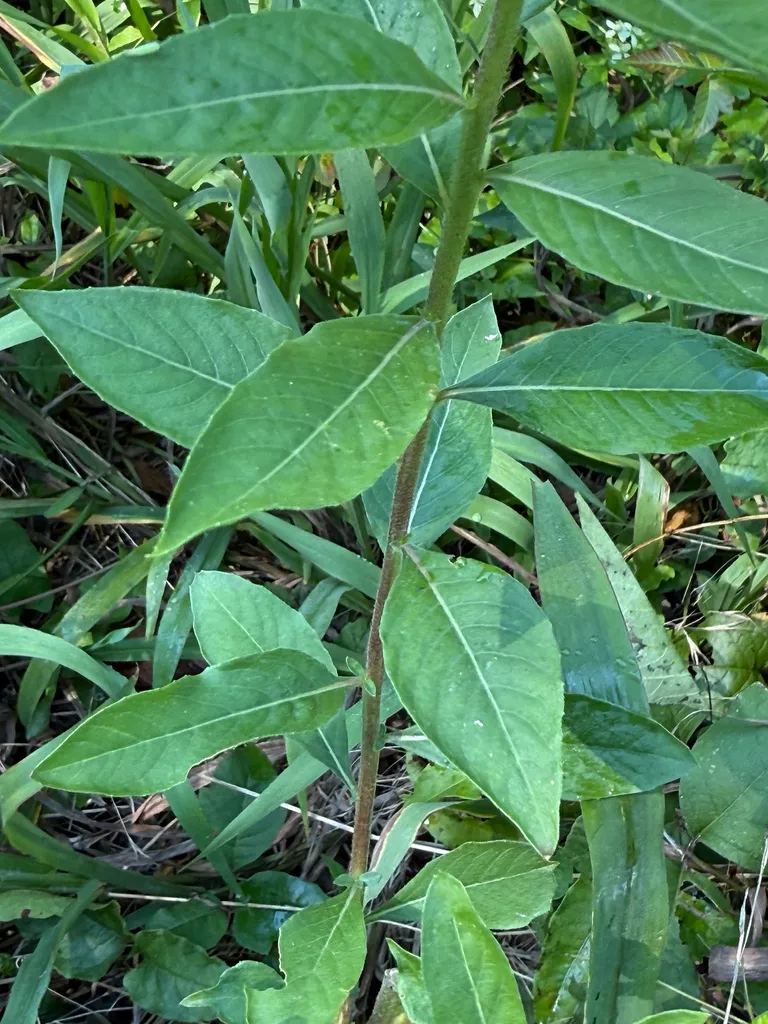
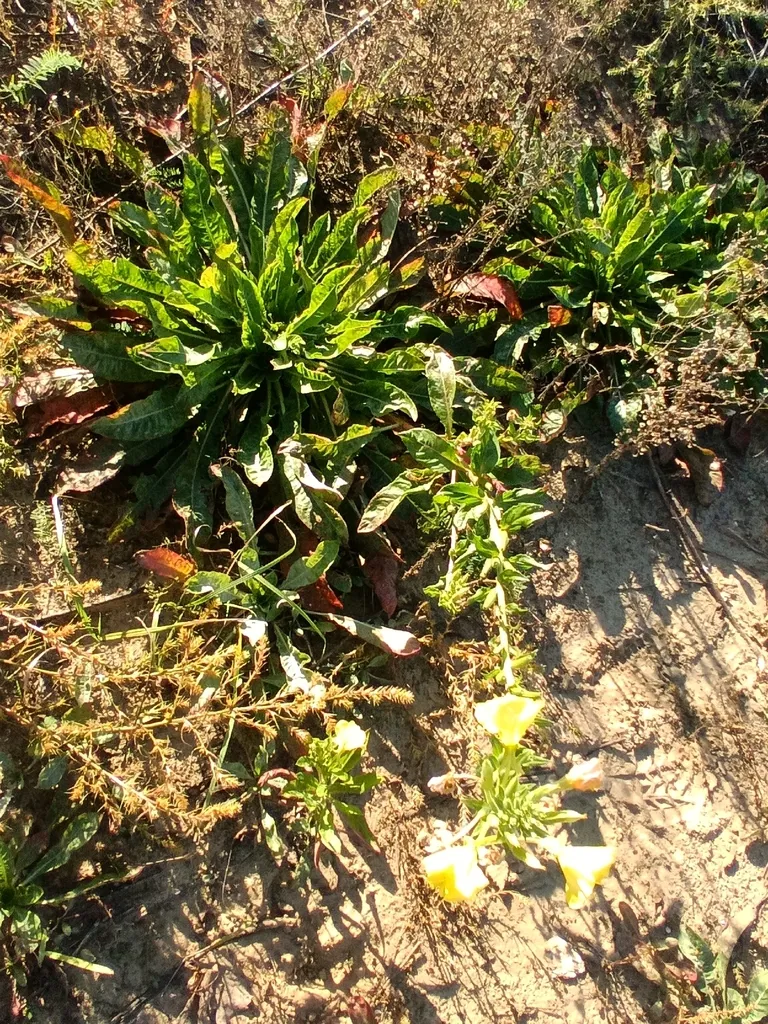
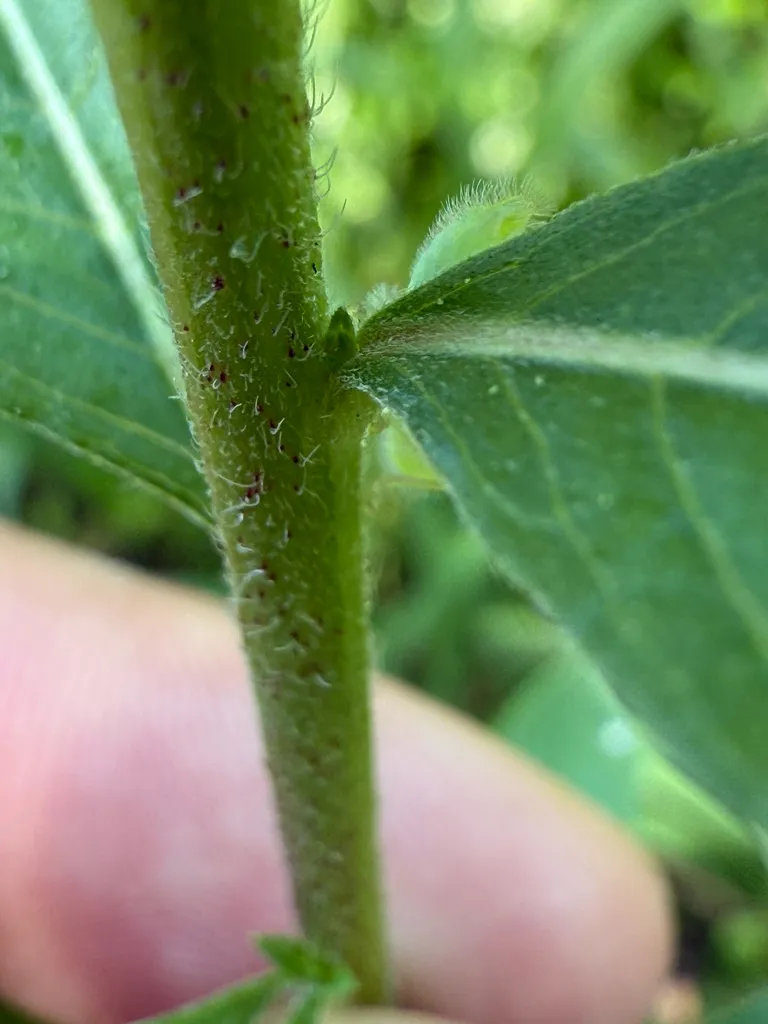
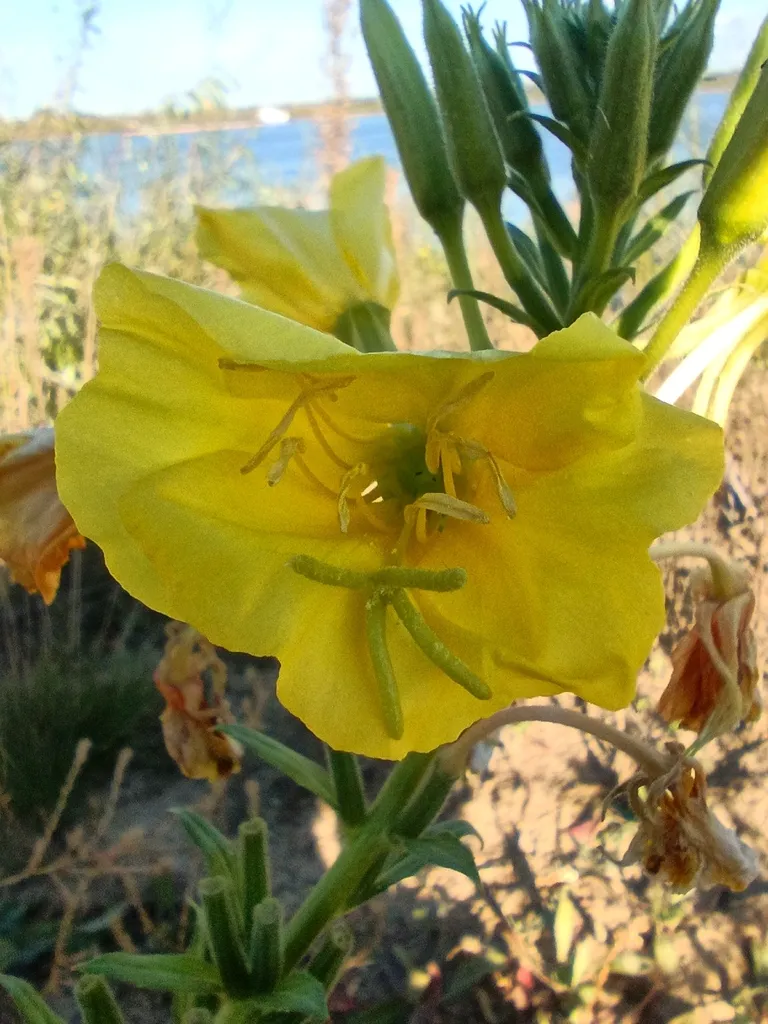
O. biennis is an erect biennial to 1.5m, with a basal rosette of oblong leaves and long, leafy racemes of bowl-shaped, fragrant, yellow flowers which open in the evening in summer and autumn
Scientific classification
- Species
- common evening primrose (Oenothera biennis)
- Genus
- Oenothera
- Family
- Onagraceae
- Order
- Myrtales
- Class
- Magnoliopsida
- Phylum
- Magnoliophyta
- Information to be completed
- Toxicity
- Annual Biennial
- Plant type
- 1-1.5 metres
- Height
- 0.1-0.5 metres
- Spread
- Deciduous
- Foliage
- Columnar upright
- Habit
- Spring · Summer · Autumn
- Season of interest
- Full sun · Partial shade
- Sunlight
- Information to be completed
- Ideal temperature









common evening primrose pictures
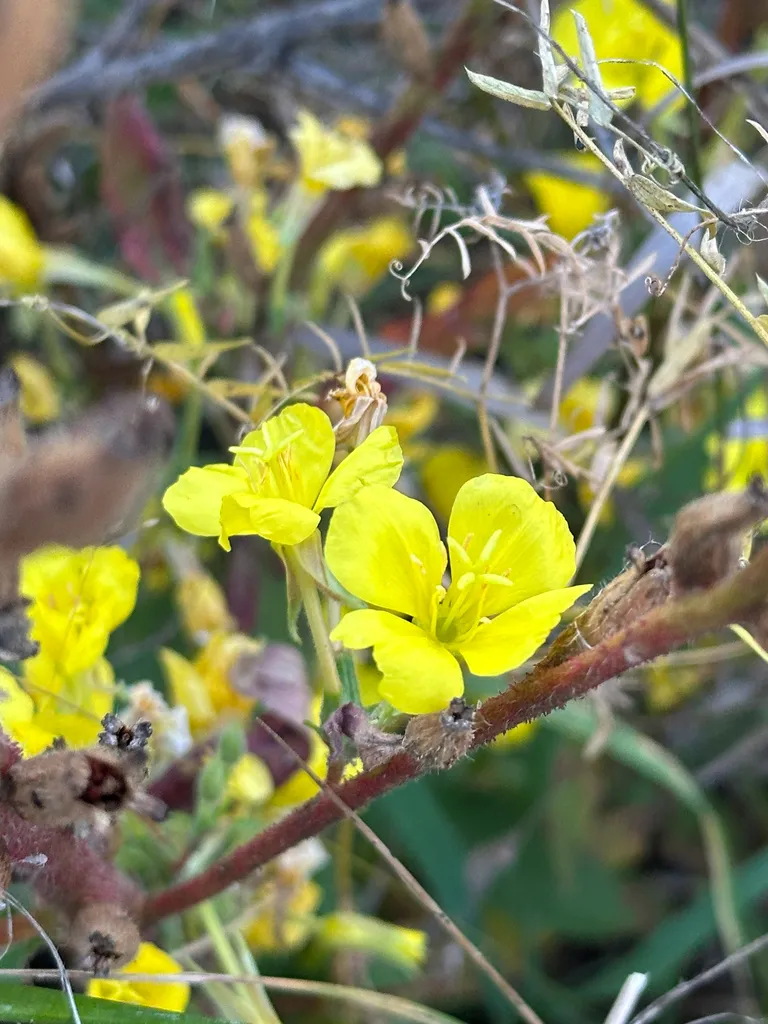
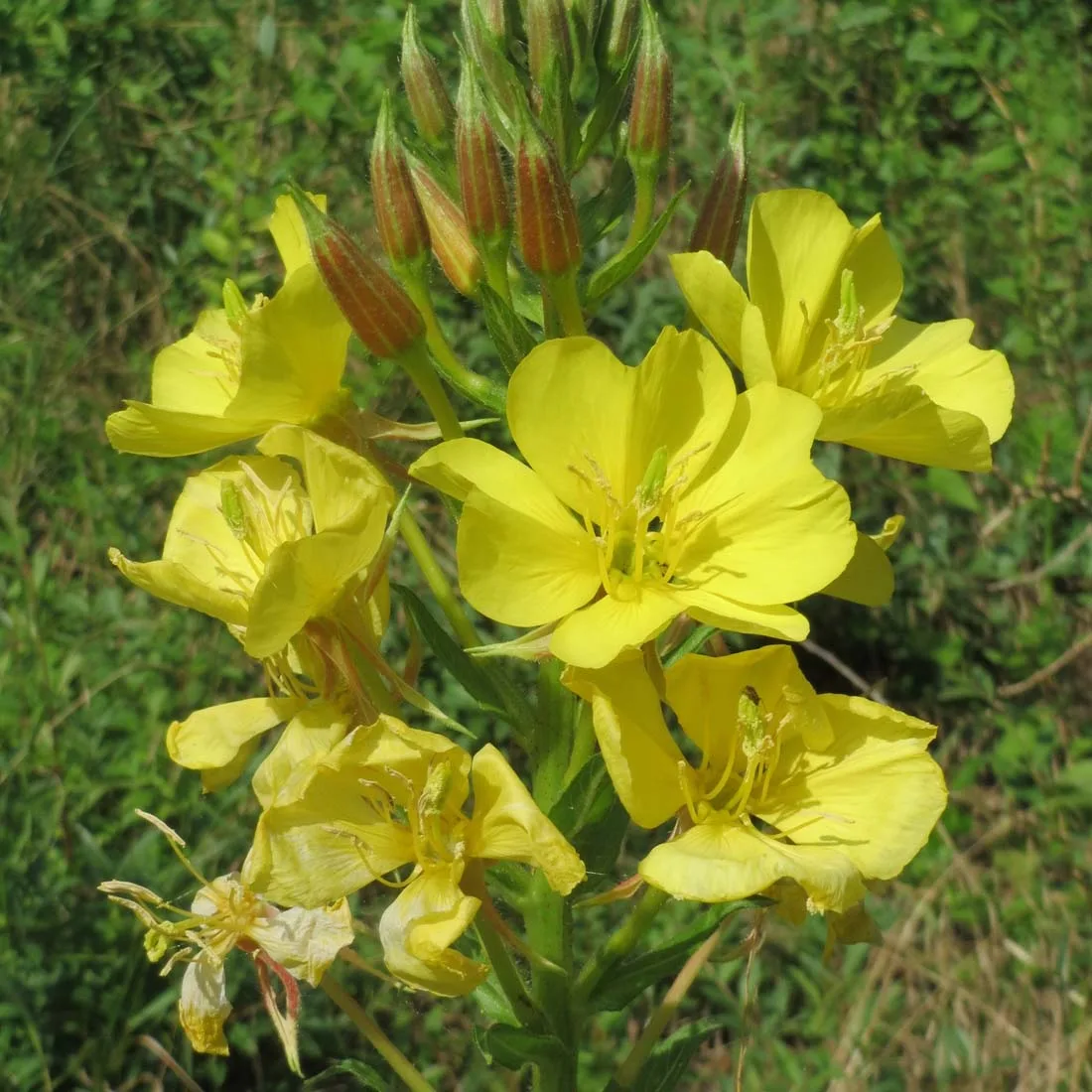
Distribution of common evening primrose
Distribution map
- Native
- Introduced
- Cultivated
Source:WCVP v16 · Royal Botanic Gardens, Kew · CC BY 3.0 · Boundaries:WGSRPD / TDWG
common evening primrose care guide
- Moderate watering, allowing slight drying between waterings once established
- Watering
- Full sun · Partial shade
- Sunlight

Watering
Moderate watering, allowing slight drying between waterings once established
Fertilizing
 Fertilizing
Light flowering feed in spring and early summer only
Pruning
 Pruning
Cut back after flowering
Propagation
 Propagation
Propagate by seed sown in early summer
Growing
 Growing
Grow in poor to moderately fertile, well-drained soil in full sun
Common pests and diseases
Diseases
May be subject to powdery mildews and a leaf spot
Pests
Generally pest-free
Explore the plant health library →




