
hogweed
Also known as: cadweed; clogweed; cow parsnip; eltrot; giant parsnip; madnep; meadow parsnip
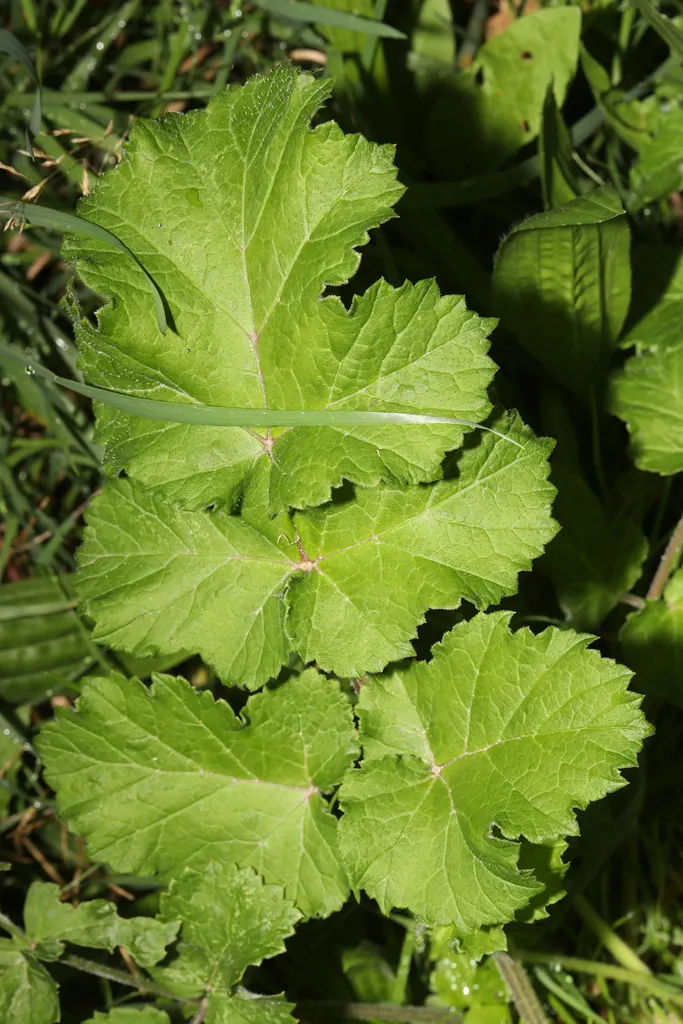
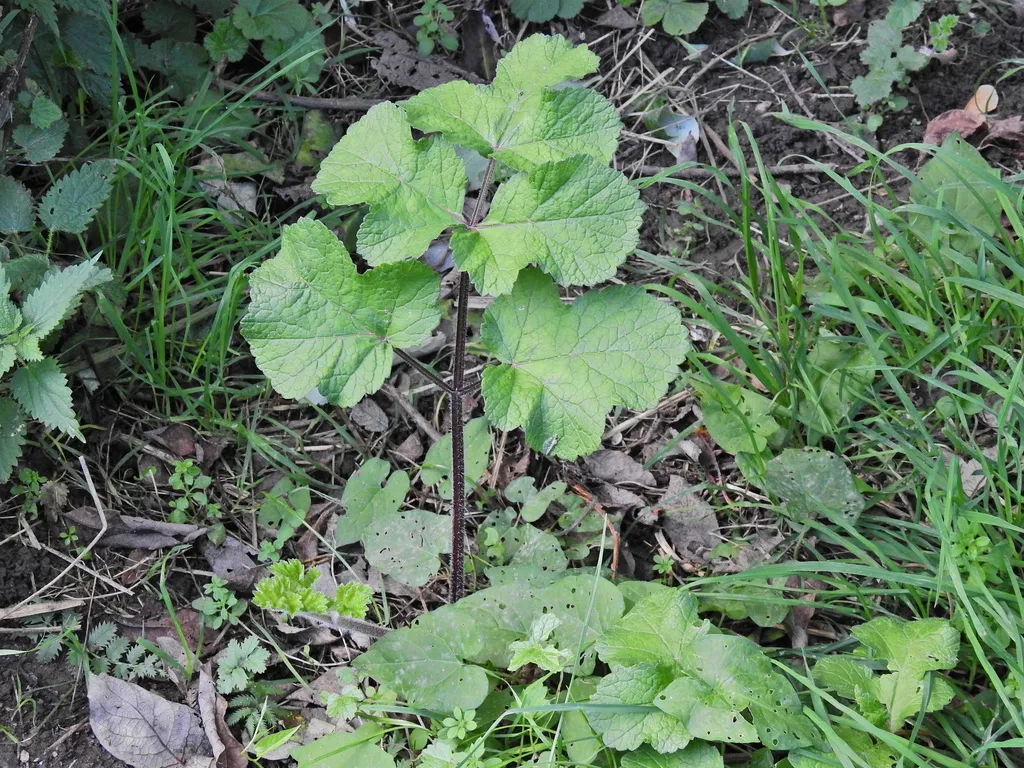
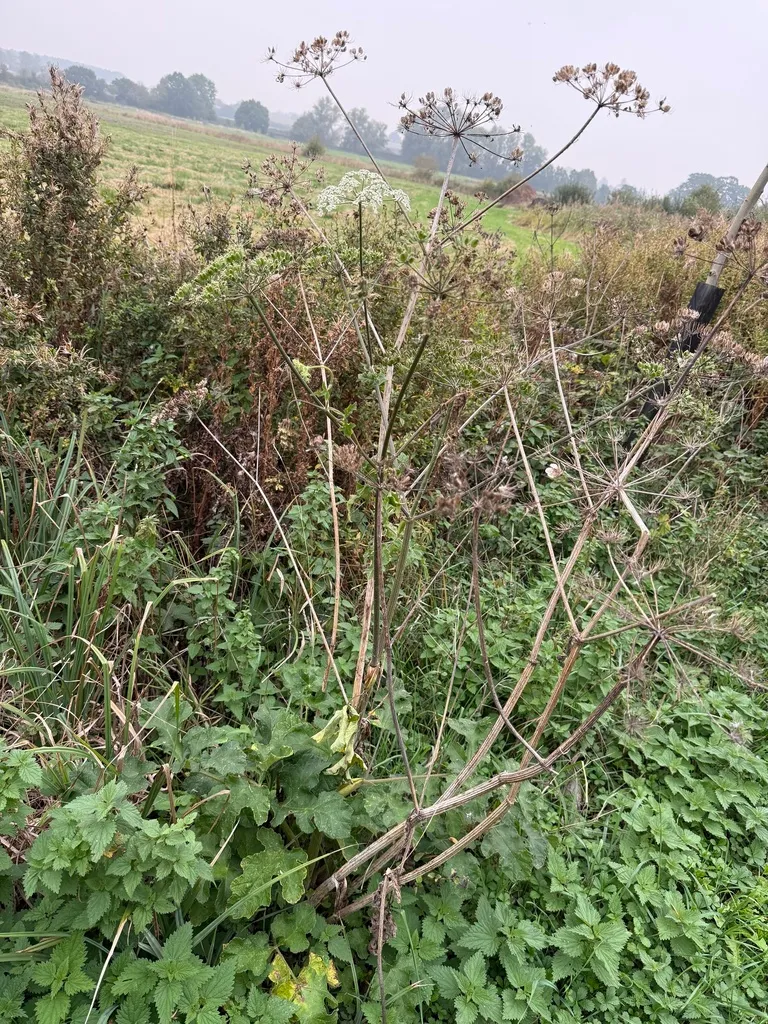
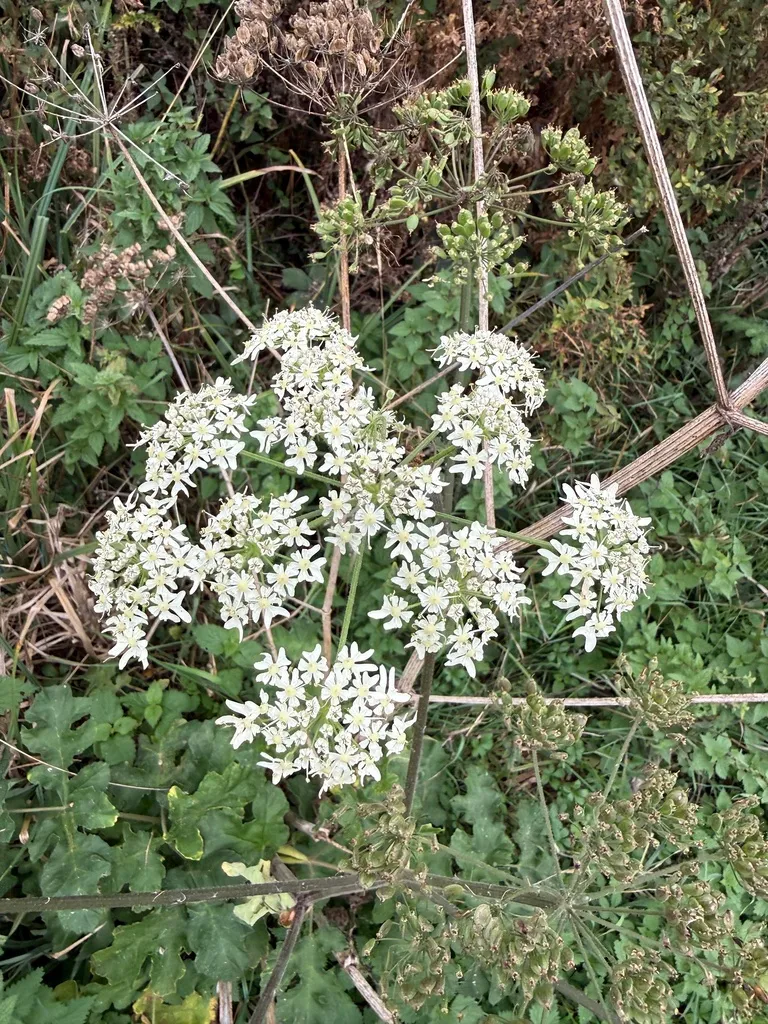
The hogweed is more diminutive than its infamous cousin, giant hogweed and doesn't carry the same health warnings. Although it may reach 2m in height, it's generally much shorter at 1m. Stems are ridged and hollow, leaves hairy with broad, pinnate lobes. Off-white umbels are borne from midsummer to early autumn. It may be a biennial or monocarpic perennial.
Scientific classification
- Species
- hogweed (Heracleum sphondylium)
- Genus
- Heracleum
- Family
- Apiaceae
- TOXIC to skin with sunlight
- Toxicity
- Annual Biennial · Herbaceous Perennial
- Plant type
- 1-1.5 metres
- Height
- Information to be completed
- Spread
- Semi evergreen
- Foliage
- Bushy
- Habit
- Spring · Summer · Autumn · Winter
- Season of interest
- Full sun · Partial shade
- Sunlight
- Information to be completed
- Ideal temperature









hogweed pictures
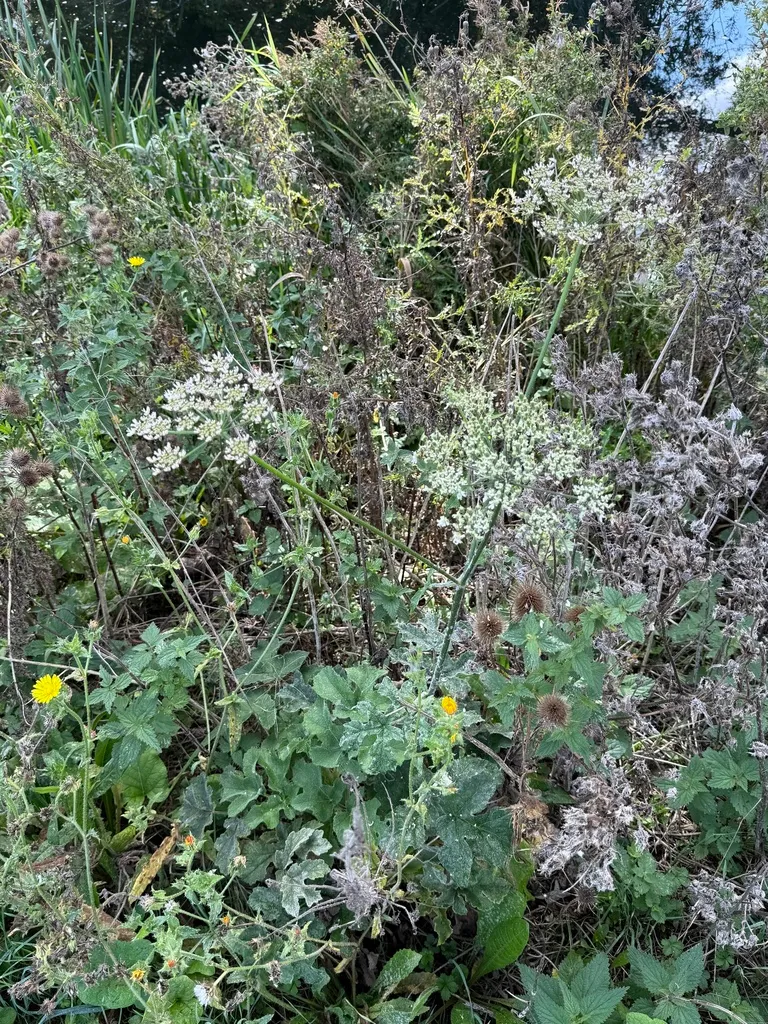
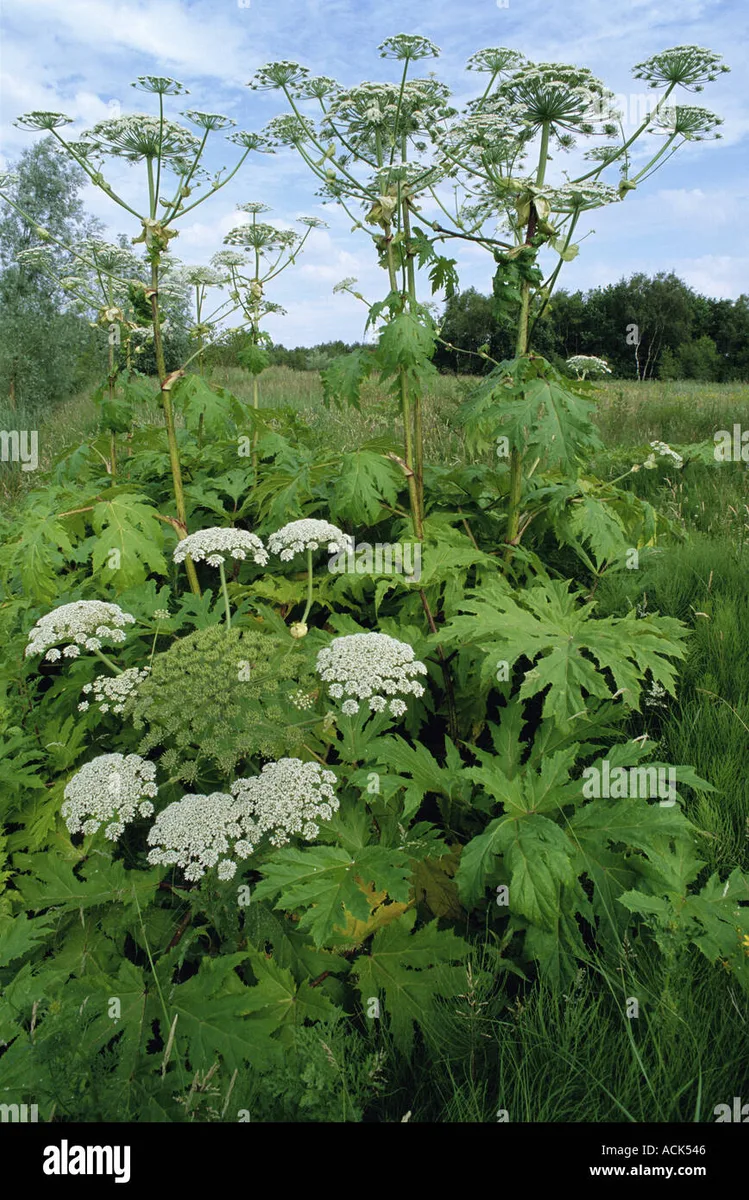
Distribution of hogweed
Distribution map
Information to be completed
Information to be completed
Culture
Information to be completed
Toxicity
TOXIC to skin with sunlight
Quick identification of hogweed
Information to be completed
hogweed care guide
- Moderate regular watering, allowing brief slight drying between soakings
- Watering
- Full sun · Partial shade
- Sunlight
- Information to be completed
- Ideal temperature

Watering
Moderate regular watering, allowing brief slight drying between soakings
Fertilizing
 Fertilizing
Balanced perennial feed every four weeks from spring through summer
Pruning
 Pruning
No pruning required
Propagation
 Propagation
Propagate by seed
Growing
 Growing
Naturally grows in grassy places of rough grazing, hedgerows and roadsides.
People also ask
Information to be completed
Common pests and diseases
Diseases
Generally disease-free
Pests
Generally pest-free
Explore the plant health library →




