
small-flowered hesperaloe
Also known as: Information to be completed
A yucca-like perennial, forming clumps of arching, linear, leathery leaves to 80cm long, often with thread-like filaments at the margins. In summer, flowerspikes up to 1.5m are produced, bearing numerous tubular to bell-shaped pink flowers, yellow within
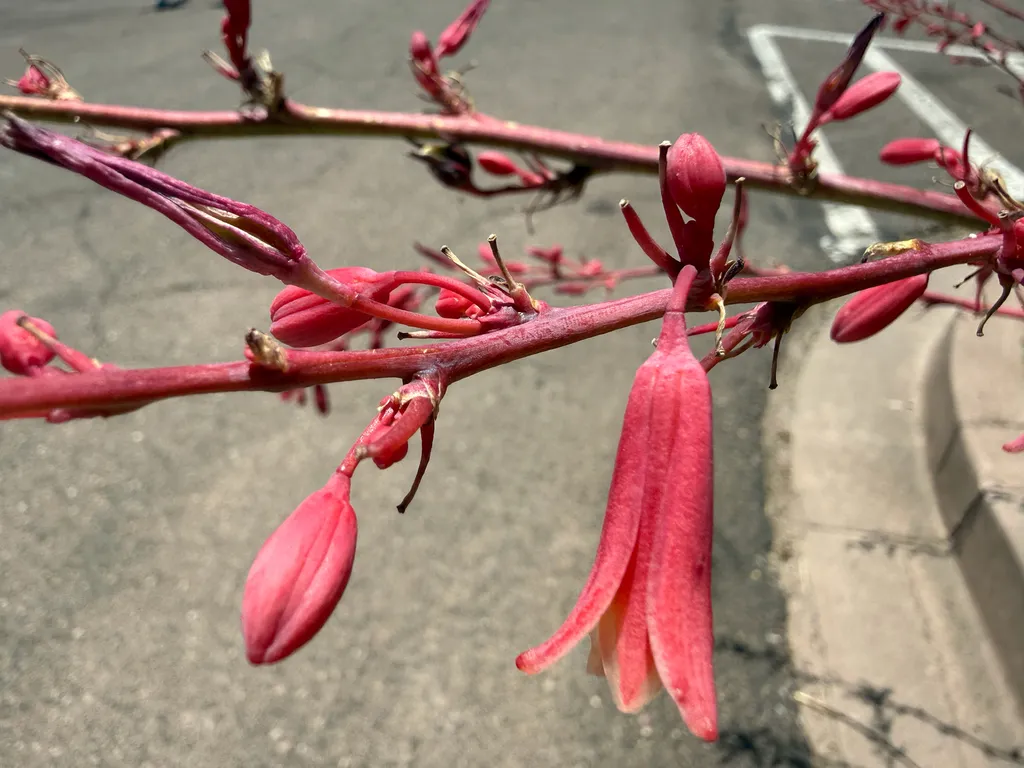
Scientific classification
- Species
- small-flowered hesperaloe (Hesperaloe parviflora)
- Genus
- Hesperaloe
- Family
- Asparagaceae
- Information to be completed
- Toxicity
- Cactus Succulent · Grass Like
- Plant type
- 1-1.5 metres
- Height
- 0.1-0.5 metres
- Spread
- Evergreen
- Foliage
- Tufted
- Habit
- Spring · Summer · Autumn · Winter
- Season of interest
- Full sun
- Sunlight
- Information to be completed
- Ideal temperature









small-flowered hesperaloe pictures
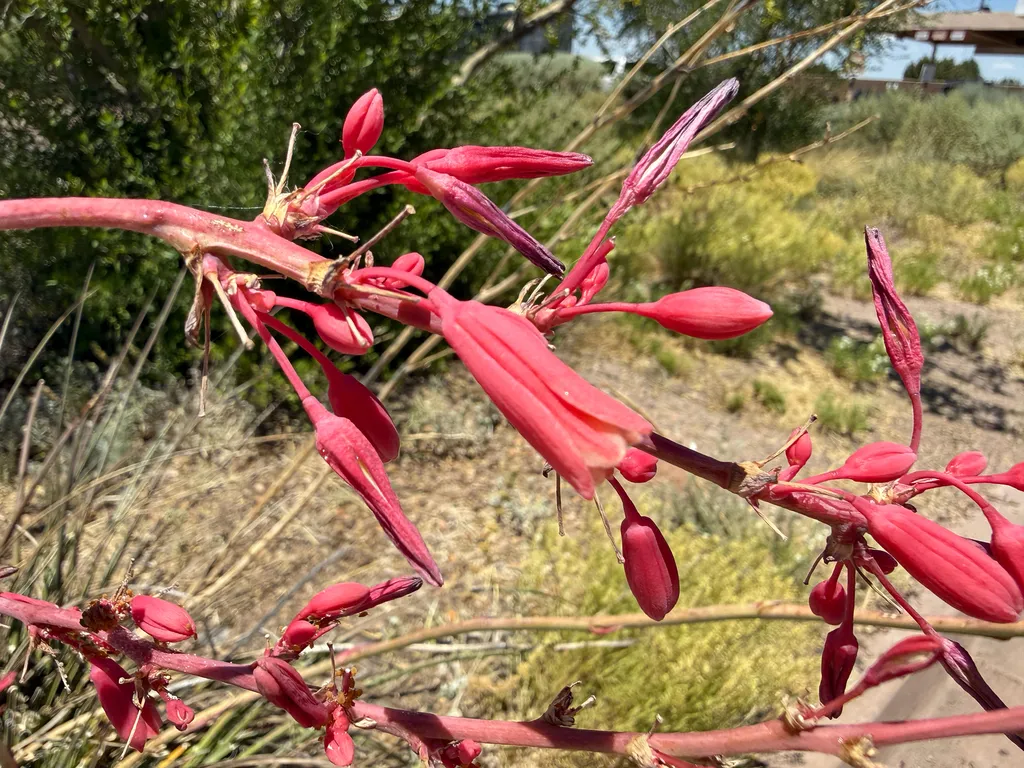
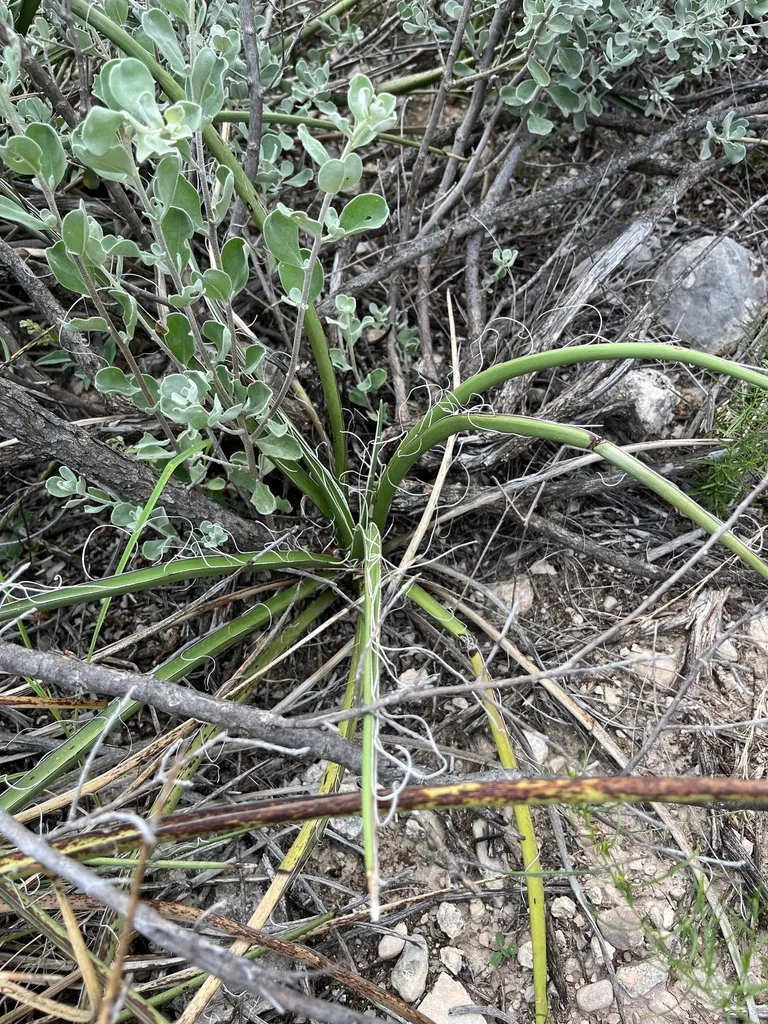
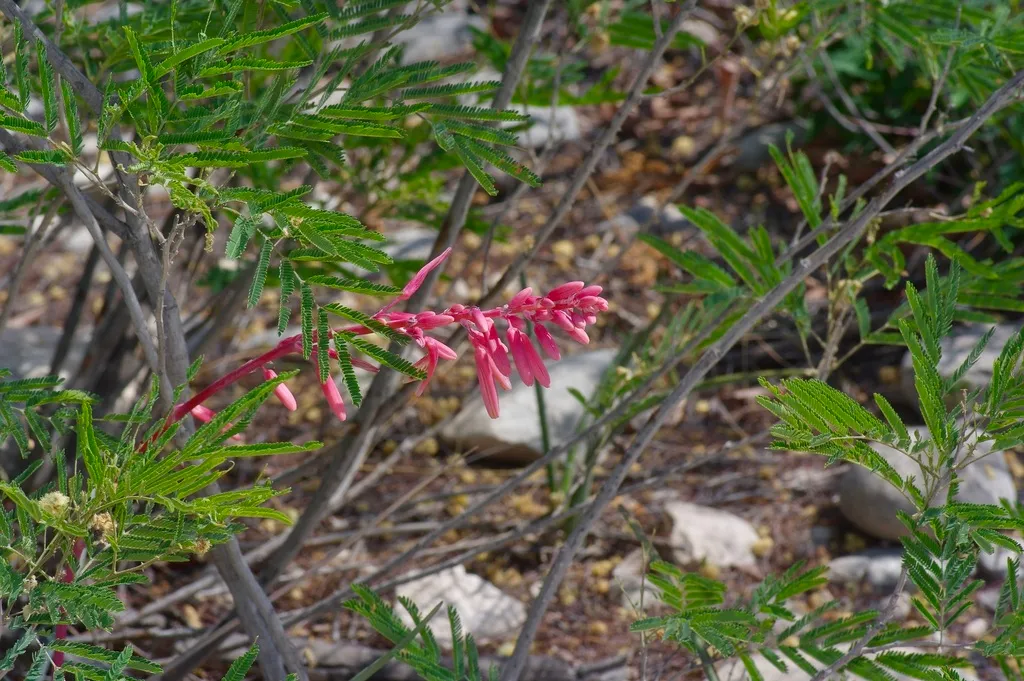
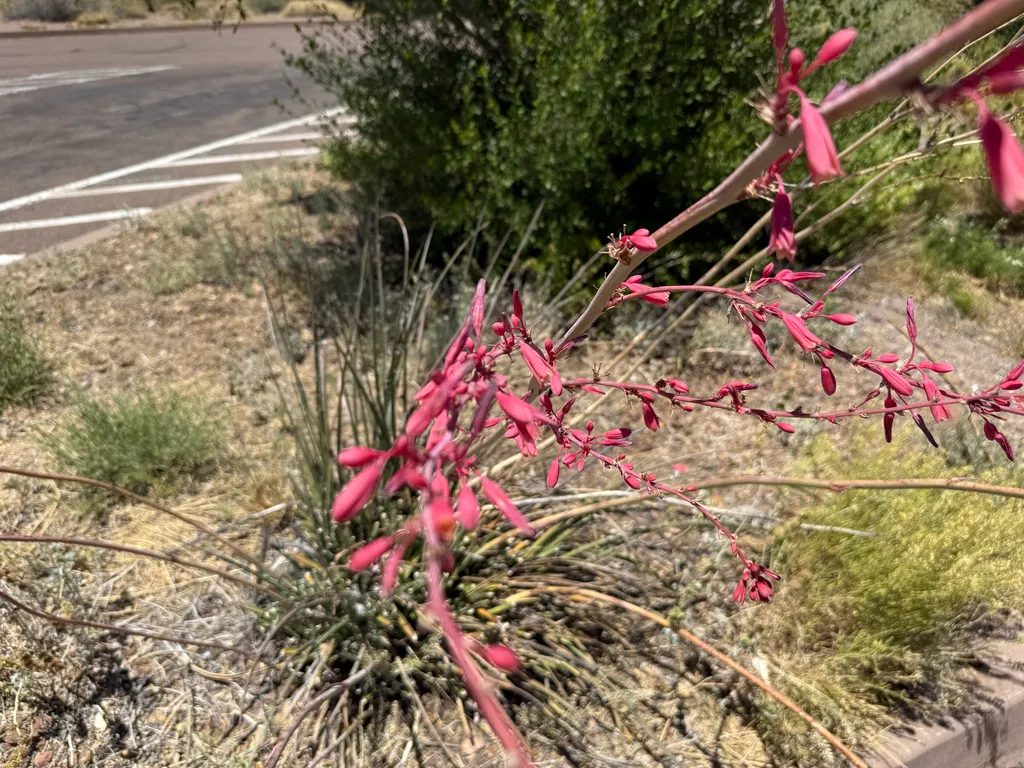
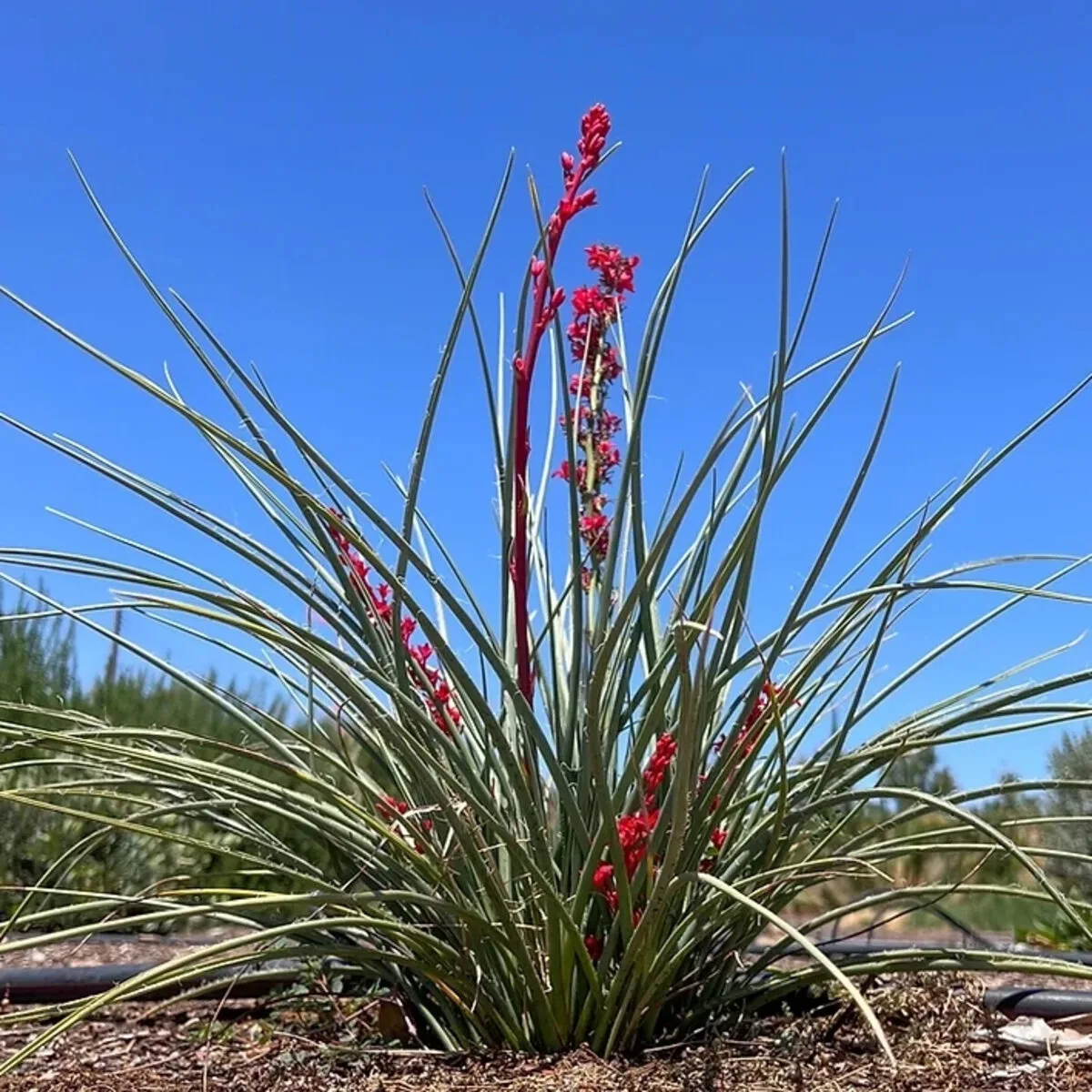
Distribution of small-flowered hesperaloe
Distribution map
USA (Texas) to Northeastern Mexico
Information to be completed
Culture
Information to be completed
Toxicity
Information to be completed
Quick identification of small-flowered hesperaloe
Information to be completed
small-flowered hesperaloe care guide
- Water infrequently, wait for full soil dryness before rehydrating soil
- Watering
- Full sun
- Sunlight
- Information to be completed
- Ideal temperature

Watering
Water infrequently, wait for full soil dryness before rehydrating soil
Fertilizing
 Fertilizing
Minimal diluted low-nitrogen succulent feed once yearly springtime
Pruning
 Pruning
No pruning required
Propagation
 Propagation
Propagate by seed or separating offsets in spring
Growing
 Growing
Outdoors, grow in poor to moderately fertile, sharply-drained, neutral to acid soil in full sun. Protect from excessive winter wet. Under glass, grow in standard cactus compost in full light. In growth water moderately and apply a low-nitrogen fertiliser monthly; water sparingly in winter
People also ask
Information to be completed
Common pests and diseases
Diseases
Generally disease-free
Pests
Generally pest-free
Explore the plant health library →




