
wild hyacinth
Also known as: Information to be completed
L. contaminata is an erect bulbous perennial to 25cm tall, with narrow, grass-like leaves and erect stems bearing narrowly bell-shaped white flowers tipped with maroon, in spring
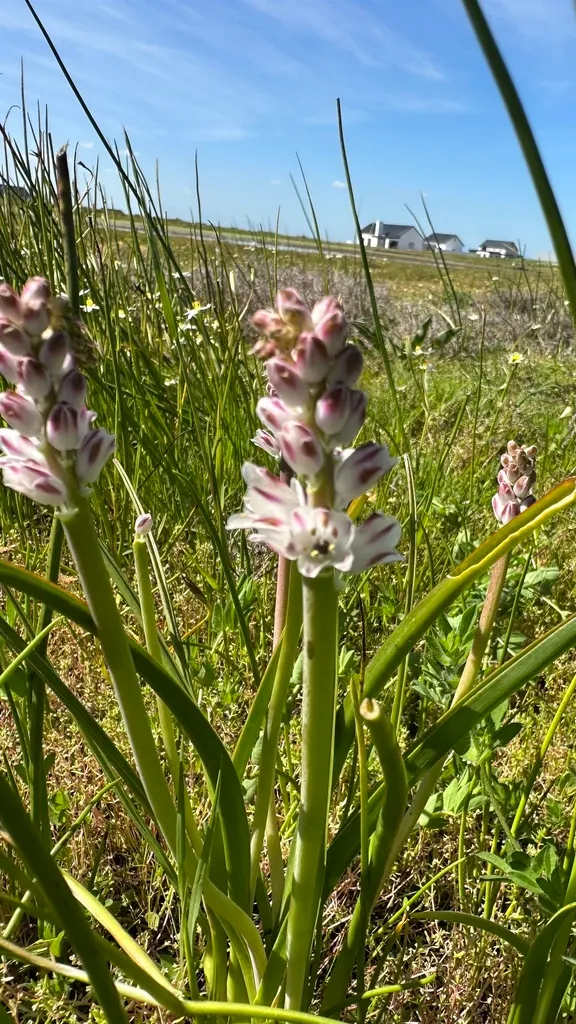
Scientific classification
- Species
- wild hyacinth (Lachenalia contaminata)
- Genus
- Lachenalia
- Family
- Asparagaceae
- Order
- Asparagales
- Class
- Liliopsida
- Phylum
- Magnoliophyta
- Information to be completed
- Toxicity
- Alpine Rockery · Bulbs · Conservatory Greenhouse
- Plant type
- 0.1-0.5 metres
- Height
- 0-0.1 metre
- Spread
- Deciduous
- Foliage
- Bushy
- Habit
- Spring · Autumn · Winter
- Season of interest
- Full sun
- Sunlight
- Information to be completed
- Ideal temperature









wild hyacinth pictures
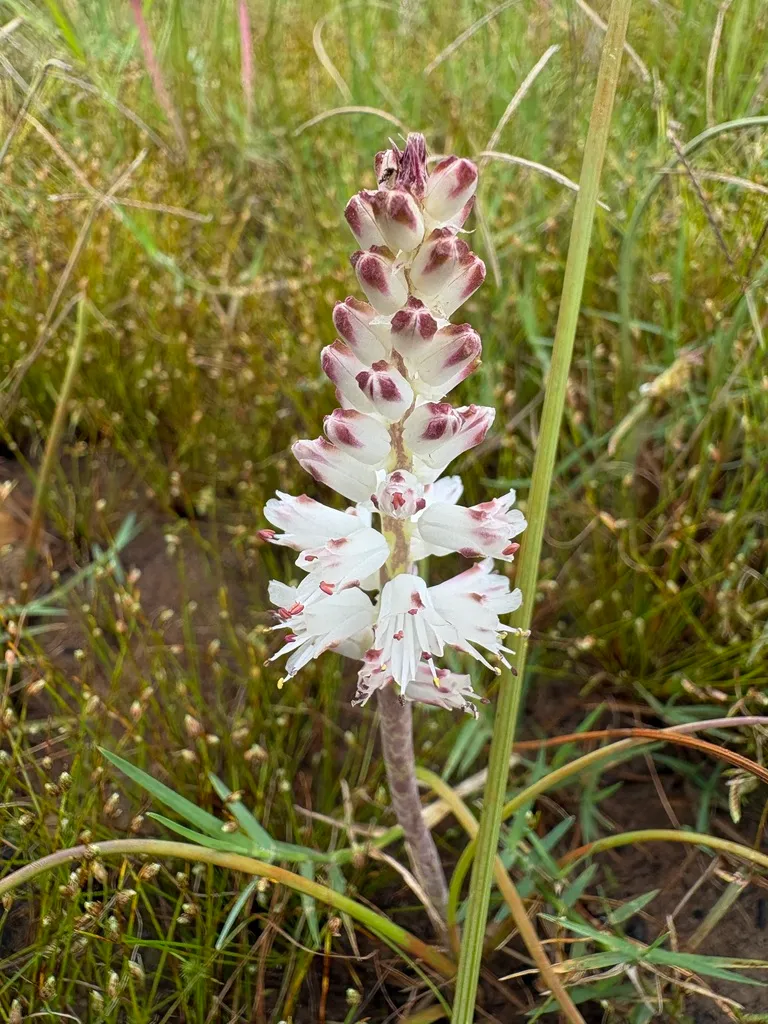
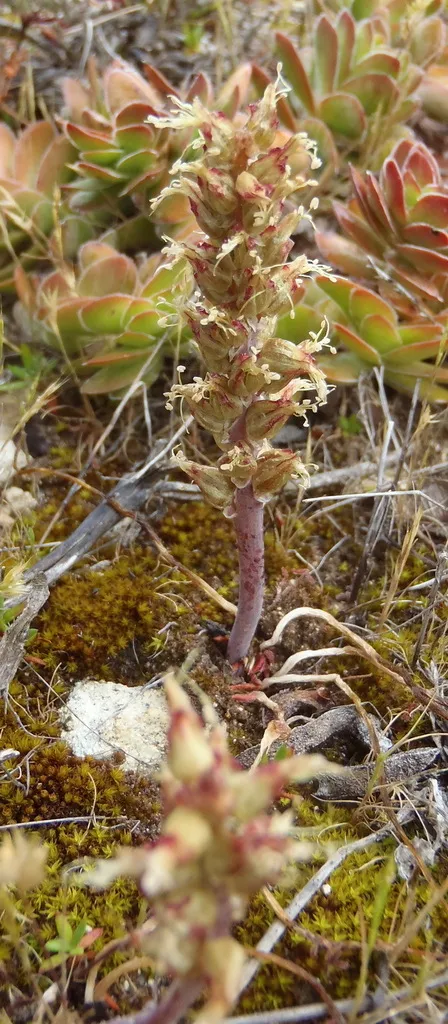
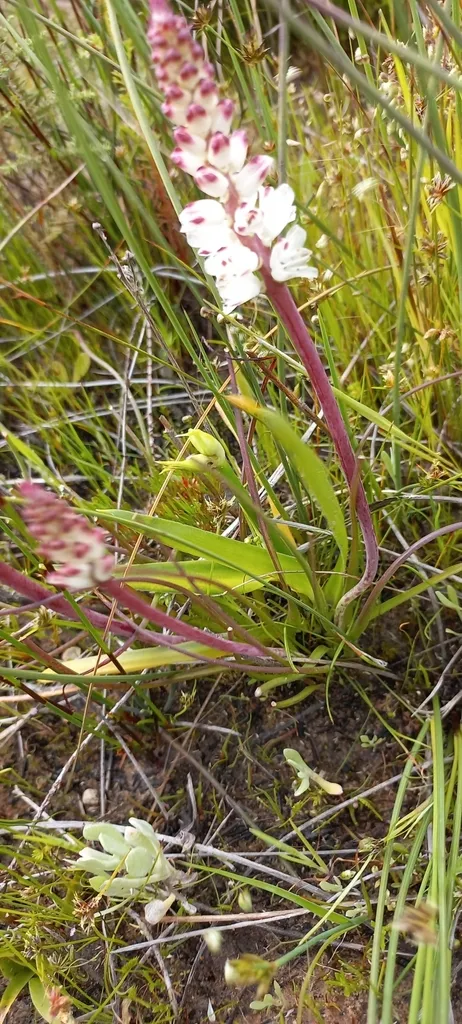
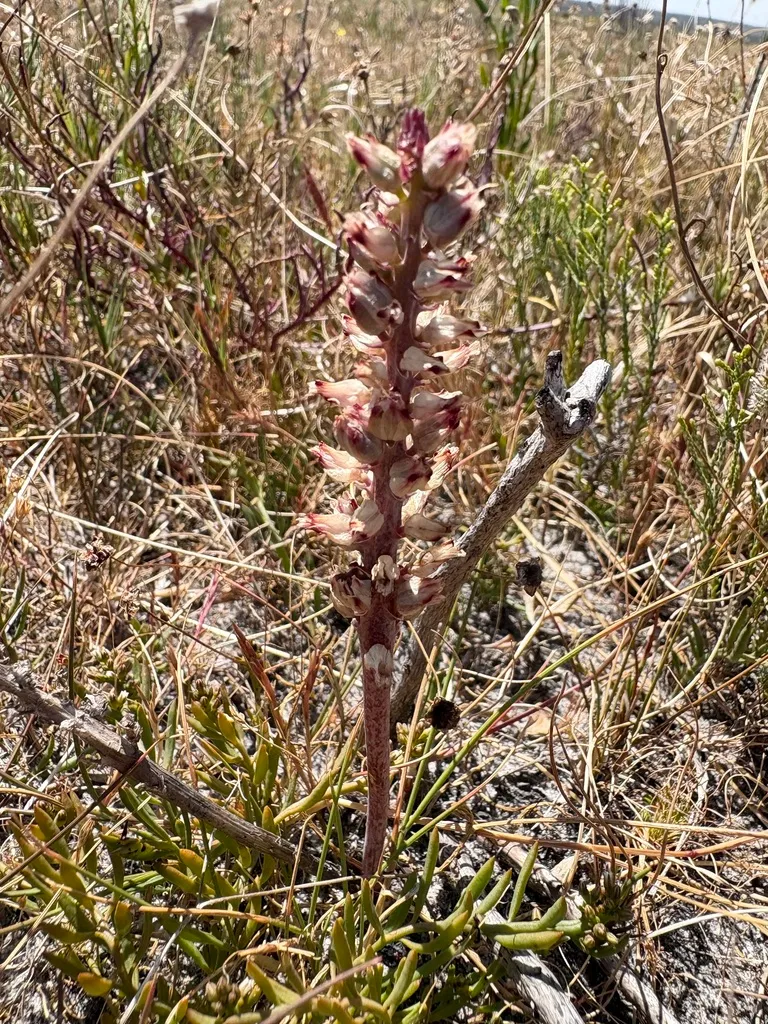
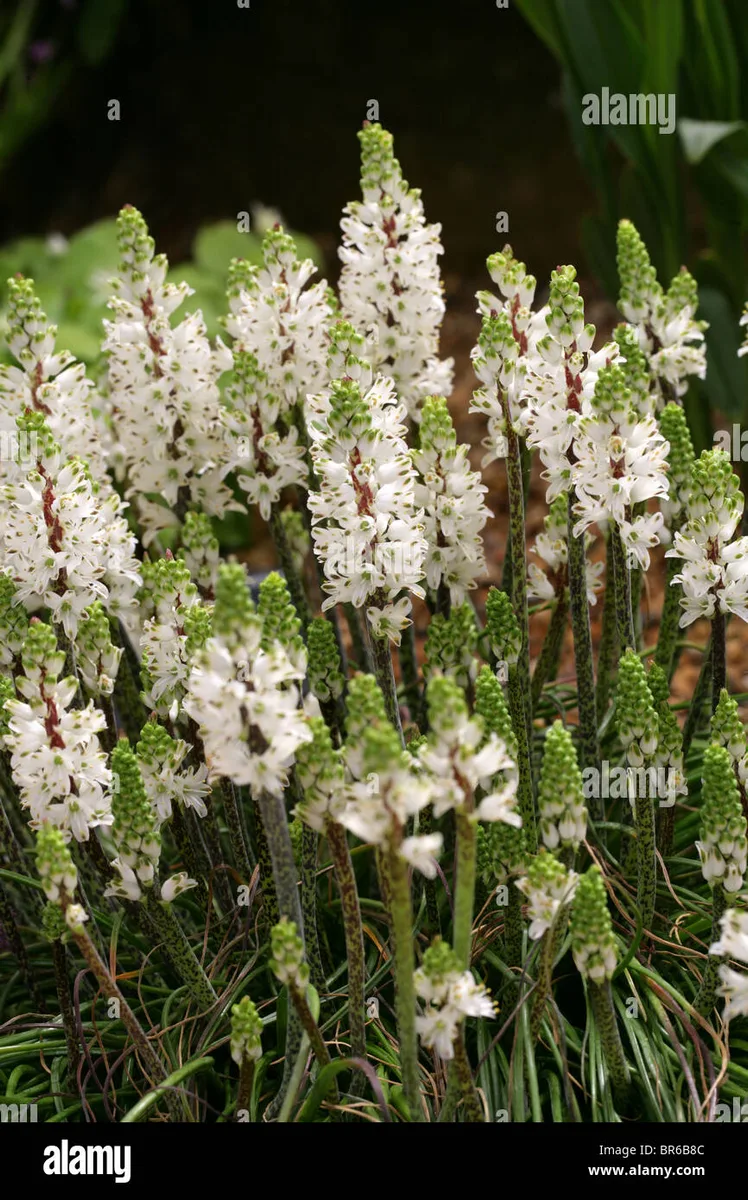
Distribution of wild hyacinth
Distribution map
- Native
- Introduced
- Cultivated
Source:WCVP v16 · Royal Botanic Gardens, Kew · CC BY 3.0 · Boundaries:WGSRPD / TDWG
wild hyacinth care guide
- Regular watering spring growth, reduce irrigation autumn leaf dieback
- Watering
- Full sun
- Sunlight

Watering
Regular watering spring growth, reduce irrigation autumn leaf dieback
Fertilizing
 Fertilizing
Weak bulb liquid feed applied once before spring leaf emergence phase
Pruning
 Pruning
No pruning necessary
Propagation
 Propagation
Propagate by seed at 13-18°C (55-64°F) as soon as ripe, or remove bulblets in summer or autumn just before replanting or repotting
Growing
 Growing
Under glass grow in a loam-based potting compost in full light. Water moderately until in full growth then water freely, adding a balanced liquid fertiliser every 10-14 days. Reduce watering as the leaves fade, then keep dry until fresh growth starts in autumn
Common pests and diseases
Diseases
Generally disease free
Pests
Generally pest-free
Explore the plant health library →




