
dame's violet
Also known as: close sciences; damask; damask violet; dame's rocket; dame's wort; double rocket; garden rocket; night rocket; night violet; night-scented violet; queen's gilliflower; rocket; rogue's gilliflower; summer lilac; sweet rocket; white rocket; winter gilliflower
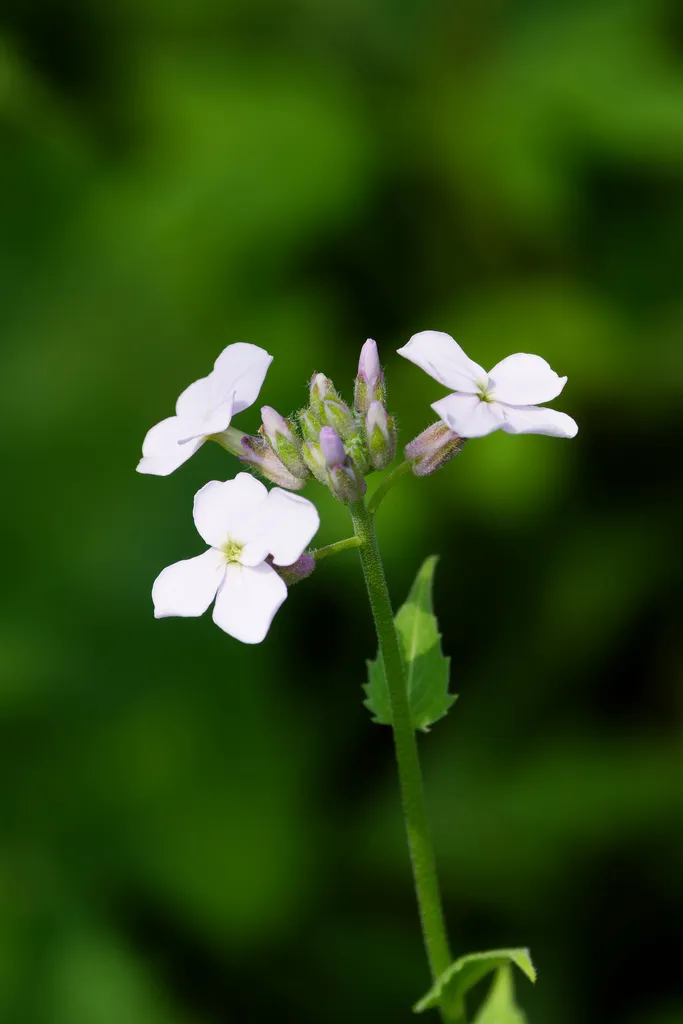
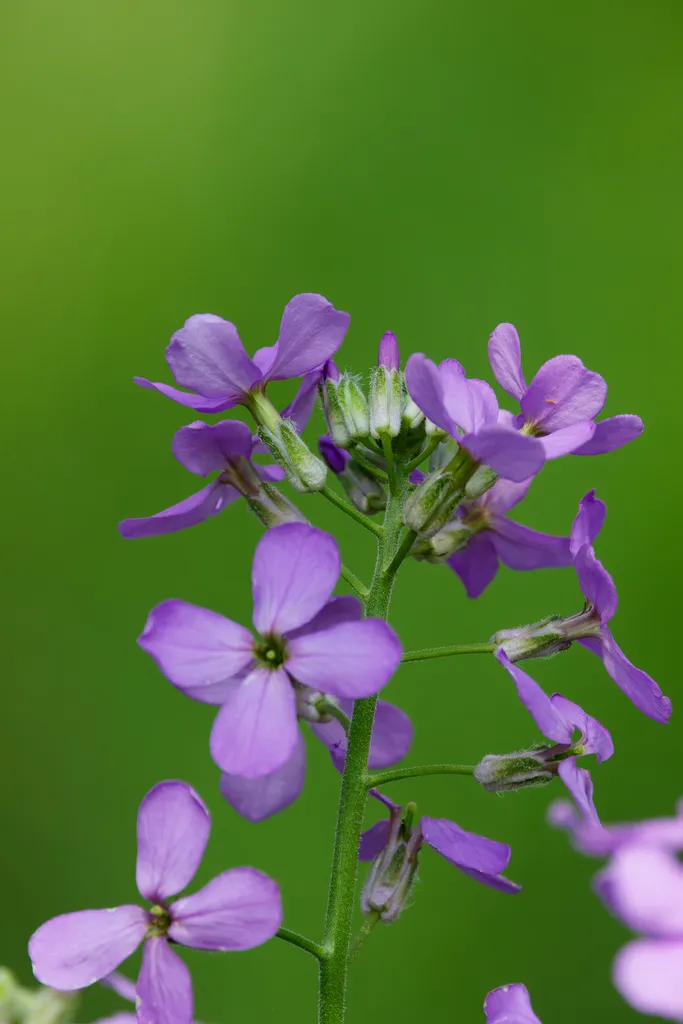
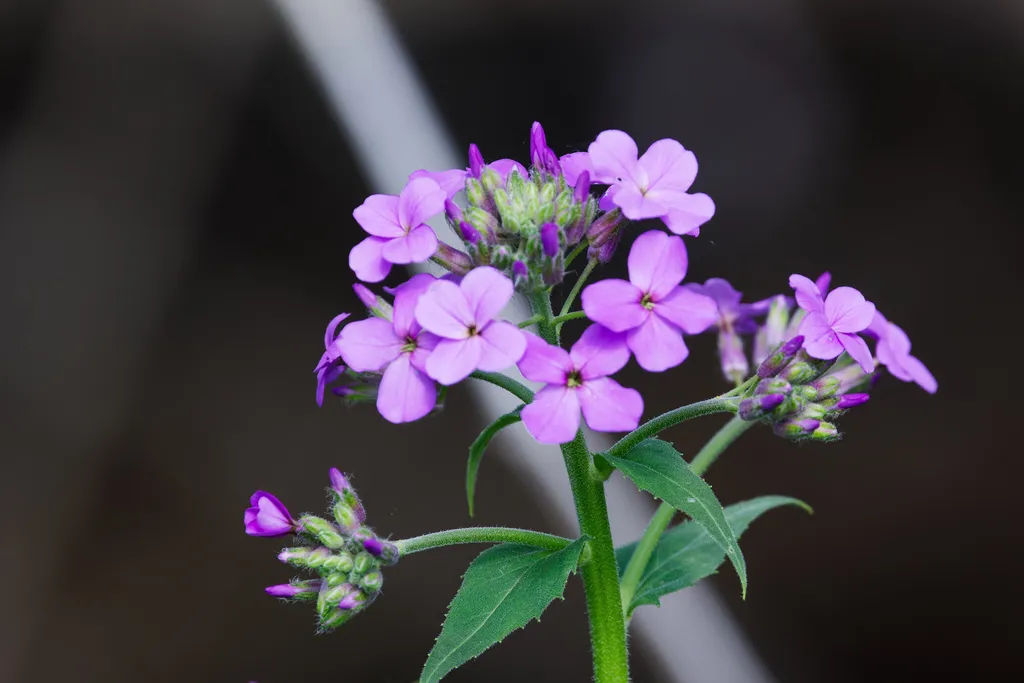
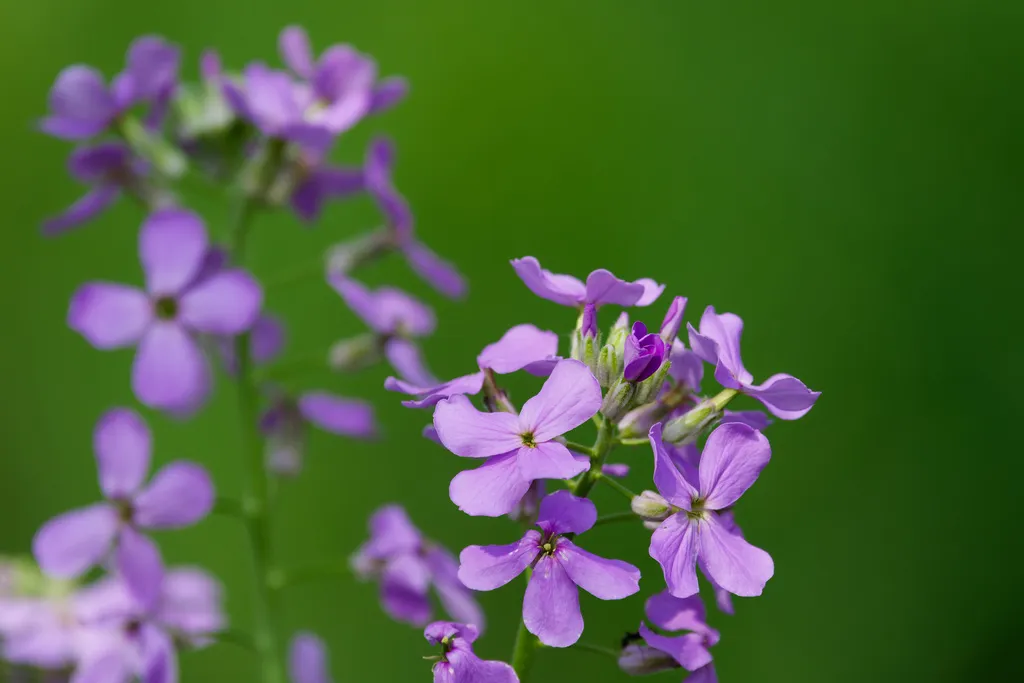
H. matronalis is a rosette-forming biennial, or short-lived perennial, with leafy stems growing to around 90cm. Loose clusters of white, or pale to mid-purple, scented flowers appear in late spring and early summer
Scientific classification
- Species
- dame's violet (Hesperis matronalis)
- Genus
- Hesperis
- Family
- Brassicaceae
- Information to be completed
- Toxicity
- Annual Biennial · Herbaceous Perennial
- Plant type
- 0.5-1 metres
- Height
- 0.1-0.5 metres
- Spread
- Deciduous
- Foliage
- Bushy
- Habit
- Spring · Summer · Autumn
- Season of interest
- Full sun · Partial shade
- Sunlight
- Information to be completed
- Ideal temperature









dame's violet pictures
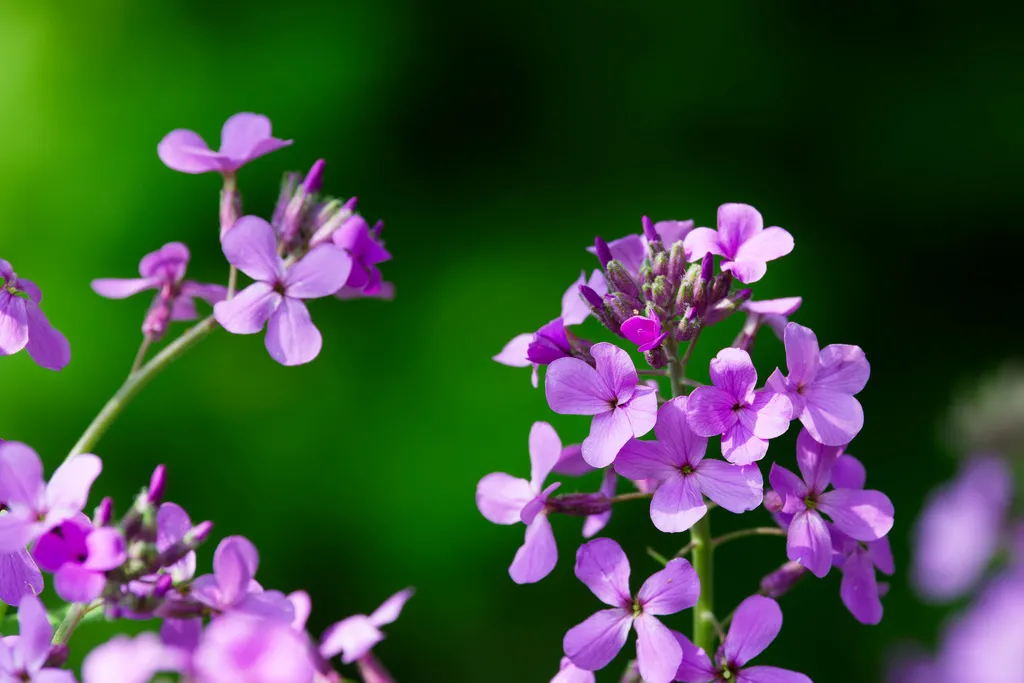
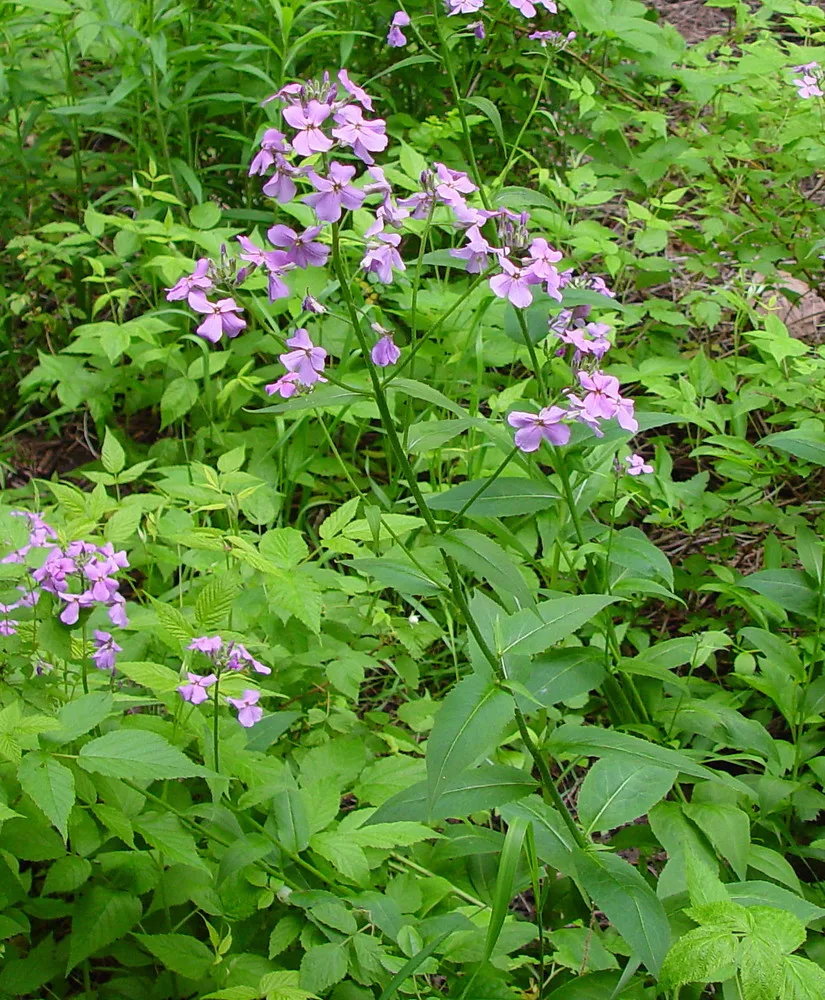
Distribution of dame's violet
Distribution map
- Native
- Introduced
- Cultivated
Source:WCVP v16 · Royal Botanic Gardens, Kew · CC BY 3.0 · Boundaries:WGSRPD / TDWG
Culture
Information to be completed
Toxicity
Information to be completed
Quick identification of dame's violet
Information to be completed
dame's violet care guide
- Moderate regular watering, allowing brief slight drying between soakings
- Watering
- Full sun · Partial shade
- Sunlight
- Information to be completed
- Ideal temperature

Watering
Moderate regular watering, allowing brief slight drying between soakings
Fertilizing
 Fertilizing
Balanced perennial feed every four weeks from spring through summer
Pruning
 Pruning
Cut back after flowering
Propagation
 Propagation
Propagate by seed sown in situ
Growing
 Growing
Grow in fertile, moist but well-drained neutral or alkaline soil in sun or semi-shade. Replace every two to three years as flowering diminishes with age
People also ask
Information to be completed
Common pests and diseases
Diseases
May be affected by a virus or powdery mildews
Pests
Cabbage caterpillars, flea beetles, slugs and snails may be a problem
Explore the plant health library →




