
coral bells
Also known as: crimson bells; fairy flower
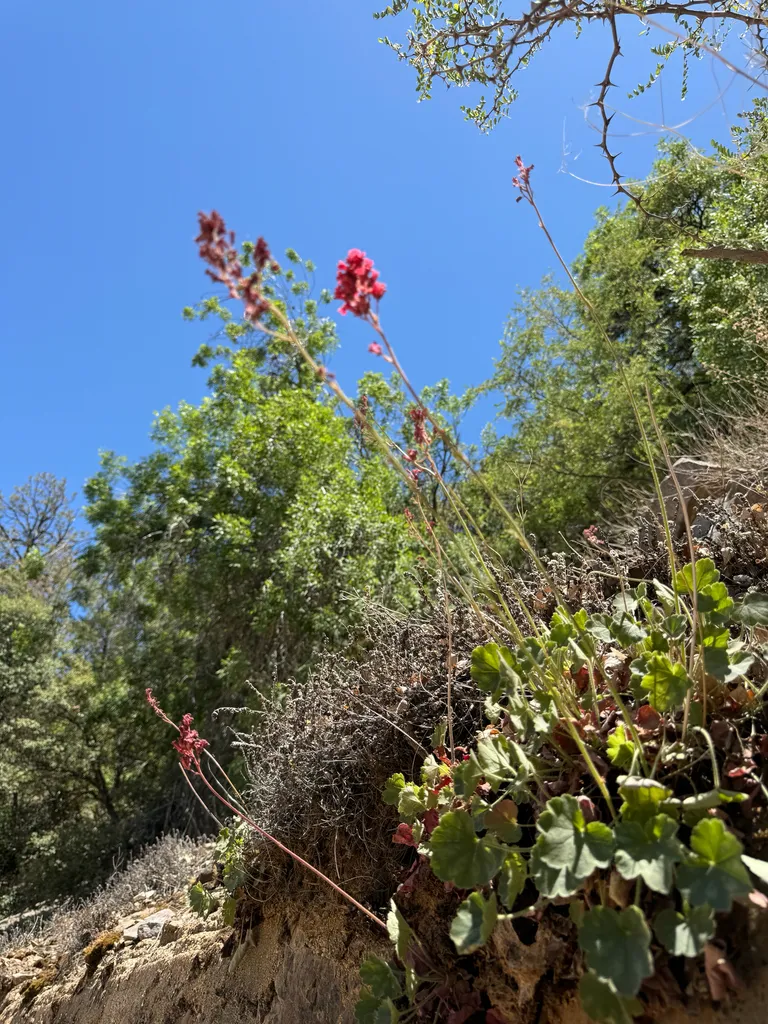
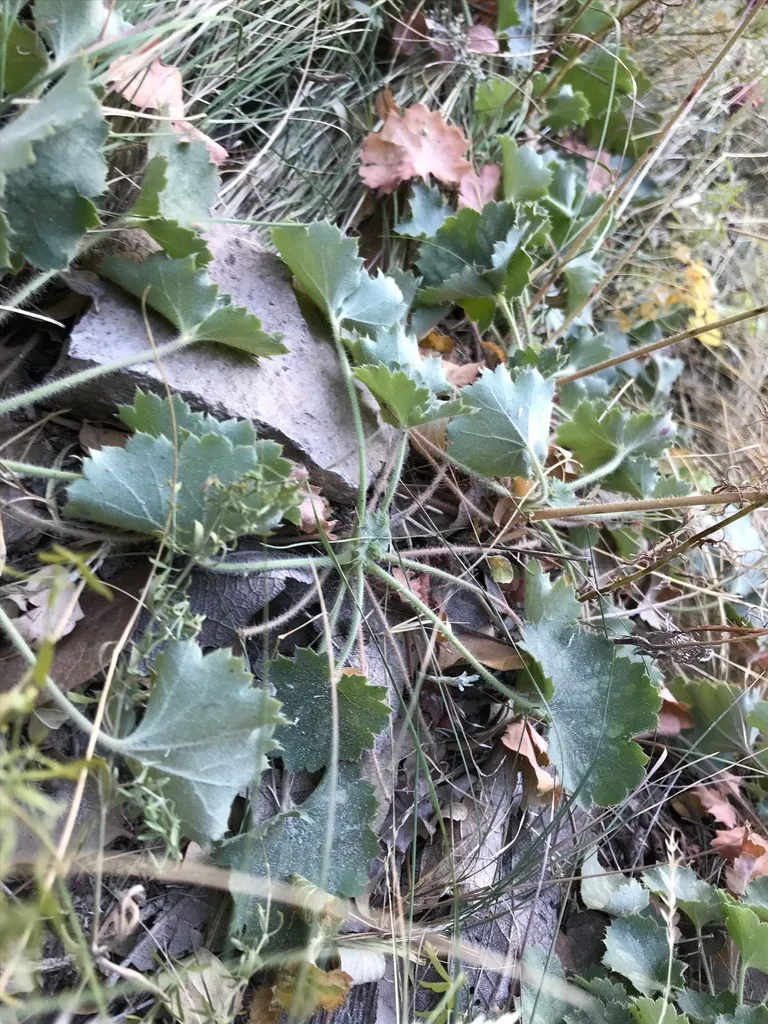
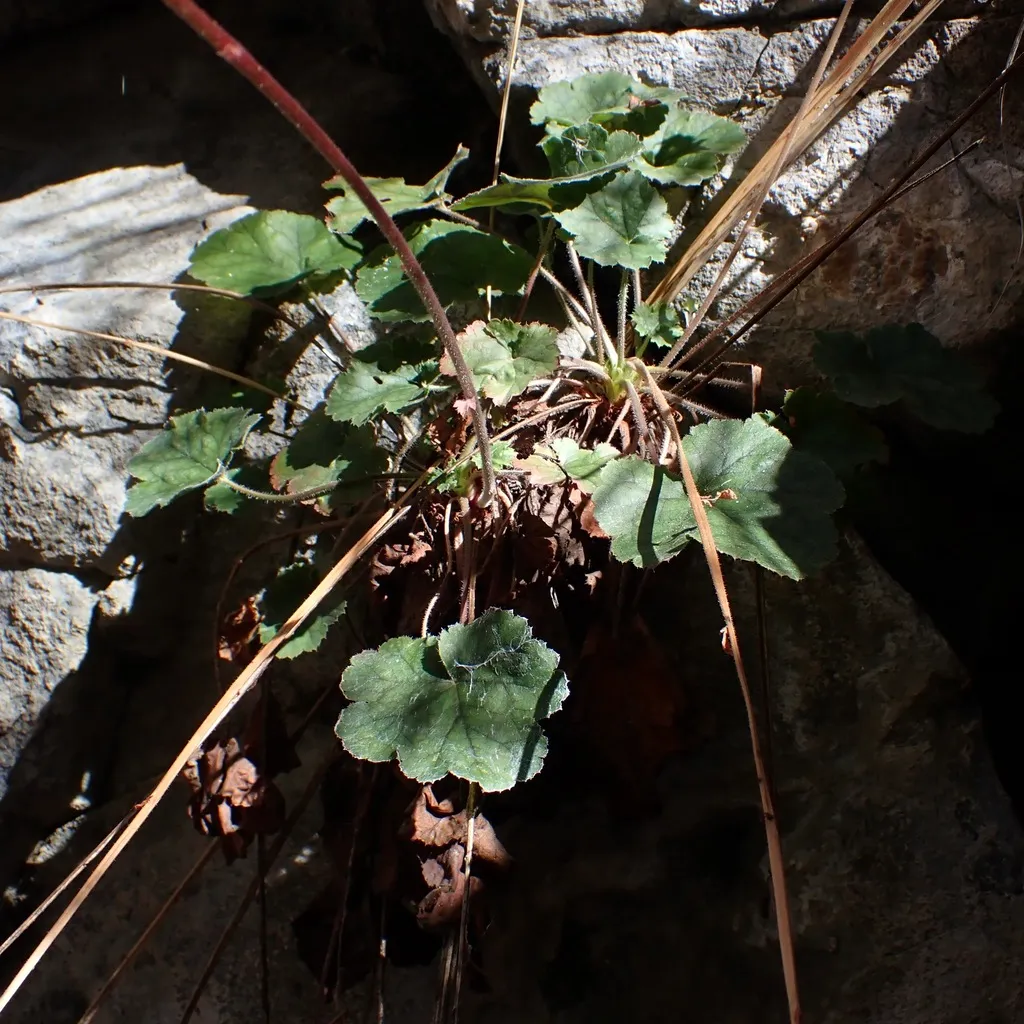
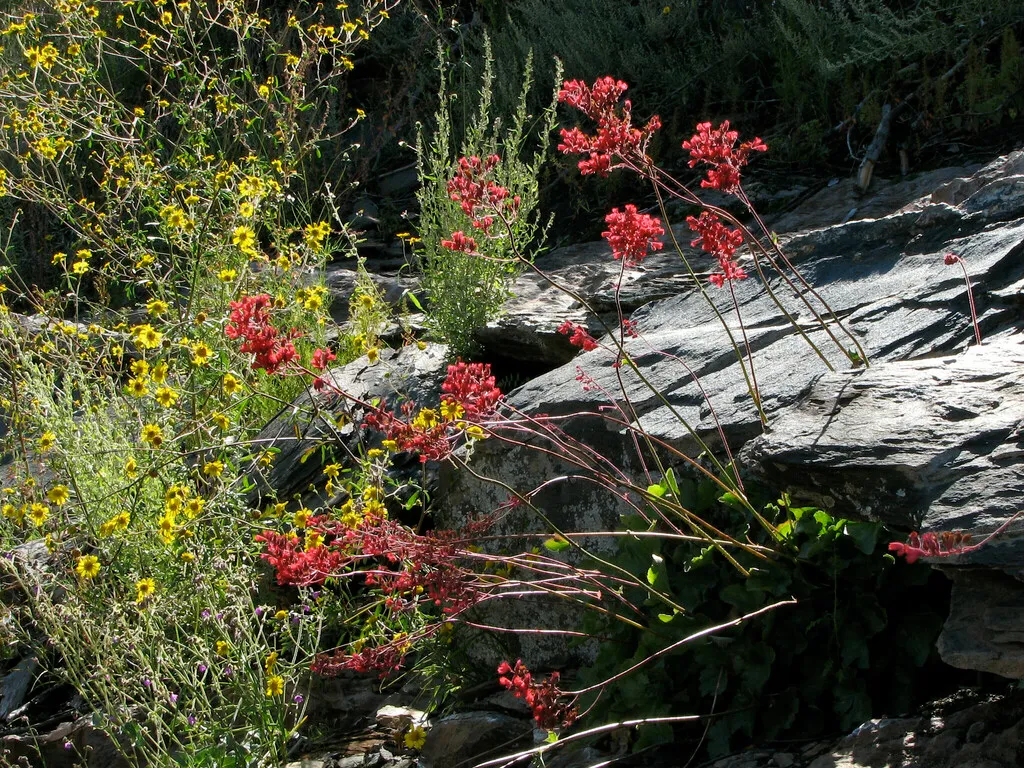
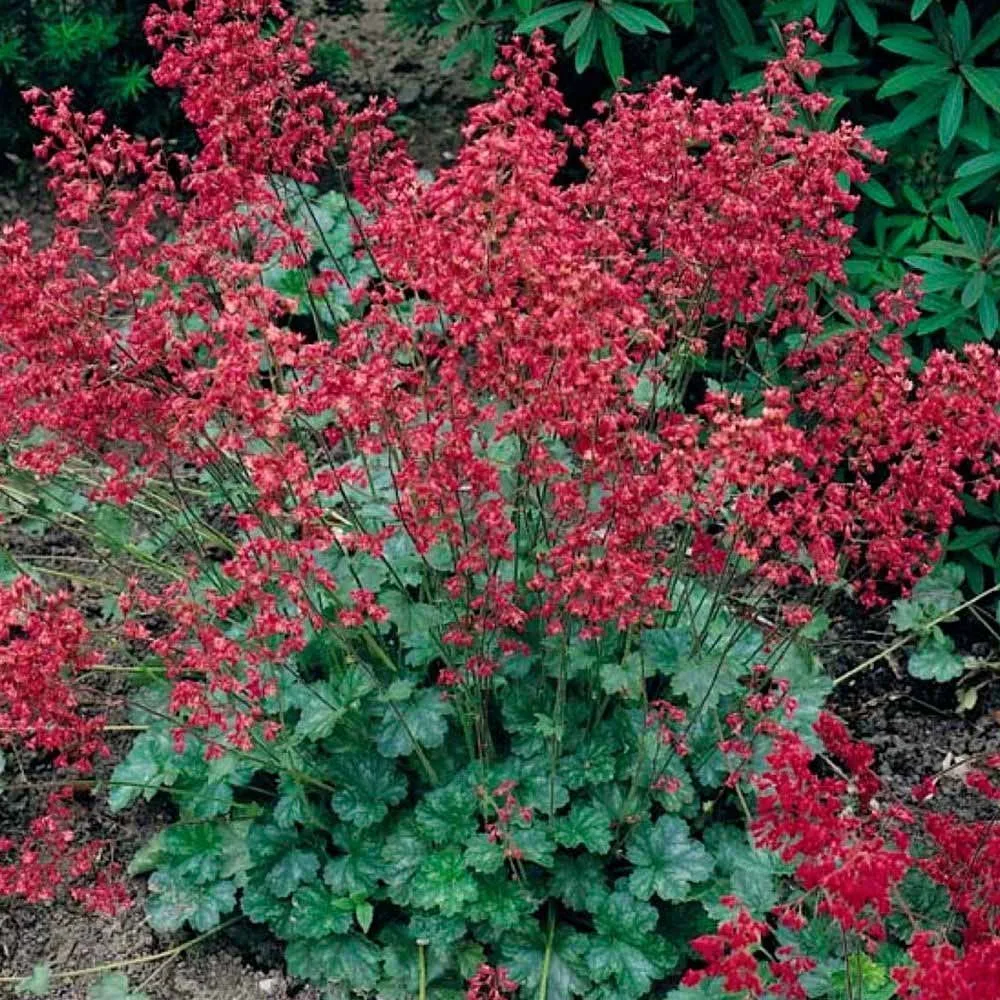
H. sanguinea is a clump-forming, semi-evergreenperennial to around 30cm with rounded, shallowly lobed, dark green leaves with pale green marbling. In summer bears small, red,tubularflowers in open sprays on fine, upright stems
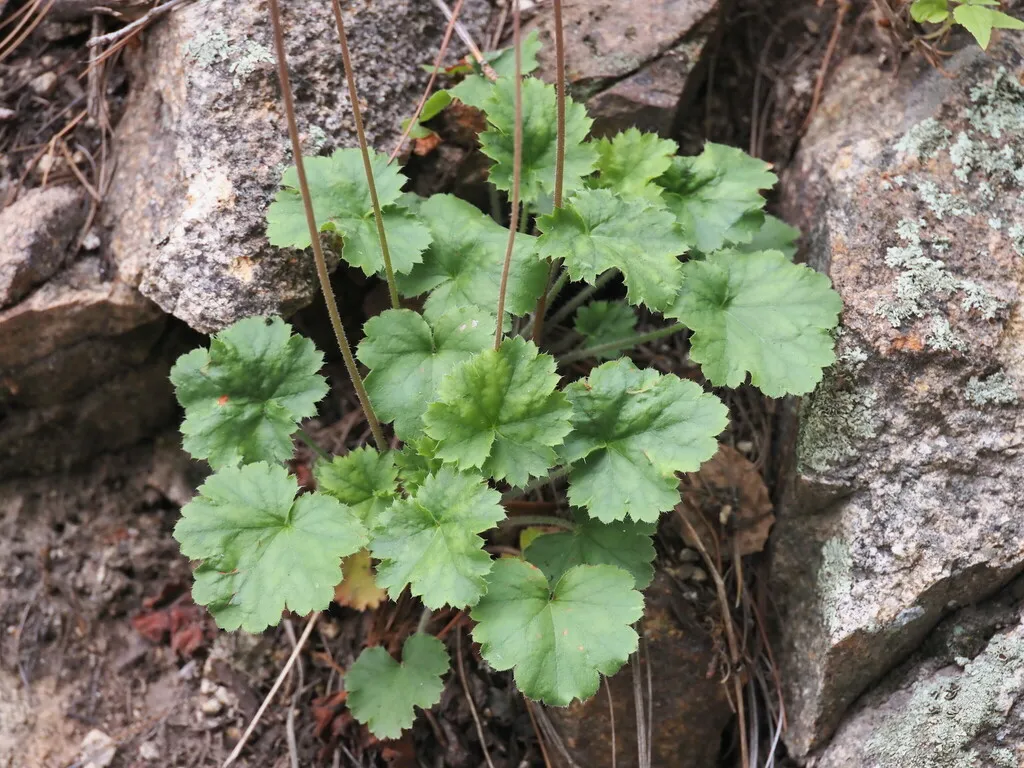
Scientific classification
- Species
- coral bells (Heuchera sanguinea)
- Genus
- Heuchera
- Family
- Saxifragaceae
- Information to be completed
- Toxicity
- Herbaceous Perennial
- Plant type
- 0.1-0.5 metres
- Height
- 0.1-0.5 metres
- Spread
- Semi evergreen
- Foliage
- Clump forming
- Habit
- Spring · Summer · Autumn · Winter
- Season of interest
- Full sun · Partial shade
- Sunlight
- 15 – 25 °C
- Ideal temperature









coral bells pictures
Distribution of coral bells
Distribution map
- Native
- Introduced
- Cultivated
Source:WCVP v16 · Royal Botanic Gardens, Kew · CC BY 3.0 · Boundaries:WGSRPD / TDWG
Culture
Information to be completed
Toxicity
Information to be completed
Quick identification of coral bells
Information to be completed
coral bells care guide
- Even light soil moisture, avoid waterlogged compacted planting mix
- Watering
- Full sun · Partial shade
- Sunlight
- 15 – 25 °C
- Ideal temperature

Watering
Even light soil moisture, avoid waterlogged compacted planting mix
Fertilizing
 Fertilizing
All-purpose diluted flower fertilizer every four weeks warm months
Pruning
 Pruning
Remove faded flower spikes
Propagation
 Propagation
Propagate by division in autumn
Growing
 Growing
Grow in a fertile, moist but well-drained, neutral soil in sun or partial shade. The woody rootstock tends to lift out of the ground so mulch annually or lift and replant
People also ask
Information to be completed
Common pests and diseases
Diseases
May be susceptible to heuchera rust and leafy gall
Pests
May be susceptible to leaf and bud eelworm and vine weevil
Explore the plant health library →




