
Chinese fountain bamboo 'Nymphenburg'
Also known as: Information to be completed
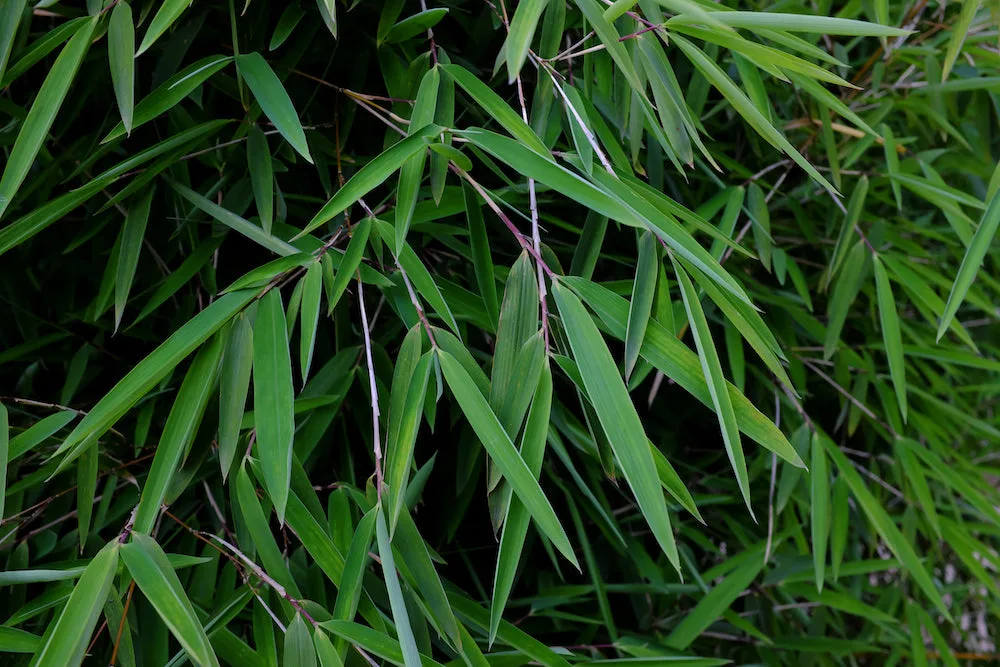
Nymphenburg' forms a compact clump of arching, purple-flushed, slender green stems bearing narrow leaves to 10cm long
Scientific classification
- Species
- Chinese fountain bamboo 'Nymphenburg' (Fargesia nitida 'Nymphenburg')
- Genus
- Fargesia
- Family
- Poaceae
- Order
- Poales
- Class
- Liliopsida
- Phylum
- Tracheophyta
- Information to be completed
- Toxicity
- Bamboos
- Plant type
- 1.5-2.5 metres
- Height
- 1.5-2.5 metres
- Spread
- Evergreen
- Foliage
- Suckering
- Habit
- Spring · Summer · Autumn · Winter
- Season of interest
- Full sun · Partial shade
- Sunlight
- Information to be completed
- Ideal temperature









Chinese fountain bamboo 'Nymphenburg' pictures
Distribution of Chinese fountain bamboo 'Nymphenburg'
Distribution map
- Native
- Introduced
- Cultivated
Source:WCVP v16 · Royal Botanic Gardens, Kew · CC BY 3.0 · Boundaries:WGSRPD / TDWG
Chinese fountain bamboo 'Nymphenburg' care guide
- Water regularly while establishing, keeping root zone evenly moist
- Watering
- Full sun · Partial shade
- Sunlight

Watering
Water regularly while establishing, keeping root zone evenly moist
Fertilizing
 Fertilizing
Balanced bamboo feed in spring and again early summer if needed
Pruning
 Pruning
Remove weak, dead, damaged or spindly stems in spring and thin to show off stems to best effect. Cut out any flowering shoots promptly to discourage more from forming - see bamboo cultivation
Propagation
 Propagation
Propagate by division or take cuttings of sections of young rhizomes in spring
Growing
 Growing
Grow in fertile, moisture retentive soil in partial or light dappled shade with shelter from cold, dry winds. In a container grow in a loam-based compost and feed with a balanced liquid fertiliser on a monthly basis during the growing season
Common pests and diseases
Diseases
Generally disease free
Pests
Slugs may damage new shoots
Explore the plant health library →




