
Slack's sundew
Also known as: Information to be completed
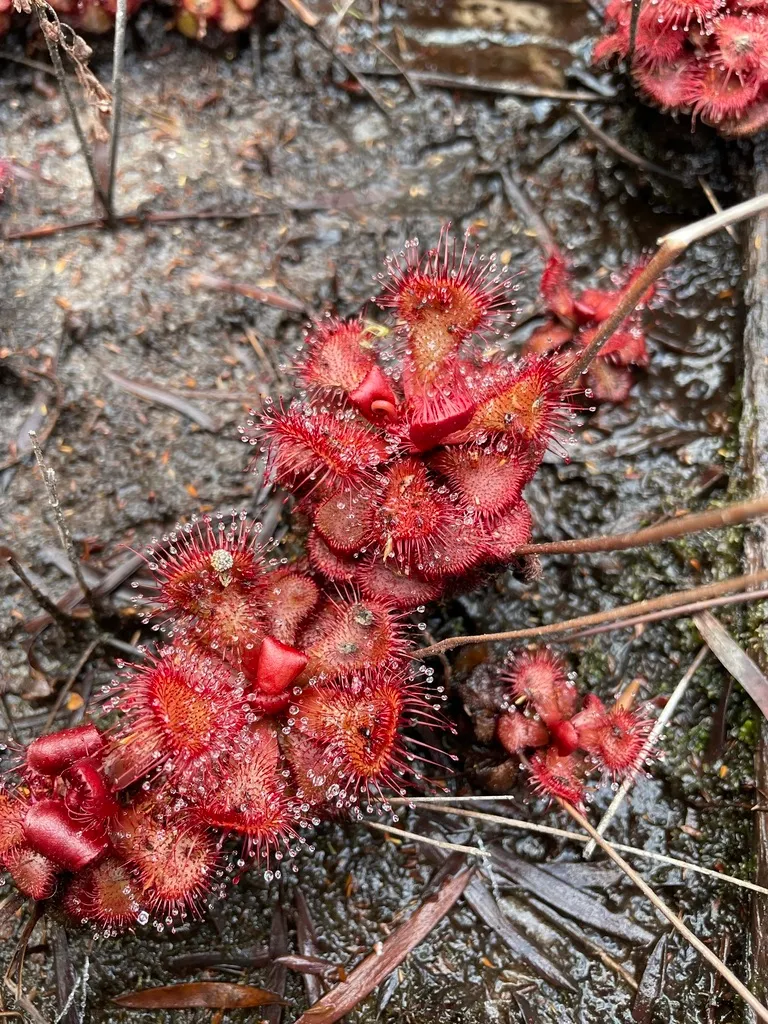
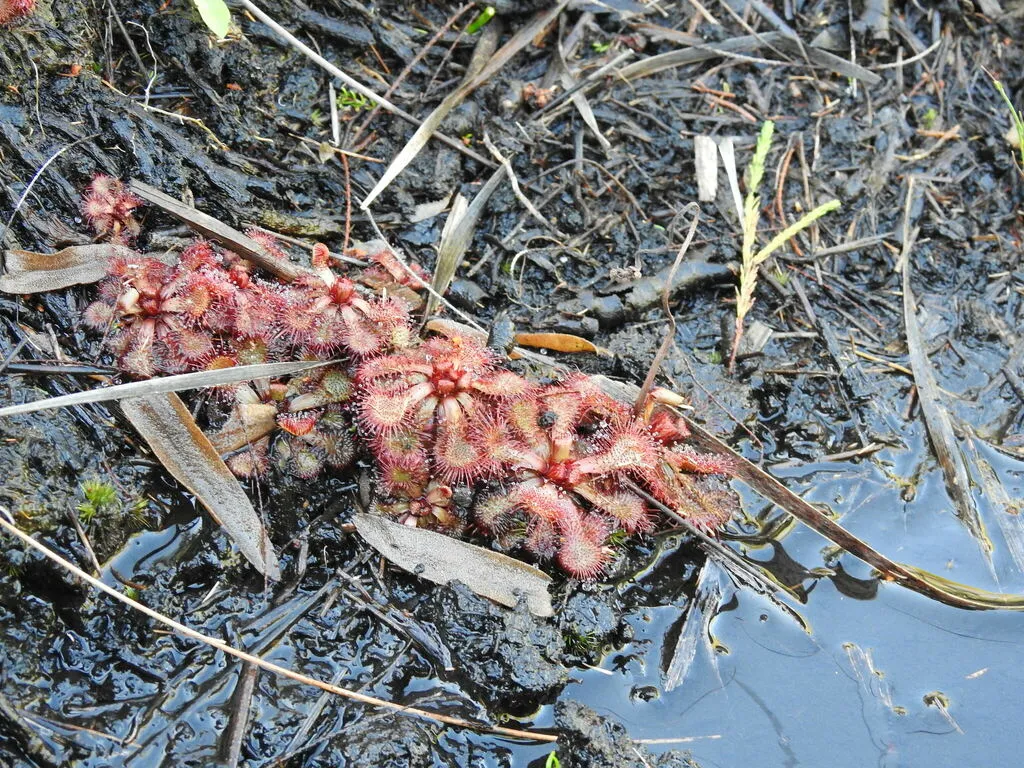
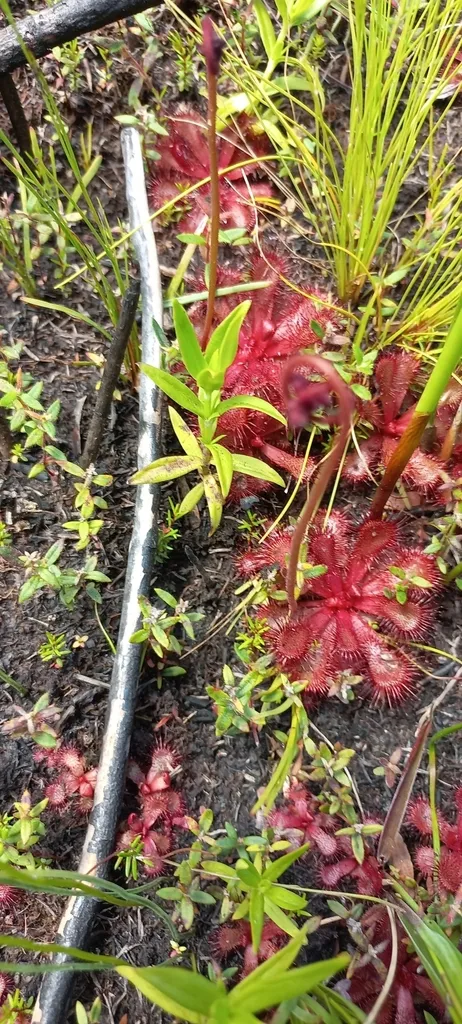
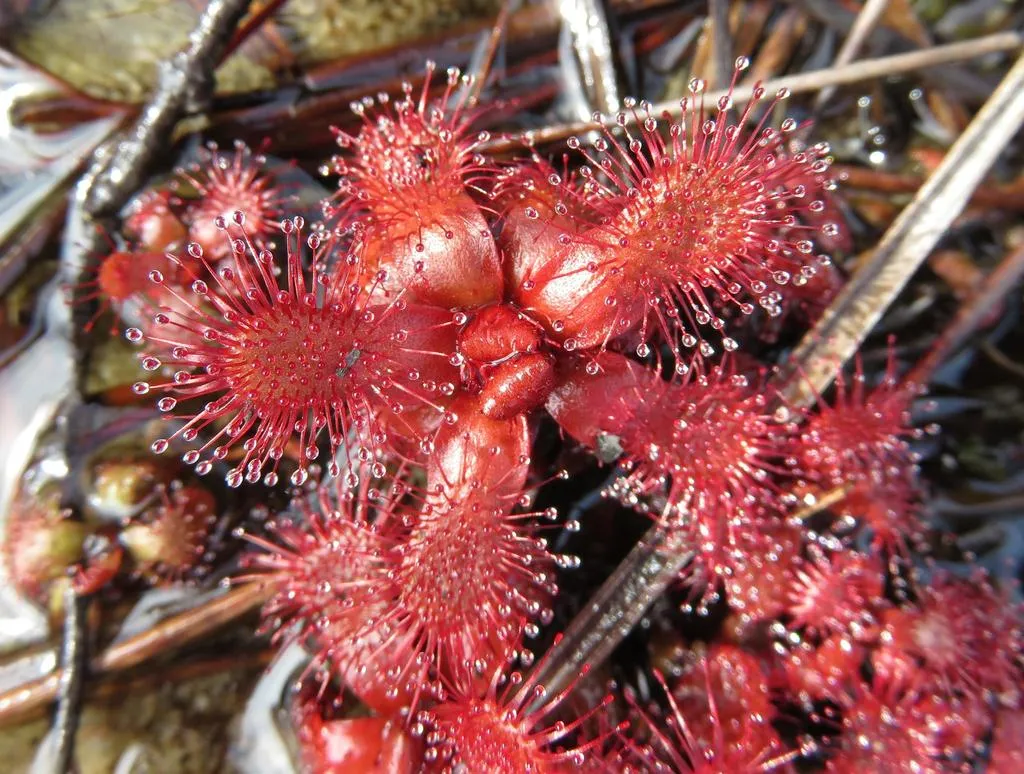
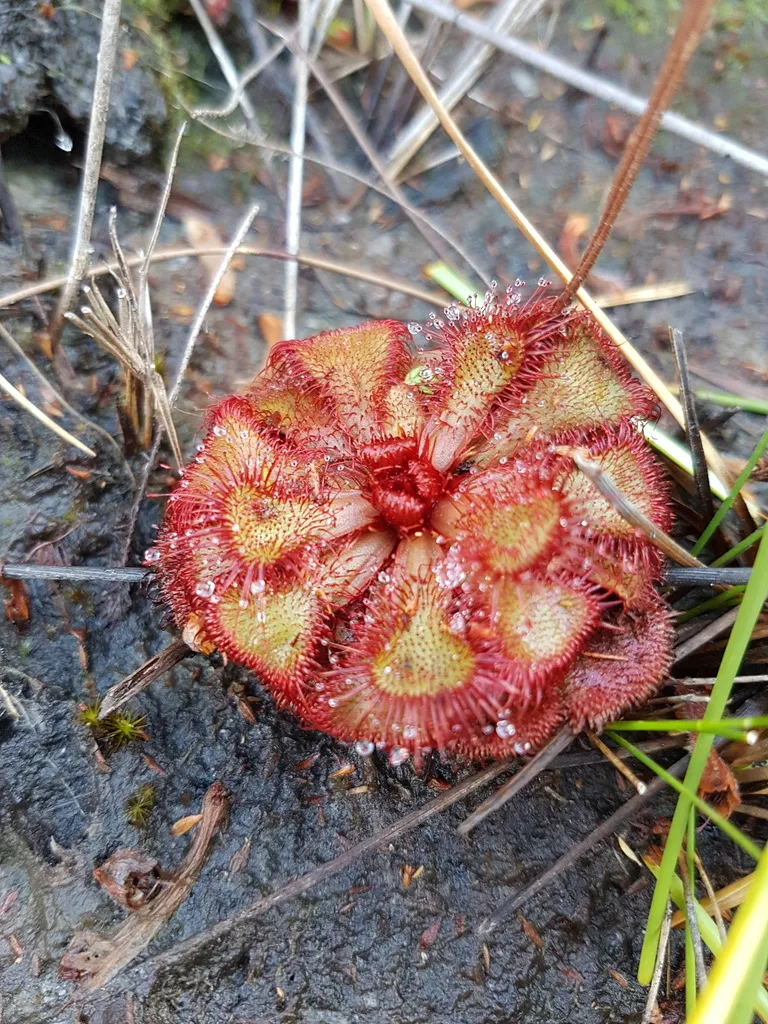
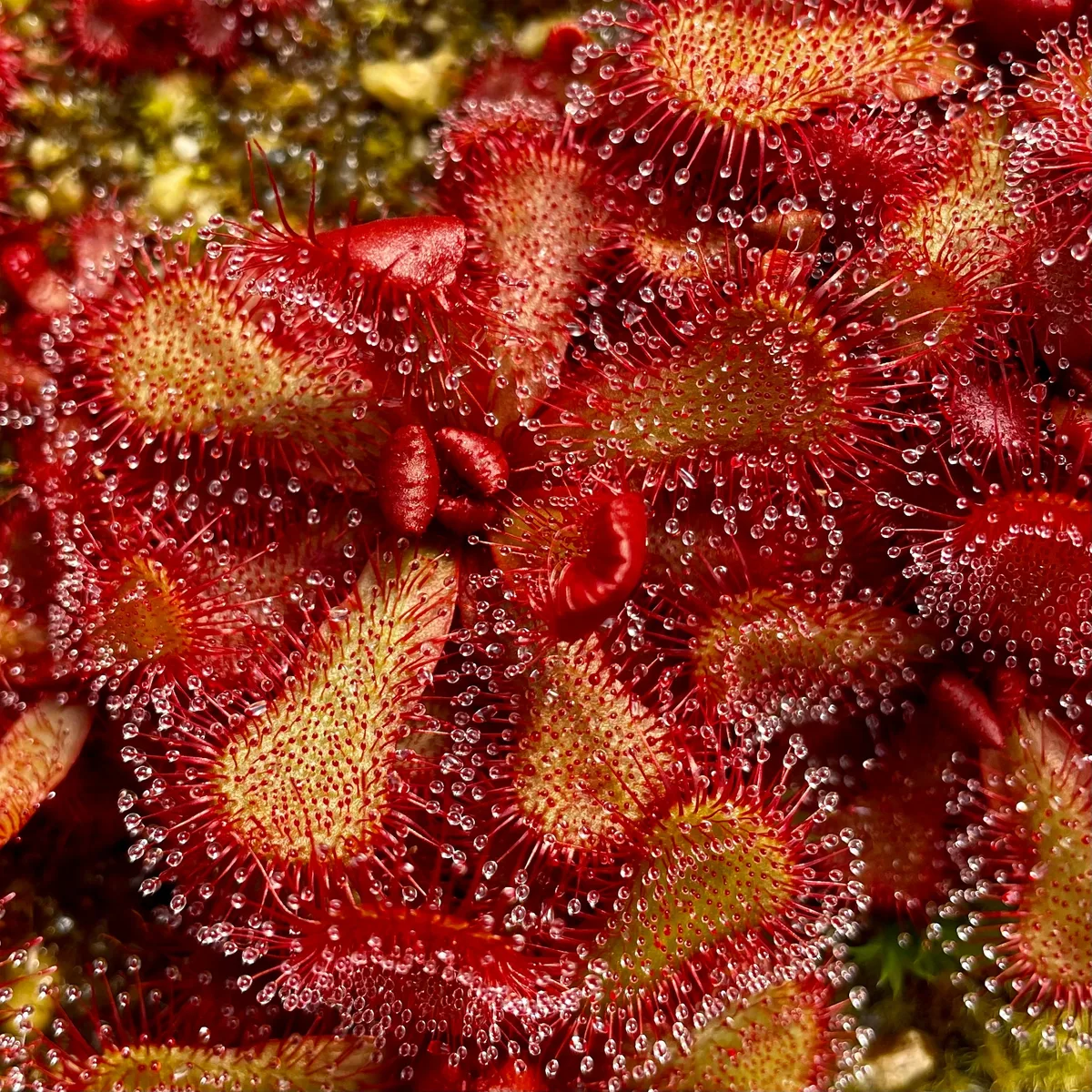
Drosera slackii is a perennial carnivorous plant, producing pandurate or guitar-shaped leaves, up to 4cm long on a short stem. Leaves are green assuming a reddish-hue in high light and covered with red, sticky, glandular hairs, which trap and digest insect prey. A single or rarely double inflorescence to 40cm (16in) in height is produced in spring bearing deep pink, single flowers, 5-6cm (2-2½in) across
Scientific classification
- Species
- Slack's sundew (Drosera slackii)
- Genus
- Drosera
- Family
- Droseraceae
- Information to be completed
- Toxicity
- Conservatory Greenhouse
- Plant type
- Up to 10 cm
- Height
- 0-0.1 metre
- Spread
- Evergreen
- Foliage
- Matforming
- Habit
- Spring · Summer · Autumn · Winter
- Season of interest
- Full sun
- Sunlight
- Information to be completed
- Ideal temperature









Slack's sundew pictures
Distribution of Slack's sundew
Distribution map
Information to be completed
Information to be completed
Culture
Information to be completed
Toxicity
Information to be completed
Quick identification of Slack's sundew
Information to be completed
Slack's sundew care guide
- Moderate regular watering, allowing brief slight drying between soakings
- Watering
- Full sun
- Sunlight
- Information to be completed
- Ideal temperature

Watering
Moderate regular watering, allowing brief slight drying between soakings
Fertilizing
 Fertilizing
Balanced perennial feed every four weeks from spring through summer
Pruning
 Pruning
none required
Propagation
 Propagation
Propagate by seed as soon as ripe. Stored seed rapidly loses viability. Leaf cuttings during the growing season and root cuttings taken when dormant are alternative methods of propagation
Growing
 Growing
Under glass grow in a mix of equal parts moss peat or fertiliser-free peat substitute and sand, in full light, although may need shading from hot midday sun in summer. The compost should be kept continually moist to wet during the growing season by standing the container in a tray of lime-free water, such as rainwater or Reverse Osmosis water. Keep just moist during the winter and do not stand the plants in water. Do not apply fertiliser at all through the year. Minimum temperatures should be no lower than 5C in the winter. In lower temperatures the plant may die back to the roots, but sometimes regenerates again in the spring.
People also ask
Information to be completed
Common pests and diseases
Diseases
Generally trouble free
Pests
Generally trouble free
Explore the plant health library →




