
ramsons
Also known as: bear's garlic; buckrams; gipsy onion; hog's garlic; ramsomes; wild garlic; wild leek; wood garlic
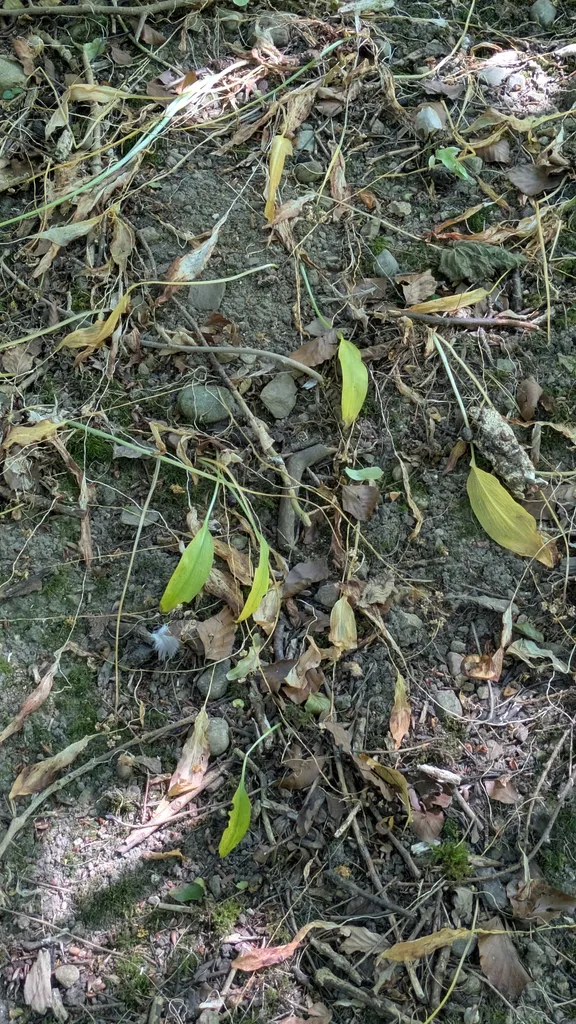
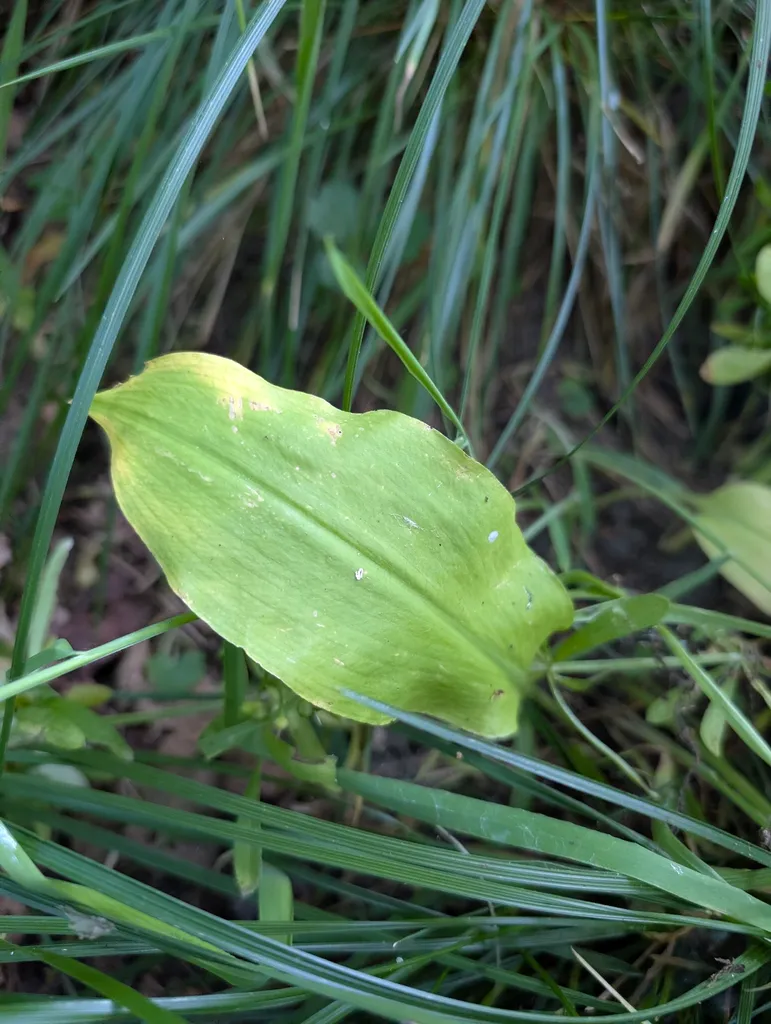
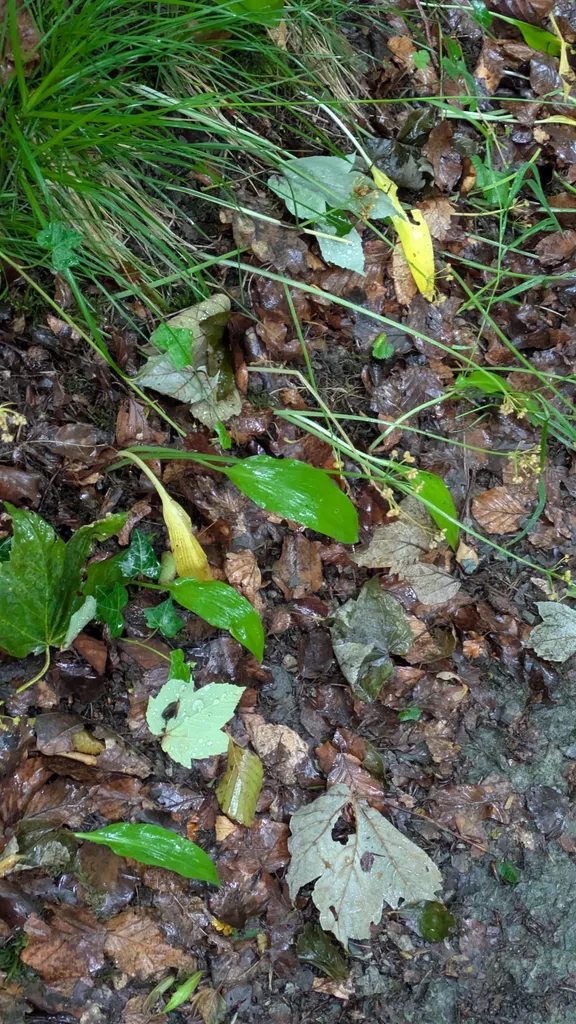
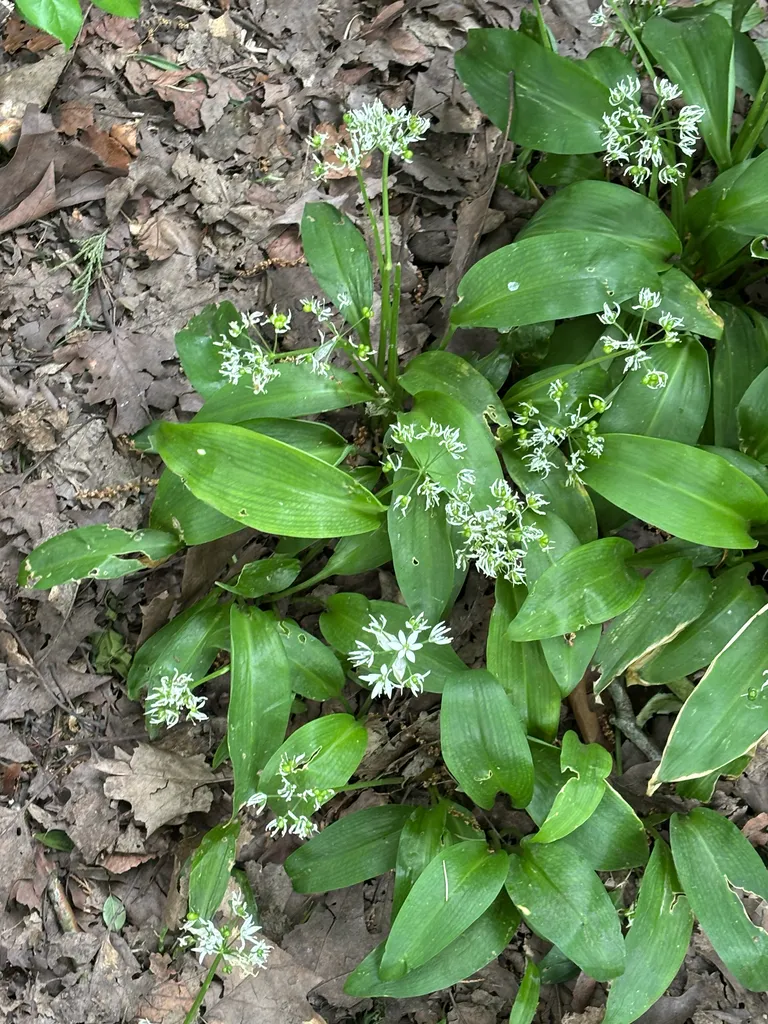
Vigorous, garlic-scented, bulbous perennial forming extensive colonies, with paired, elliptic leaves and erect stems bearing umbels of starry white flowers in late spring. Often naturalised in woodland, this attractive but rather weedy onion, native to Europe and Asia is occasionally cultivated intentionally but invariably becomes a nuisance, as it spreads freely by both bulbils and seeds
Scientific classification
- Species
- ramsons (Allium ursinum)
- Genus
- Allium
- Family
- Amaryllidaceae
- Information to be completed
- Toxicity
- Bulbs
- Plant type
- 0.1-0.5 metres
- Height
- 0.5-1 metres
- Spread
- Deciduous
- Foliage
- Clump forming
- Habit
- Spring · Summer
- Season of interest
- Full sun
- Sunlight
- Information to be completed
- Ideal temperature









ramsons pictures
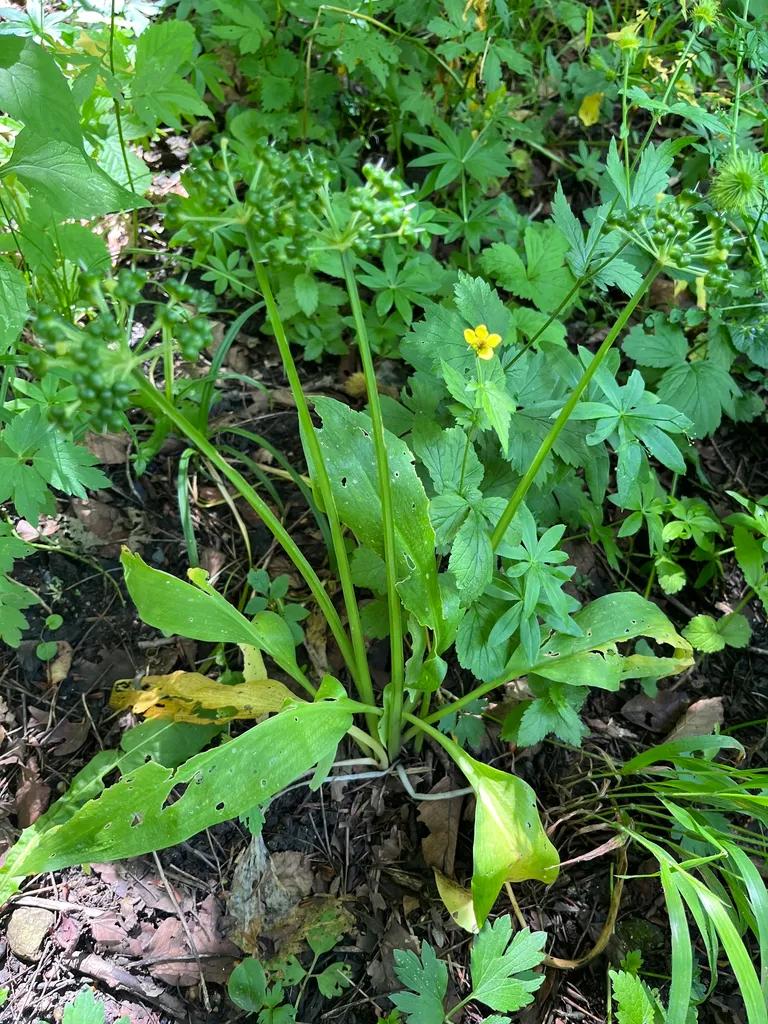
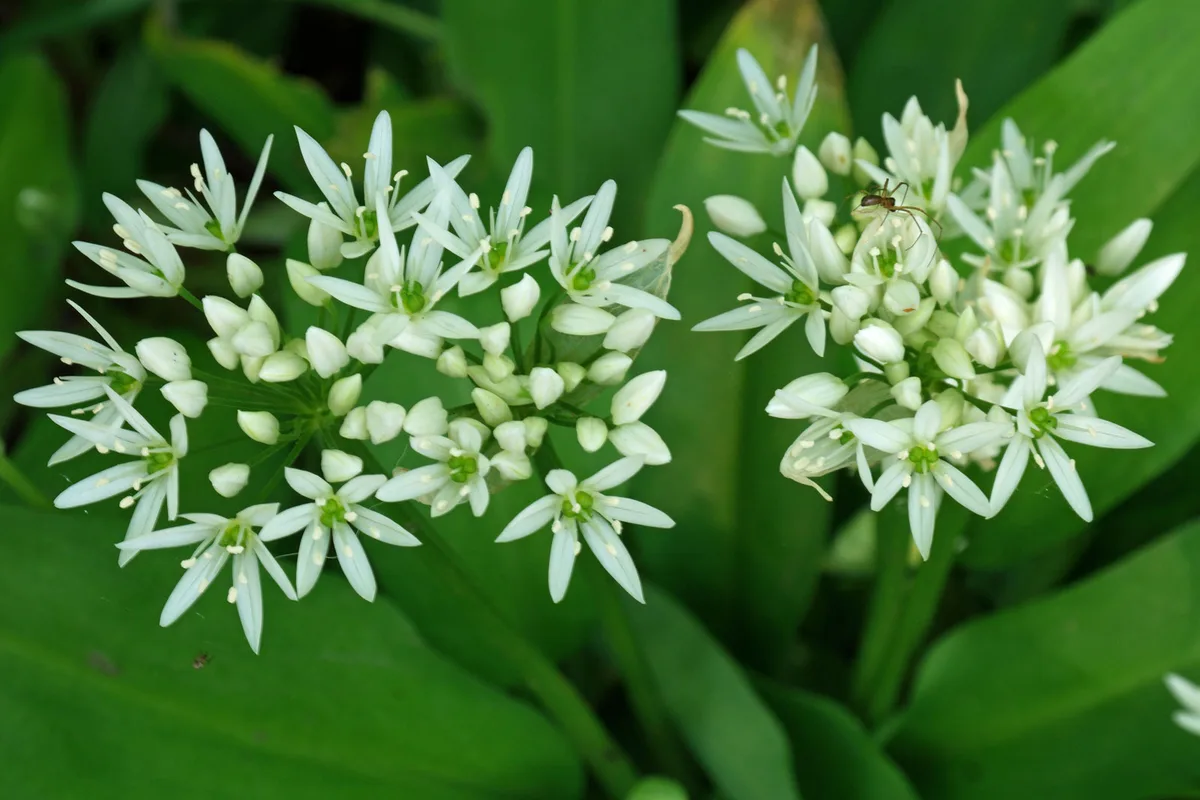
Distribution of ramsons
Distribution map
Europe, Russia
Information to be completed
Culture
Information to be completed
Toxicity
Information to be completed
Quick identification of ramsons
Information to be completed
ramsons care guide
- Moist soil during active growth, then reduce watering after foliage yellows
- Watering
- Full sun
- Sunlight
- Information to be completed
- Ideal temperature

Watering
Moist soil during active growth, then reduce watering after foliage yellows
Fertilizing
 Fertilizing
Light bulb fertilizer at emergence and again after flowering
Pruning
 Pruning
No pruning required
Propagation
 Propagation
Propagate by seed or division
Growing
 Growing
Easy to grow in fertile well-drained soil, but this species spreads easily and has the potential to become a nuisance see wild garlic control
People also ask
Information to be completed
Common pests and diseases
Diseases
Generally trouble-free: Onion white rot and a downy mildew may occur
Pests
Generally pest-free
Explore the plant health library →




