
Pleione bulbocodioides
Also known as: Information to be completed
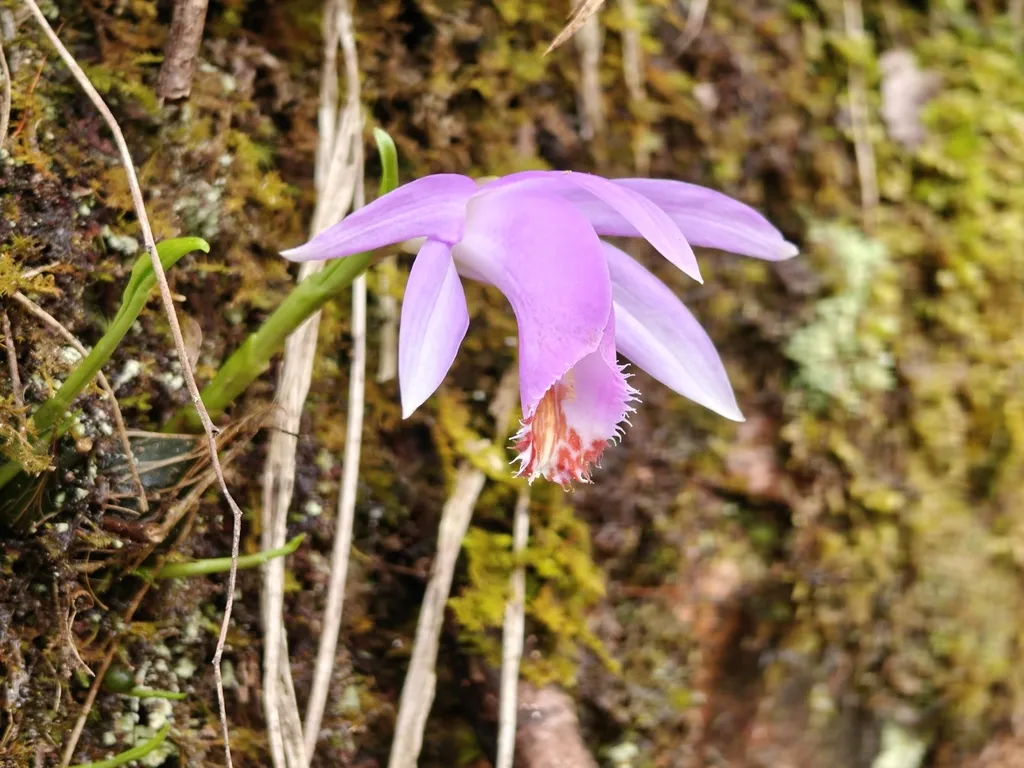
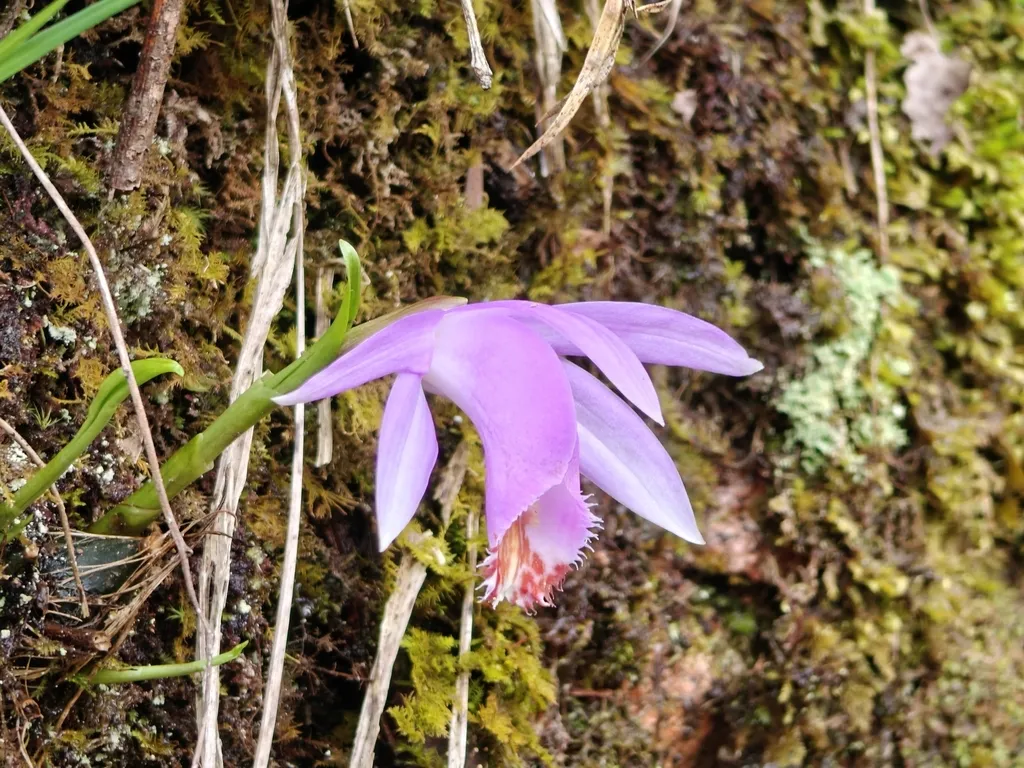
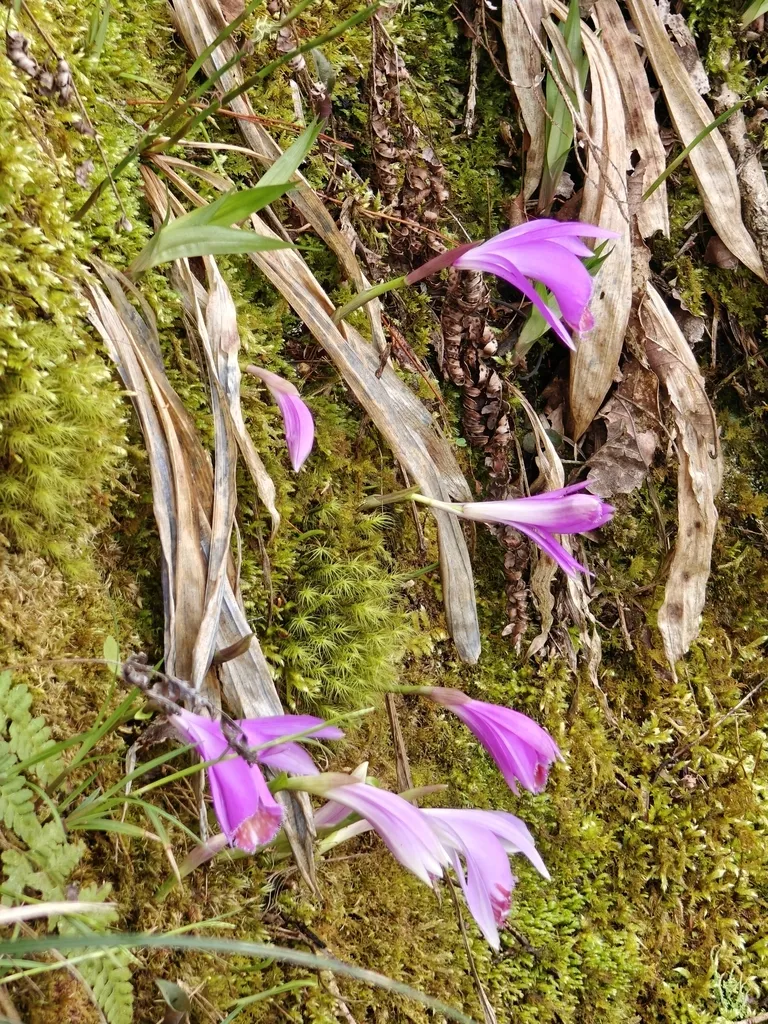
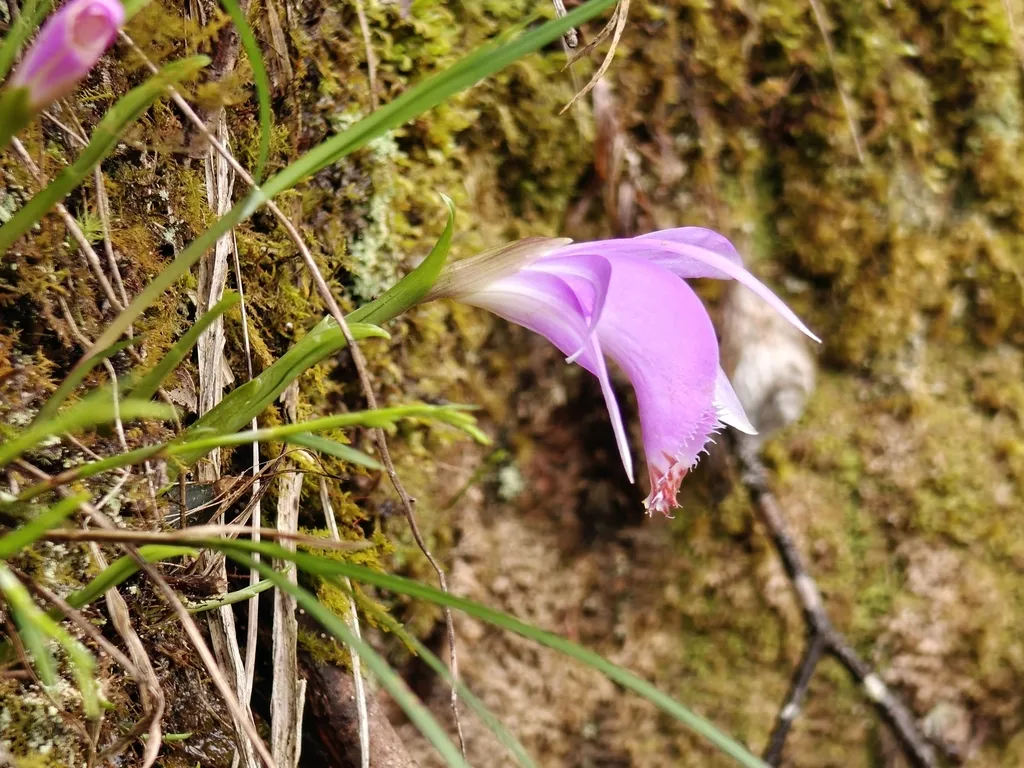
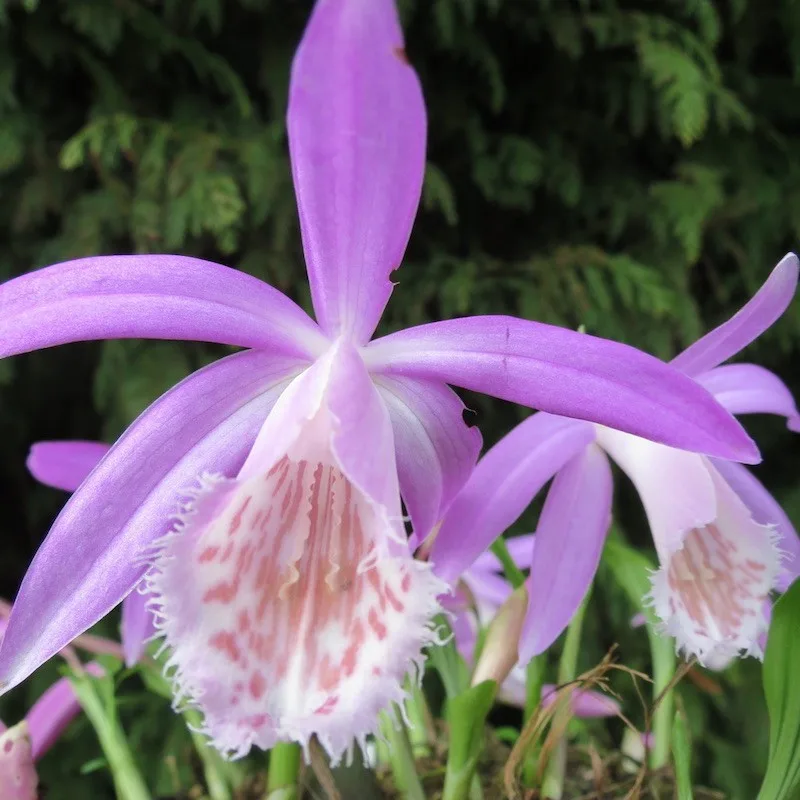
A small deciduous perennial to around 15cm high, producing round pseudobulbs, each with a single, folded, lance-shaped leaf to 14cm long. Solitary lilac-pink flowers, with white or pink lips spotted with pale brown or purple, are produced on short stems in spring
Scientific classification
- Species
- Pleione bulbocodioides (Pleione bulbocodioides)
- Genus
- Pleione
- Family
- Orchidaceae
- Order
- Asparagales
- Class
- Liliopsida
- Phylum
- Magnoliophyta
- Information to be completed
- Toxicity
- Alpine Rockery · Conservatory Greenhouse
- Plant type
- 0.1-0.5 metres
- Height
- 0.1-0.5 metres
- Spread
- Deciduous
- Foliage
- Clump forming
- Habit
- Spring · Summer
- Season of interest
- Partial shade
- Sunlight
- Information to be completed
- Ideal temperature









Pleione bulbocodioides pictures
Distribution of Pleione bulbocodioides
Distribution map
- Native
- Introduced
- Cultivated
Source:WCVP v16 · Royal Botanic Gardens, Kew · CC BY 3.0 · Boundaries:WGSRPD / TDWG
Pleione bulbocodioides care guide
- Keep medium lightly moist with excellent aeration
- Watering
- Partial shade
- Sunlight

Watering
Keep medium lightly moist with excellent aeration
Fertilizing
 Fertilizing
Half-strength orchid feed every few weeks in growth
Pruning
 Pruning
No pruning required
Propagation
 Propagation
Propagate by division of pseudobulbs
Growing
 Growing
May be grown outdoors in frost-free environment, or in a shallow container filled with orchid compost, indoors in a cool place in filtered light. Water lightly in spring when new growth appears, and freely in summer until leaves die down; keep dry over winter. Re-pot annually before flowering, discarding old pseudobulbs
Common pests and diseases
Diseases
Generally disease-free
Pests
May be susceptible to aphids, glasshouse red spider mite, slugs and mealybugs
Explore the plant health library →




