
imperial begonia
Also known as: Information to be completed
A spreading evergreen perennial with 10cm long, green leaves with silvery splashes along the veins and a bumpy upper surface covered in very fine hairs. Sprays of small, white flowers are sparsely produced in winter
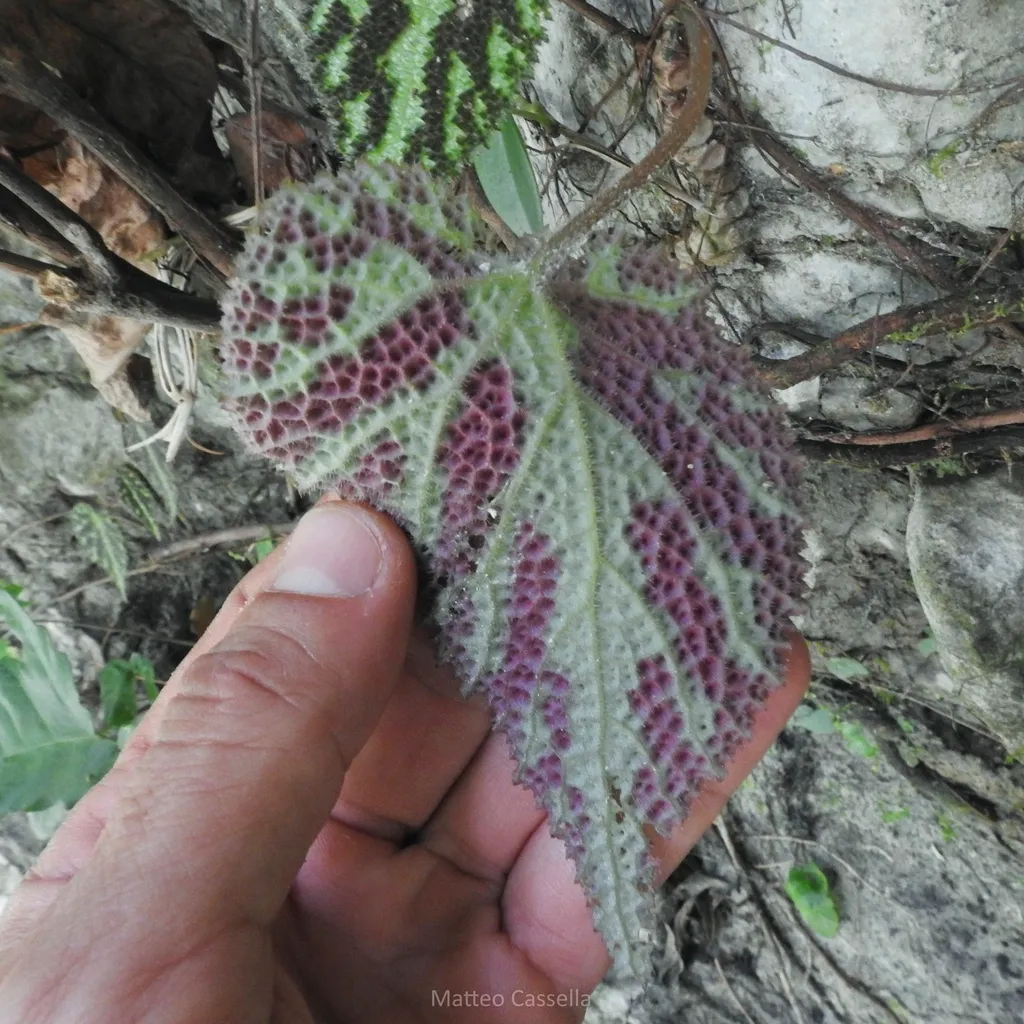
Scientific classification
- Species
- imperial begonia (Begonia imperialis)
- Genus
- Begonia
- Family
- Begoniaceae
- Order
- Cucurbitales
- Class
- Magnoliopsida
- Phylum
- Magnoliophyta
- Ornamental bulbs - not to be eaten. Wear gloves and other protective equipment when handling
- Toxicity
- Conservatory Greenhouse · Houseplants
- Plant type
- 0.1-0.5 metres
- Height
- 0.1-0.5 metres
- Spread
- Evergreen
- Foliage
- Clump forming
- Habit
- Spring · Summer · Autumn · Winter
- Season of interest
- Partial shade
- Sunlight
- Information to be completed
- Ideal temperature









imperial begonia pictures
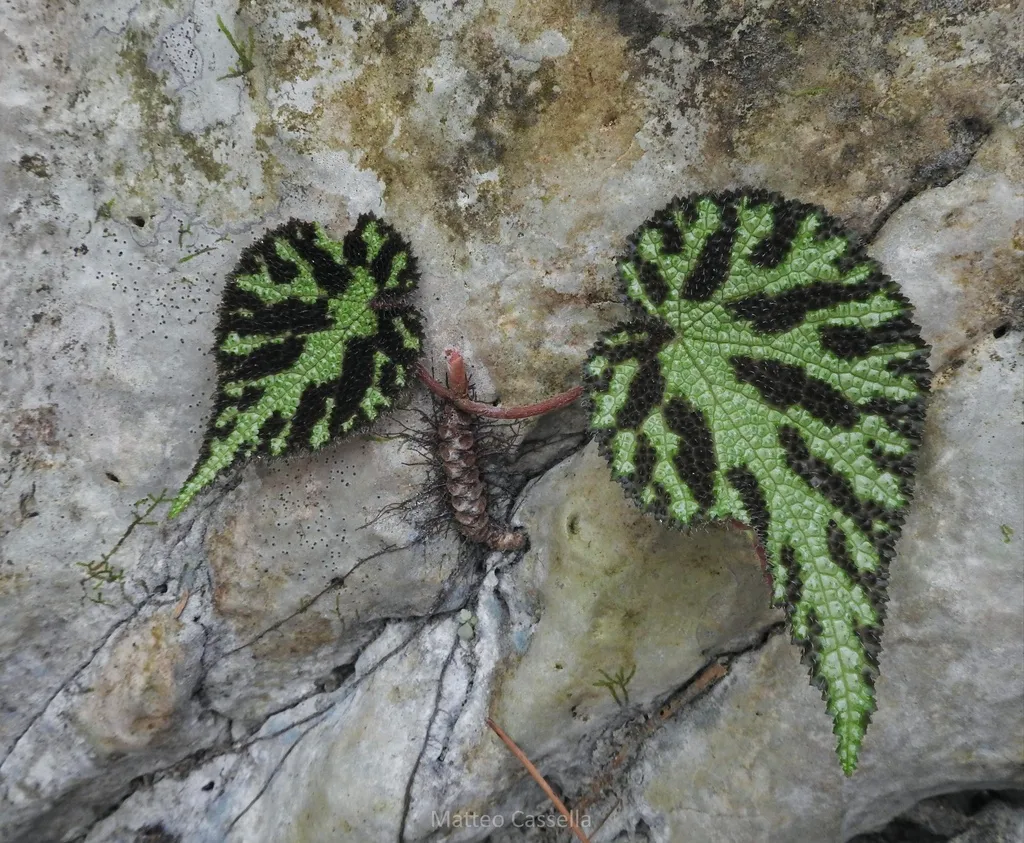
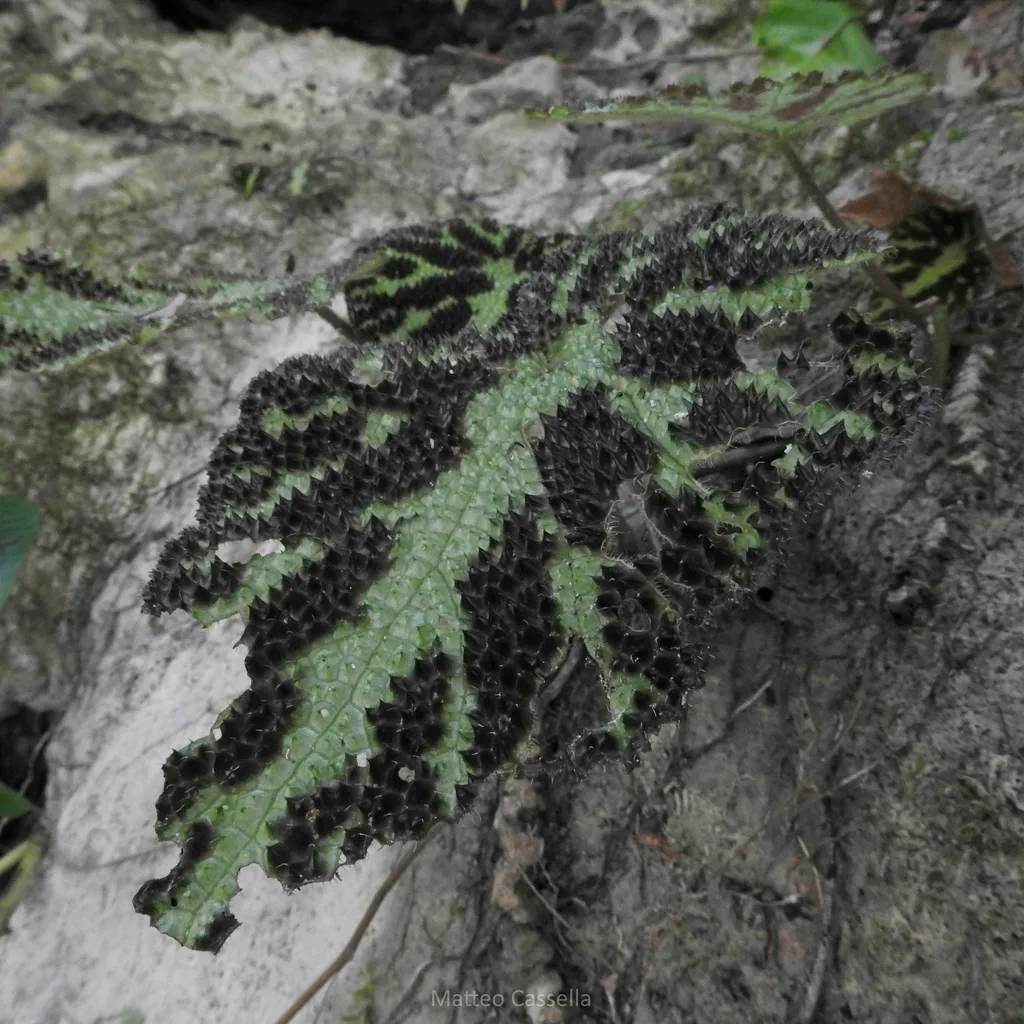
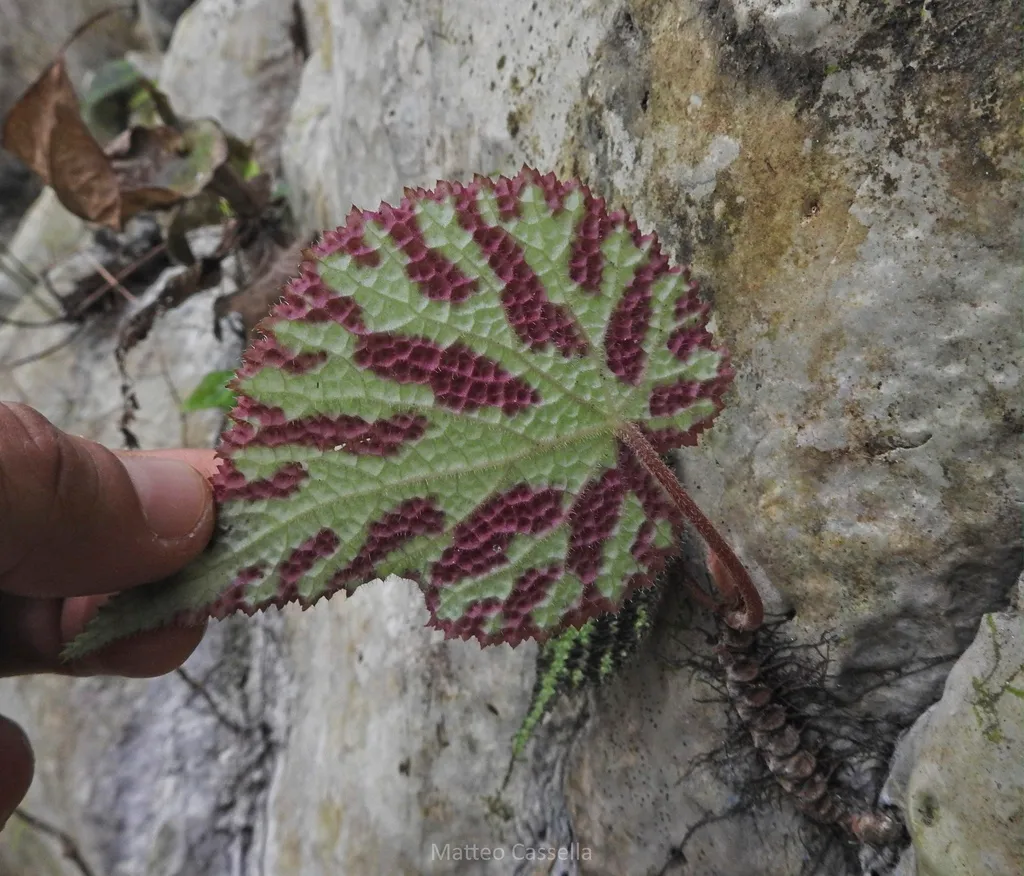
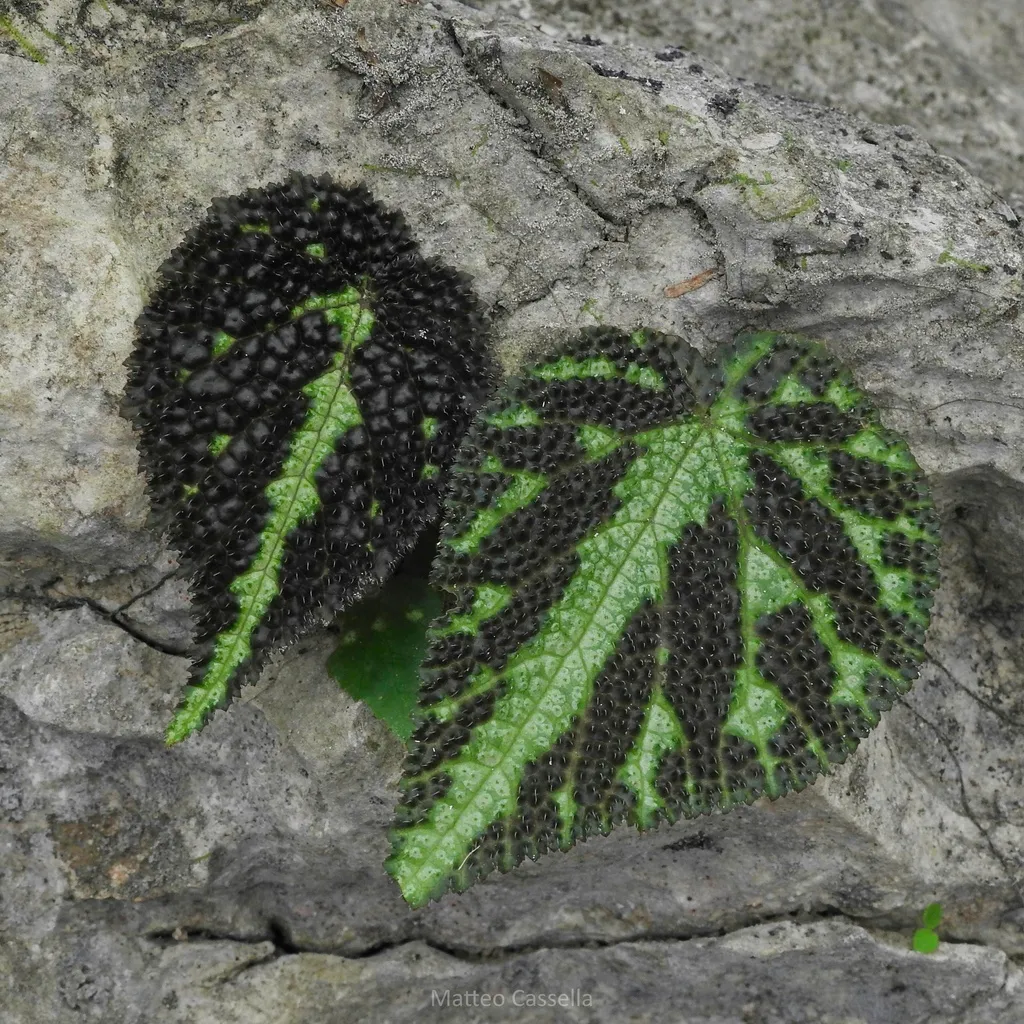
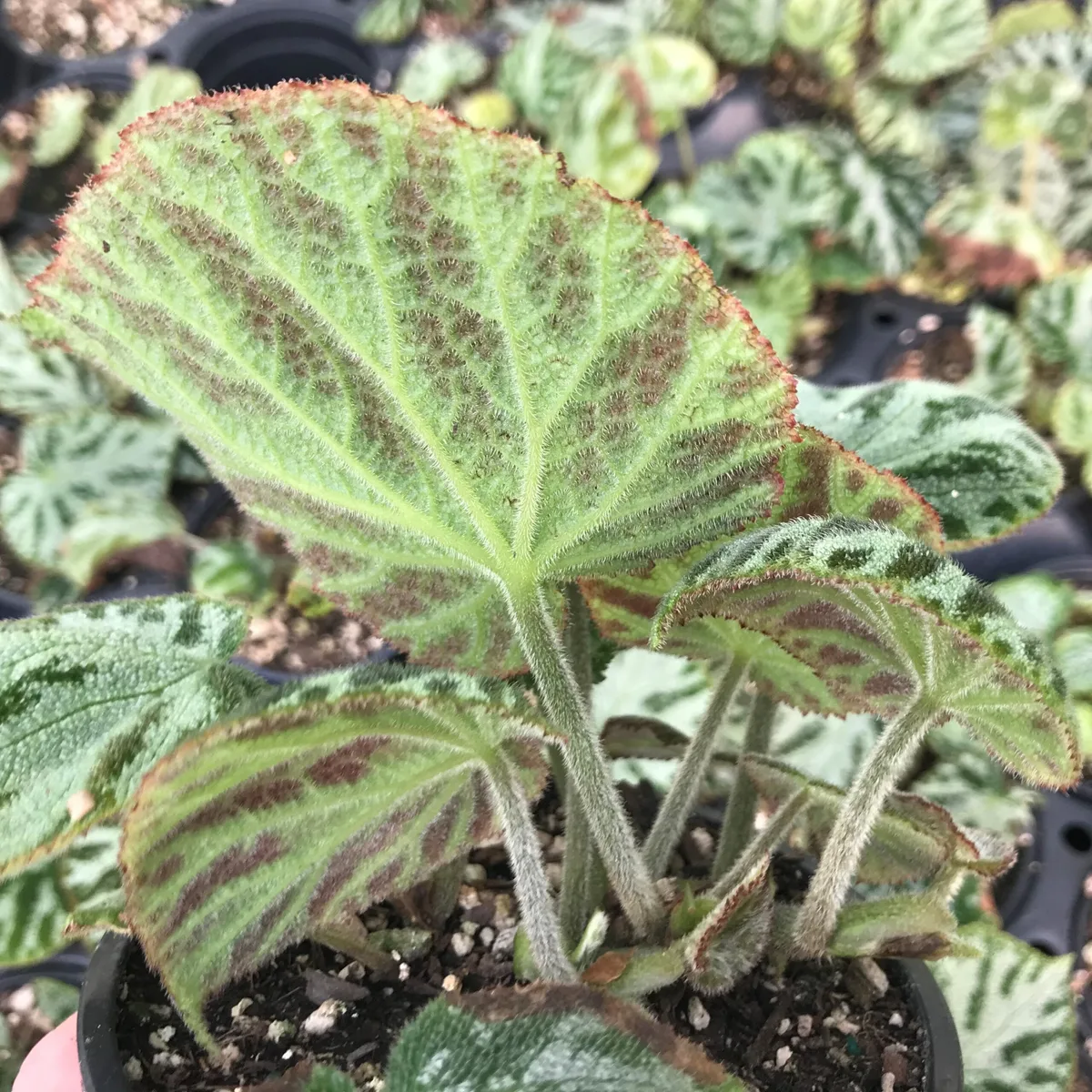
Distribution of imperial begonia
Distribution map
- Native
- Introduced
- Cultivated
Source:WCVP v16 · Royal Botanic Gardens, Kew · CC BY 3.0 · Boundaries:WGSRPD / TDWG
Toxicity
Ornamental bulbs - not to be eaten. Wear gloves and other protective equipment when handling
imperial begonia care guide
- Keep compost evenly moist with bright filtered light
- Watering
- Partial shade
- Sunlight

Watering
Keep compost evenly moist with bright filtered light
Fertilizing
 Fertilizing
Weak balanced feed every few weeks in growth season
Pruning
 Pruning
No pruning required
Propagation
 Propagation
Propagate by seed, leaf cuttings or sections of rhizome
Growing
 Growing
Grow under glass or in frost-free enviroment. Mainly grown for foliage. See Begonias: houseplants for further advice.
Common pests and diseases
Diseases
May be susceptible to grey moulds, powdery mildews, stem rot and rhizome rot
Pests
May be susceptible to caterpillars, mealy bugs, mites, glasshouse thrips, vine weevil and aphids
Explore the plant health library →




