
Chinese rhubarb
Also known as: ornamental rhubarb; palmate rhubarb; Turkey rhubarb; Turkish rhubarb
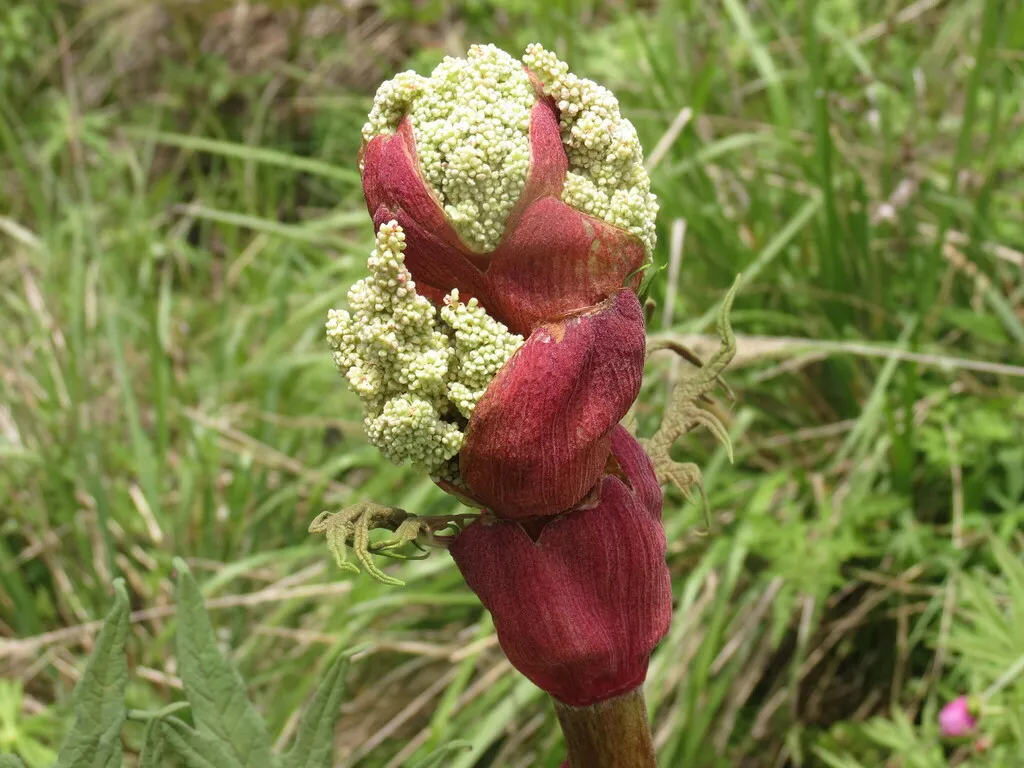
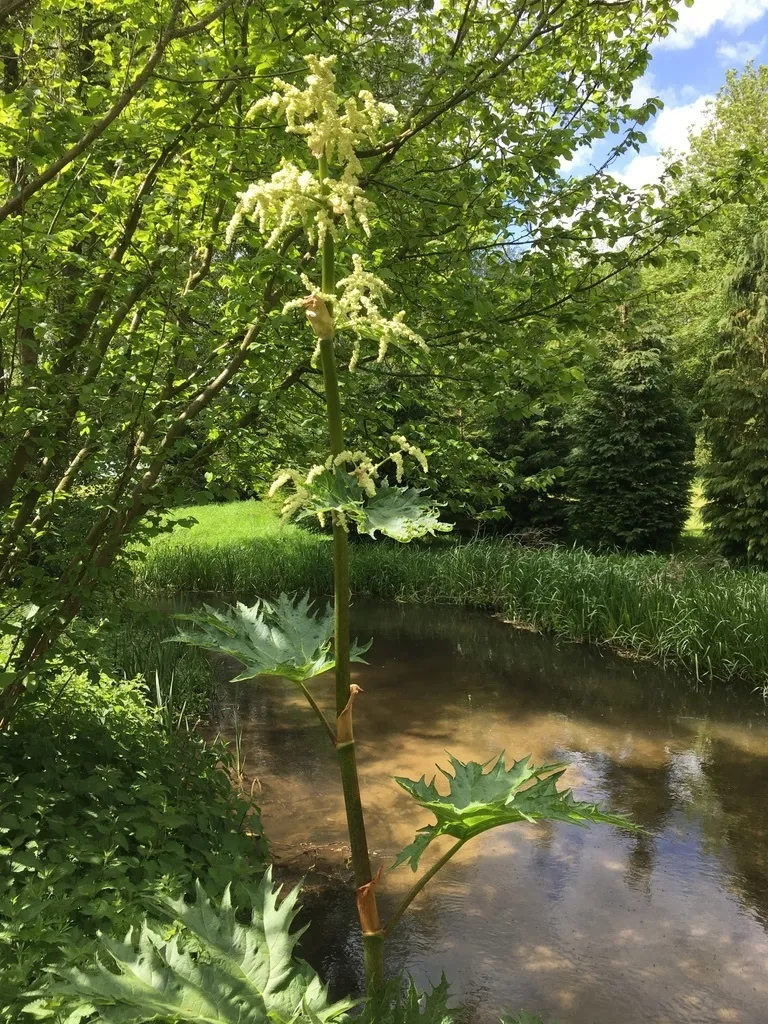
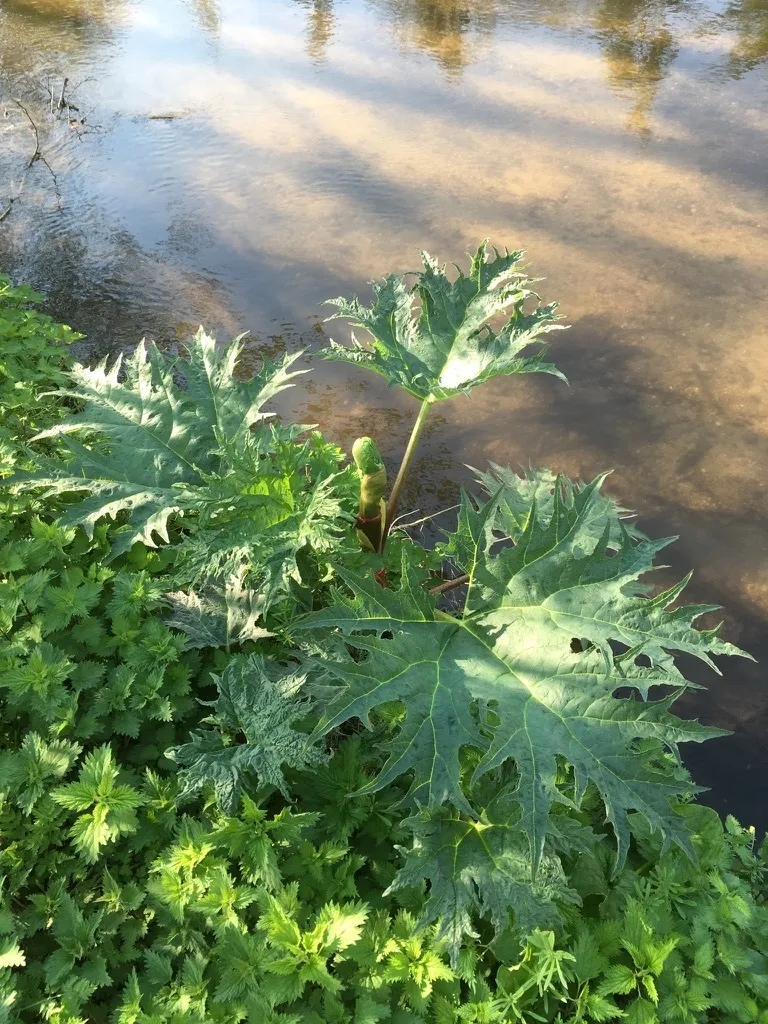
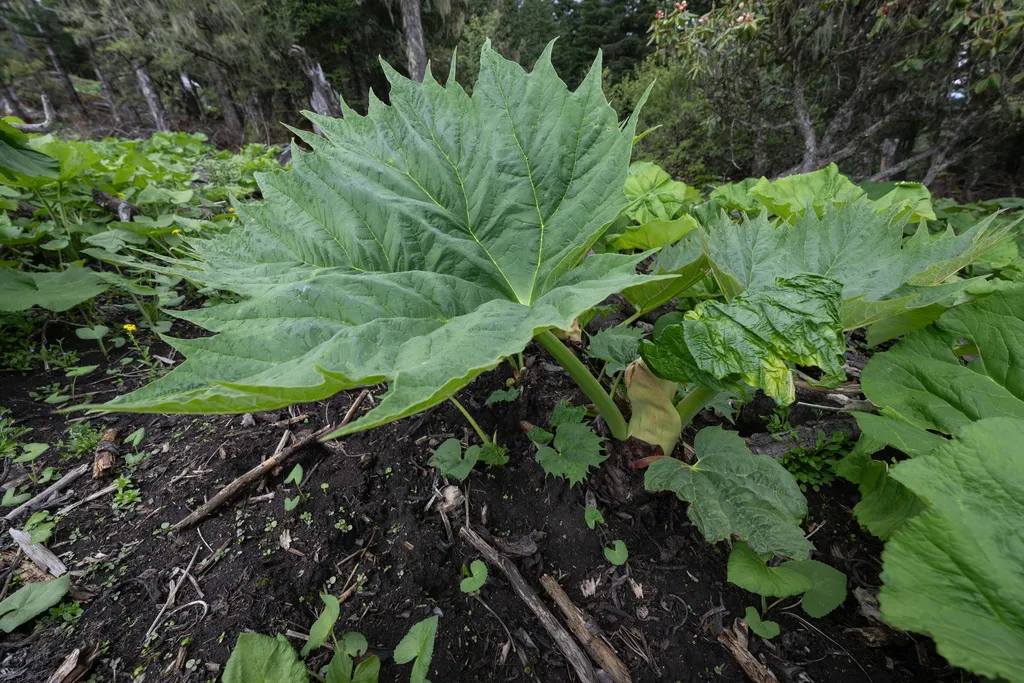
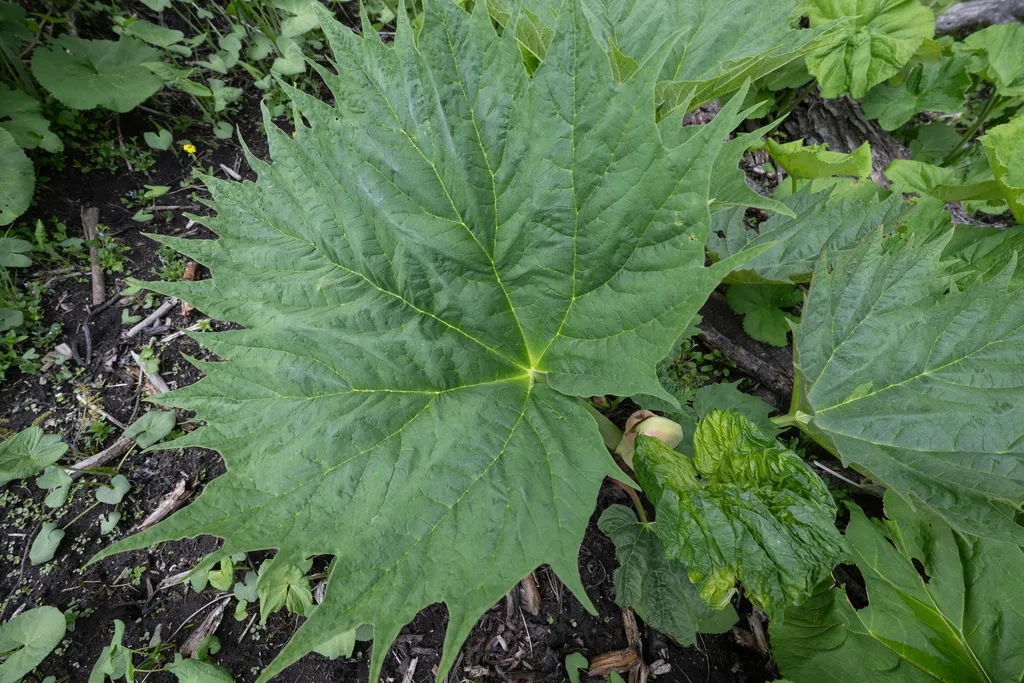
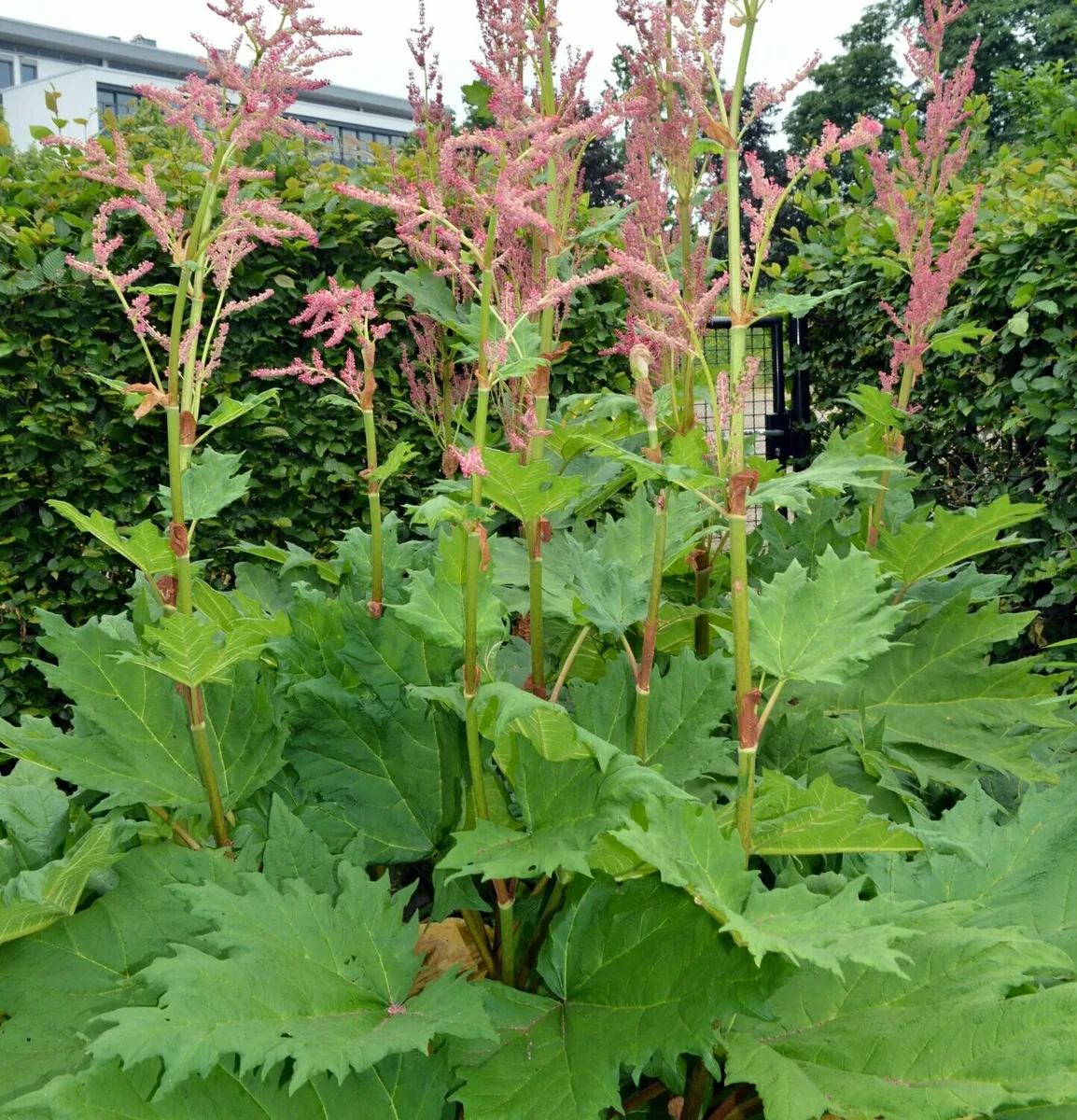
R. palmatum is a clump-forming perennial. With large, lobed leaves up to 75cm long and panicles of pink or creamy-white flowers that rise on 2m long stems in early Summer, this ornamental rhubarb is an architectural plant that demands space
Scientific classification
- Species
- Chinese rhubarb (Rheum palmatum)
- Genus
- Rheum
- Family
- Polygonaceae
- Order
- Caryophyllales
- Class
- Magnoliopsida
- Phylum
- Magnoliophyta
- Harmful if eaten. Wear gloves and other protective equipment when handling LJD
- Toxicity
- Herbaceous Perennial
- Plant type
- 1.5-2.5 metres
- Height
- 1.5-2.5 metres
- Spread
- Deciduous
- Foliage
- Columnar upright
- Habit
- Spring · Summer · Autumn
- Season of interest
- Full sun · Partial shade
- Sunlight
- Information to be completed
- Ideal temperature









Chinese rhubarb pictures
Distribution of Chinese rhubarb
Distribution map
- Native
- Introduced
- Cultivated
Source:WCVP v16 · Royal Botanic Gardens, Kew · CC BY 3.0 · Boundaries:WGSRPD / TDWG
Toxicity
Harmful if eaten. Wear gloves and other protective equipment when handling LJD
Chinese rhubarb care guide
- Consistently damp rich soil, maintain hydration during large leaf expansion
- Watering
- Full sun · Partial shade
- Sunlight

Watering
Consistently damp rich soil, maintain hydration during large leaf expansion
Fertilizing
 Fertilizing
Diluted high-nitrogen feed every three weeks spring and summer months
Pruning
 Pruning
Deadhead spikes after flowering
Propagation
 Propagation
Propagate by seed or division in Spring
Growing
 Growing
Requires a fertile, moisture-retentive soil. Mulch in winter to help retain moisture
Common pests and diseases
Diseases
Generally disease-free
Pests
May be susceptible to slugs and aphids
Explore the plant health library →




