
bluebell
Also known as: bell bottle; bluebottle; calver keys; common English bluebell; cover keys; crake feet; crow bells; crow leek; cuckooflower; culver keys; dog leek; dog's leek; English bluebell; fairy flower; harebell; single gussies; spreading bluebell; squill; wild hyacinth; wood bells
H. non-scripta is a vigorous perennial with linear leaves and erect stems bearing arching racemes of fragrant, narrowly tubular, violet-blue, or occasionally white, flowers in spring
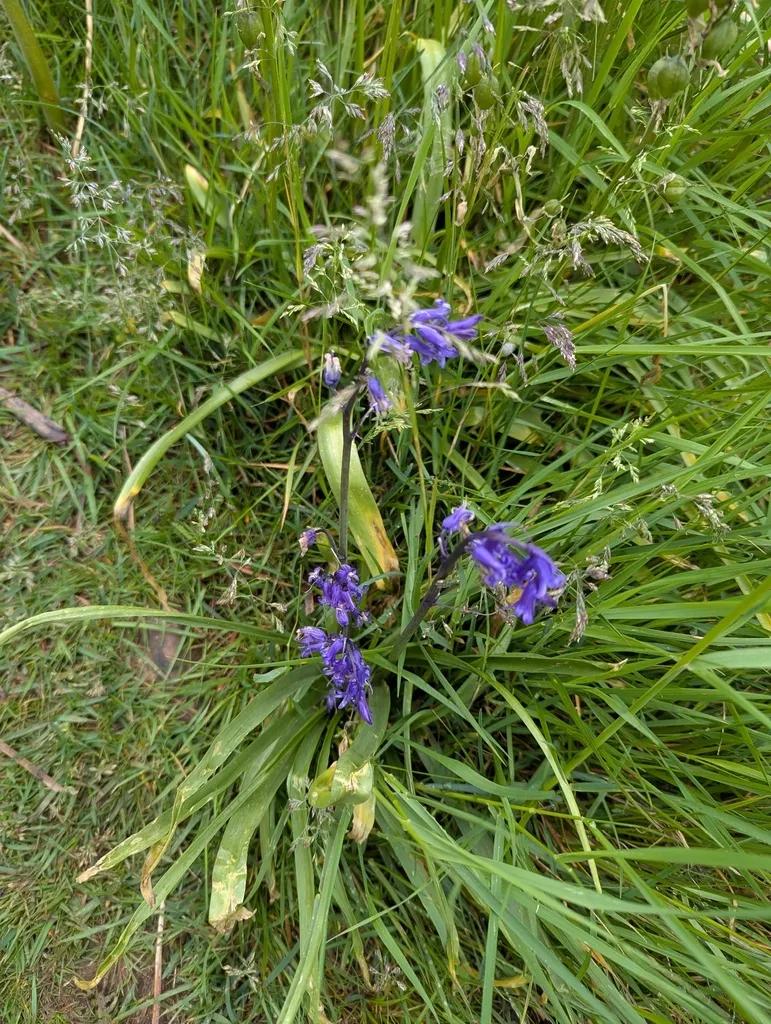
Scientific classification
- Species
- bluebell (Hyacinthoides non-scripta)
- Genus
- Hyacinthoides
- Family
- Asparagaceae
- Harmful if eaten. Wear gloves and other protective equipment when handling
- Toxicity
- Bulbs
- Plant type
- 0.1-0.5 metres
- Height
- 0-0.1 metre
- Spread
- Deciduous
- Foliage
- Tufted
- Habit
- Spring · Summer
- Season of interest
- Partial shade
- Sunlight
- Information to be completed
- Ideal temperature









bluebell pictures
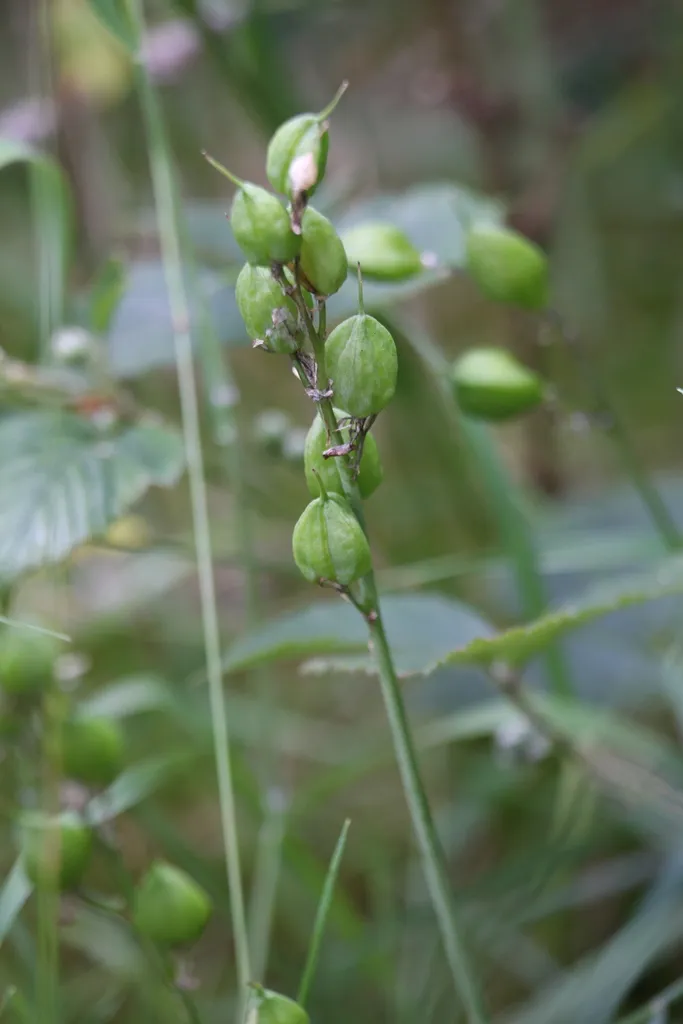
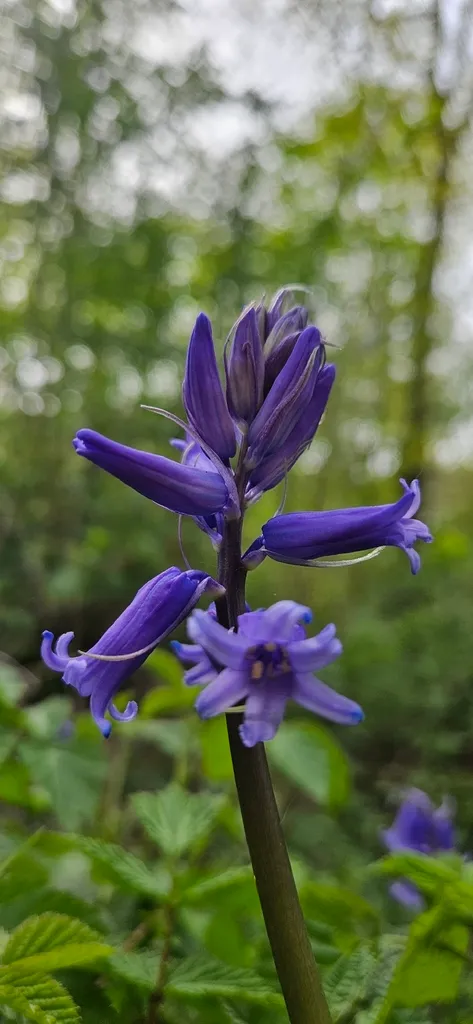
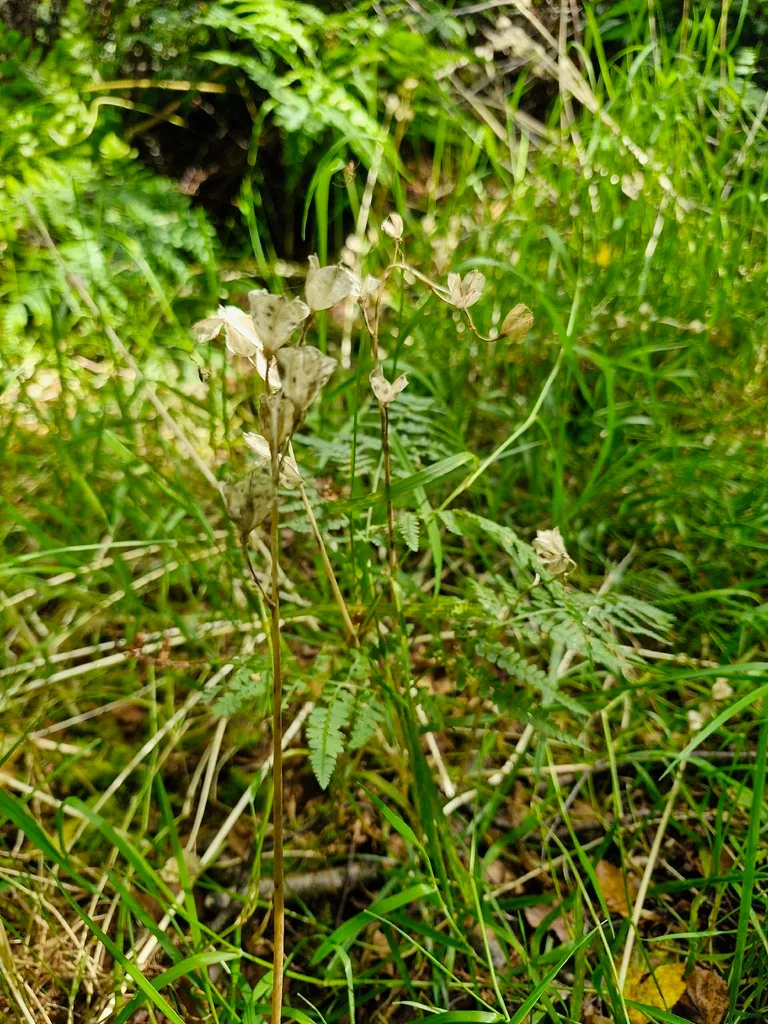
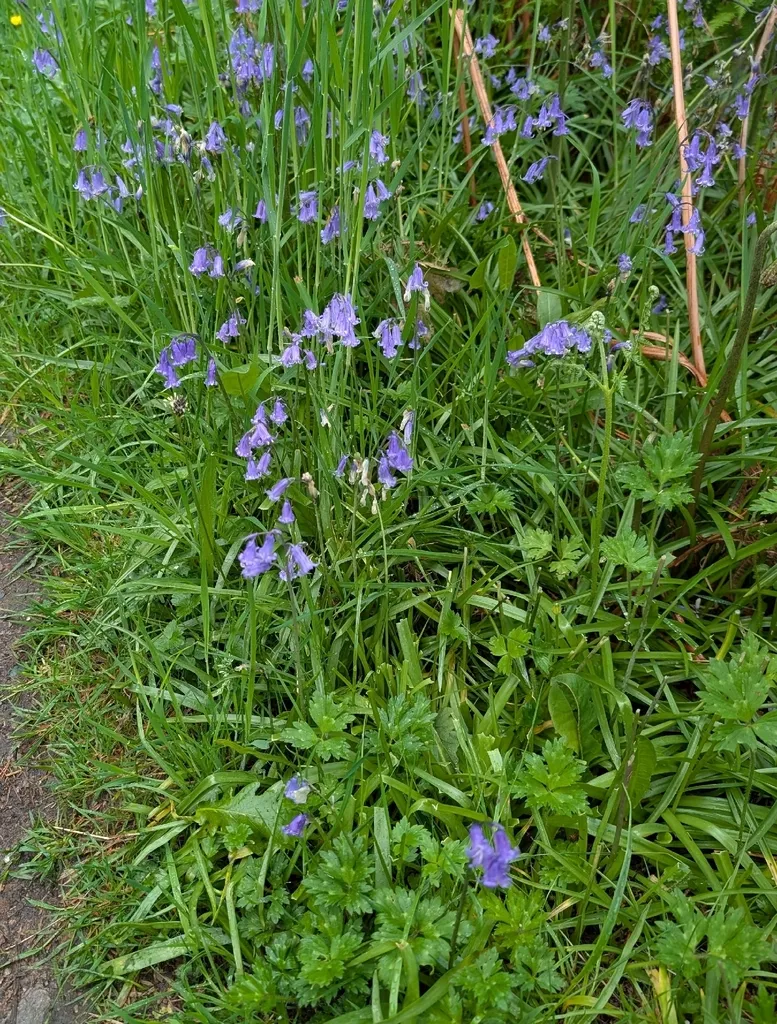
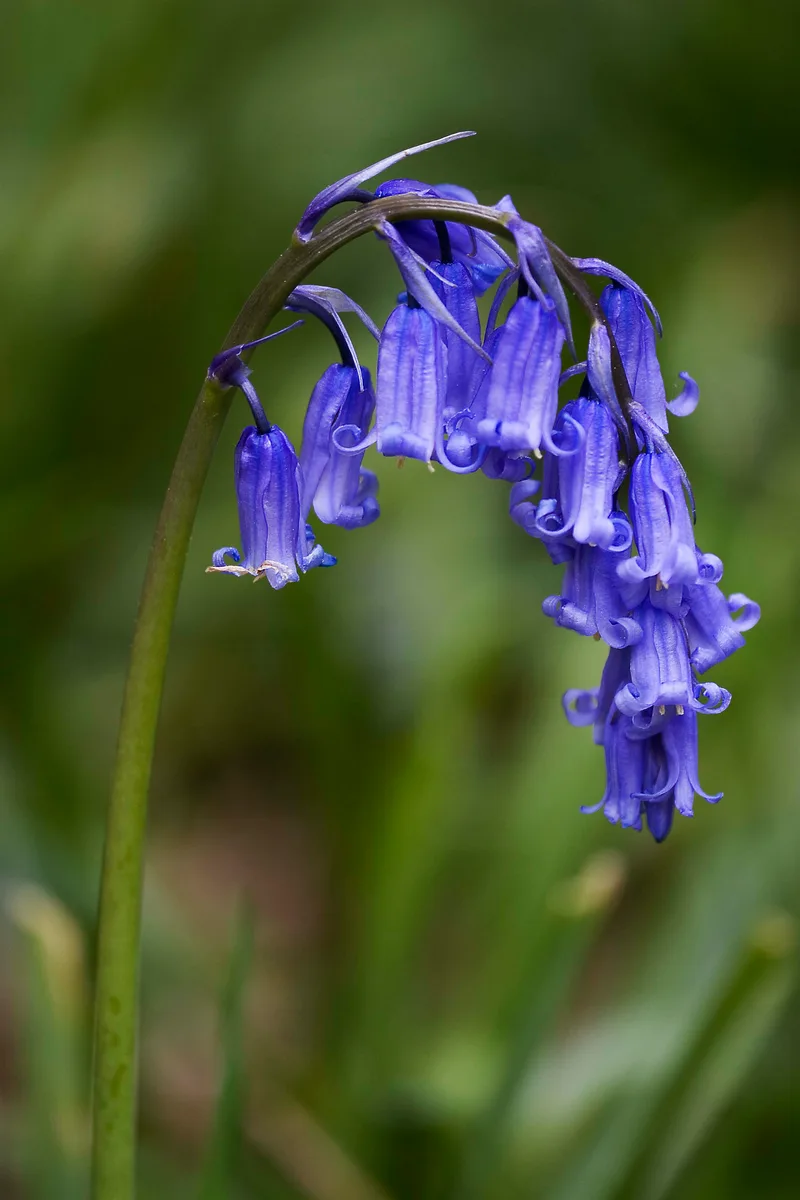
Distribution of bluebell
Distribution map
Western Europe
Information to be completed
Culture
Information to be completed
Toxicity
Harmful if eaten. Wear gloves and other protective equipment when handling
Quick identification of bluebell
Information to be completed
bluebell care guide
- Moderate regular watering, avoid prolonged drought or waterlogging
- Watering
- Partial shade
- Sunlight
- Information to be completed
- Ideal temperature

Watering
Moderate regular watering, avoid prolonged drought or waterlogging
Fertilizing
 Fertilizing
Balanced feed in spring and light repeat in growth season
Pruning
 Pruning
No pruning required
Propagation
 Propagation
Propagate by seed, sown in pots in a cold frame when ripe, keep shaded and do not allow to dry out. Alternatively remove offsets in summer
Growing
 Growing
Plant 8cm deep in autumn in moderately fertile, humus-rich, well-drained soil that does not dry out
People also ask
Information to be completed
Common pests and diseases
Diseases
Generally disease free
Pests
Generally pest-free
Explore the plant health library →




