
Crataegus monogyna 'Compacta'
Also known as: Information to be completed
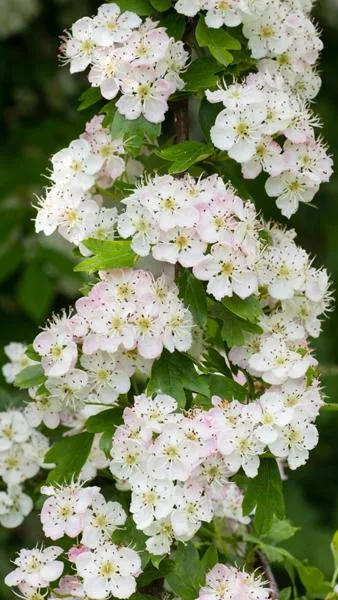
A smaller form of hawthorn, reaching only around 2.5m high, and without thorns. This deciduous shrub has an upright habit and glossy dark green leaves, and produces fragrant, creamy white flowers in spring and dark red berries in autumn and winter. A good choice for dense hedging and for smaller gardens
Scientific classification
- Species
- Crataegus monogyna 'Compacta' (Crataegus monogyna 'Compacta')
- Genus
- Crataegus
- Family
- Rosaceae
- Fruit are ornamental - not to be eaten. Wear gloves and other protective equipment when handling
- Toxicity
- Shrubs
- Plant type
- 1.5-2.5 metres
- Height
- 1.5-2.5 metres
- Spread
- Deciduous
- Foliage
- Bushy
- Habit
- Autumn · Spring · Summer
- Season of interest
- Full sun · Partial shade
- Sunlight
- Information to be completed
- Ideal temperature









Crataegus monogyna 'Compacta' pictures
Distribution of Crataegus monogyna 'Compacta'
Distribution map
Information to be completed
Information to be completed
Culture
Information to be completed
Toxicity
Fruit are ornamental - not to be eaten. Wear gloves and other protective equipment when handling
Quick identification of Crataegus monogyna 'Compacta'
Information to be completed
Crataegus monogyna 'Compacta' care guide
- Deep watering in dry heat, natural rainfall sufficient once shrub established well
- Watering
- Full sun · Partial shade
- Sunlight
- Information to be completed
- Ideal temperature

Watering
Deep watering in dry heat, natural rainfall sufficient once shrub established well
Fertilizing
 Fertilizing
Organic compost dressing applied one single time each early spring year
Pruning
 Pruning
Little pruning is needed. Remove diseased, damaged, crowded or crossing shoots and unwanted growth. Timing depends on the plant: generally late winter or early spring; plants prone to bleeding and deciduous magnolias need different timing, and deciduous azaleas and lilacs are pruned after flowering.
Propagation
 Propagation
Propagate by grafting in winter
Growing
 Growing
Grow in any (not waterlogged) soil in full sun or part shade. Useful specimen trees for town, coastal or exposed gardens. See hawthorn cultivation for further advice
People also ask
Information to be completed
Common pests and diseases
Diseases
May be susceptible to fireblight, honey fungus, crown gall, silver leaf, Powdery mildews and leaf spots
Pests
May be susceptible to caterpillars, aphids and gall mites
Explore the plant health library →




