
perforate St John's wort
Also known as: cammock; common St John's wort; devil chaser; devil's flight; devil's scourge; God's wonder plant; herb John; human blood; Klamath weed; penny John; rosin rose; St Columba's flower
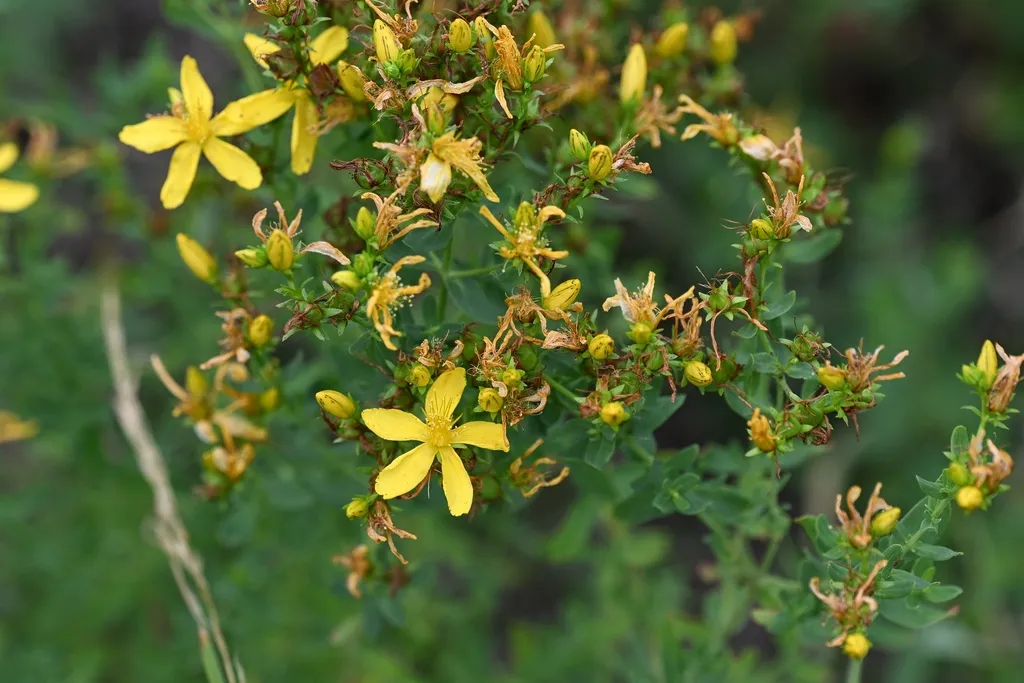
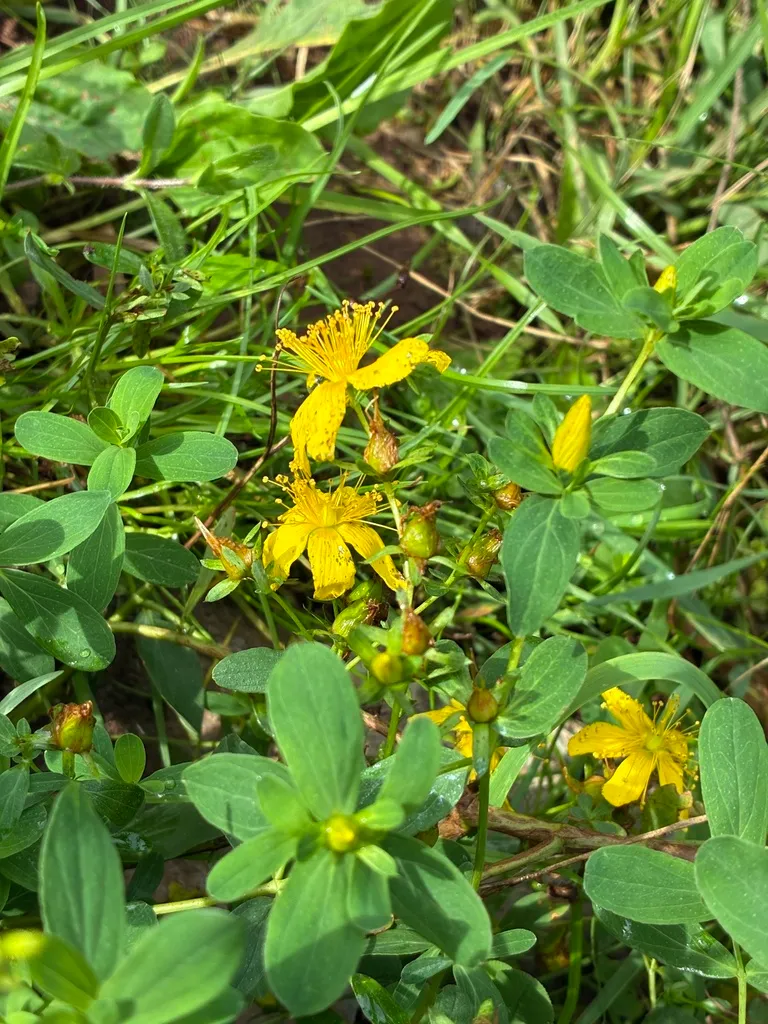
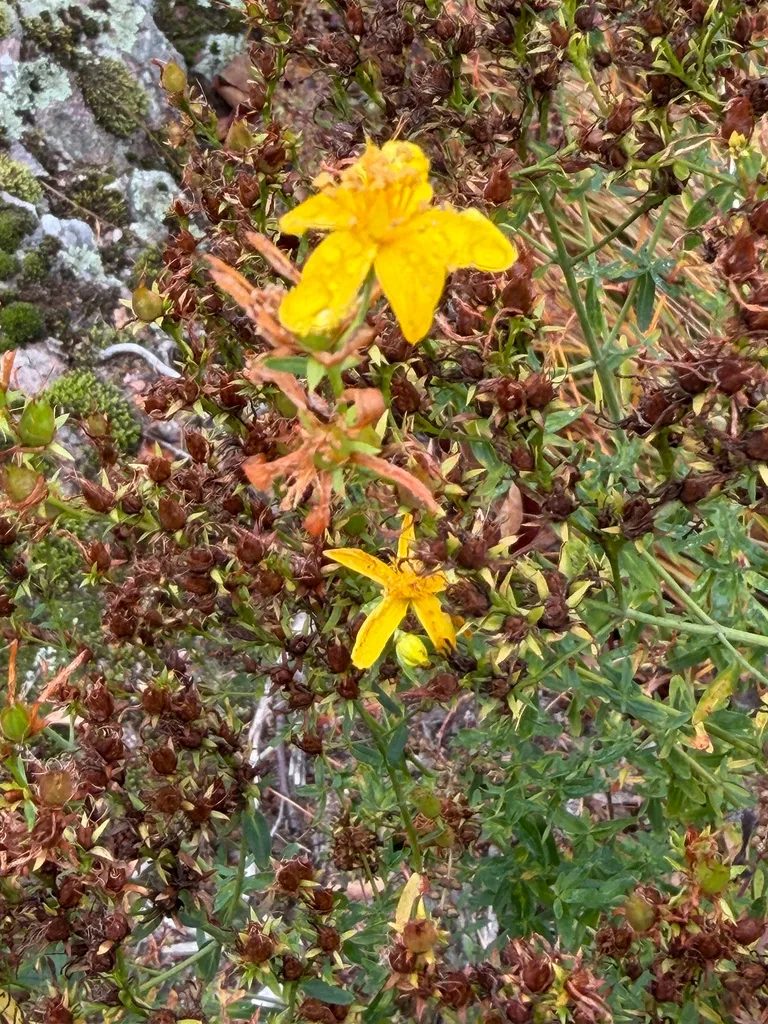
H. perforatum is an upright perennial with small, ovate leaves and terminal clusters of star-shaped yellow flowers 1.5cm across
Scientific classification
- Species
- perforate St John's wort (Hypericum perforatum)
- Genus
- Hypericum
- Family
- Hypericaceae
- Fruit are ornamental - not to be eaten. Wear gloves and other protective equipment when handling
- Toxicity
- Herbaceous Perennial
- Plant type
- 0.5-1 metres
- Height
- 0.1-0.5 metres
- Spread
- Deciduous
- Foliage
- Bushy
- Habit
- Spring · Summer · Autumn
- Season of interest
- Full sun · Partial shade
- Sunlight
- Information to be completed
- Ideal temperature









perforate St John's wort pictures
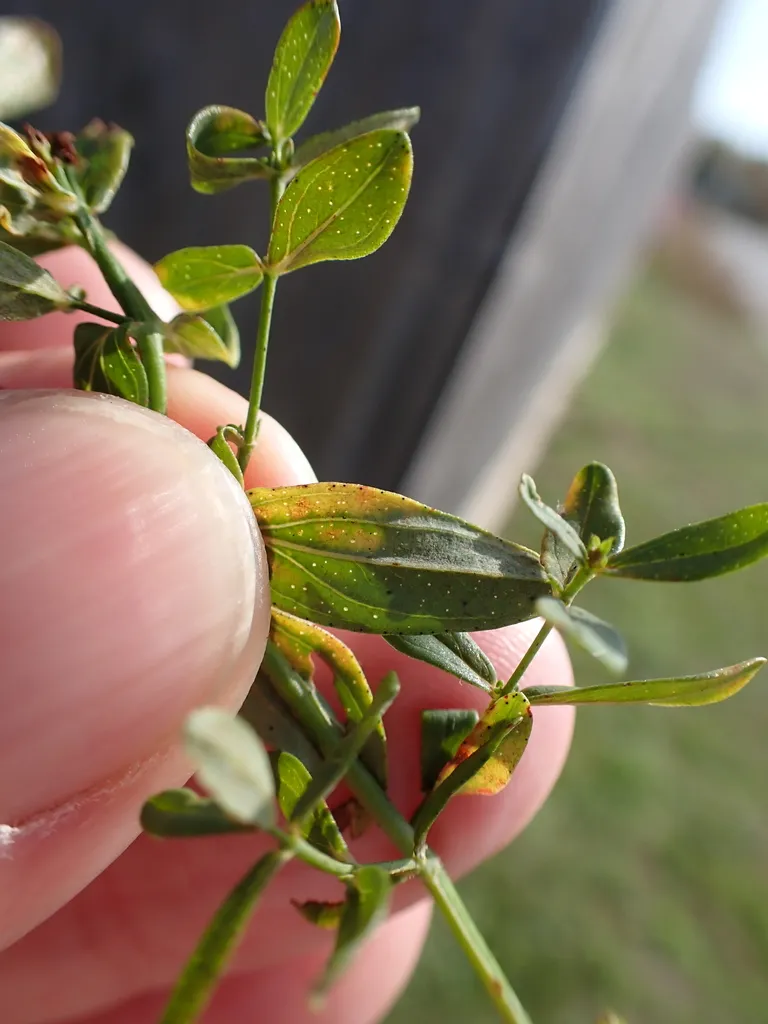
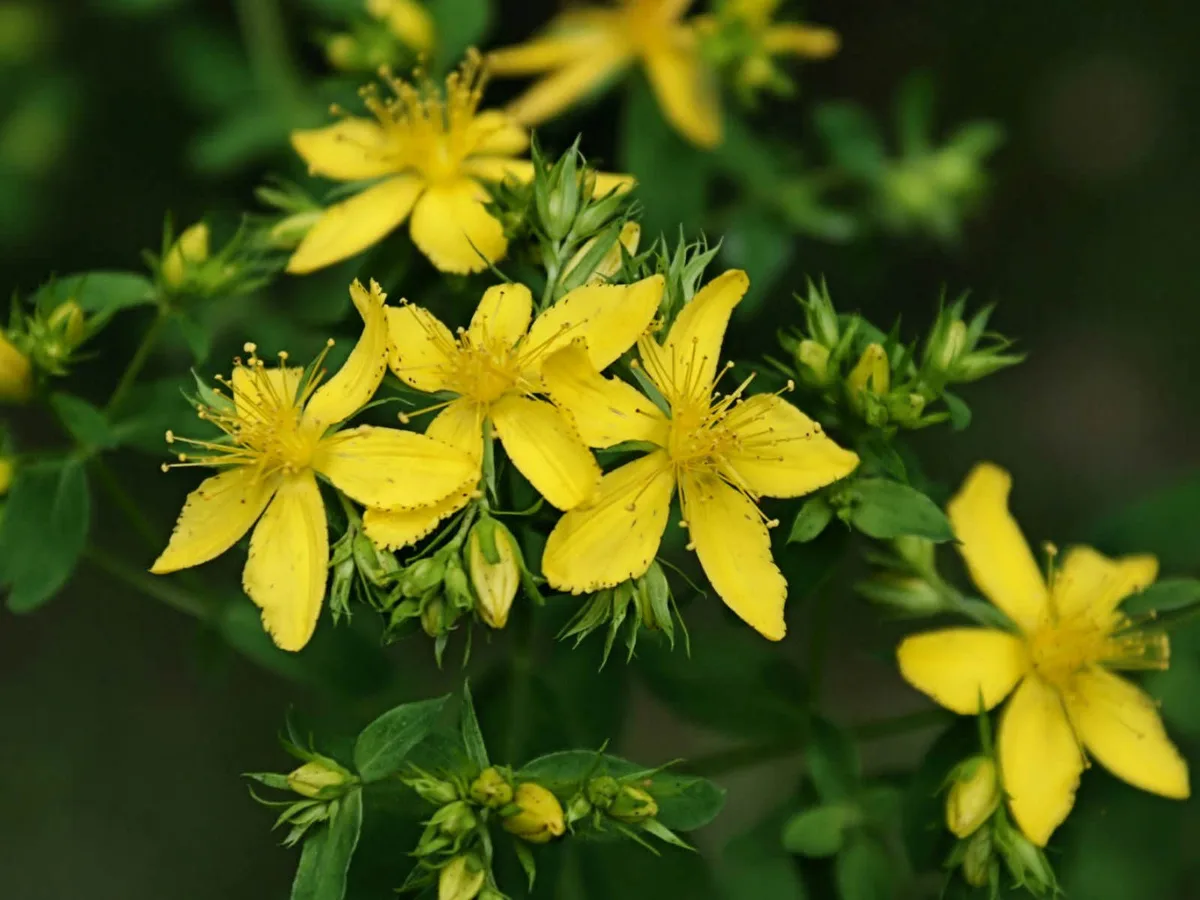
Distribution of perforate St John's wort
Distribution map
Europe, Northern Africa, Southwestern Asia
Information to be completed
Culture
Information to be completed
Toxicity
Fruit are ornamental - not to be eaten. Wear gloves and other protective equipment when handling
Quick identification of perforate St John's wort
Information to be completed
perforate St John's wort care guide
- Moderate regular watering, allowing brief slight drying between soakings
- Watering
- Full sun · Partial shade
- Sunlight
- Information to be completed
- Ideal temperature

Watering
Moderate regular watering, allowing brief slight drying between soakings
Fertilizing
 Fertilizing
Balanced perennial feed every four weeks from spring through summer
Pruning
 Pruning
No pruning required
Propagation
 Propagation
Propagate by seed, division or take softwood cuttings
Growing
 Growing
Grows well in moist but well-drained soil. Ideal for wildflower garden or in mixed border
People also ask
Information to be completed
Common pests and diseases
Diseases
May be susceptible to a rust and honey fungus (rarely)
Pests
Generally pest-free
Explore the plant health library →




