
Hypericum revolutum
Also known as: Information to be completed
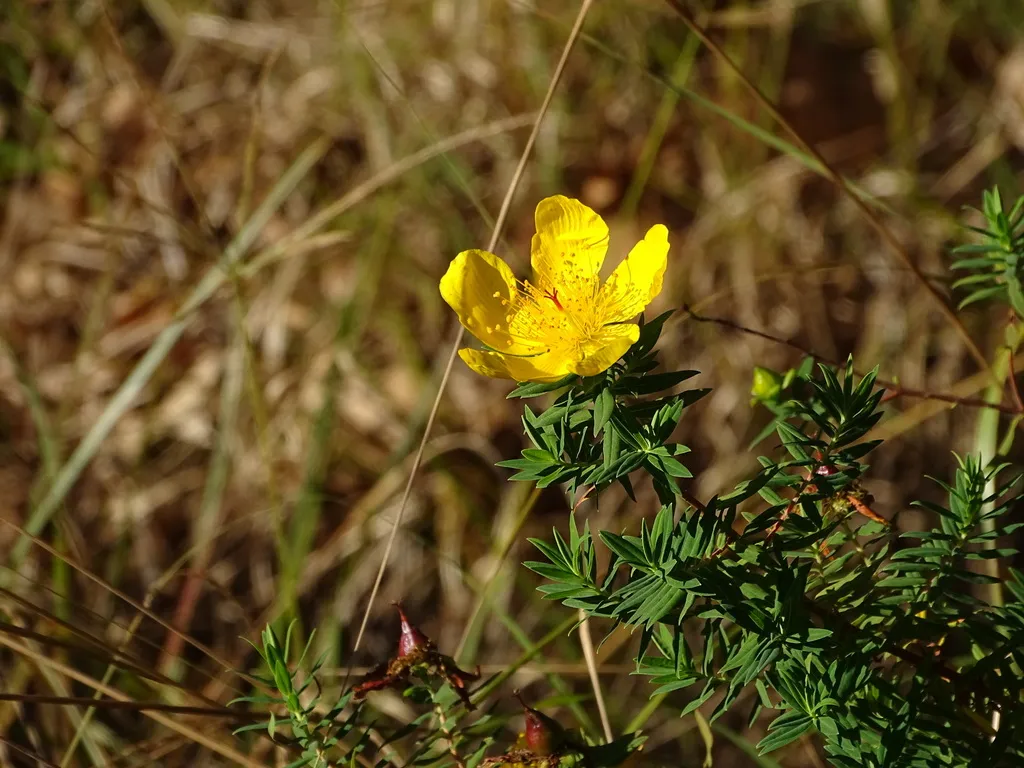
A half-hardy semi-evergreen shrub to 3m tall, with reddish-brown shoots and opposite pairs of elliptical leaves; the foliage has an aroma of curry when crushed. From summer to autumn it may produce cup-shaped yellow flowers with prominent tufts of stamens, however it is shy to flower in British gardens. Suitable only for a very sheltered position outdoors or cool greenhouse
Scientific classification
- Species
- Hypericum revolutum (Hypericum revolutum)
- Genus
- Hypericum
- Family
- Hypericaceae
- Fruit are ornamental - not to be eaten. Wear gloves and other protective equipment when handling
- Toxicity
- Shrubs
- Plant type
- 2.5-4 metres
- Height
- 1.5-2.5 metres
- Spread
- Semi evergreen
- Foliage
- Bushy
- Habit
- Spring · Summer · Autumn
- Season of interest
- Full sun
- Sunlight
- Information to be completed
- Ideal temperature









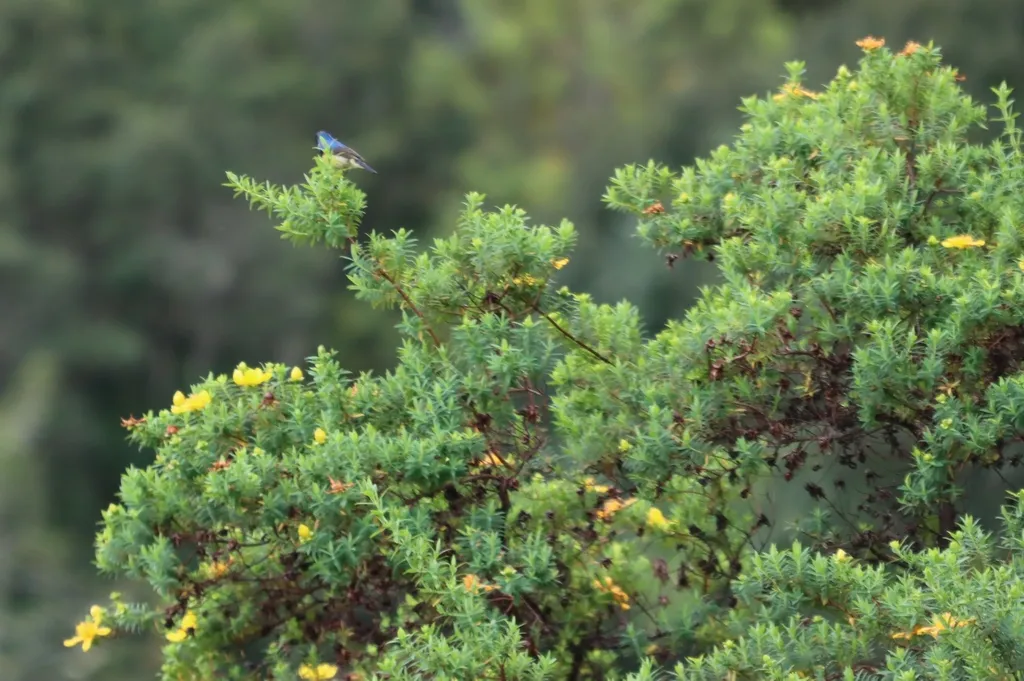
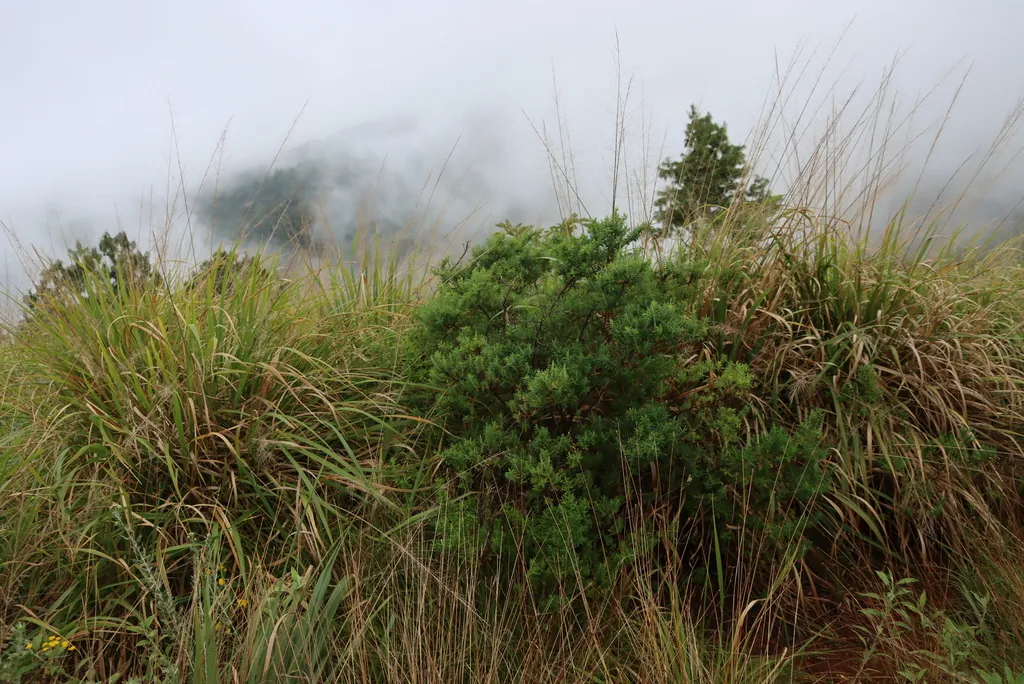
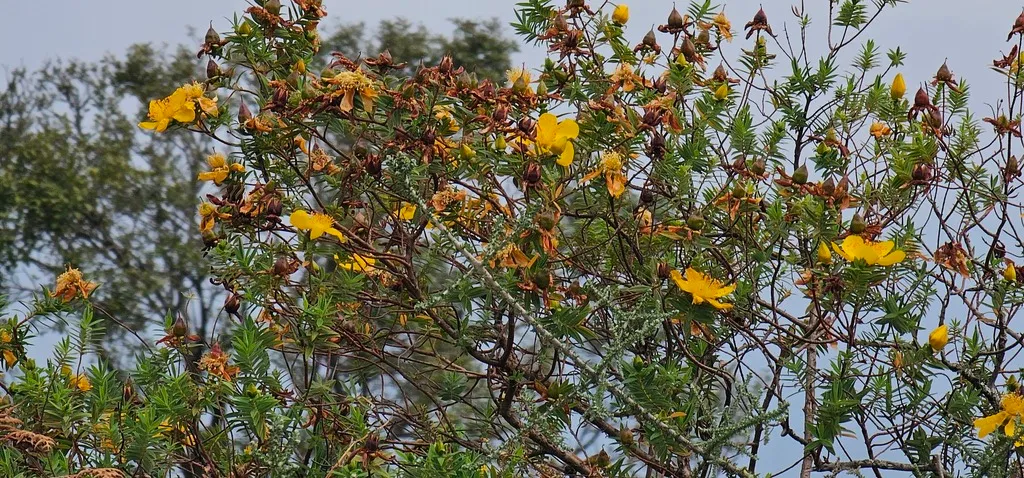
Hypericum revolutum pictures
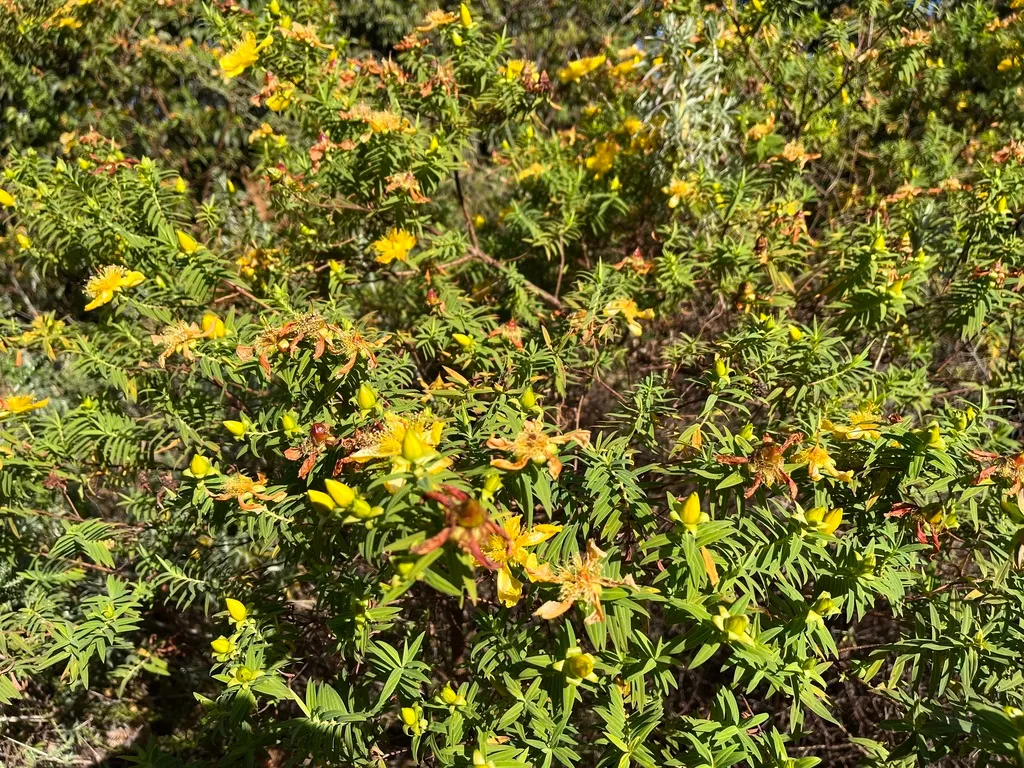
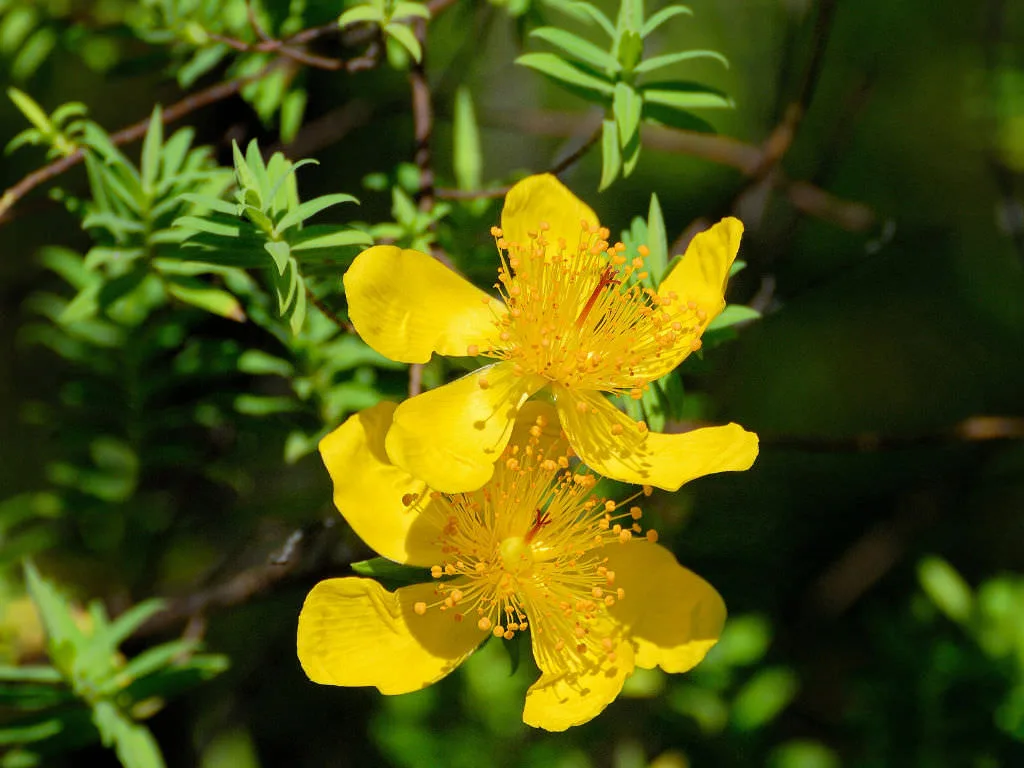
Distribution of Hypericum revolutum
Distribution map
Southwestern Asia, Africa
Information to be completed
Culture
Information to be completed
Toxicity
Fruit are ornamental - not to be eaten. Wear gloves and other protective equipment when handling
Quick identification of Hypericum revolutum
Information to be completed
Hypericum revolutum care guide
- Evenly moist well-drained soil, avoid fully drying root ball mass
- Watering
- Full sun
- Sunlight
- Information to be completed
- Ideal temperature

Watering
Evenly moist well-drained soil, avoid fully drying root ball mass
Fertilizing
 Fertilizing
Balanced shrub feed every five weeks spring through mid-summer
Pruning
 Pruning
Little pruning is needed. Remove diseased, damaged, crowded or crossing shoots and unwanted growth. Timing depends on the plant: generally late winter or early spring; plants prone to bleeding and deciduous magnolias need different timing, and deciduous azaleas and lilacs are pruned after flowering.
Propagation
 Propagation
Propagate by seed or semi-ripe cuttings
Growing
 Growing
Under glass grow in loam-based potting compost with added extra grit. Position in full light and water freely in the growing season, moderately at other times. Outdoors grow in freely-draining soil in full sun, or against a south-facing wall
People also ask
Information to be completed
Common pests and diseases
Diseases
May be susceptible to a rust and honey fungus (rarely)
Pests
Generally pest-free
Explore the plant health library →




