
Hypericum stellatum
Also known as: Information to be completed
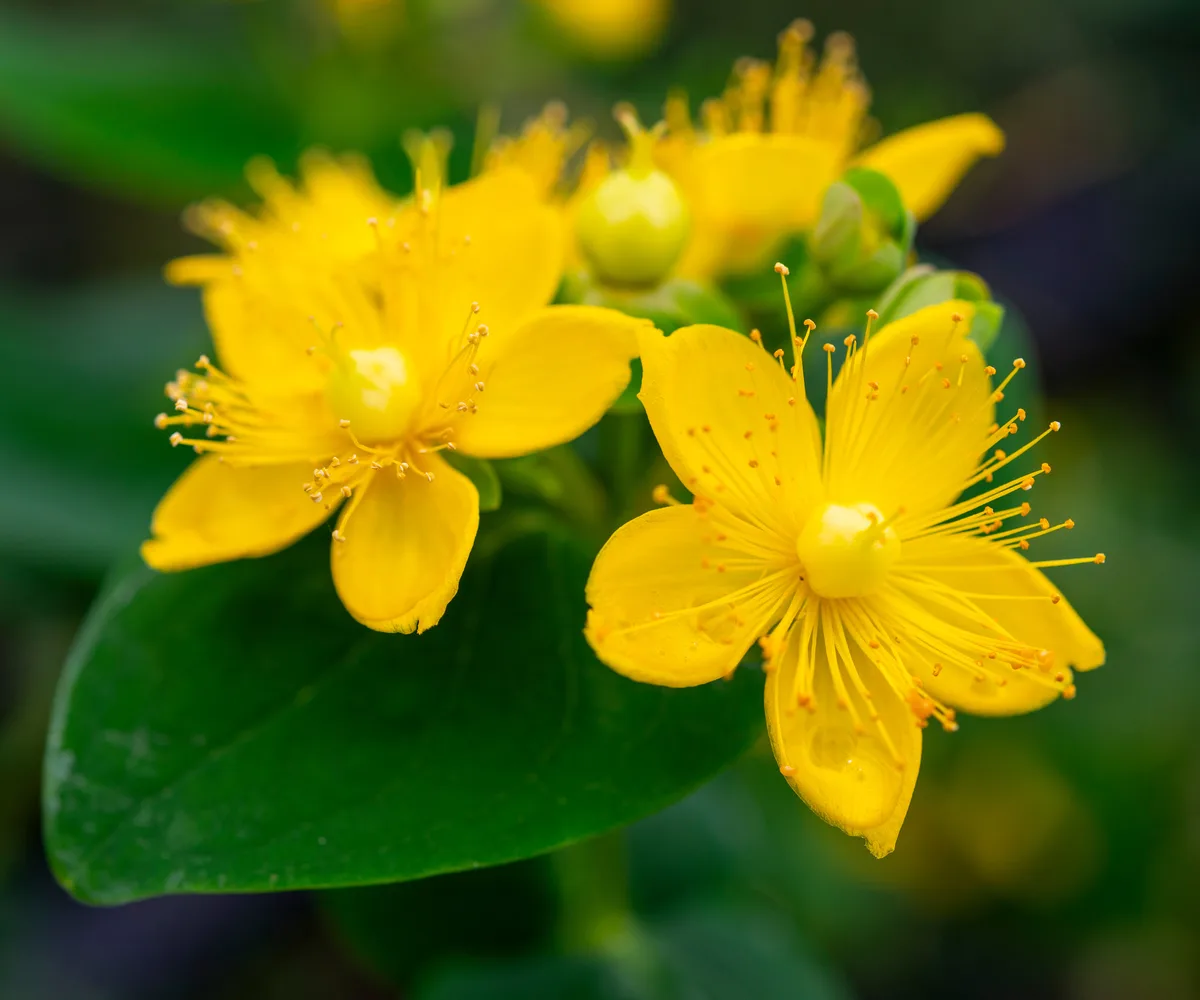
An evergreen shrub to 1m tall, with arching stems bearing opposite pairs of leaves; the new growth is red-tinted. In summer it produces cup-shaped yellow flowers at the stem tips. After the petals fall, the pointed, red-tinted sepals remain, framing the developing seed capsules
Scientific classification
- Species
- Hypericum stellatum (Hypericum stellatum)
- Genus
- Hypericum
- Family
- Hypericaceae
- Fruit are ornamental - not to be eaten. Wear gloves and other protective equipment when handling
- Toxicity
- Shrubs
- Plant type
- 0.5-1 metres
- Height
- 1-1.5 metres
- Spread
- Evergreen
- Foliage
- Bushy
- Habit
- Spring · Summer · Autumn · Winter
- Season of interest
- Full sun · Partial shade
- Sunlight
- Information to be completed
- Ideal temperature









Hypericum stellatum pictures
Distribution of Hypericum stellatum
Distribution map
Southwestern China
Information to be completed
Culture
Information to be completed
Toxicity
Fruit are ornamental - not to be eaten. Wear gloves and other protective equipment when handling
Quick identification of Hypericum stellatum
Information to be completed
Hypericum stellatum care guide
- Moderate regular watering, allowing brief slight drying between soakings
- Watering
- Full sun · Partial shade
- Sunlight
- Information to be completed
- Ideal temperature

Watering
Moderate regular watering, allowing brief slight drying between soakings
Fertilizing
 Fertilizing
Balanced perennial feed every four weeks from spring through summer
Pruning
 Pruning
Keep pruning to a minimum: remove dead, damaged or unwanted growth; if shaping is needed, trim lightly after flowering.
Propagation
 Propagation
Propagate by softwood or semi-ripe cuttings
Growing
 Growing
Grow in any moist but well-drained soil in sun or partial shade
People also ask
Information to be completed
Common pests and diseases
Diseases
May be susceptible to a rust and honey fungus (rarely)
Pests
Generally pest-free
Explore the plant health library →




