
snowberry
Also known as: waxberry
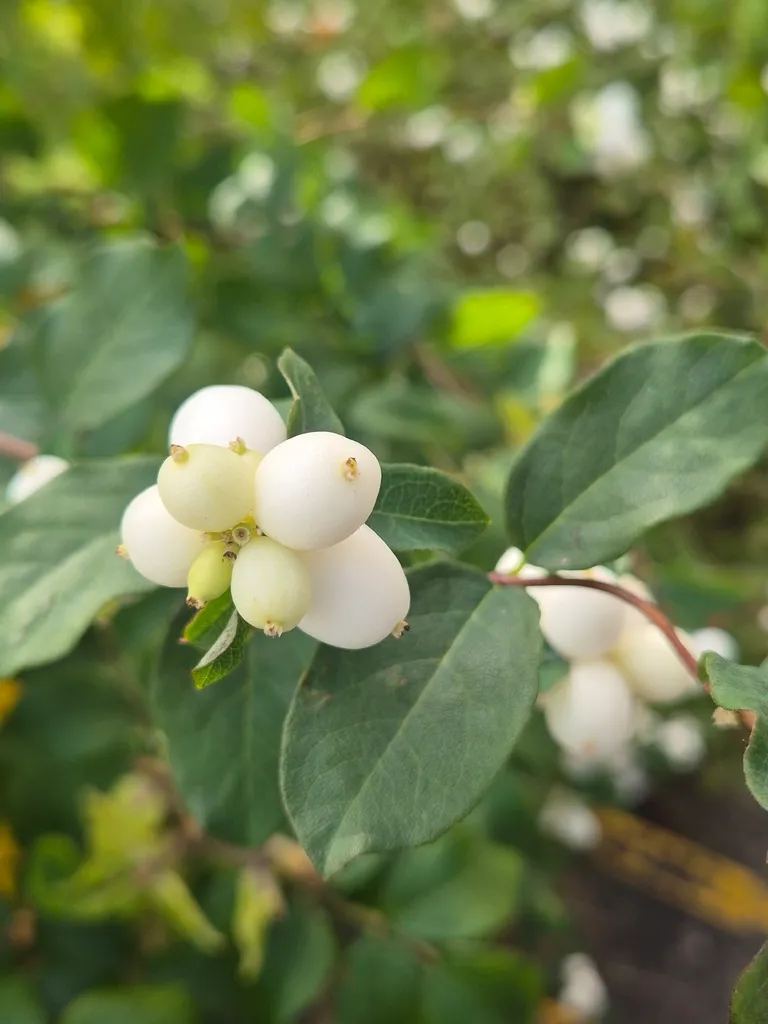
An upright, deciduous shrub with oval leaves, which are sometimes coarsley lacerated around the edges. Clusters of small pink flowers followed by white fruit 1.5cm across. It spreads by suckering roots, so has the potential to become a nuisance if not maintained and should not be planted in or adjacent to the countryside
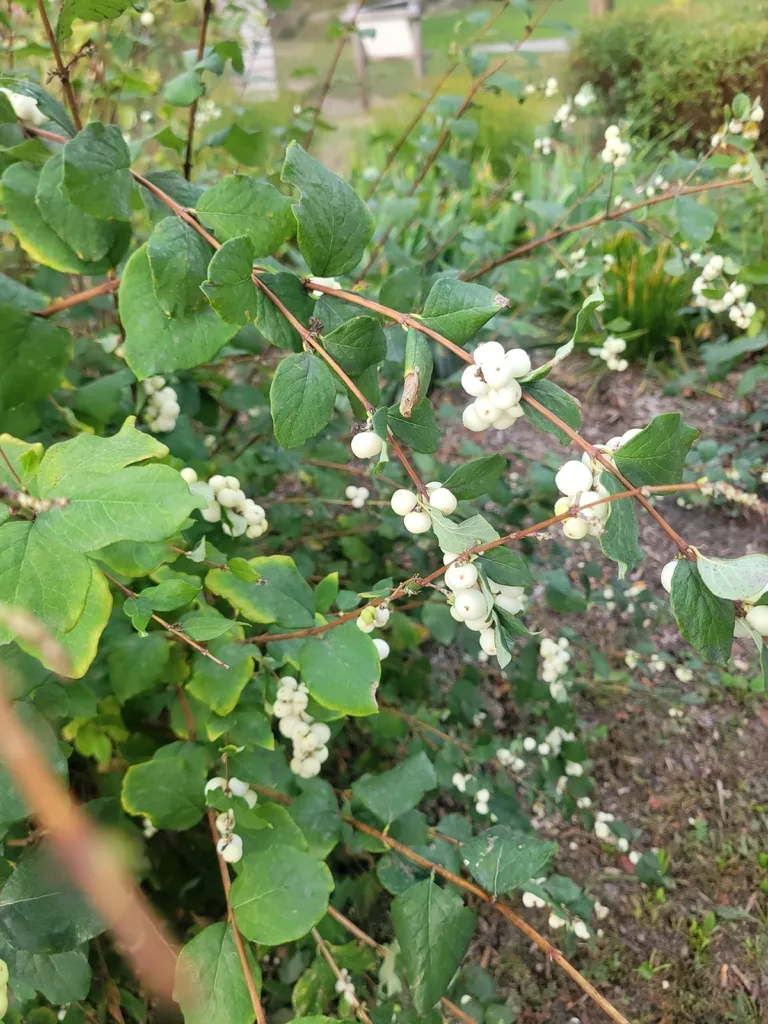
Scientific classification
- Species
- snowberry (Symphoricarpos albus)
- Genus
- Symphoricarpos
- Family
- Caprifoliaceae
- Order
- Dipsacales
- Class
- Magnoliopsida
- Phylum
- Magnoliophyta
- Harmful if eaten. Wear gloves and other protective equipment when handling
- Toxicity
- Shrubs
- Plant type
- 1-1.5 metres
- Height
- 1.5-2.5 metres
- Spread
- Deciduous
- Foliage
- Bushy · Suckering
- Habit
- Spring · Summer
- Season of interest
- Partial shade · Full sun
- Sunlight
- Information to be completed
- Ideal temperature









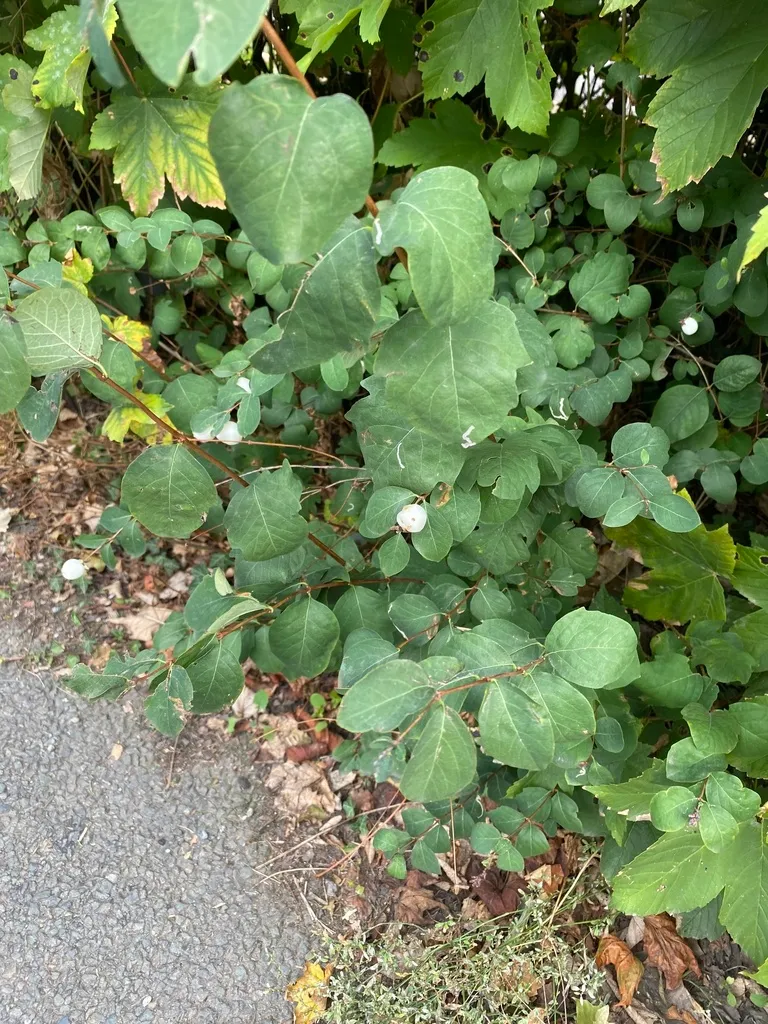
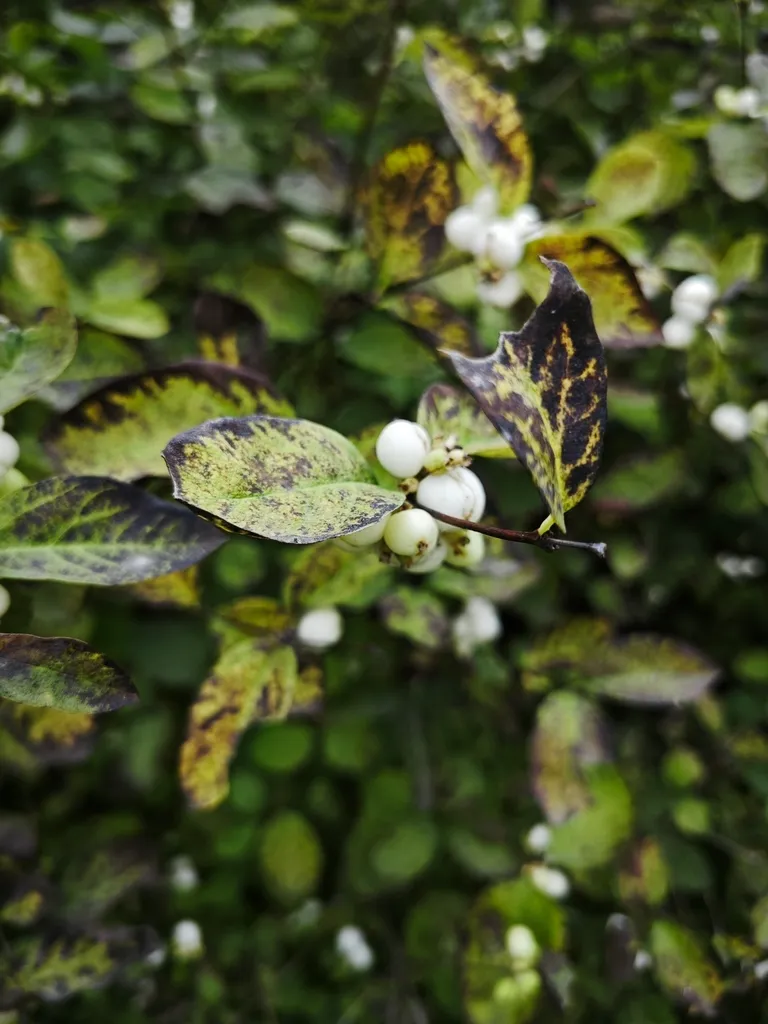
snowberry pictures
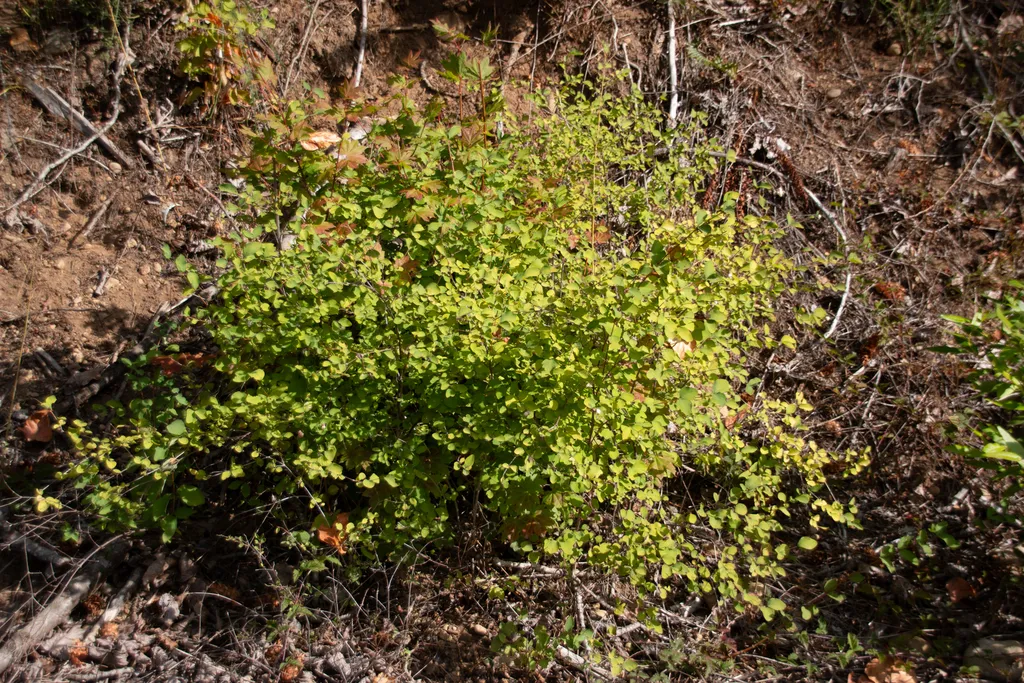
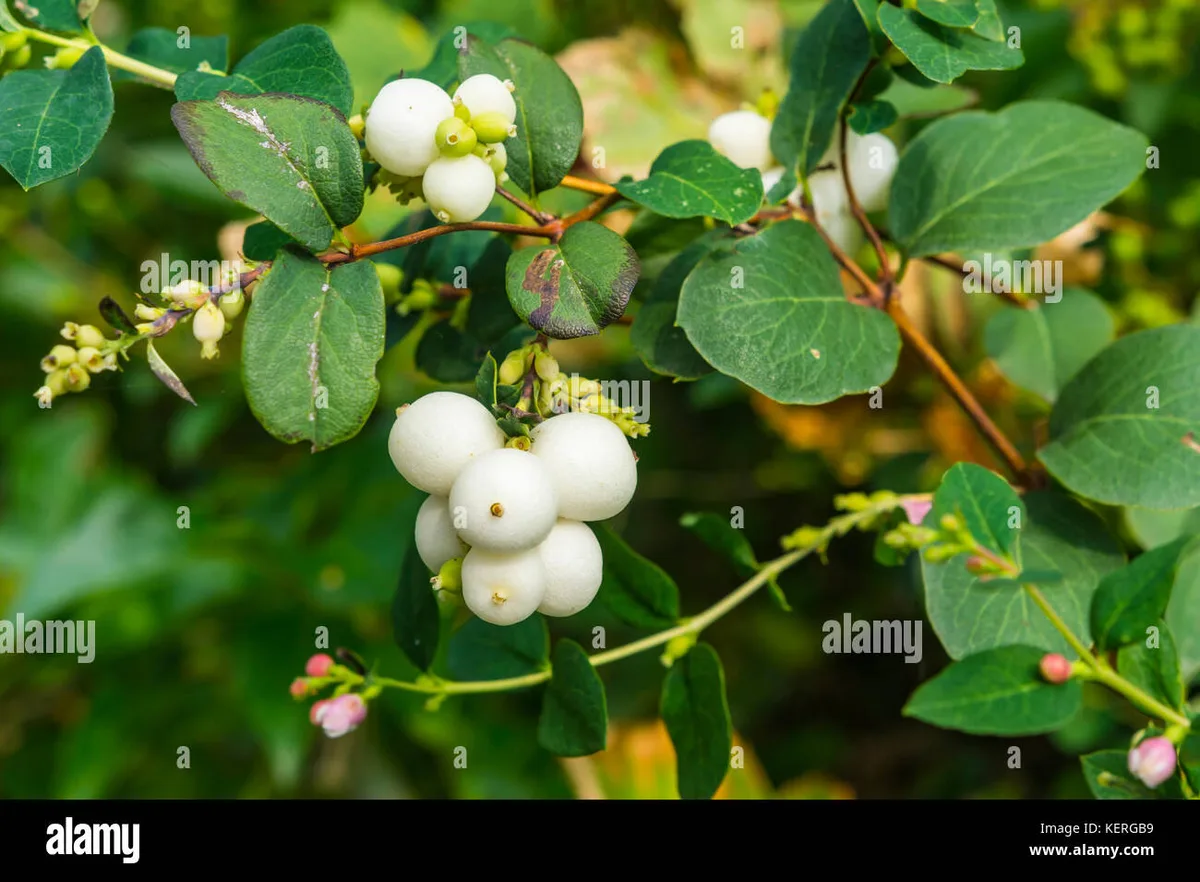
Distribution of snowberry
Distribution map
- Native
- Introduced
- Cultivated
Source:WCVP v16 · Royal Botanic Gardens, Kew · CC BY 3.0 · Boundaries:WGSRPD / TDWG
Toxicity
Harmful if eaten. Wear gloves and other protective equipment when handling
snowberry care guide
- Moderate regular watering, allowing brief slight drying between soakings
- Watering
- Partial shade · Full sun
- Sunlight

Watering
Moderate regular watering, allowing brief slight drying between soakings
Fertilizing
 Fertilizing
Balanced perennial feed every four weeks from spring through summer
Pruning
 Pruning
Little pruning is needed. Remove diseased, damaged, crowded or crossing shoots and unwanted growth. Timing depends on the plant: generally late winter or early spring; plants prone to bleeding and deciduous magnolias need different timing, and deciduous azaleas and lilacs are pruned after flowering.
Propagation
 Propagation
Propagate by softwood cuttings in summer or hardwood cuttings in autumn. Rooted suckers can be transplanted in autumn
Growing
 Growing
Grow in moist fertile soil. This plant is tolerant of pollution and extreme conditions. Thicket forming and has potential to become a nuisance
Common pests and diseases
Diseases
Generally disease-free
Pests
Generally pest-free
Explore the plant health library →




