
Aloe africana
Also known as: Information to be completed
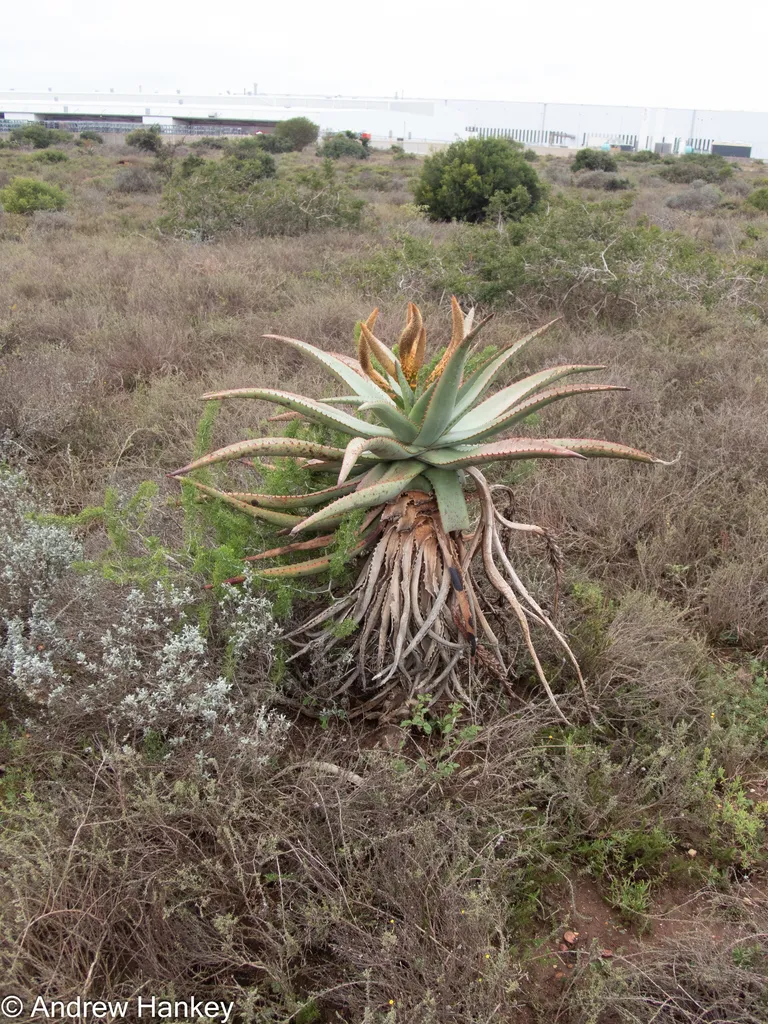
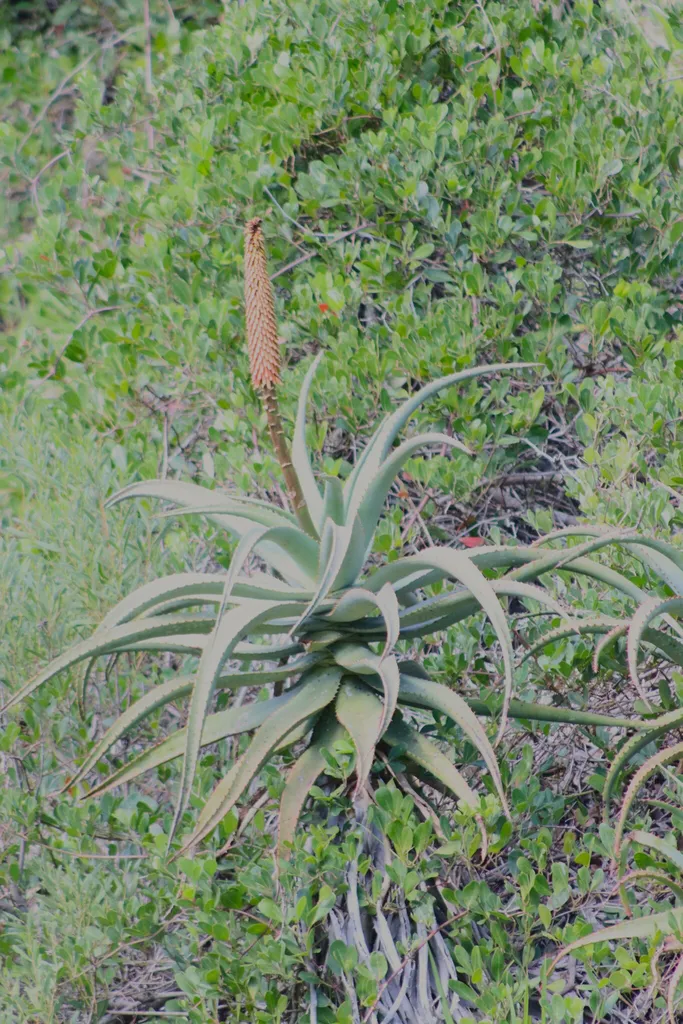
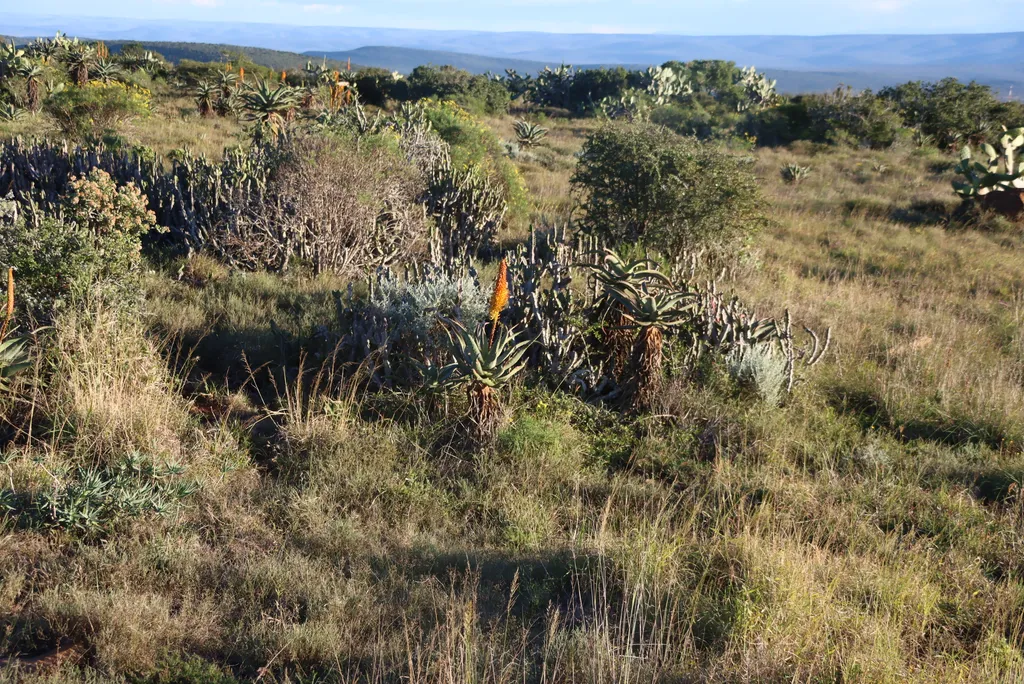
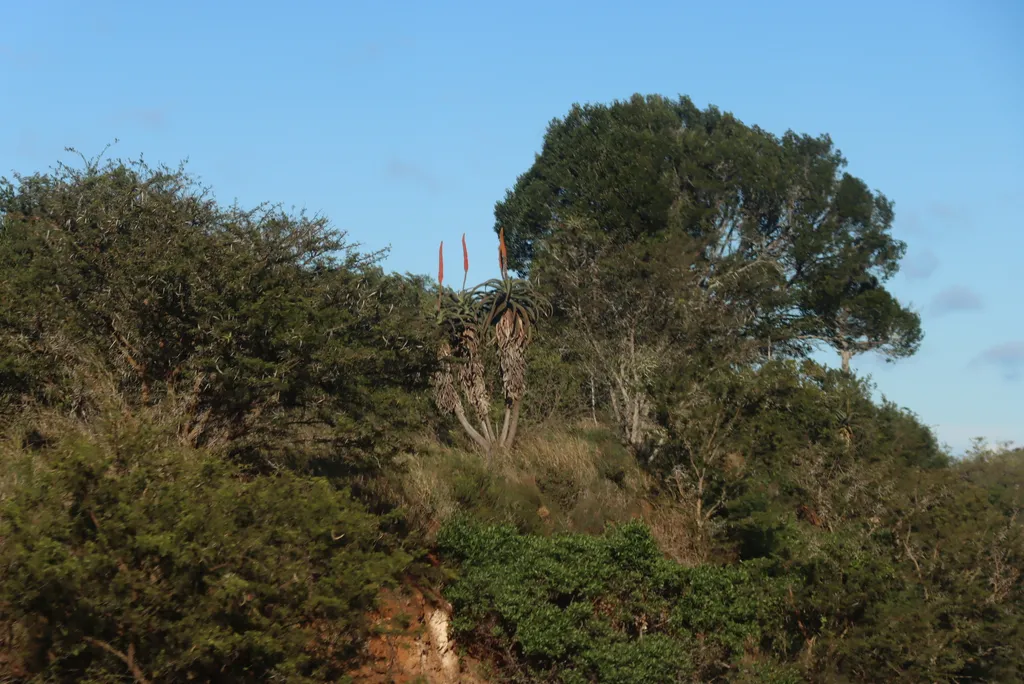
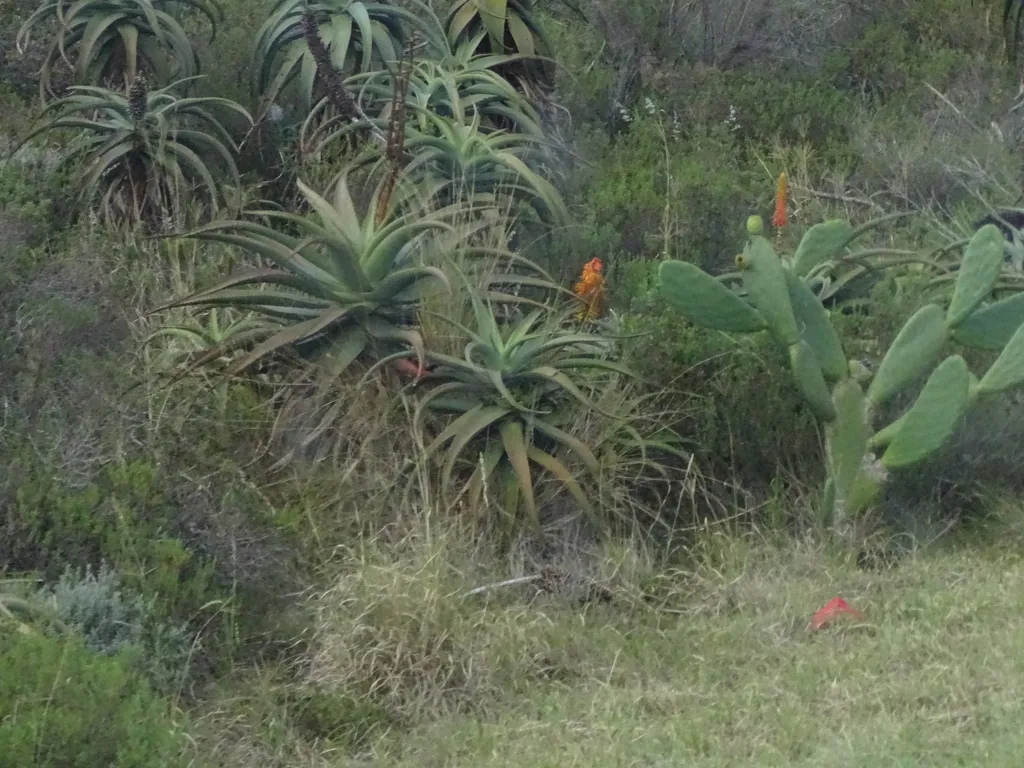
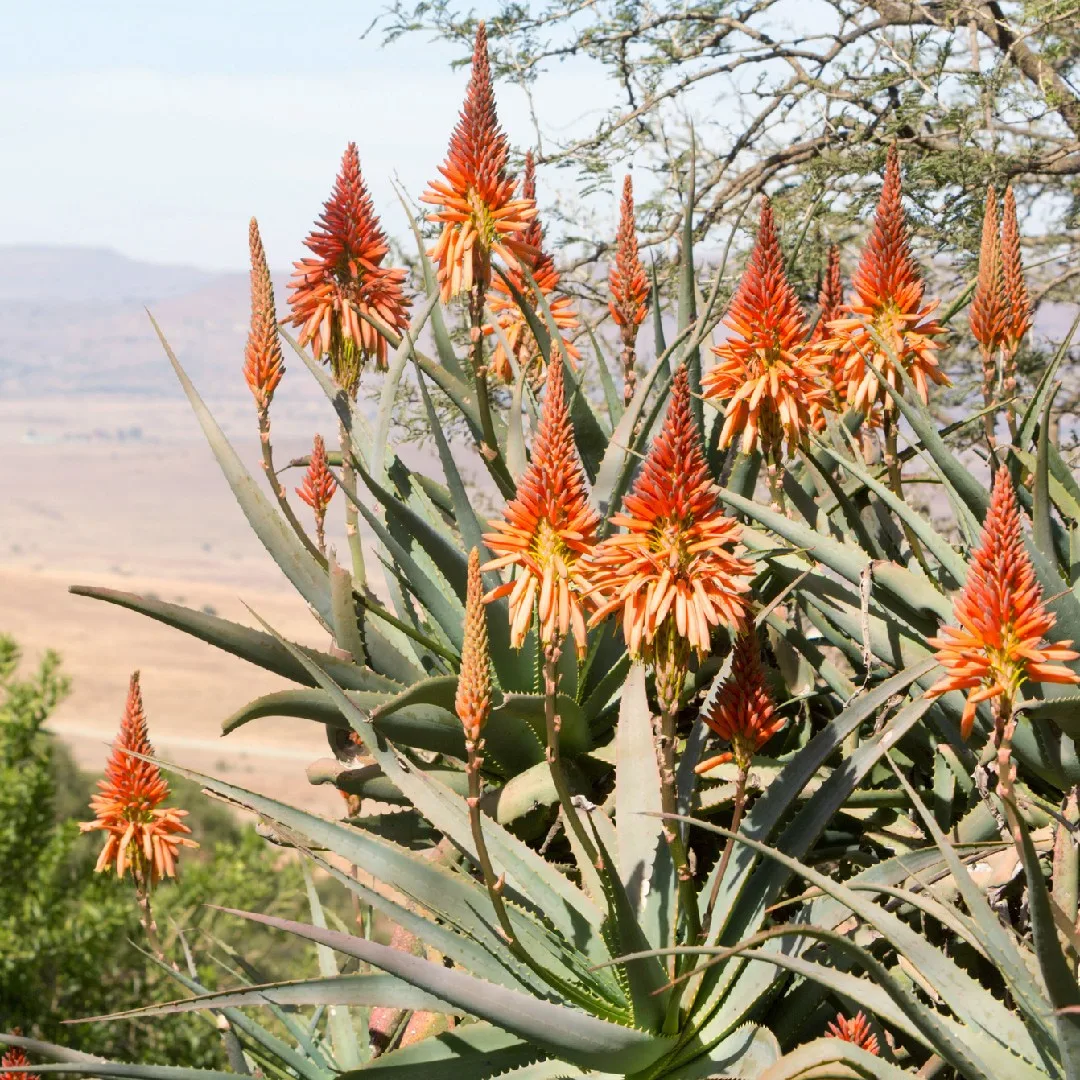
A tall evergreen succulent reaching 2m. It has thick grey-green strap-like leaves with sharp red spines along the edges, in a slightly irregular rosette. It is usually unbranched but is sometimes multi-stemmed. The flowers normally form in shorter days as very tall spikes. Each tubular flower hangs but then tilts upwards at the opening. They are deep orange in bud, ripening to orange then opening more yellow
Scientific classification
- Species
- Aloe africana (Aloe africana)
- Genus
- Aloe
- Family
- Asphodelaceae
- Order
- Asparagales
- Class
- Liliopsida
- Phylum
- Magnoliophyta
- Harmful if eaten. Wear gloves and other protective equipment when handling
- Toxicity
- Cactus Succulent
- Plant type
- 1.5-2.5 metres
- Height
- 1-1.5 metres
- Spread
- Evergreen
- Foliage
- Columnar upright
- Habit
- Spring · Summer · Autumn · Winter
- Season of interest
- Full sun
- Sunlight
- Information to be completed
- Ideal temperature









Aloe africana pictures
Distribution of Aloe africana
Distribution map
- Native
- Introduced
- Cultivated
Source:WCVP v16 · Royal Botanic Gardens, Kew · CC BY 3.0 · Boundaries:WGSRPD / TDWG
Toxicity
Harmful if eaten. Wear gloves and other protective equipment when handling
Aloe africana care guide
- Let gritty soil dry fully before each thorough watering cycle
- Watering
- Full sun
- Sunlight

Watering
Let gritty soil dry fully before each thorough watering cycle
Fertilizing
 Fertilizing
Very dilute low-nitrogen succulent feed monthly in warm growth
Pruning
 Pruning
No pruning required
Propagation
 Propagation
Propagate from seed or leaf cuttings
Growing
 Growing
Grow in any well-drained soil in a warm, sheltered spot in full sun. In a cooler areas of the country, it should be container-grown and brought indoors in winter. For more advice see houseplant cacti and succulent cultivation
Common pests and diseases
Diseases
Generally disease-free
Pests
May be susceptible to scale insects and mealybugs
Explore the plant health library →




