
Caucasian lime
Also known as: Crimean lime
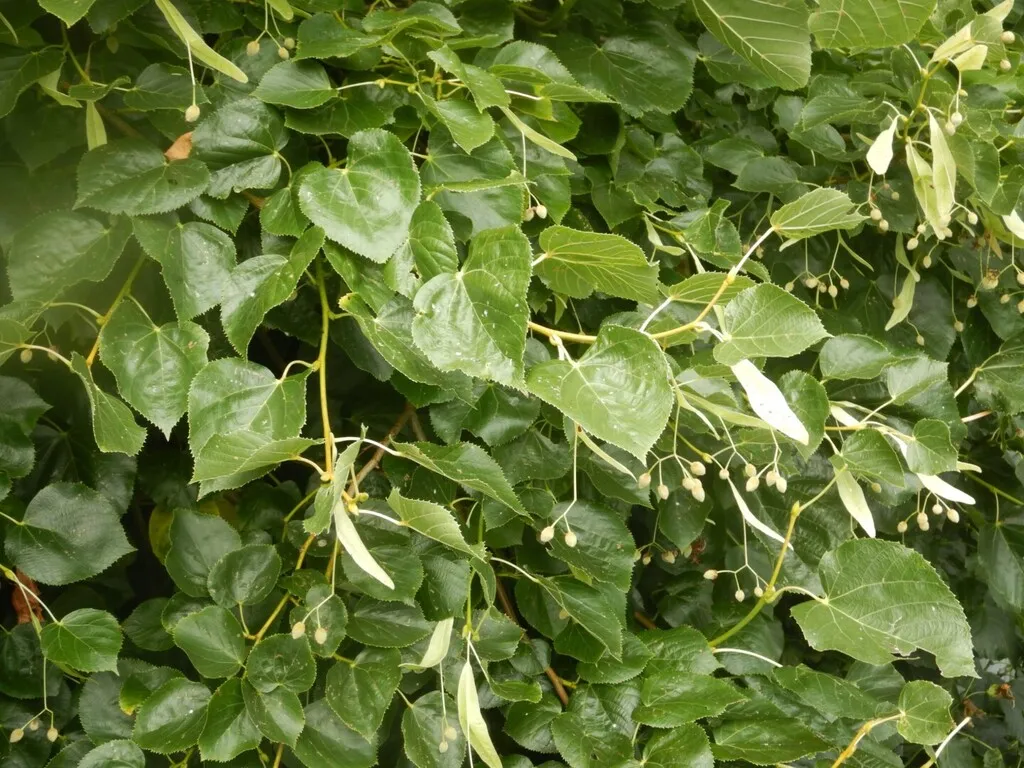
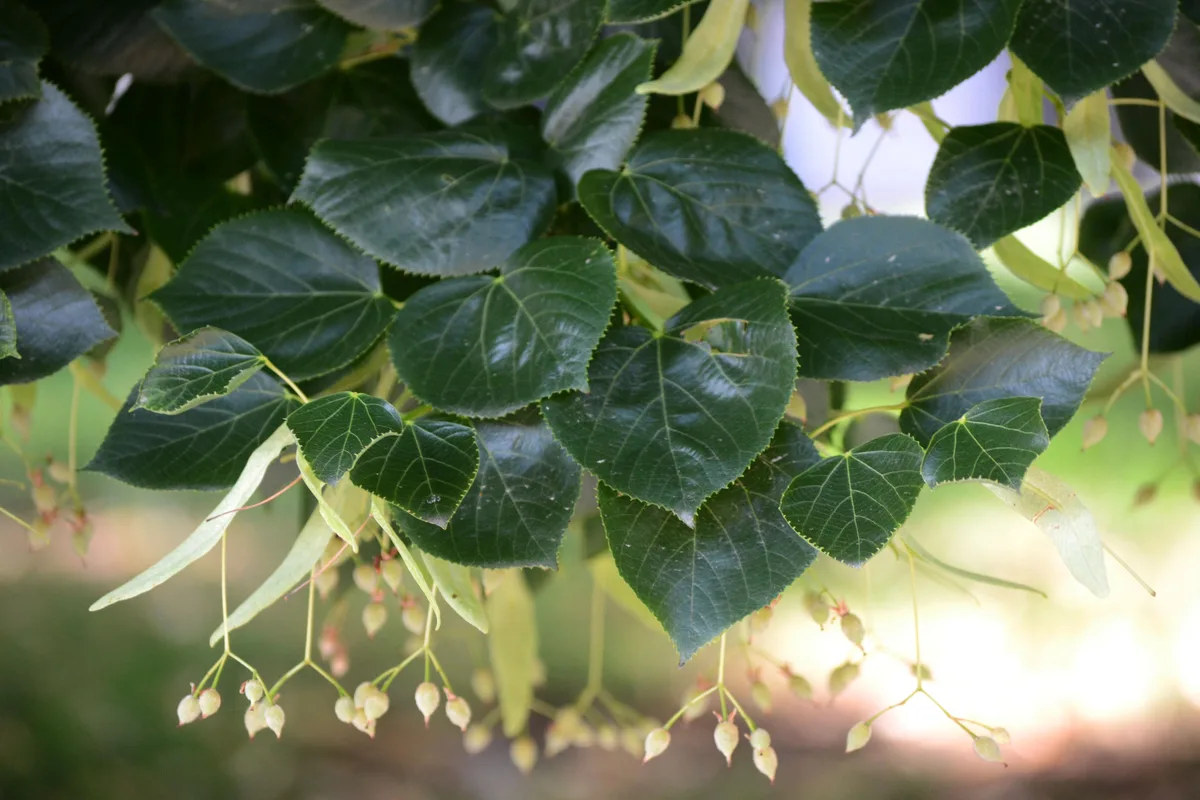
A large deciduous tree with spreading or arching branches and green young shoots bearing glossy deep green leaves turning yellow in autumn. Fragrant cream flowers may narcotise bees
Scientific classification
- Species
- Caucasian lime (Tilia × euchlora)
- Genus
- Tilia
- Family
- Malvaceae
- Information to be completed
- Toxicity
- Trees
- Plant type
- Higher than 12 metres
- Height
- wider than 8 metres
- Spread
- Deciduous
- Foliage
- Information to be completed
- Habit
- Autumn · Spring · Summer
- Season of interest
- Full sun · Partial shade
- Sunlight
- Information to be completed
- Ideal temperature









Caucasian lime pictures
Distribution of Caucasian lime
Distribution map
Crimea
Information to be completed
Culture
Information to be completed
Toxicity
Information to be completed
Quick identification of Caucasian lime
Information to be completed
Caucasian lime care guide
- Deep infrequent watering, deep root system copes with temporary dryness
- Watering
- Full sun · Partial shade
- Sunlight
- Information to be completed
- Ideal temperature

Watering
Deep infrequent watering, deep root system copes with temporary dryness
Fertilizing
 Fertilizing
Slow-release tree fertilizer applied once annually at early spring growth
Pruning
 Pruning
Little pruning is needed. Remove diseased, damaged, crowded or crossing shoots and unwanted growth. Timing depends on the plant: generally late winter or early spring; plants prone to bleeding and deciduous magnolias need different timing, and deciduous azaleas and lilacs are pruned after flowering.
Propagation
 Propagation
 is not easy but to propagate by seed, sow stratified in containers outdoors in spring. Chip budding is the most appropriate method although care must be taken with the choice of rootstock
Growing
 Growing
Easy to grow in most moist soils and will tolerate hard pruning. Not susceptible to aphid infestation and is therefore free of sticky honeydew. Avoid exposure to cold drying winds
People also ask
Information to be completed
Common pests and diseases
Diseases
May be susceptible to sooty mould, phytophthora root disease and honey fungus
Pests
May be susceptible to aphids, horse chestnut scale, caterpillars, sawflies and gall mites
Explore the plant health library →




