
Lobelia × speciosa
Also known as: Information to be completed
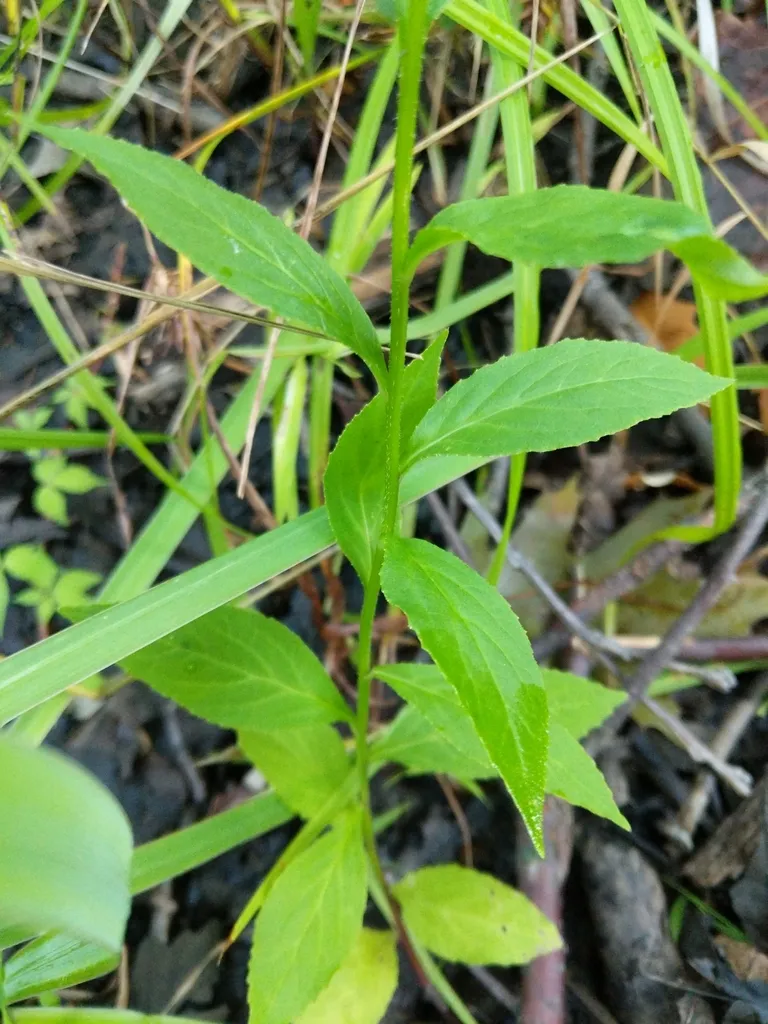
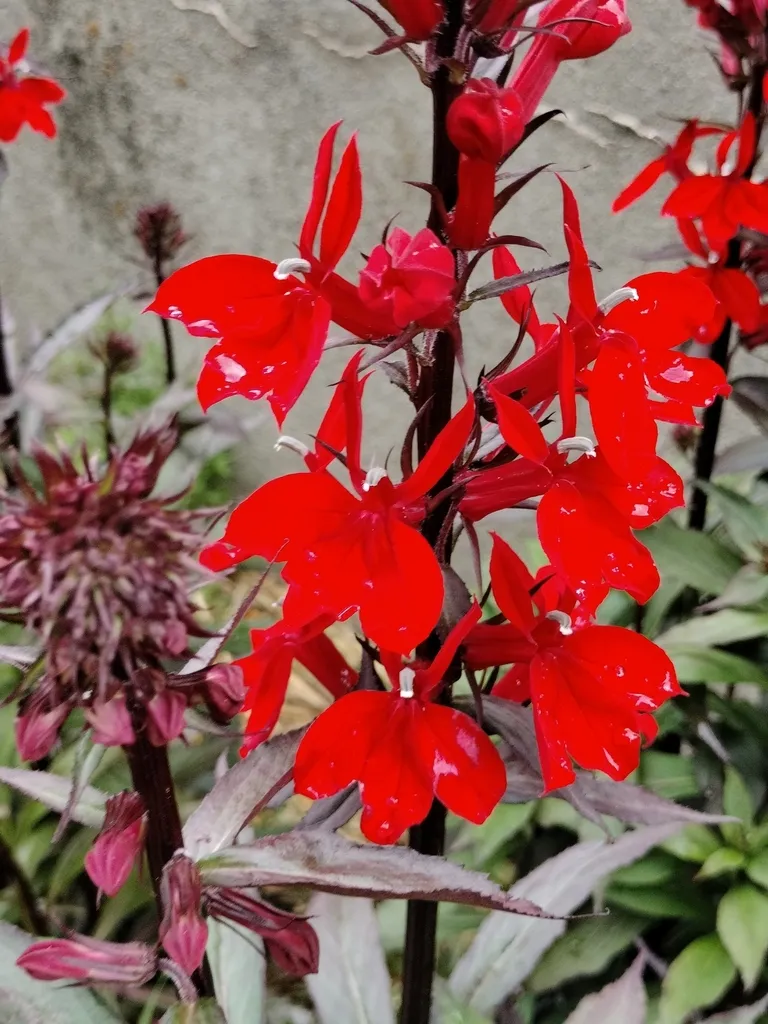
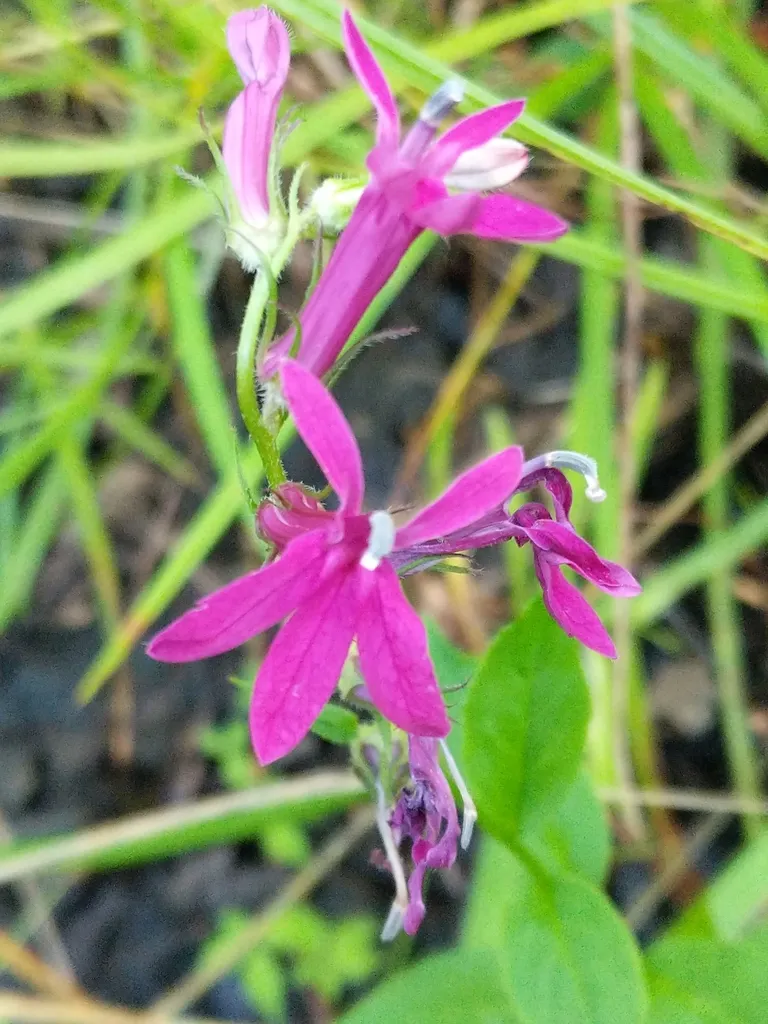
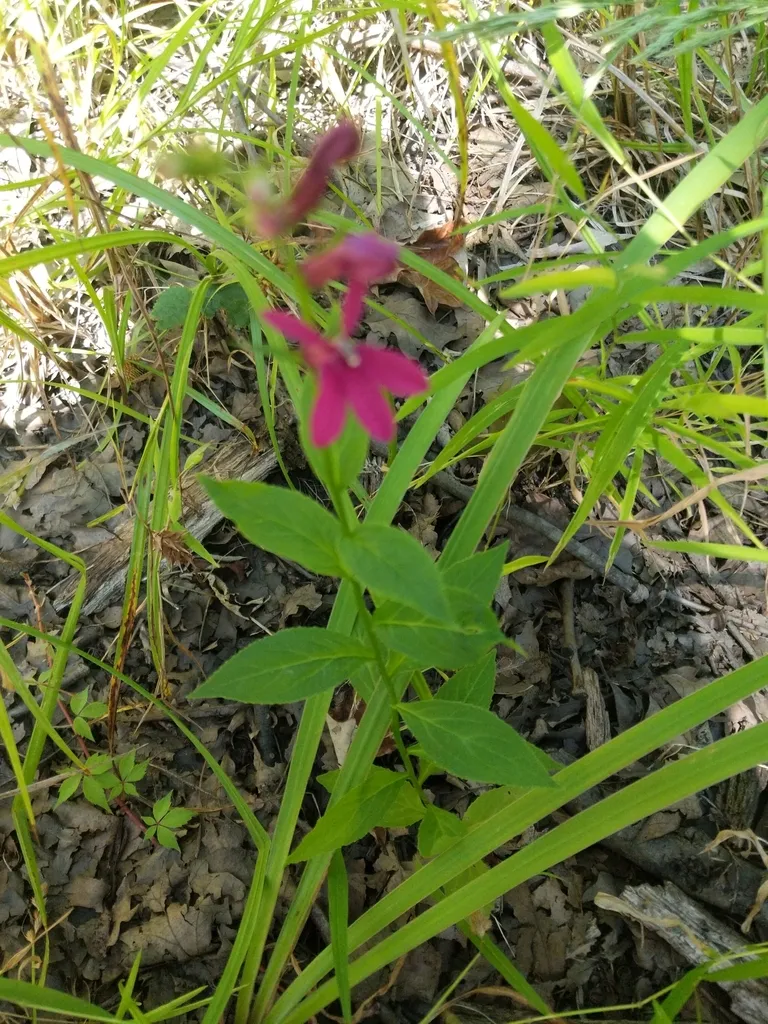
Are clump-forming perennials, often grown as annuals or biennials, with basal rosettes of pale to dark green, bronzy, red-flushed or dark red foliage. In summer and early autumn they produce dense, upright spires of two-lipped, tubular flowers in shades of red, pink, purple or blue
Scientific classification
- Species
- Lobelia × speciosa (Lobelia × speciosa)
- Genus
- Lobelia
- Family
- Campanulaceae
- Order
- Asterales
- Class
- Magnoliopsida
- Phylum
- Magnoliophyta
- Harmful if eaten, skin irritant. Wear gloves and other protective equipment when handling]
- Toxicity
- Annual Biennial · Bedding · Herbaceous Perennial
- Plant type
- 0.5-1 metres
- Height
- 0.1-0.5 metres
- Spread
- Deciduous
- Foliage
- Clump forming
- Habit
- Spring · Summer · Autumn
- Season of interest
- Full sun · Partial shade
- Sunlight
- Information to be completed
- Ideal temperature









Lobelia × speciosa pictures
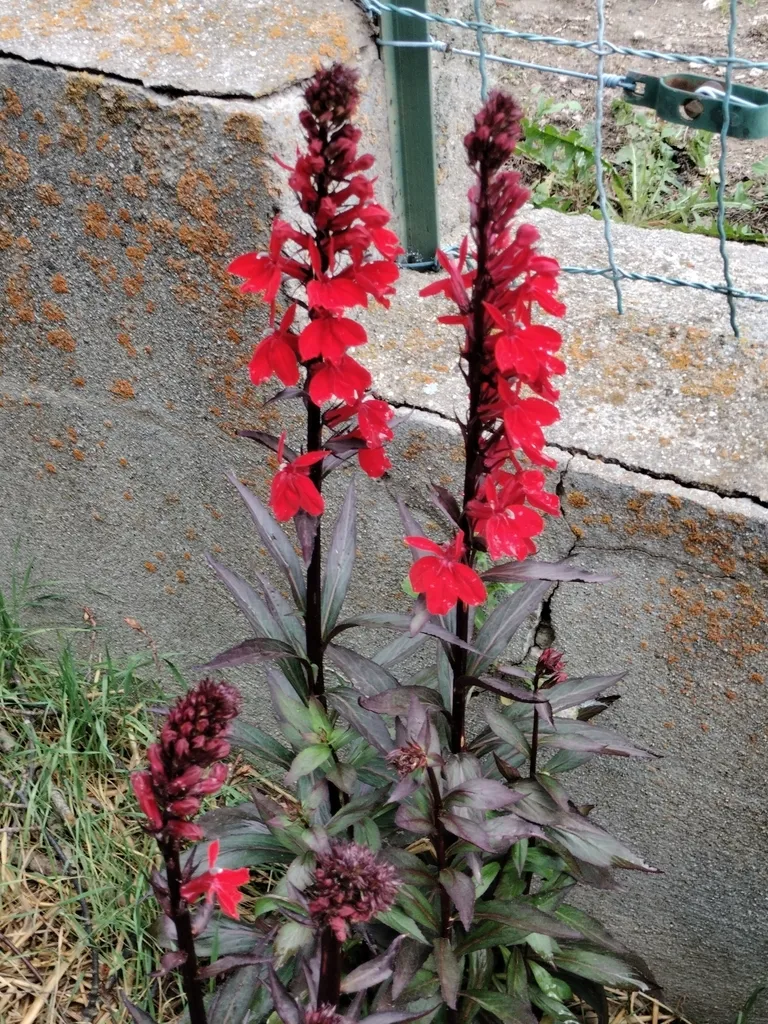
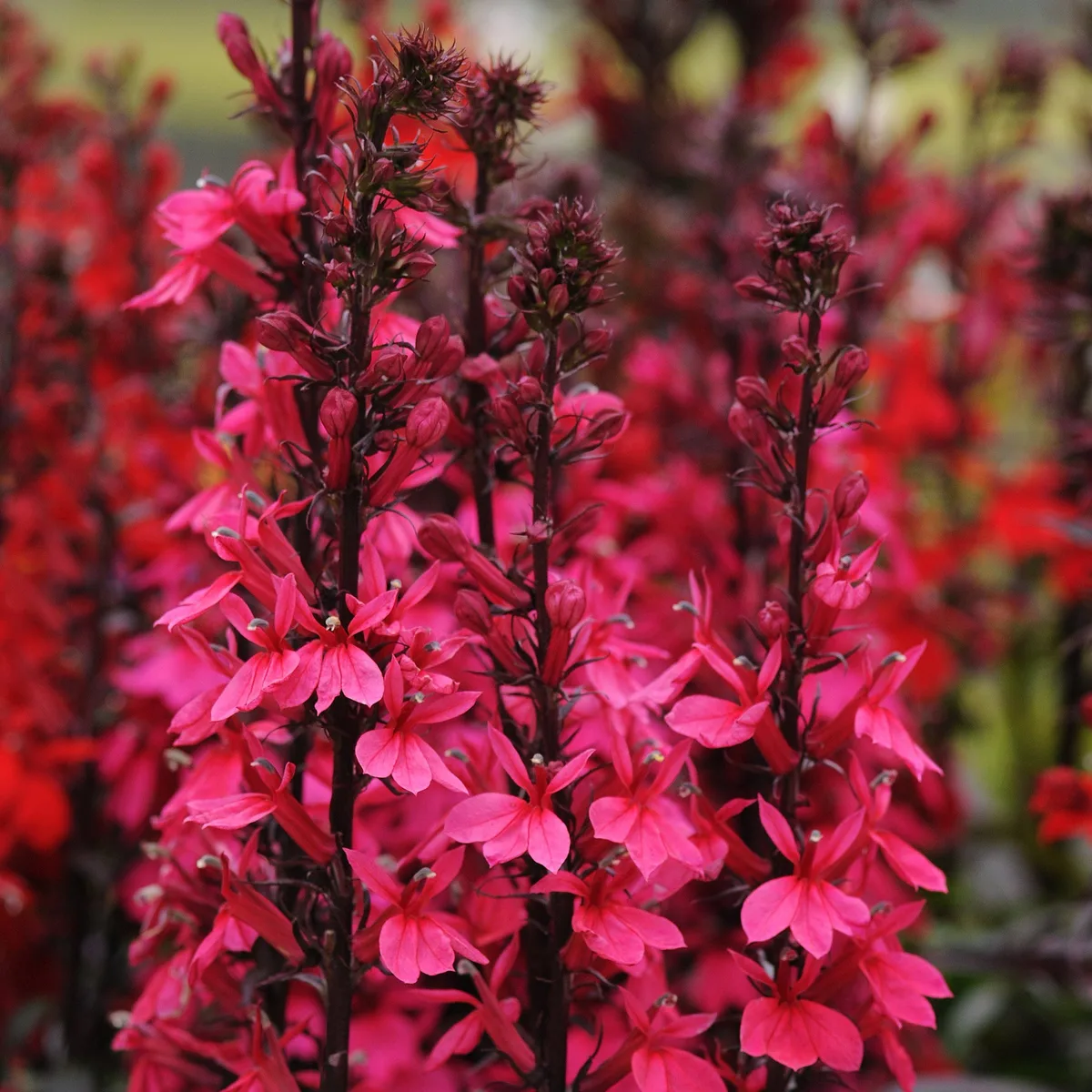
Distribution of Lobelia × speciosa
Distribution map
- Native
- Introduced
- Cultivated
Source:WCVP v16 · Royal Botanic Gardens, Kew · CC BY 3.0 · Boundaries:WGSRPD / TDWG
Toxicity
Harmful if eaten, skin irritant. Wear gloves and other protective equipment when handling]
Lobelia × speciosa care guide
- Moderate regular watering, allowing brief slight drying between soakings
- Watering
- Full sun · Partial shade
- Sunlight

Watering
Moderate regular watering, allowing brief slight drying between soakings
Fertilizing
 Fertilizing
Balanced perennial feed every four weeks from spring through summer
Pruning
 Pruning
Cut back after flowering
Propagation
 Propagation
Propagate by seed sown at 15-18°C in late winter, or by division in spring
Growing
 Growing
Grow in deep, fertile, reliably moist soil in full sun or partial shade. Feed with a balanced liquid fertilizer every two weeks until mid-summer and a low nitrogen fertilizer from then on
Common pests and diseases
Diseases
Generally disease-free
Pests
May be susceptible to slugs
Explore the plant health library →




