
potato tree
Also known as: Information to be completed
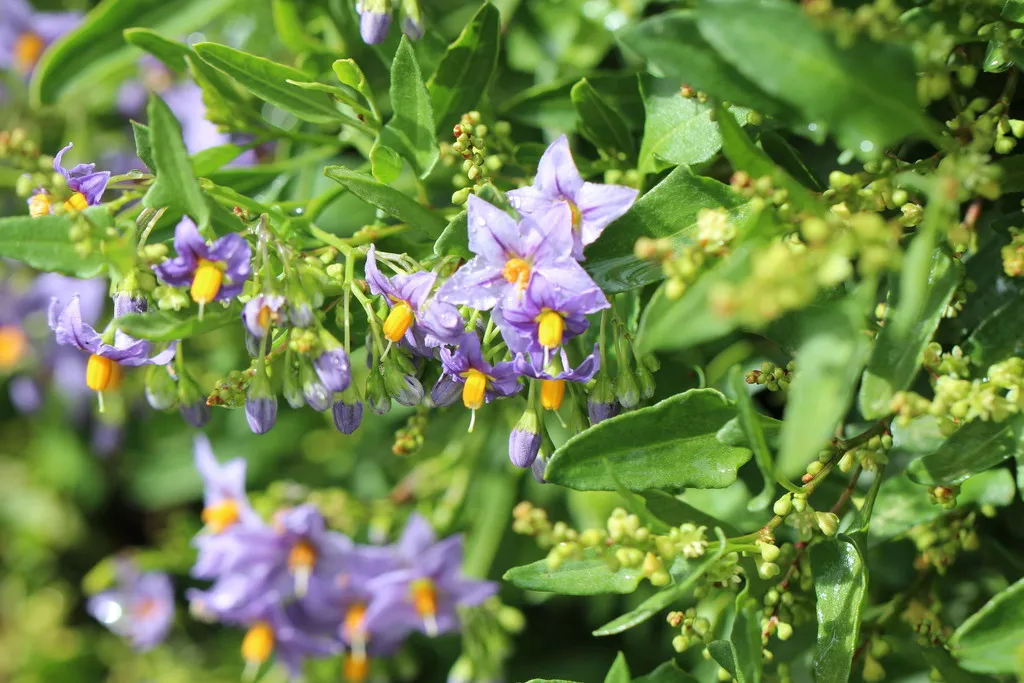
S. crispum is a vigorous, semi-evergreen, scrambling climber with downy stems to 6m long. Ovate leaves are variable in size but usually 6-12cm long. Flowers, borne in large clusters from summer into autumn, are slightly fragrant, 2.5-3cm in diameter and a rich purple-blue with bright yellow anthers closely-packed at the centre of each flower. Small cream berries follow the flowers in autumn
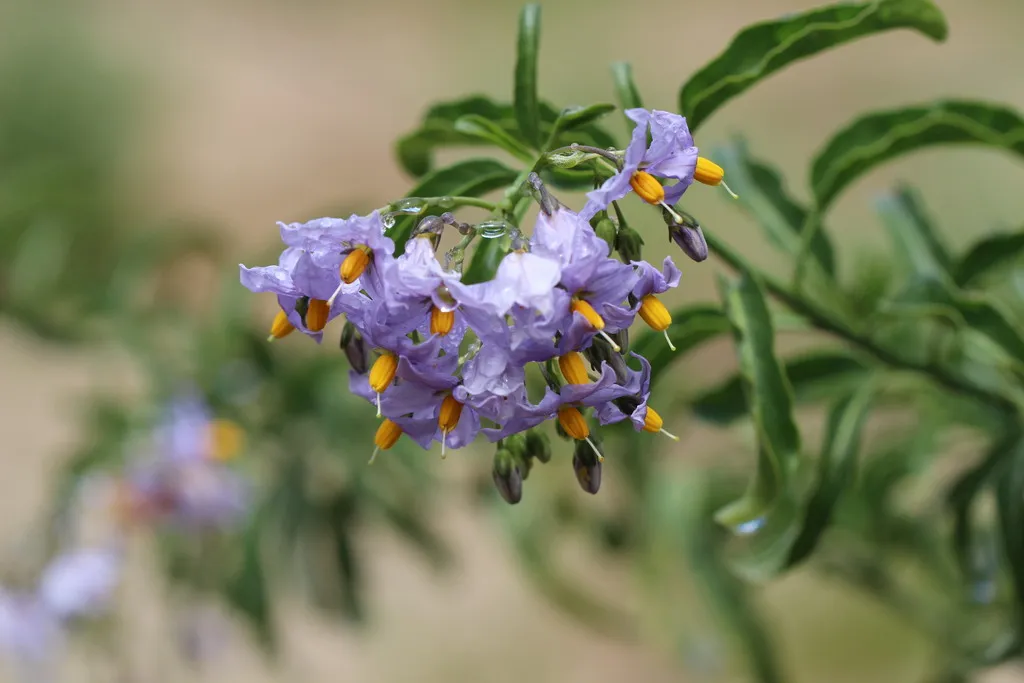
Scientific classification
- Species
- potato tree (Solanum crispum)
- Genus
- Solanum
- Family
- Solanaceae
- Information to be completed
- Toxicity
- Climber Wall Shrub · Conservatory Greenhouse
- Plant type
- 4-8 metres
- Height
- 1.5-2.5 metres
- Spread
- Semi evergreen
- Foliage
- Climbing
- Habit
- Spring · Summer · Autumn · Winter
- Season of interest
- Full sun
- Sunlight
- Information to be completed
- Ideal temperature









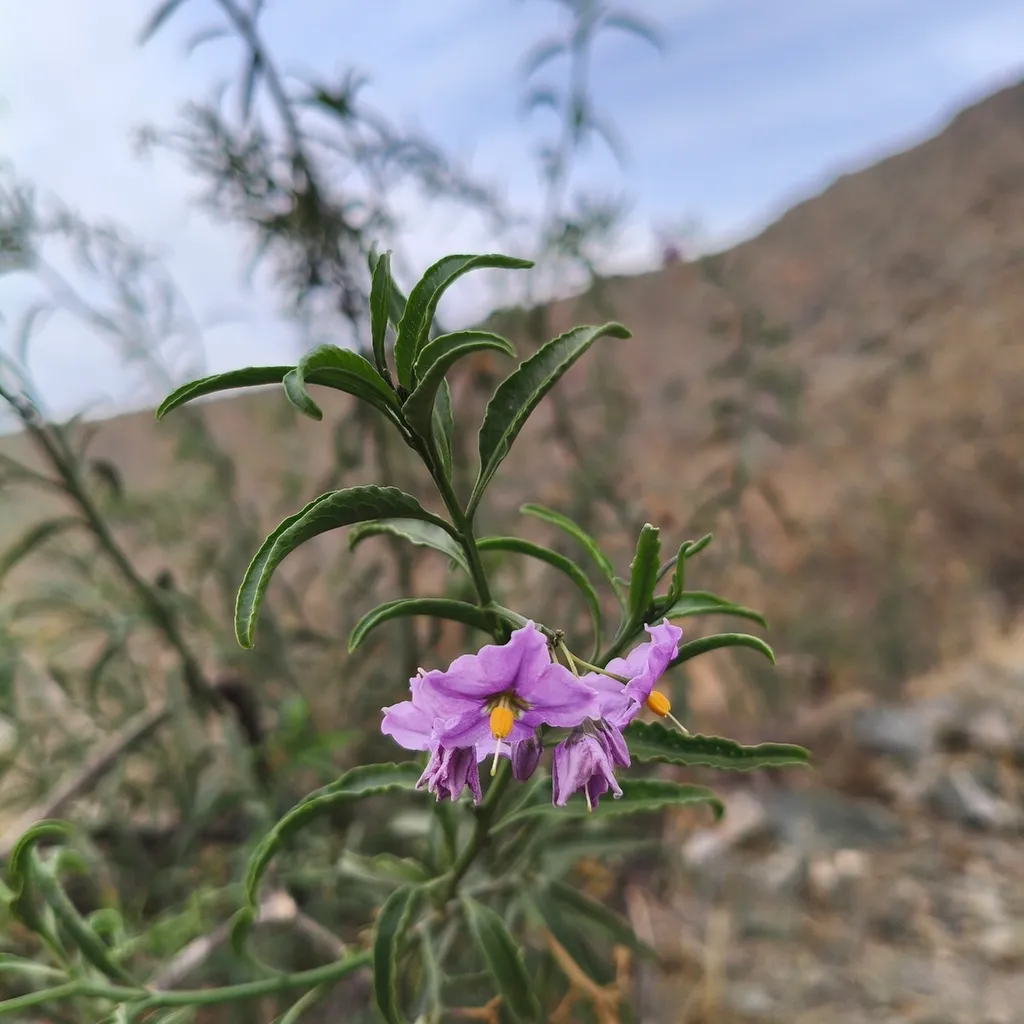
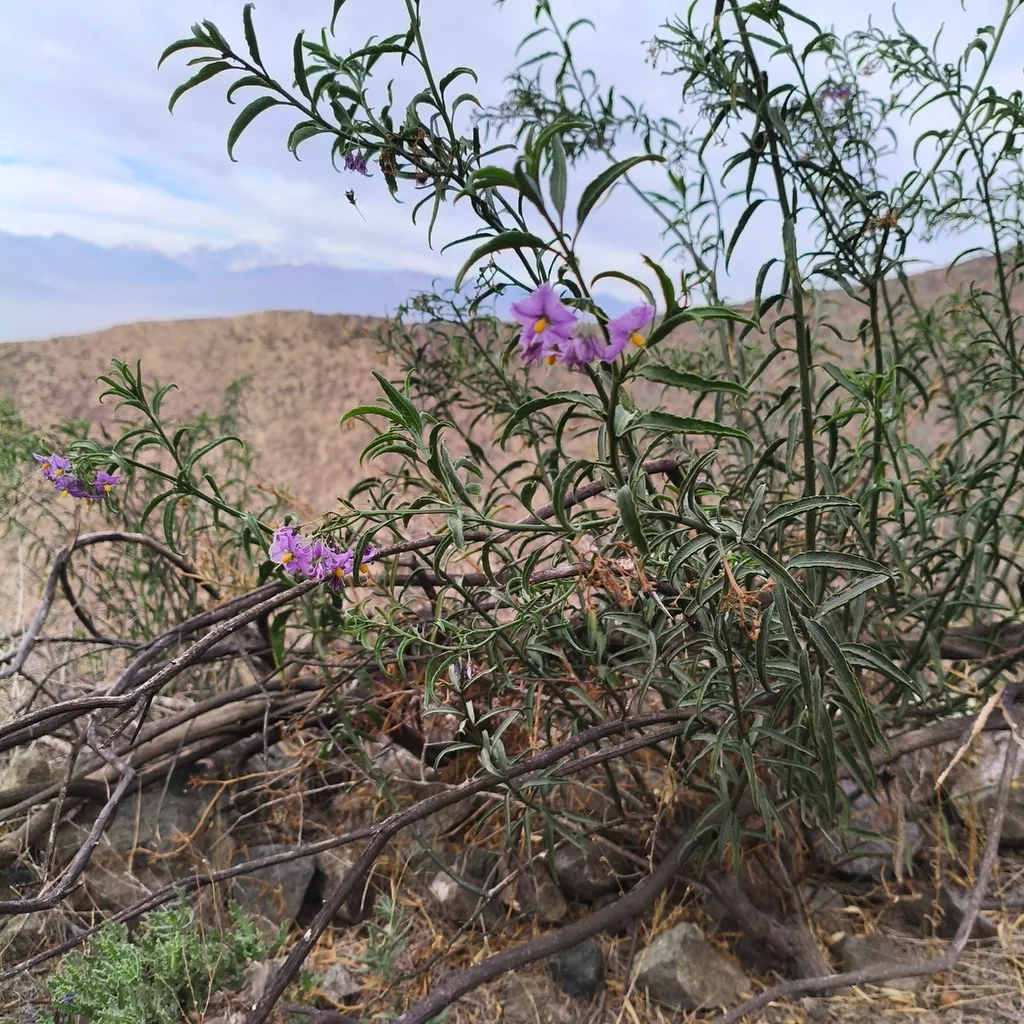
potato tree pictures
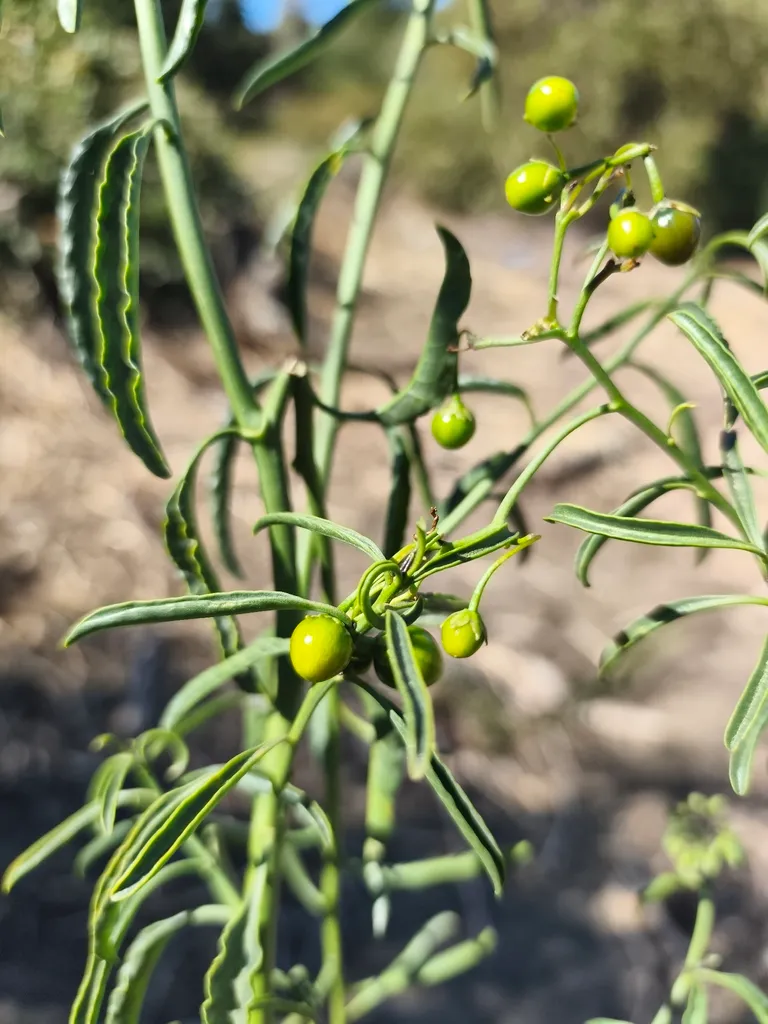
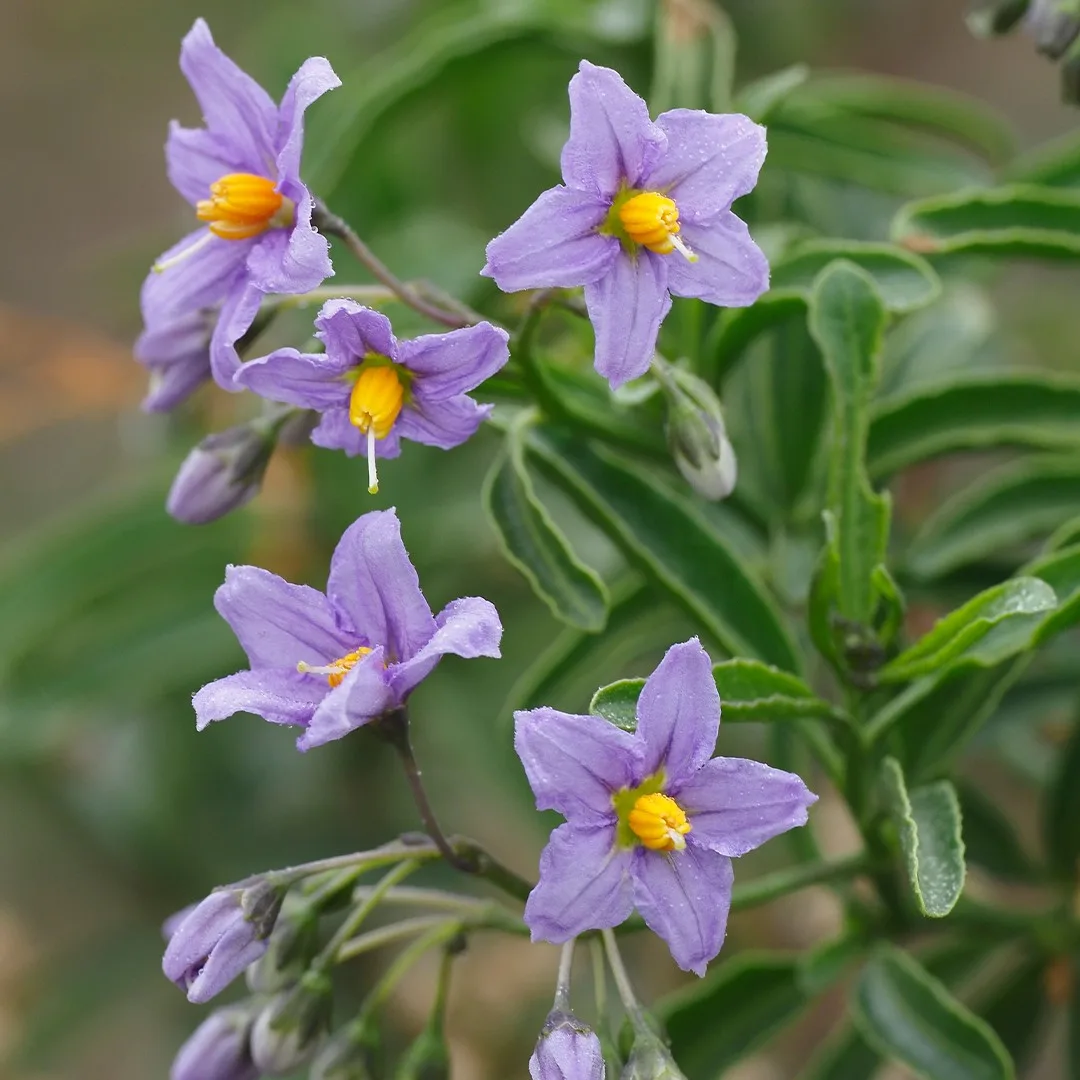
Distribution of potato tree
Distribution map
- Native
- Introduced
- Cultivated
Source:WCVP v16 · Royal Botanic Gardens, Kew · CC BY 3.0 · Boundaries:WGSRPD / TDWG
Culture
Information to be completed
Toxicity
Information to be completed
Quick identification of potato tree
Information to be completed
potato tree care guide
- Regular moderate watering, reduce water intake during cold winter dormancy
- Watering
- Full sun
- Sunlight
- Information to be completed
- Ideal temperature

Watering
Regular moderate watering, reduce water intake during cold winter dormancy
Fertilizing
 Fertilizing
Flowering climbing shrub feed monthly spring until summer blooming ends
Pruning
 Pruning
On established plants, shorten sideshoots to three or four buds from the permanent framework; remove crowded or damaged shoots. Prune after flowering has finished.
Propagation
 Propagation
Propagate by semi-hardwood cuttings
Growing
 Growing
Grow under glass in loam-based compost in full light, sheltered from hot sun, or bright indirect light. Grow outdoors in moist but well-drained fertile soil in neutral to slightly alkaline soil in full sun. Support plants and tie in regularly
People also ask
Information to be completed
Common pests and diseases
Diseases
May be susceptible to honey fungus (rarely), tomato spotted wilt and grey moulds
Pests
May be susceptible to aphids and glasshouse red spider mite
Explore the plant health library →




