
Iris histrioides
Also known as: Information to be completed
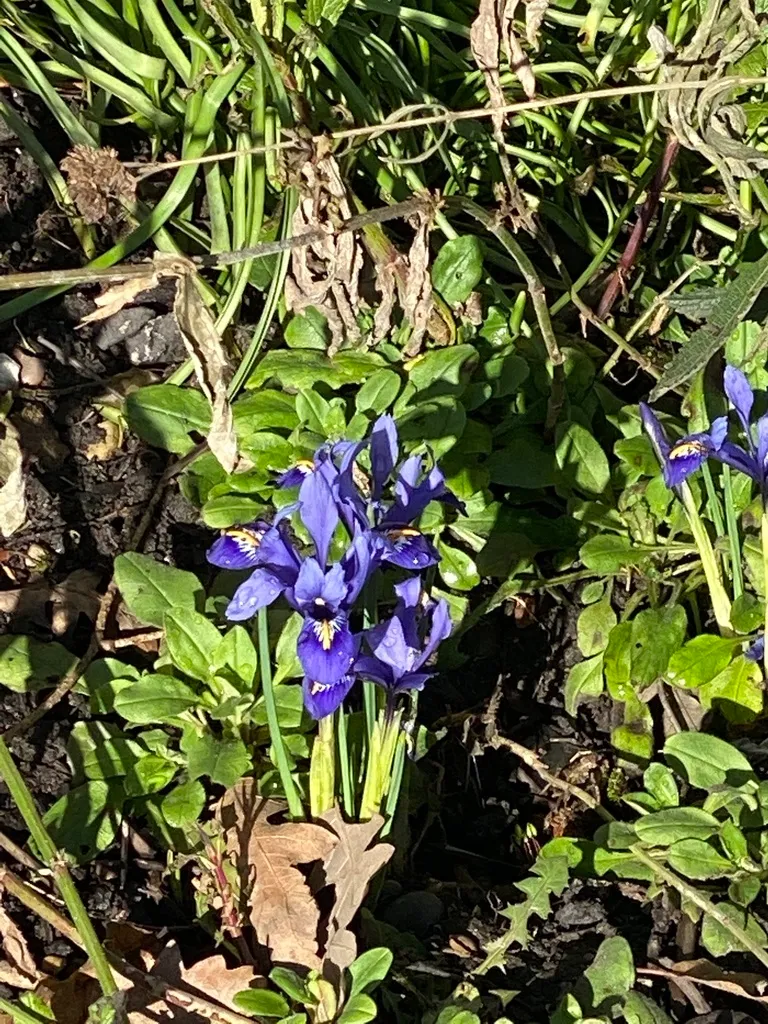
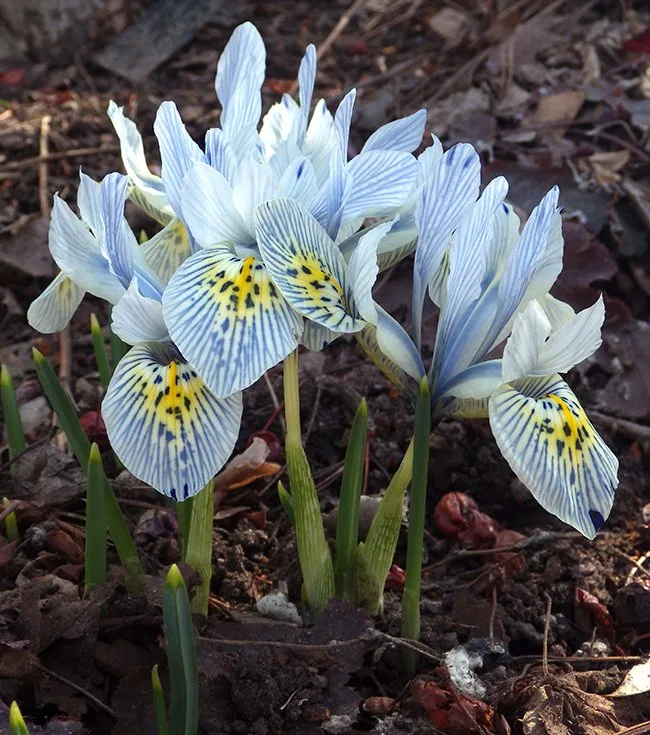
A compact perennial bulb, to around 15cm high, with upright, broadly sword-shaped, angled green leaves. Flowers are produced alongside the new leaves in early spring, and are violet blue with white markings and a yellow ridge on the falls
Scientific classification
- Species
- Iris histrioides (Iris histrioides)
- Genus
- Iris
- Family
- Iridaceae
- Harmful if eaten. Wear gloves and other protective equipment when handling
- Toxicity
- Bulbs
- Plant type
- 0.5-1 metres
- Height
- 0.1-0.5 metres
- Spread
- Deciduous
- Foliage
- Clump forming
- Habit
- Spring
- Season of interest
- Full sun
- Sunlight
- Information to be completed
- Ideal temperature









Iris histrioides pictures
Distribution of Iris histrioides
Distribution map
Information to be completed
Information to be completed
Culture
Information to be completed
Toxicity
Harmful if eaten. Wear gloves and other protective equipment when handling
Quick identification of Iris histrioides
Information to be completed
Iris histrioides care guide
- Light regular watering foliage growth, dry dormant bulb soil
- Watering
- Full sun
- Sunlight
- Information to be completed
- Ideal temperature

Watering
Light regular watering foliage growth, dry dormant bulb soil
Fertilizing
 Fertilizing
Low-strength bulb fertilizer applied before bud formation
Pruning
 Pruning
No pruning required
Propagation
 Propagation
Propagate by seed, sown in pots in a cold frame in autumn or spring. Lift and separate bulbs in early autumn
Growing
 Growing
Grow in well-drained neutral or slightly alkaline soil in sun or part shade. See bulb iris cultivation
People also ask
Information to be completed
Common pests and diseases
Diseases
May be susceptible to leaf spots, ink disease, rust diseases, bulb rot and viruses; see Iris diseases for more details
Pests
May be susceptible to aphids, slugs, snails and thrips
Explore the plant health library →




