
common caper
Also known as: caper
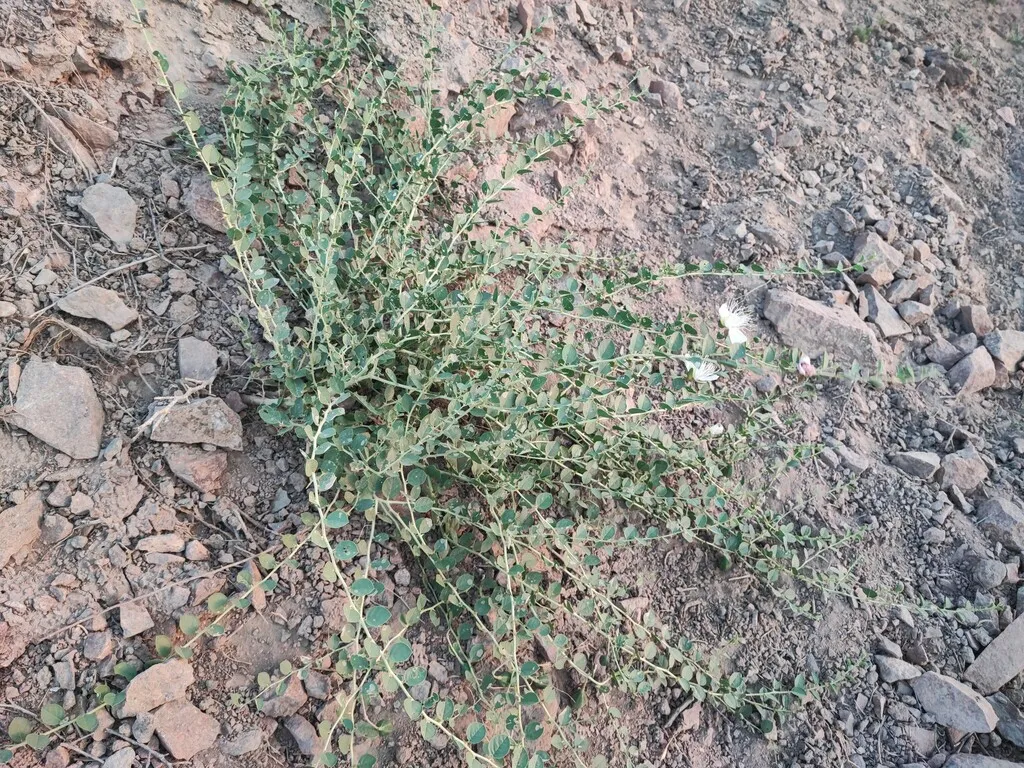
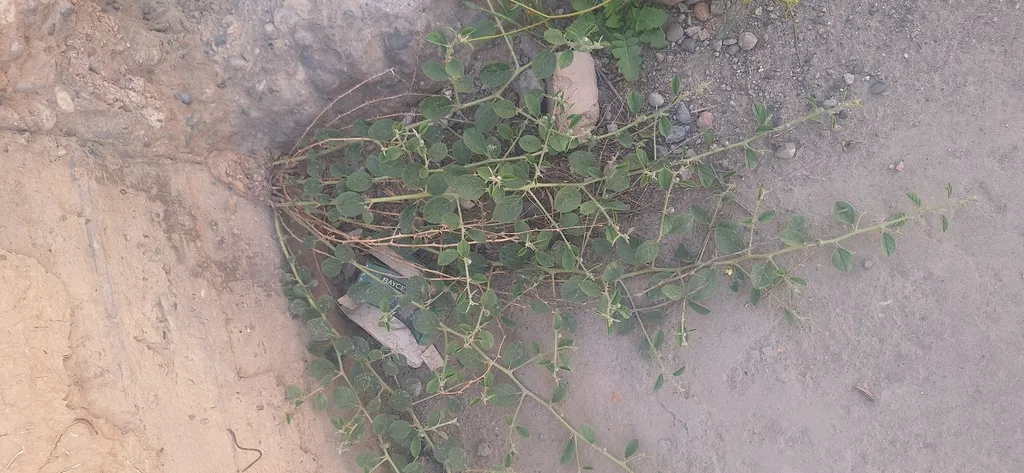
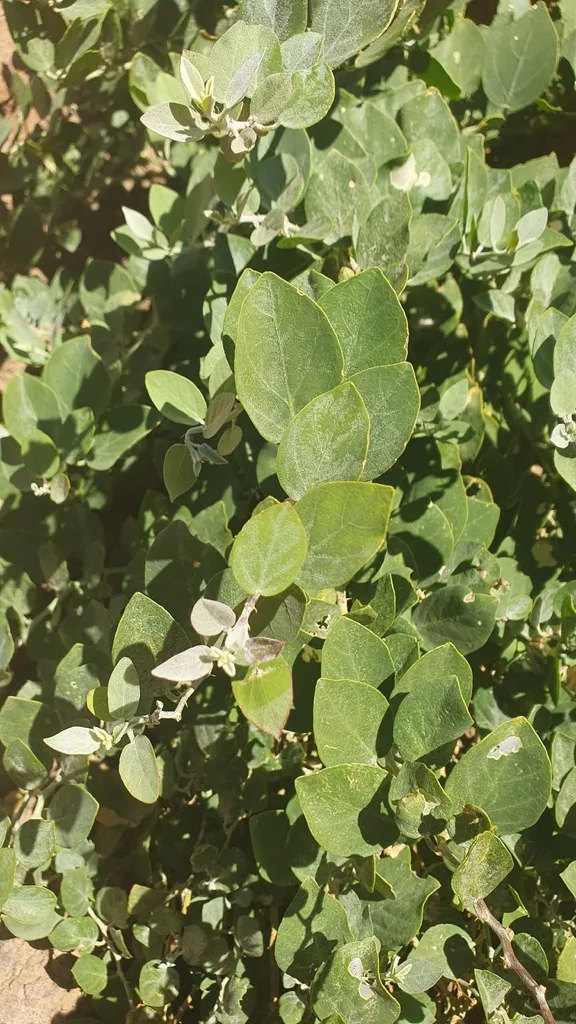
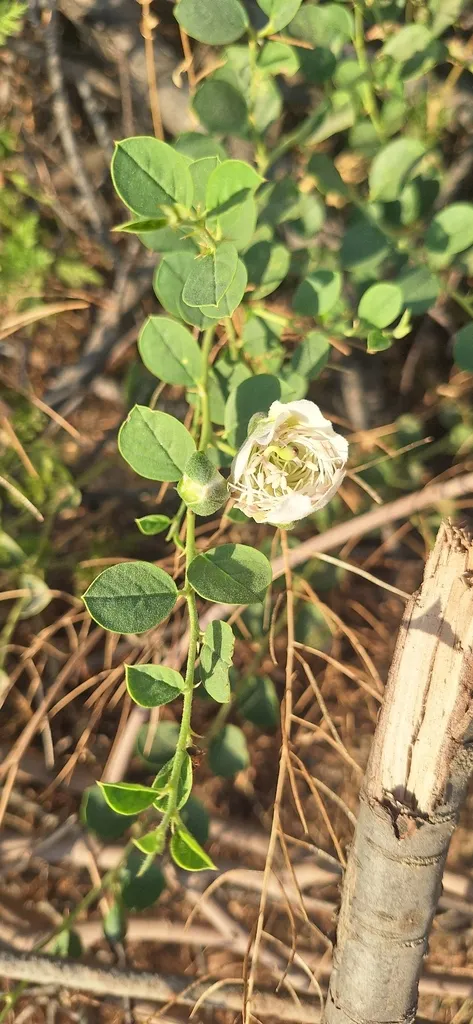
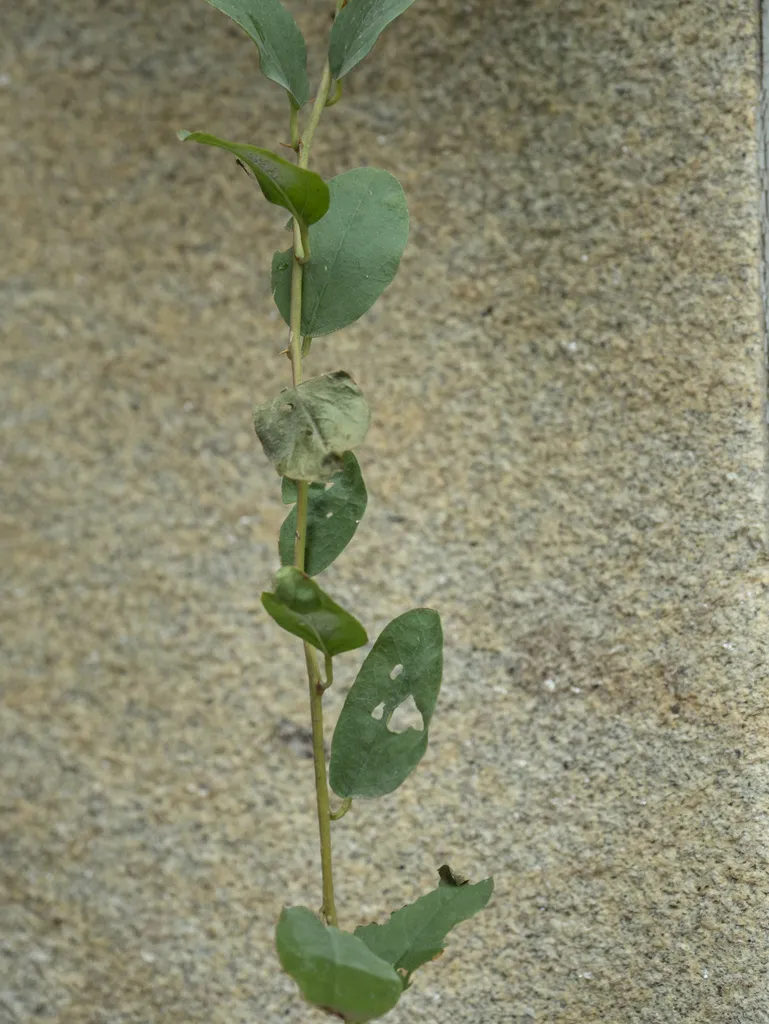
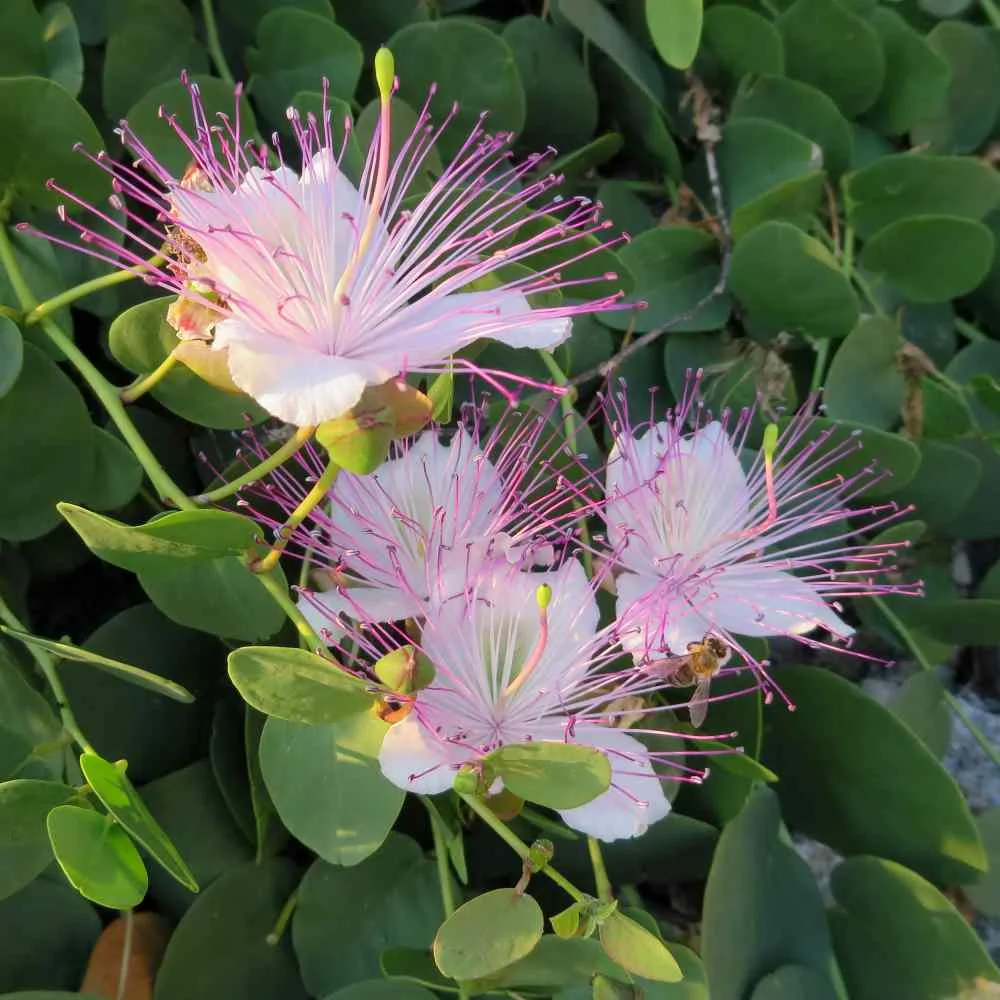
A tender, sprawling, shrub to 1m tall, bearing round, grey-green leaves to 4cm across. In summer it produces flowers comprised of four white petals surrounding a tuft of white to pink stamens. The unopened flower buds are pickled or salted and eaten as capers, as are the long-stalked, olive-shaped berries (caperberries)
Scientific classification
- Species
- common caper (Capparis spinosa)
- Genus
- Capparis
- Family
- Capparaceae
- Information to be completed
- Toxicity
- Shrubs
- Plant type
- 0.5-1 metres
- Height
- 0.5-1 metres
- Spread
- Deciduous
- Foliage
- Bushy
- Habit
- Spring · Summer · Autumn
- Season of interest
- Full sun
- Sunlight
- Information to be completed
- Ideal temperature









common caper pictures
Distribution of common caper
Distribution map
Southern Eurasia, Australia
Information to be completed
Culture
Information to be completed
Toxicity
Information to be completed
Quick identification of common caper
Information to be completed
common caper care guide
- Water deeply infrequently, allow full soil drying between irrigation rounds
- Watering
- Full sun
- Sunlight
- Information to be completed
- Ideal temperature

Watering
Water deeply infrequently, allow full soil drying between irrigation rounds
Fertilizing
 Fertilizing
Diluted low-strength general feed once every six warm season weeks
Pruning
 Pruning
Shorten last year's flowering stems to one or two buds from the older woody framework. Remove thin, weak and dead shoots. Prune in early to mid-spring as growth resumes; avoid winter pruning that exposes new shoots to frost.
Propagation
 Propagation
Propagate by seed soaked in warm water for 2-3 days prior to sowing, at a temperature of 18-21°C. Germination is slow and erratic
Growing
 Growing
Under glass grow in loam-based compost with added extra grit. Water moderately during the growing season and apply a high potash fertiliser monthly; water sparingly in winter
People also ask
Information to be completed
Common pests and diseases
Diseases
Generally disease-free
Pests
May be susceptible to mealybugs
Explore the plant health library →




