
English iris
Also known as: great bulbous iris; Pyrenean flag
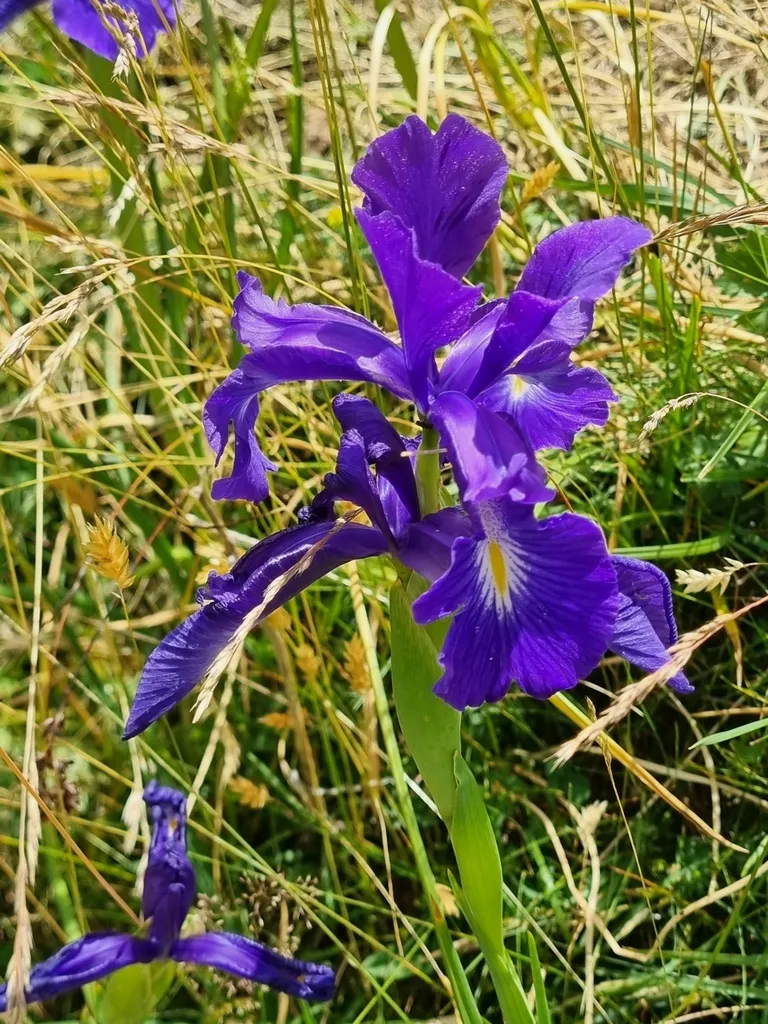
I. latifolia is a bulbous perennial to 60cm tall, with erect, narrowly lance-shaped leaves and violet, violet-blue or white flowers 8-10cm wide, each fall whitish at the base
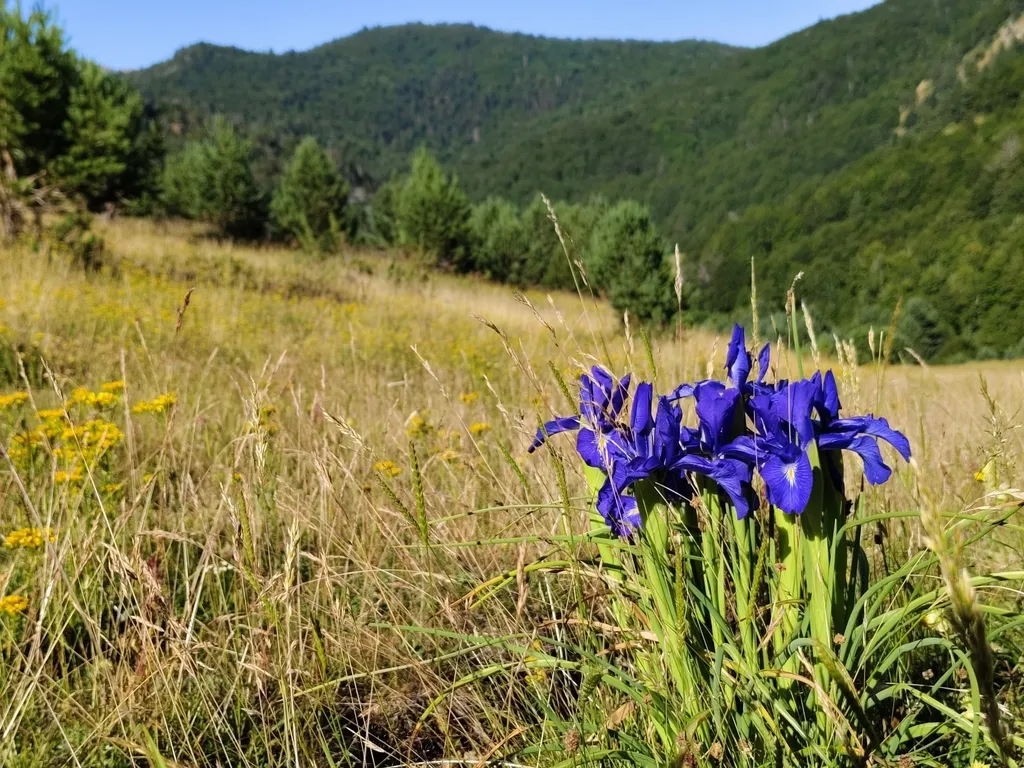
Scientific classification
- Species
- English iris (Iris latifolia)
- Genus
- Iris
- Family
- Iridaceae
- Harmful if eaten. Wear gloves and other protective equipment when handling
- Toxicity
- Bulbs
- Plant type
- 0.5-1 metres
- Height
- 0-0.1 metre
- Spread
- Deciduous
- Foliage
- Clump forming
- Habit
- Spring · Summer · Autumn
- Season of interest
- Full sun
- Sunlight
- Information to be completed
- Ideal temperature









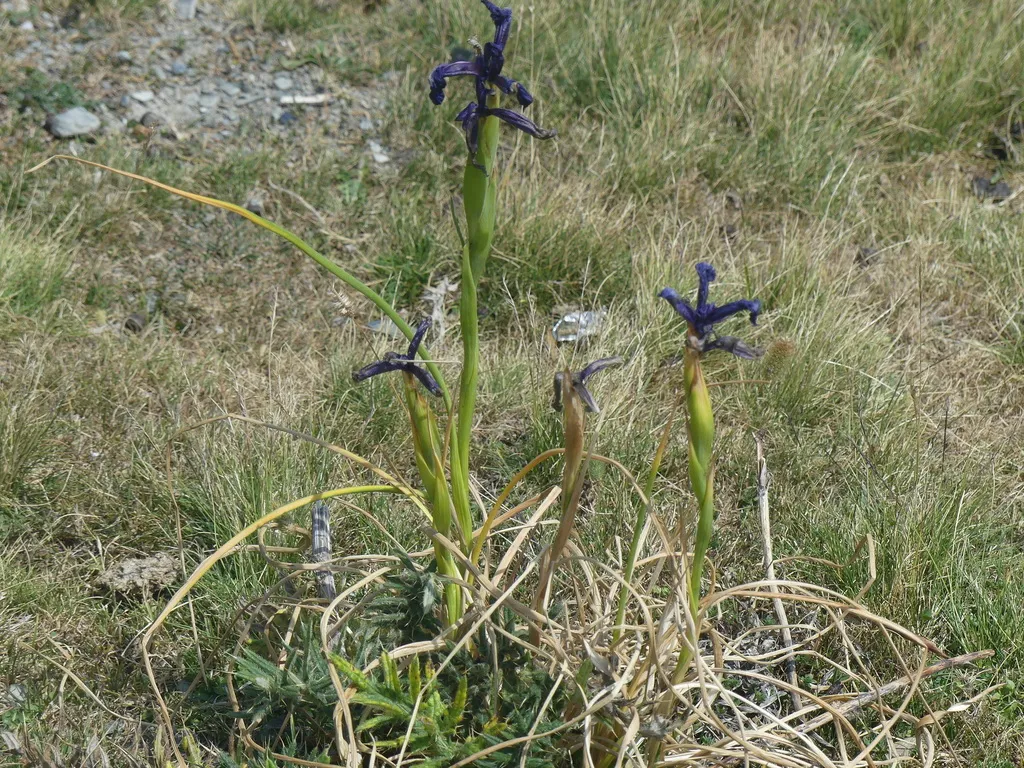
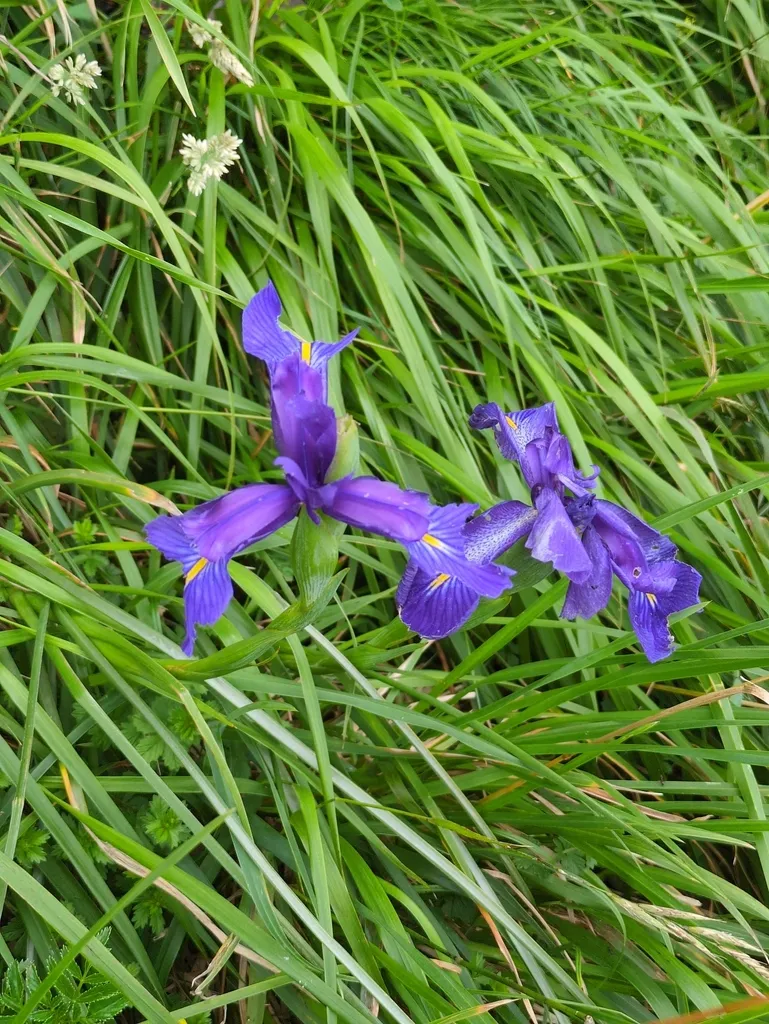
English iris pictures
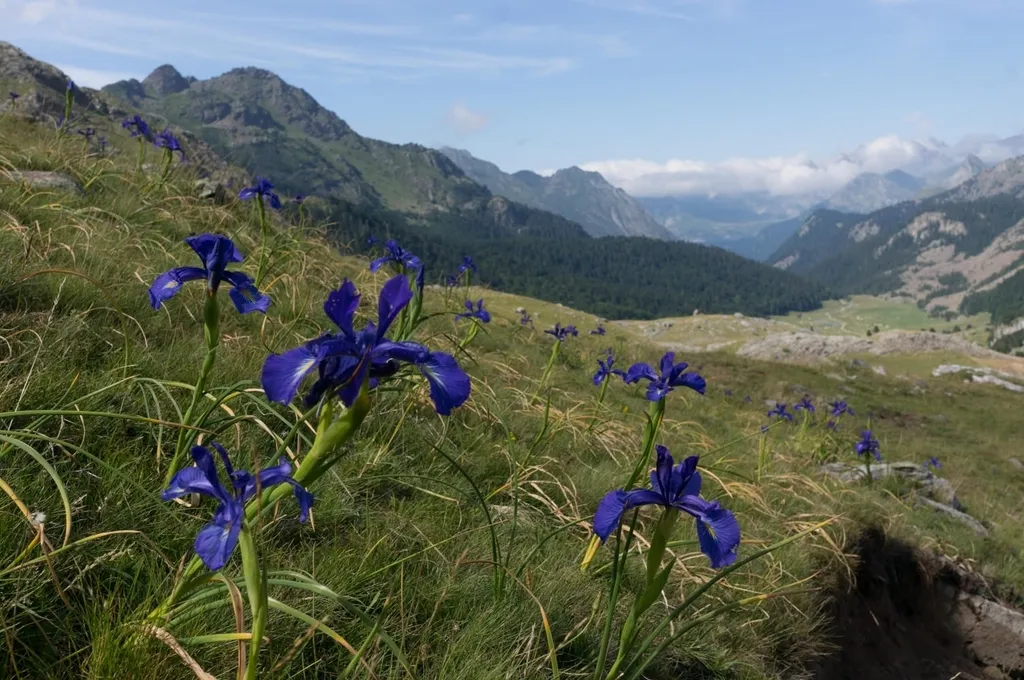
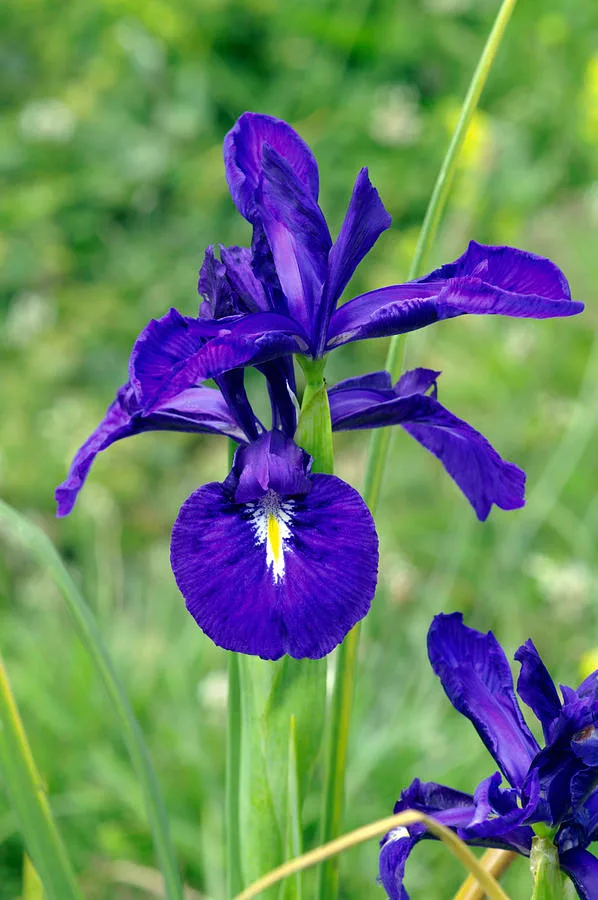
Distribution of English iris
Distribution map
Pyrenees, Spain
Information to be completed
Culture
Information to be completed
Toxicity
Harmful if eaten. Wear gloves and other protective equipment when handling
Quick identification of English iris
Information to be completed
English iris care guide
- Water moderately, let surface dry slightly between irrigations
- Watering
- Full sun
- Sunlight
- Information to be completed
- Ideal temperature

Watering
Water moderately, let surface dry slightly between irrigations
Fertilizing
 Fertilizing
Low nitrogen feed in spring before and after bloom
Pruning
 Pruning
No pruning required, Remove the foliage once it has died down
Propagation
 Propagation
Lift and propagate by division in early autumn. Propagate by seed; sow seeds in cold frame in spring or autumn
Growing
 Growing
Grow in moist but well-drained neutral or slightly alkaline soil, preferably in a sunny spot where the soil does not dry out. See bulb iris cultivation for further advice. May be naturalised in grass
People also ask
Information to be completed
Common pests and diseases
Diseases
May be susceptible to aphid-borne viruses, bacterial soft rot and grey moulds; see Iris diseases
Pests
May be susceptible to slugs and snails
Explore the plant health library →




