
common lime
Also known as: European basswood; European lime; Russian bast tree
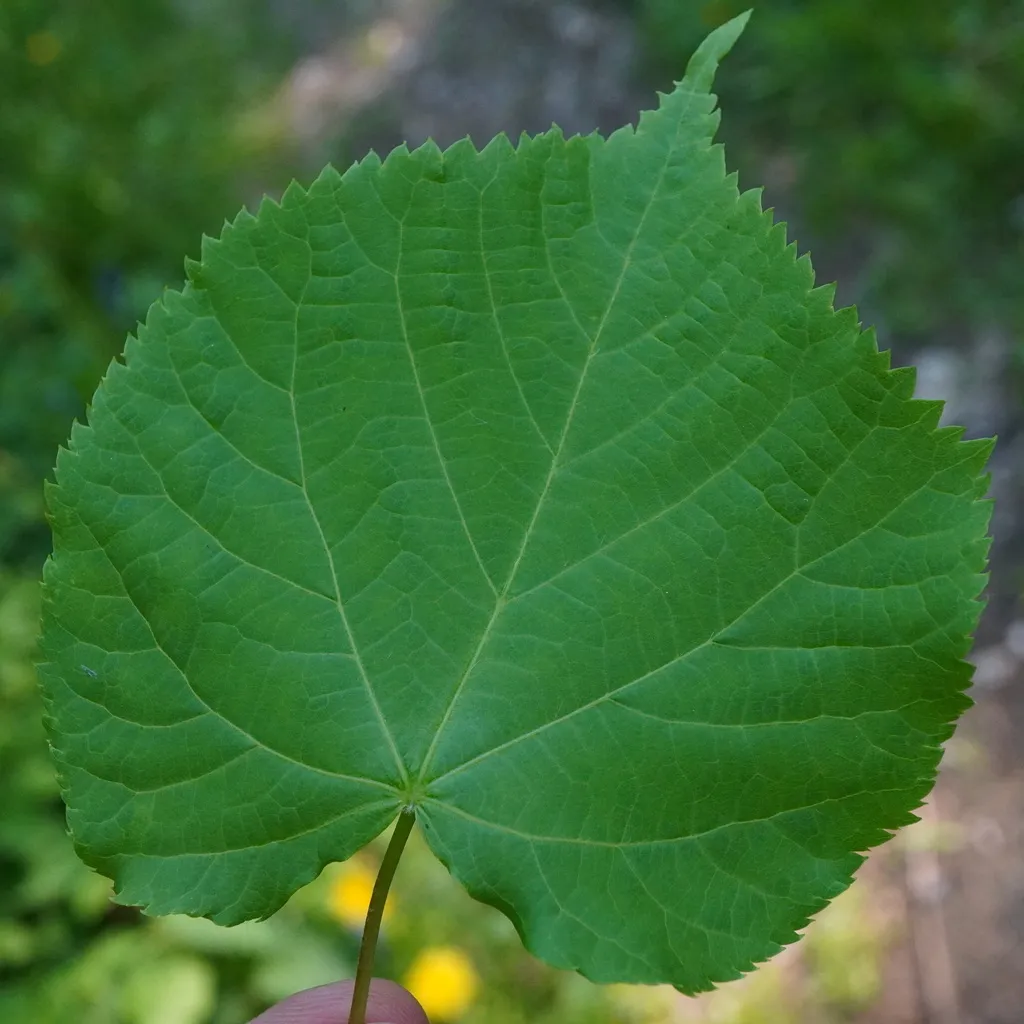
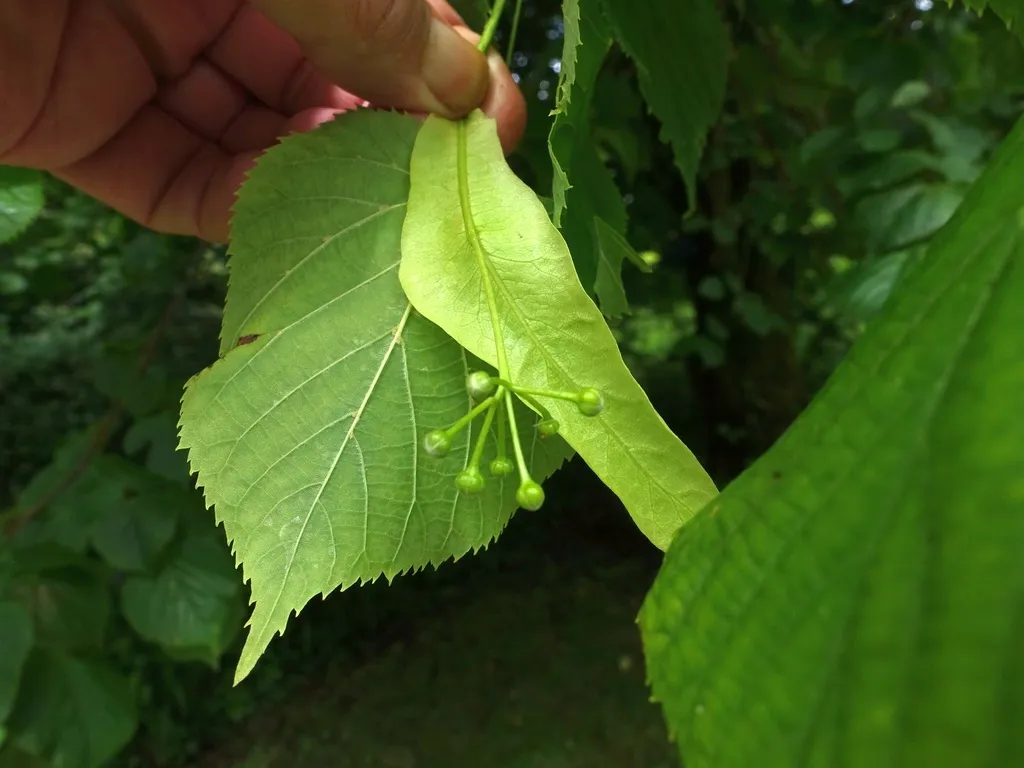
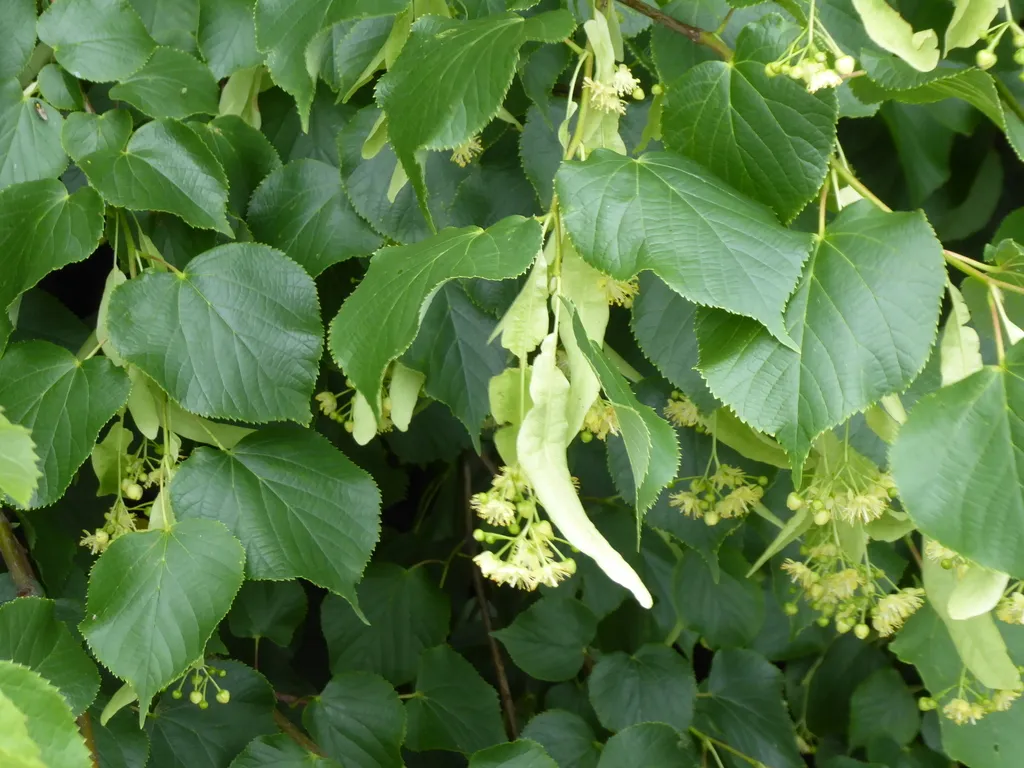
A large, deciduous tree reaching over 30m. The asymmetric heart-shaped leaves are green turning yellow in autumn. Highly fragrant flowers in summer are cream-green but scarcely visible. In the winter, the young, bare twigs are red-bronze
Scientific classification
- Species
- common lime (Tilia × europaea)
- Genus
- Tilia
- Family
- Malvaceae
- Order
- Malvales
- Class
- Magnoliopsida
- Phylum
- Magnoliophyta
- Information to be completed
- Toxicity
- Trees
- Plant type
- Higher than 12 metres
- Height
- wider than 8 metres
- Spread
- Deciduous
- Foliage
- Information to be completed
- Habit
- Autumn · Spring · Summer · Winter
- Season of interest
- Full sun
- Sunlight
- Information to be completed
- Ideal temperature









common lime pictures
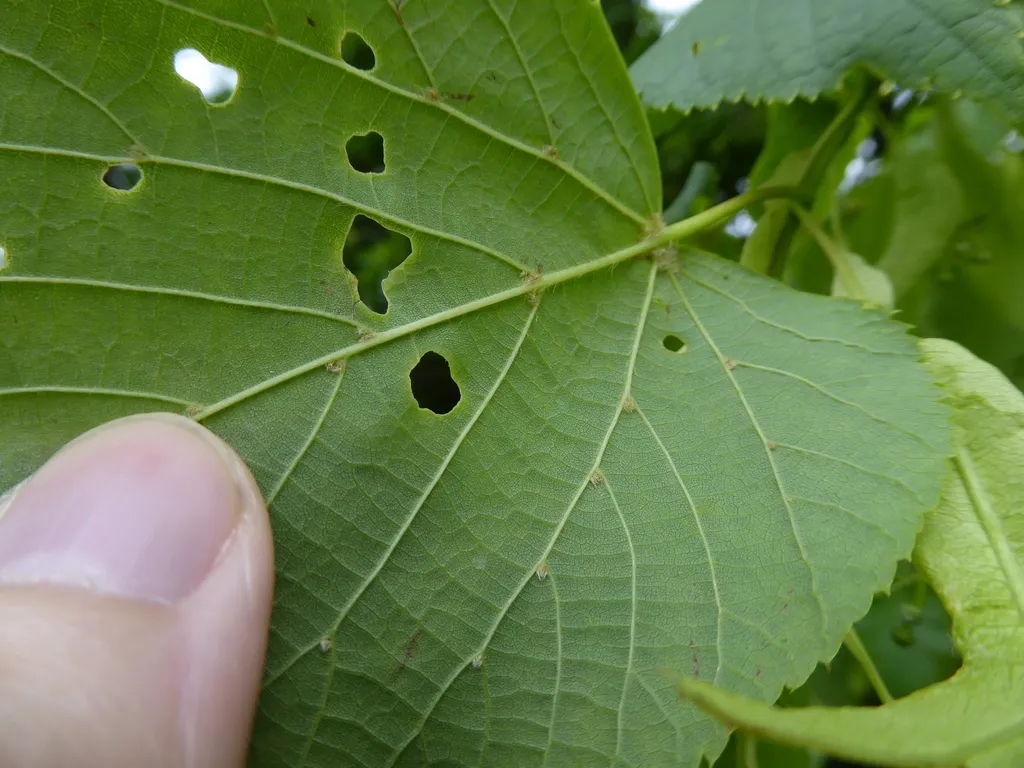
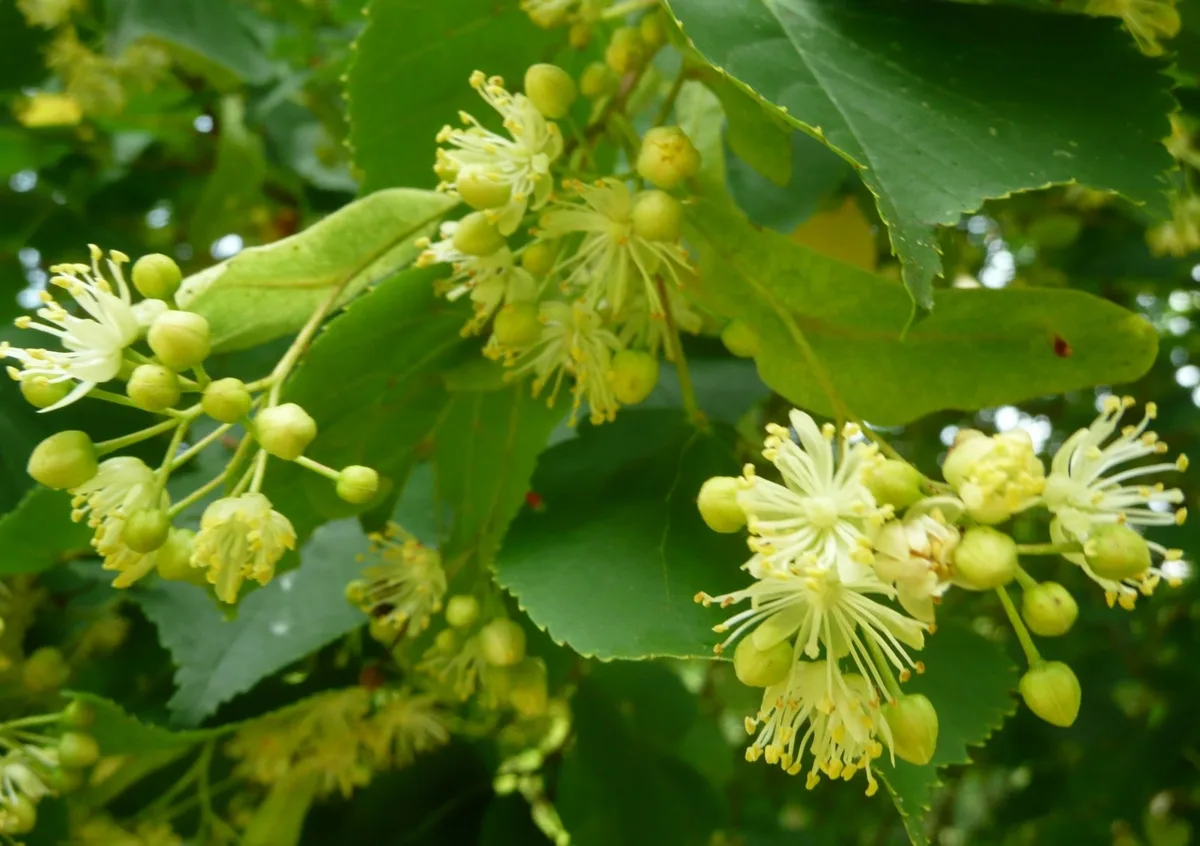
Distribution of common lime
Distribution map
- Native
- Introduced
- Cultivated
Source:WCVP v16 · Royal Botanic Gardens, Kew · CC BY 3.0 · Boundaries:WGSRPD / TDWG
common lime care guide
- Deep infrequent watering, full root zone hydration each irrigation
- Watering
- Full sun
- Sunlight

Watering
Deep infrequent watering, full root zone hydration each irrigation
Fertilizing
 Fertilizing
Slow release ornamental tree feed applied once per early spring
Pruning
 Pruning
Little pruning is needed. Remove diseased, damaged, crowded or crossing shoots and unwanted growth. Timing depends on the plant: generally late winter or early spring; plants prone to bleeding and deciduous magnolias need different timing, and deciduous azaleas and lilacs are pruned after flowering.
Propagation
 Propagation
Propagate by seed. For more advice see propagate from seed (tree/shrub)
Growing
 Growing
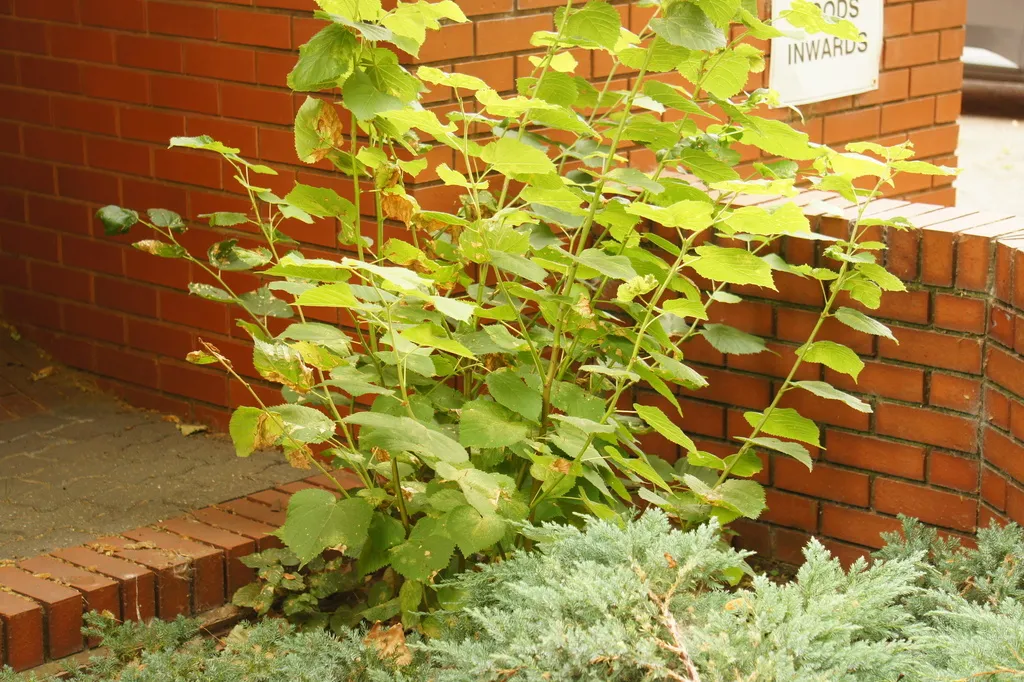
Suitable for parks and very large gardens. Grow in fertile soil in full sun. Highly prone to suckering at the base of the trunk. For more advice see tree cultivation
Common pests and diseases
Diseases
May be susceptible to sooty mould, phytophthora root disease and honey fungus
Pests
May be susceptible to aphids, horse chestnut scale, caterpillars, sawflies and gall mites
Explore the plant health library →




