
Aloe castanea
Also known as: Information to be completed
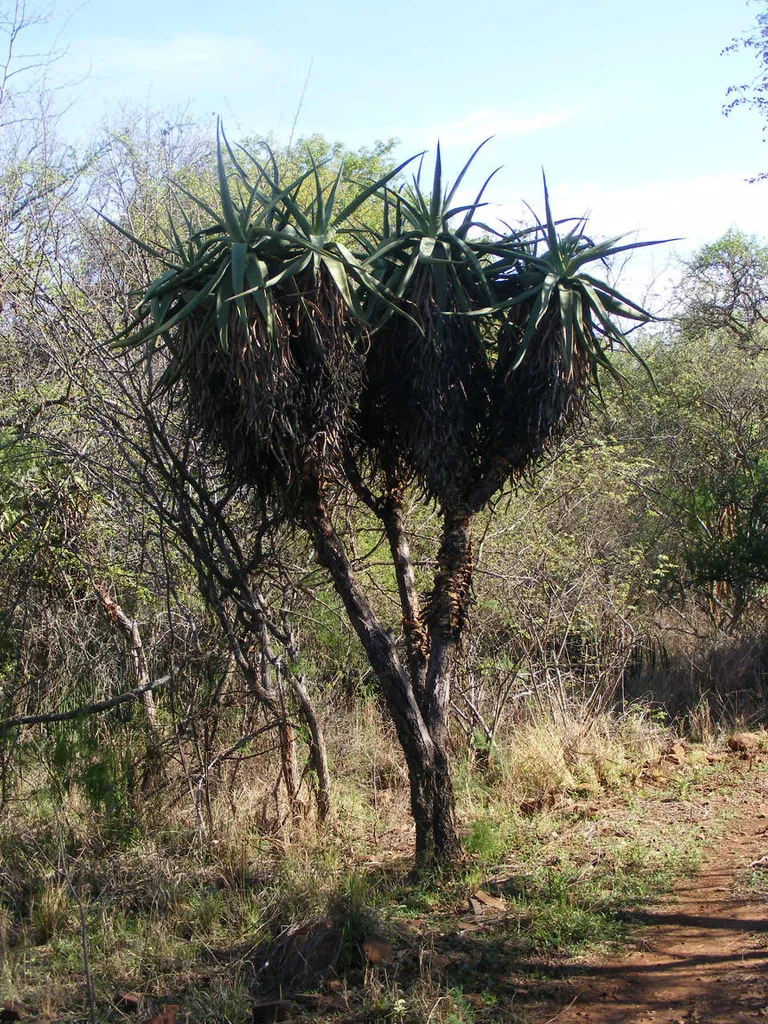
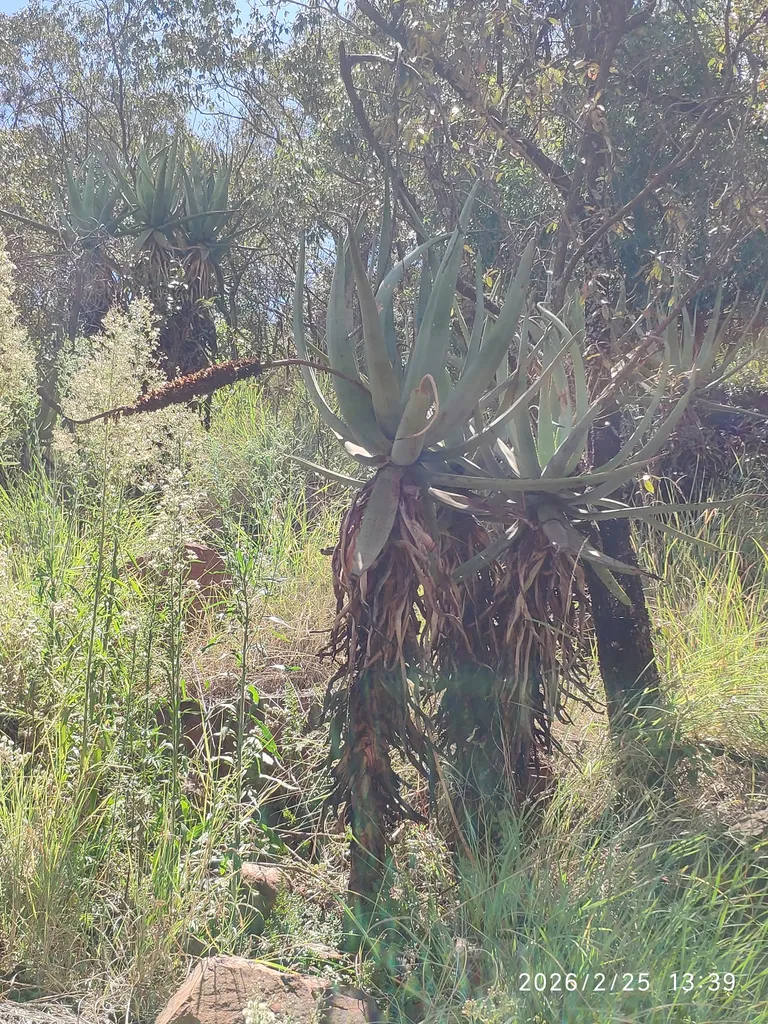
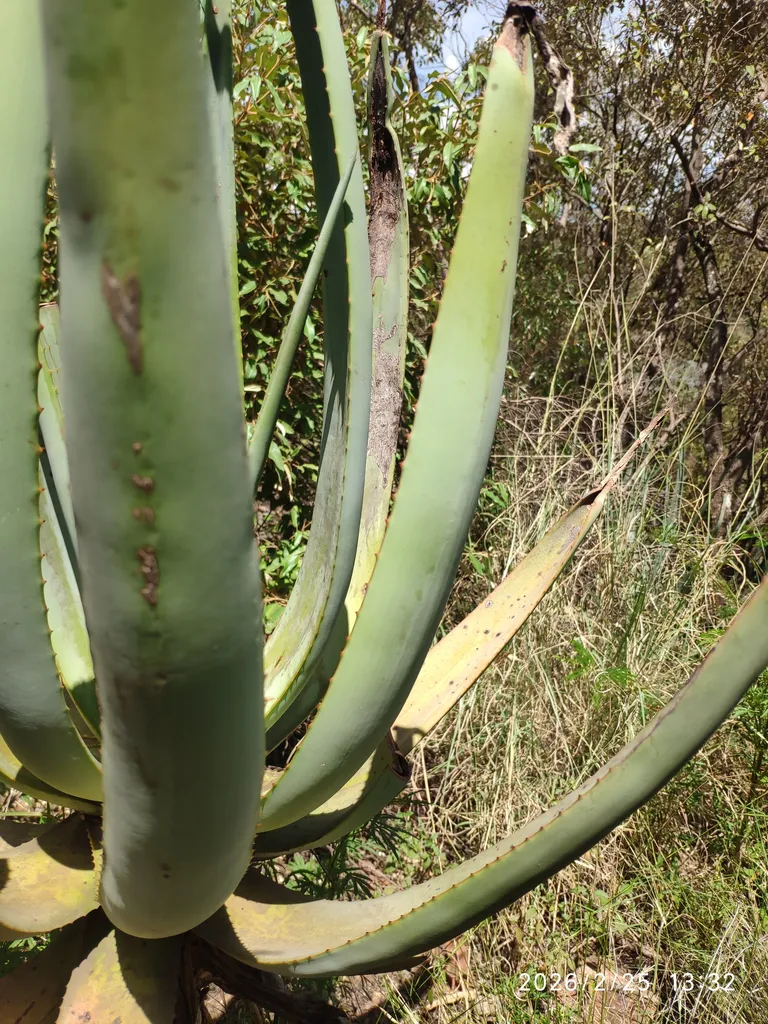
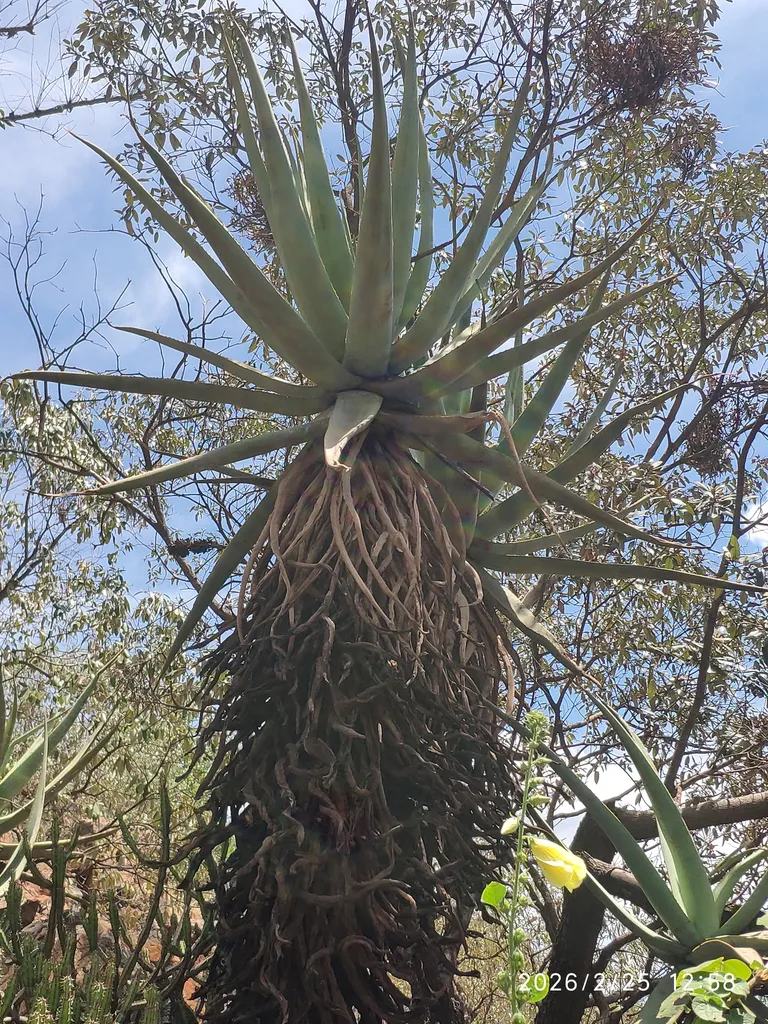
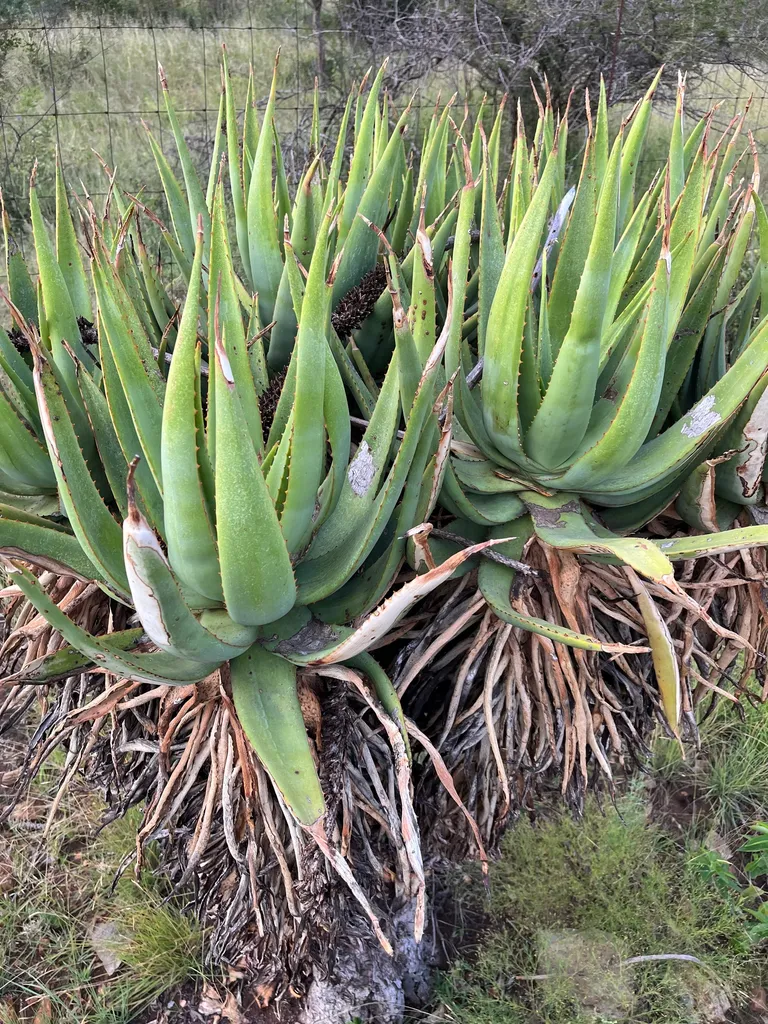
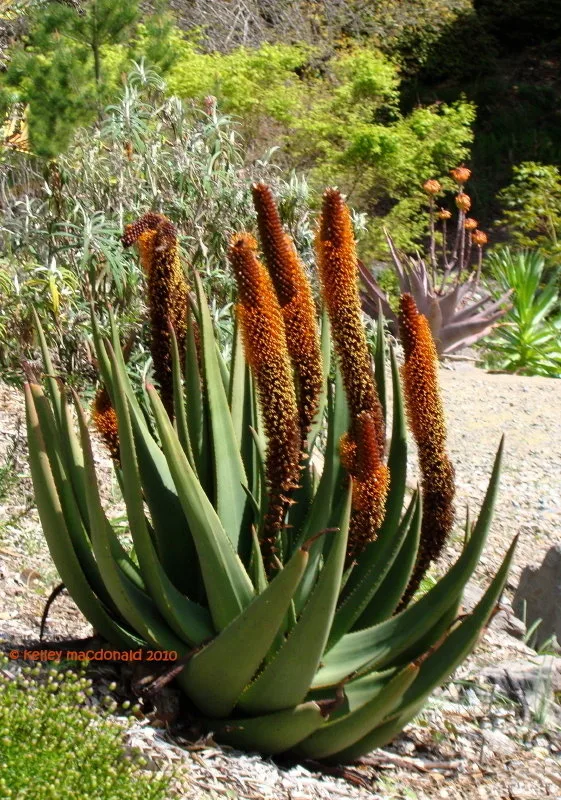
A succulent, evergreen perennial forming a rosette of thick, fleshy, grey-green leaves, toothed at the margins. Mature plants may produce a flower stalk to 1m long, of densely packed brown flowers
Scientific classification
- Species
- Aloe castanea (Aloe castanea)
- Genus
- Aloe
- Family
- Asphodelaceae
- Harmful if eaten. Wear gloves and other protective equipment when handling
- Toxicity
- Cactus Succulent · Conservatory Greenhouse
- Plant type
- 1-1.5 metres
- Height
- 1-1.5 metres
- Spread
- Evergreen
- Foliage
- Clump forming
- Habit
- Spring · Summer · Autumn · Winter
- Season of interest
- Full sun
- Sunlight
- Information to be completed
- Ideal temperature









Aloe castanea pictures
Distribution of Aloe castanea
Distribution map
Information to be completed
Information to be completed
Culture
Information to be completed
Toxicity
Harmful if eaten. Wear gloves and other protective equipment when handling
Quick identification of Aloe castanea
Information to be completed
Aloe castanea care guide
- Let gritty soil dry fully before each thorough watering cycle
- Watering
- Full sun
- Sunlight
- Information to be completed
- Ideal temperature

Watering
Let gritty soil dry fully before each thorough watering cycle
Fertilizing
 Fertilizing
Very dilute low-nitrogen succulent feed monthly in warm growth
Pruning
 Pruning
No pruning required
Propagation
 Propagation
Propagate by seed, or by stem or leaf cuttings
Growing
 Growing
In containers grow in a loam-based potting compost with extra added sharp sand or horticultural grit. Position plants in full sun. Water freely in growth and apply a balanced liqid fertiliser every month during the growing season. Move plants under glass during winter and keep the compost almost dry. See hardy cacti and succulent cultivation for further advice
People also ask
Information to be completed
Common pests and diseases
Diseases
Generally disease-free
Pests
May be susceptible to scale insects and mealybugs
Explore the plant health library →




