
red valerian
Also known as: fox; fox's brush; German lilac; pretty Betsy; Spanish valerian; spur valerian; Jupiter's beard; kiss-me-quick
A woody-based perennial, sometimes grown as a biennial, with grey-green leaves and dense clusters of crimson, pink or white, slightly fragrant flowers from late spring to autumn
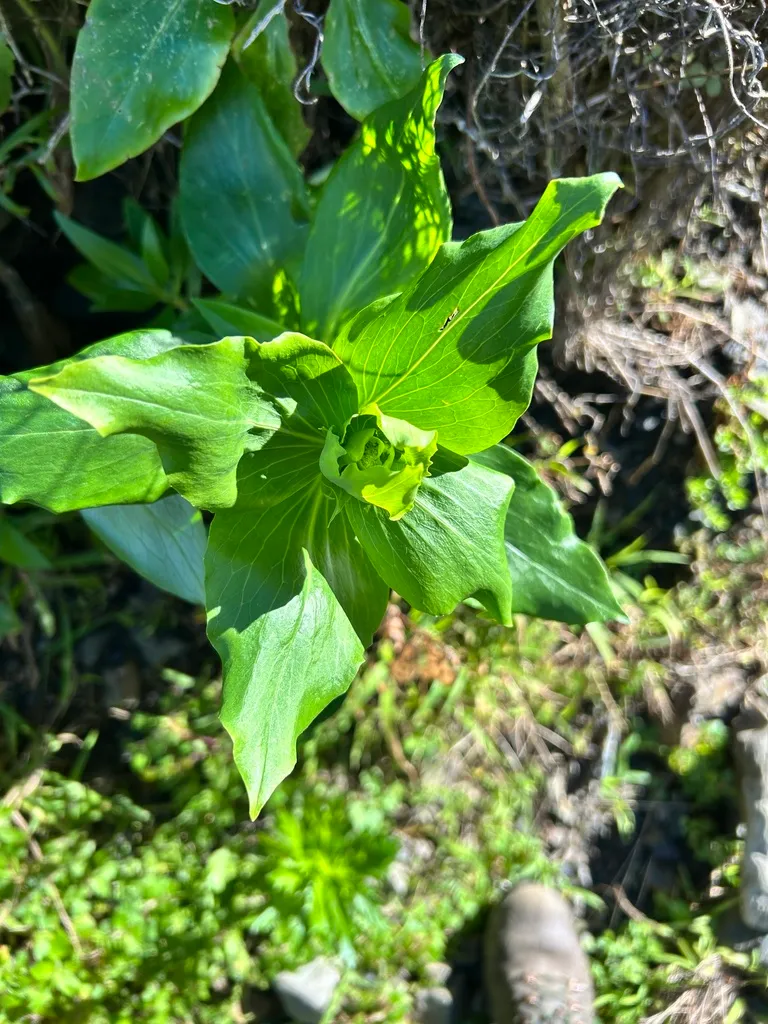
Scientific classification
- Species
- red valerian (Centranthus ruber)
- Genus
- Centranthus
- Family
- Caprifoliaceae
- Information to be completed
- Toxicity
- Annual Biennial · Herbaceous Perennial
- Plant type
- 0.5-1 metres
- Height
- 0.1-0.5 metres
- Spread
- Semi evergreen
- Foliage
- Columnar upright
- Habit
- Spring · Summer · Autumn · Winter
- Season of interest
- Full sun
- Sunlight
- Information to be completed
- Ideal temperature









red valerian pictures
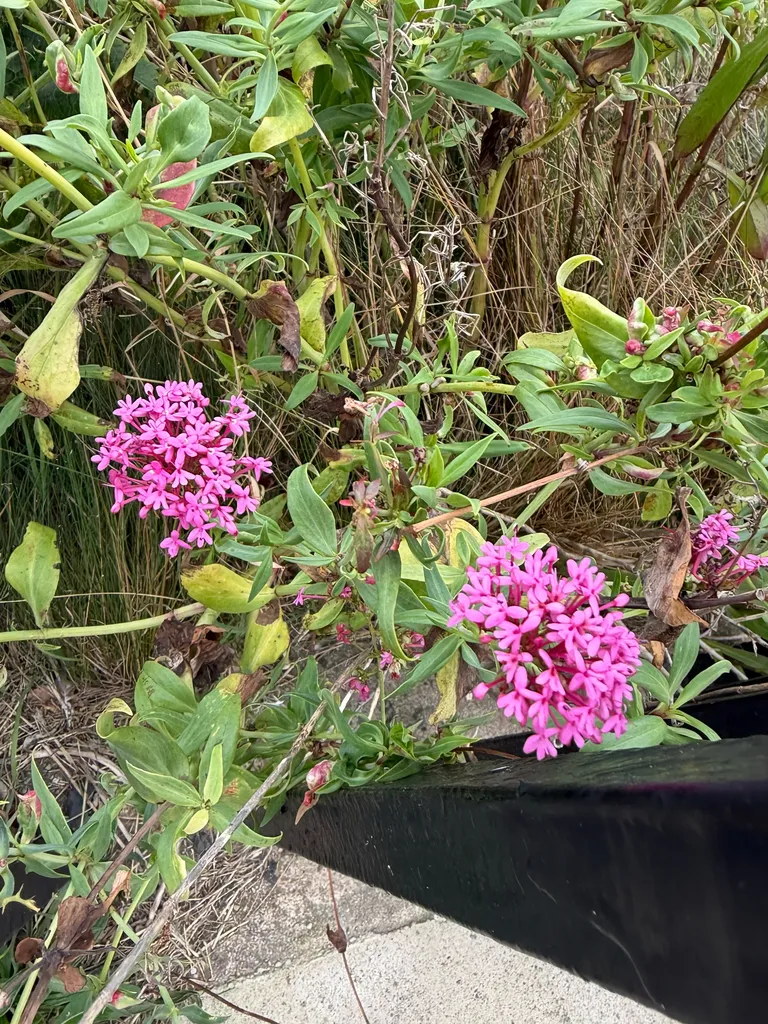
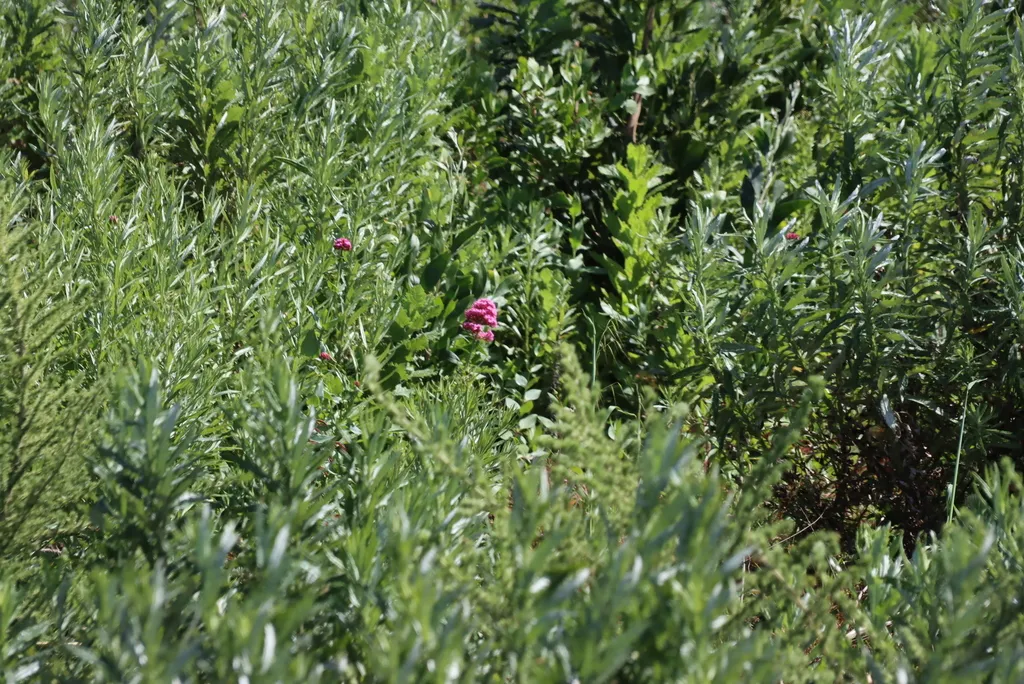
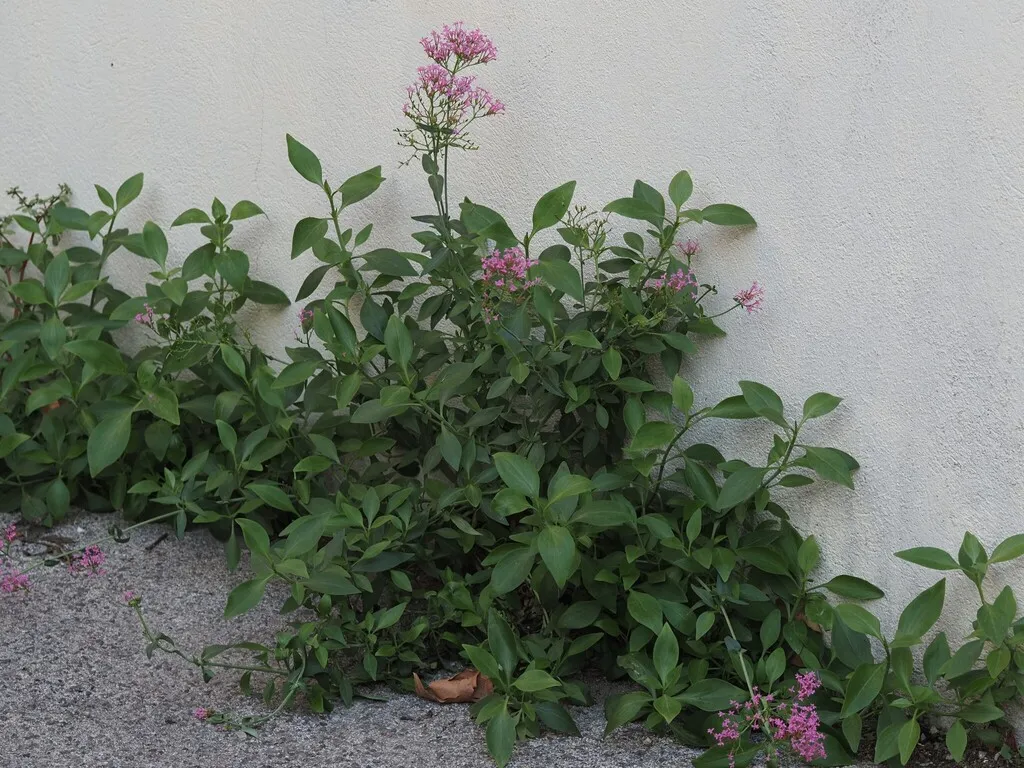
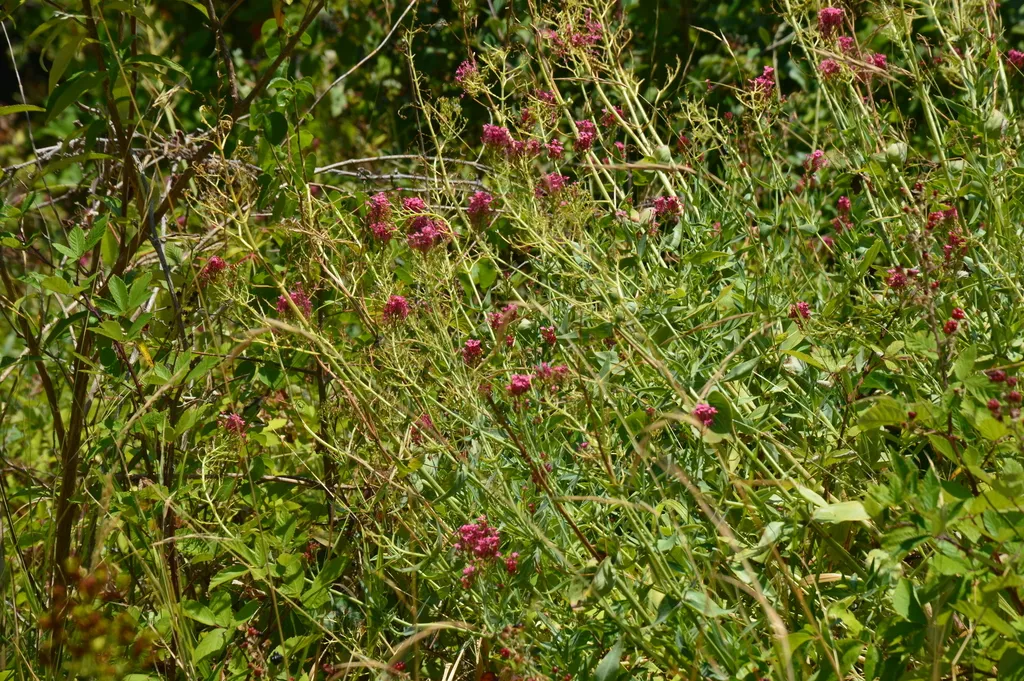
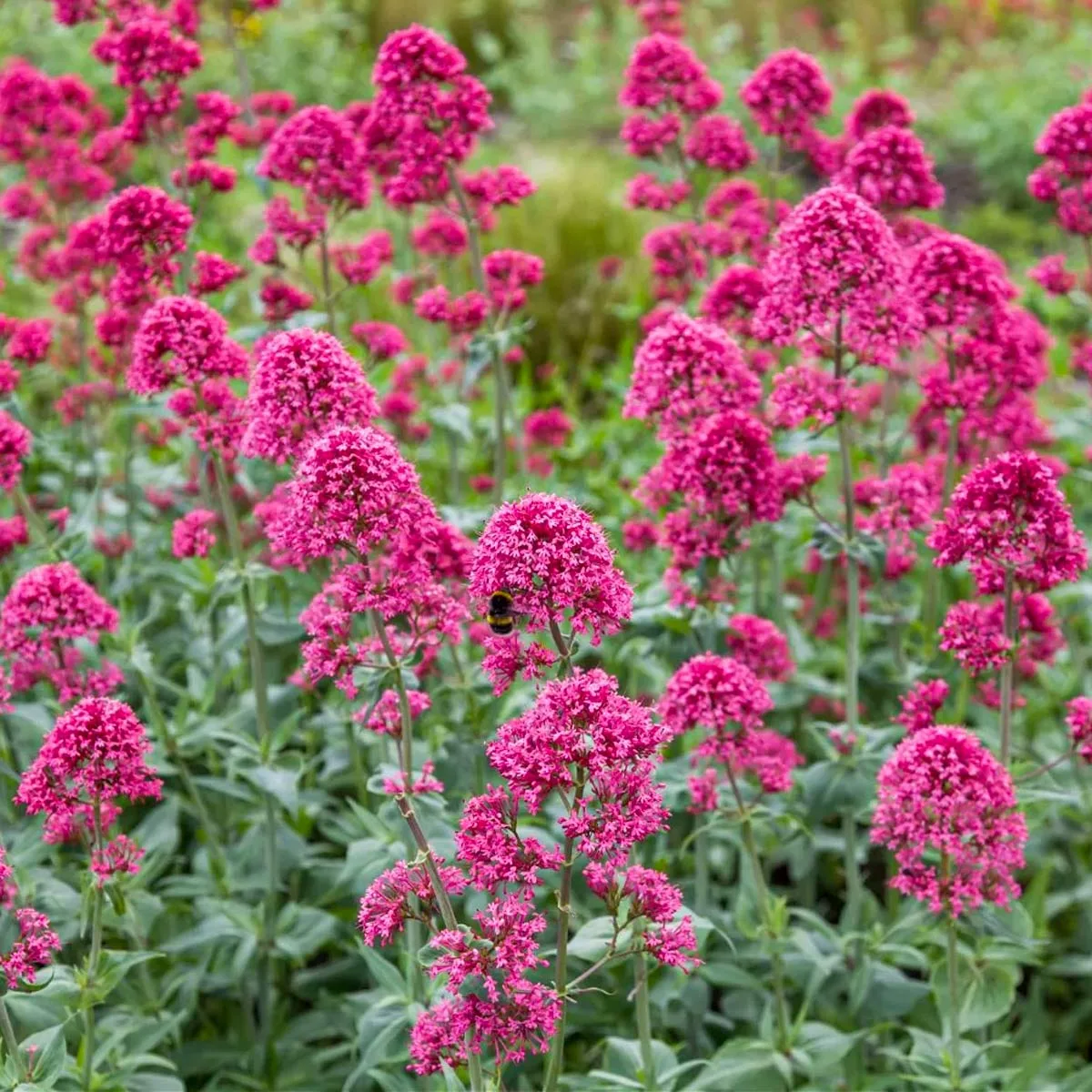
Distribution of red valerian
Distribution map
Europe, Mediterranean
Information to be completed
Culture
Information to be completed
Toxicity
Information to be completed
Quick identification of red valerian
Information to be completed
red valerian care guide
- Water sparingly, drought tolerant once established
- Watering
- Full sun
- Sunlight
- Information to be completed
- Ideal temperature

Watering
Water sparingly, drought tolerant once established
Fertilizing
 Fertilizing
No fertilizer needed
Pruning
 Pruning
Cut down stems in autumn or if self-seeding is a problem then cut back hard in July after their first flowering
Propagation
 Propagation
Propagate by seed sown in spring
Growing
 Growing
Grow in a well-drained soil that is poor to moderately fertile, ideally a chalky or stony soil. Good drought resistance; thrives on walls and in coastal gardens. Needs full sun to flower well.
People also ask
Information to be completed
Common pests and diseases
Diseases
Generally disease free
Pests
Generally pest-free
Explore the plant health library →




