
small-leaved Virginia creeper
Also known as: Information to be completed
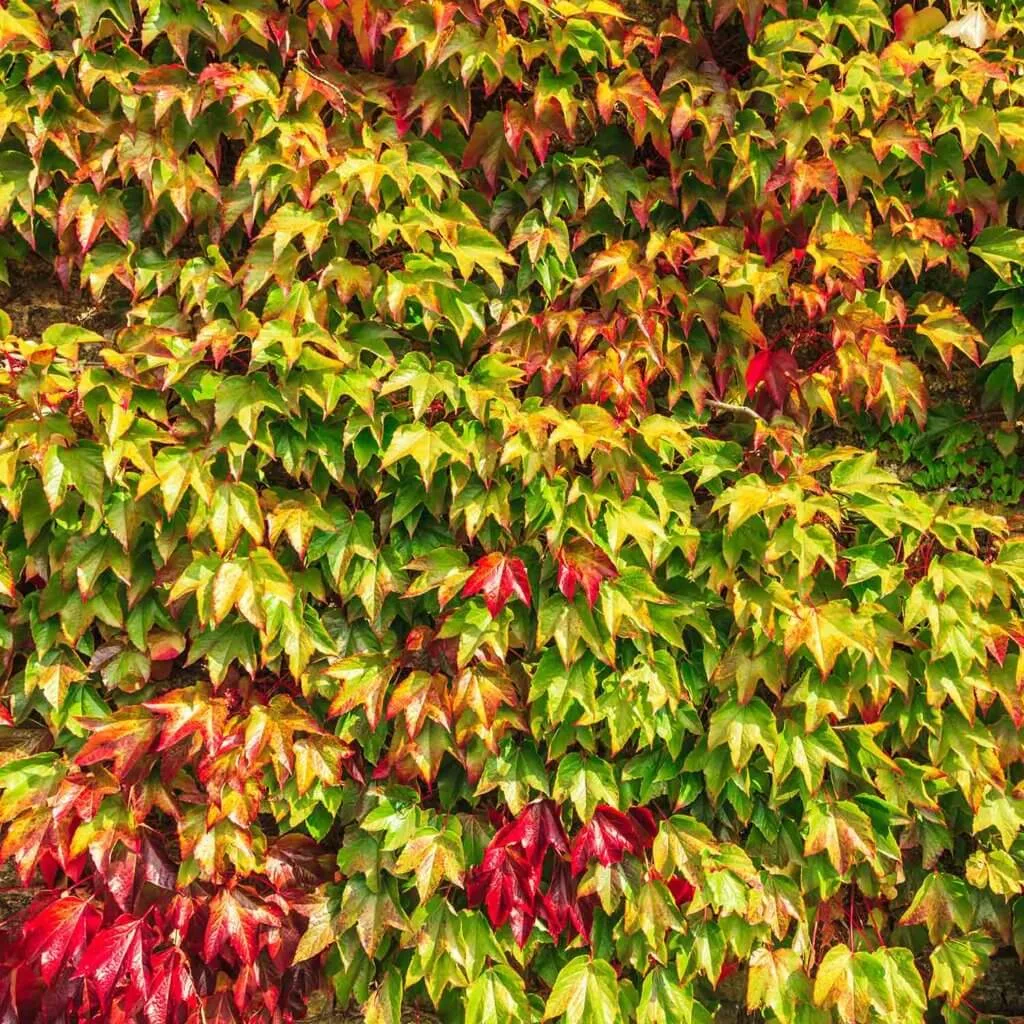
A vigorous, large, self-clinging, deciduous climber, with ovate or three-lobed leaves, to 15cm long and smaller than the typical species, purple when young in spring, then changing to green, before turning dark red-purple in autumn. Flowers inconspicuous; berries dull blue
Scientific classification
- Species
- small-leaved Virginia creeper (Parthenocissus tricuspidata 'Veitchii')
- Genus
- Parthenocissus
- Family
- Vitaceae
- Order
- Vitales
- Class
- Magnoliopsida
- Phylum
- Magnoliophyta
- Harmful if eaten, skin irritant. Wear gloves and other protective equipment when handling]
- Toxicity
- Climber Wall Shrub
- Plant type
- 8-12 metres
- Height
- 4-8 metres
- Spread
- Deciduous
- Foliage
- Climbing
- Habit
- Autumn · Spring · Summer
- Season of interest
- Full sun · Partial shade
- Sunlight
- Information to be completed
- Ideal temperature









small-leaved Virginia creeper pictures
Distribution of small-leaved Virginia creeper
Distribution map
- Native
- Introduced
- Cultivated
Source:WCVP v16 · Royal Botanic Gardens, Kew · CC BY 3.0 · Boundaries:WGSRPD / TDWG
Toxicity
Harmful if eaten, skin irritant. Wear gloves and other protective equipment when handling]
small-leaved Virginia creeper care guide
- Moderate regular watering, allowing brief slight drying between soakings
- Watering
- Full sun · Partial shade
- Sunlight

Watering
Moderate regular watering, allowing brief slight drying between soakings
Fertilizing
 Fertilizing
Balanced perennial feed every four weeks from spring through summer
Pruning
 Pruning
Routine pruning is unnecessary; shorten overlong shoots to fit the available space. For last-year flowering growth, prune after flowering; for current-year flowering growth, prune in late winter or spring. This guidance is for established plants.
Propagation
 Propagation
Propagate by layering or hardwood cuttings
Growing
 Growing
For the best autumn colour, site in partial or full shade. It thrives in any fertile, well-drained soil
Common pests and diseases
Diseases
May be susceptible to honey fungus
Pests
May be susceptible to glasshouse red spider mite and vine weevil
Explore the plant health library →




