
perennial golden pea
Also known as: Information to be completed
L. aureus is a bushy, robust, non-climbing species with an upright growing habit. In early to mid summer it produces flowerheads of up to twenty five dusky yellow-orange flowers, each one 1.5 to 2cm long
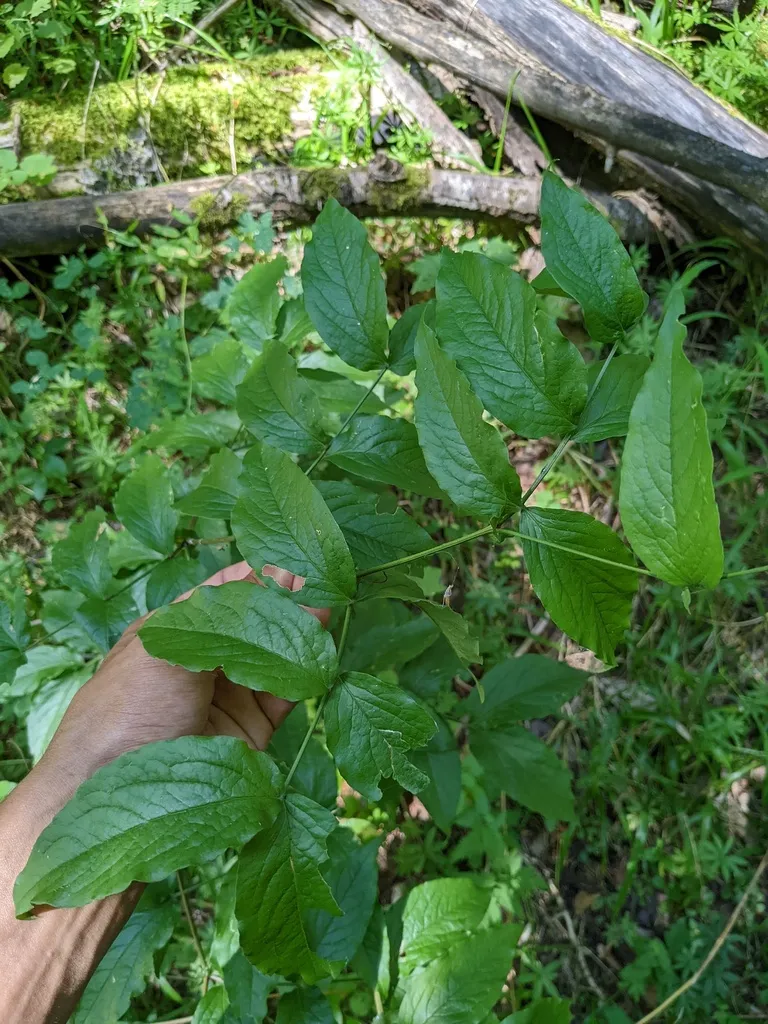
Scientific classification
- Species
- perennial golden pea (Lathyrus aureus)
- Genus
- Lathyrus
- Family
- Fabaceae
- Pods and seeds are not edible. Wear gloves and other protective equipment when handling
- Toxicity
- Herbaceous Perennial
- Plant type
- 0.5-1 metres
- Height
- 0.1-0.5 metres
- Spread
- Deciduous
- Foliage
- Clump forming
- Habit
- Spring · Summer · Autumn
- Season of interest
- Full sun · Partial shade
- Sunlight
- Information to be completed
- Ideal temperature









perennial golden pea pictures
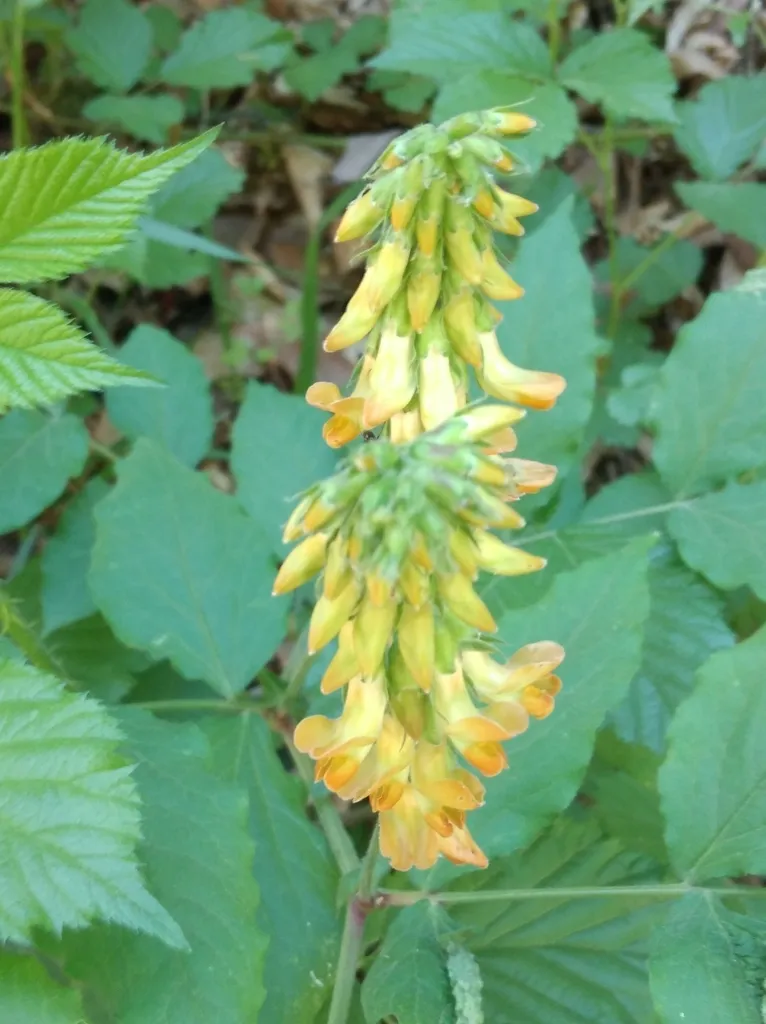
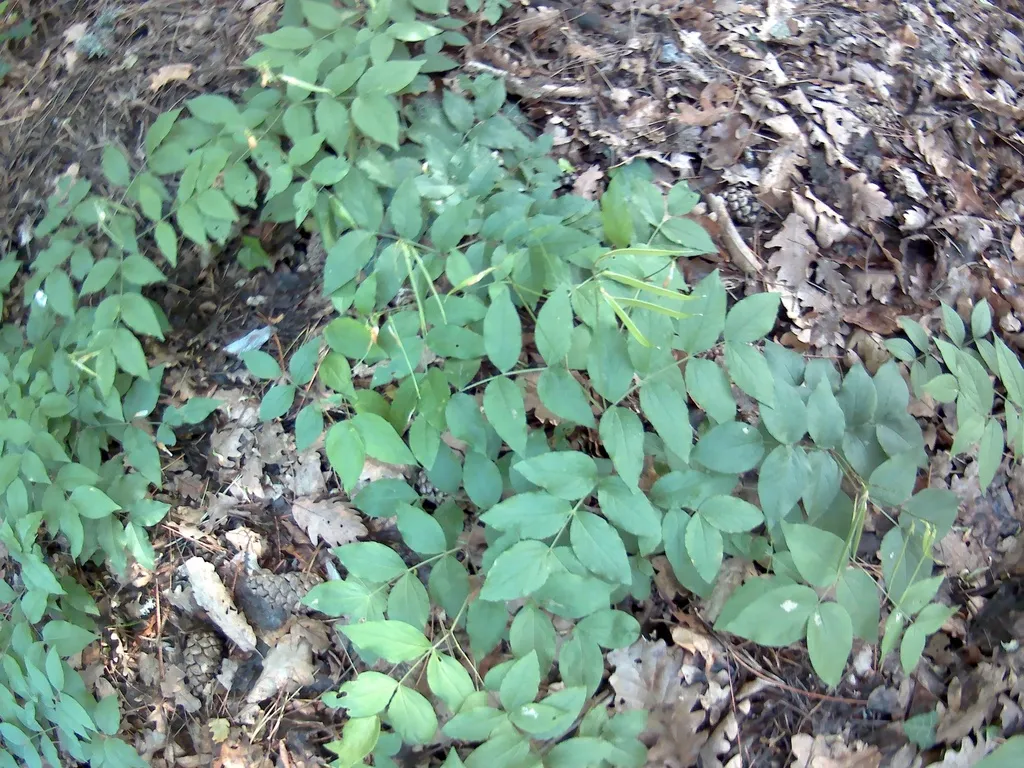
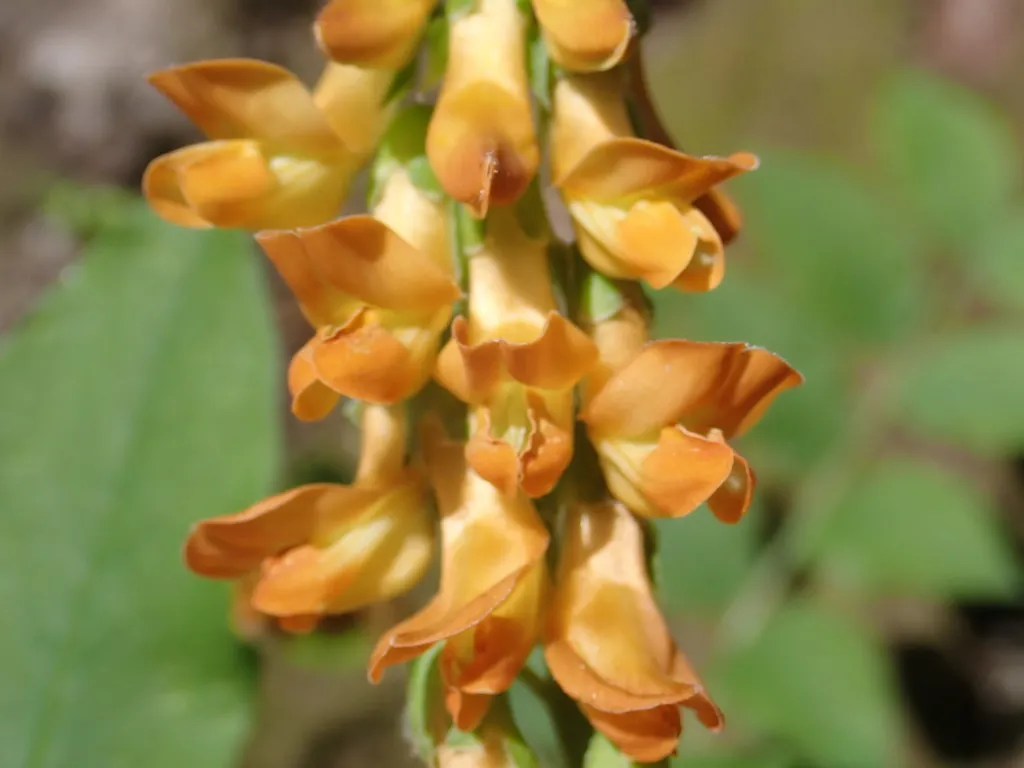
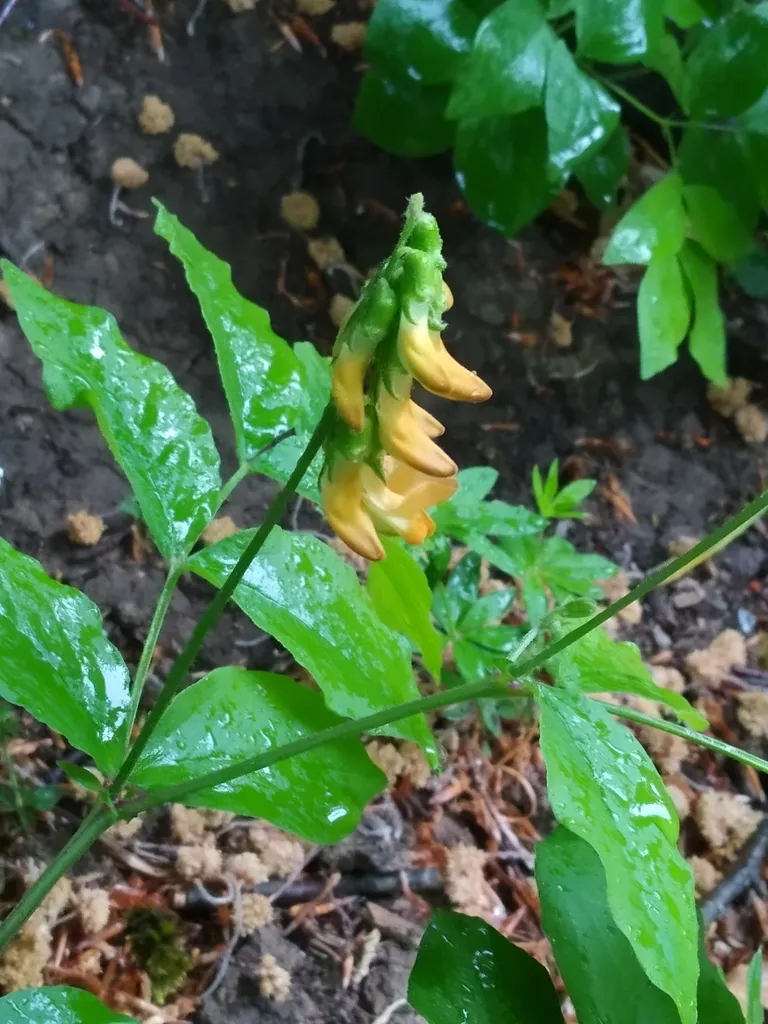
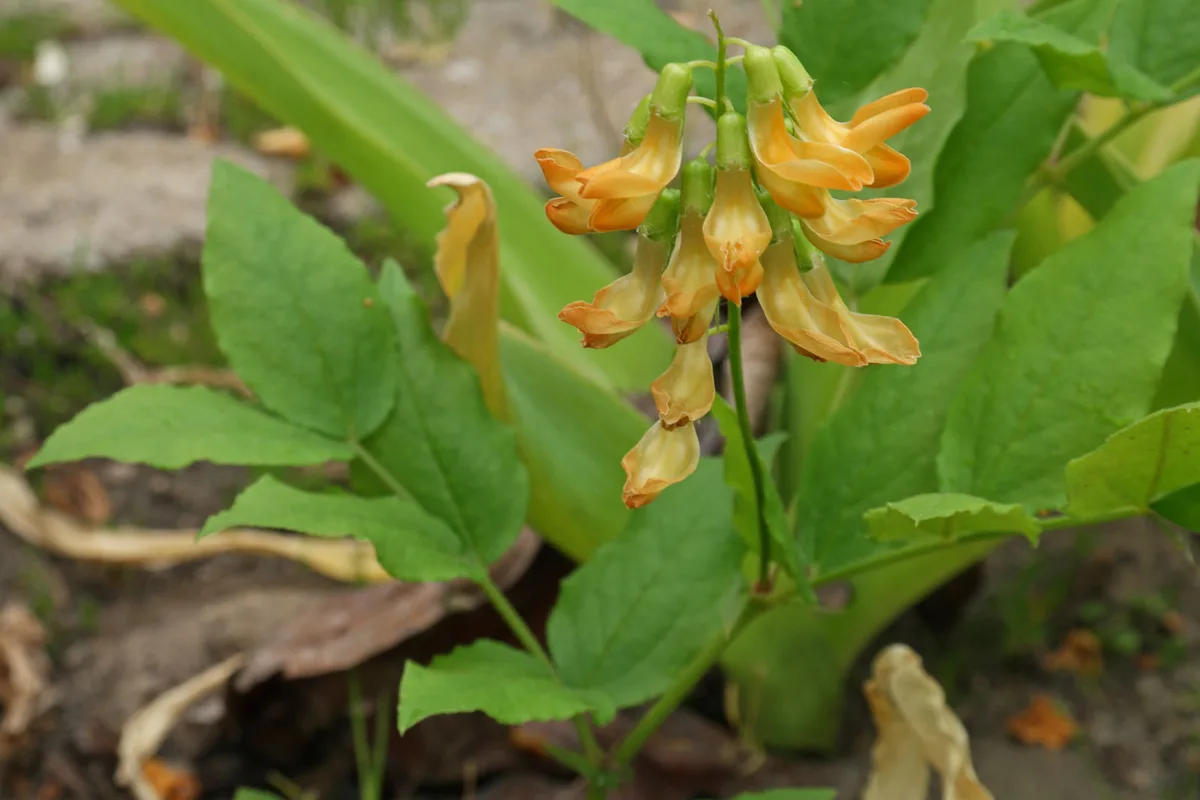
Distribution of perennial golden pea
Distribution map
Greece
Information to be completed
Culture
Information to be completed
Toxicity
Pods and seeds are not edible. Wear gloves and other protective equipment when handling
Quick identification of perennial golden pea
Information to be completed
perennial golden pea care guide
- Moderate regular watering, avoid prolonged drought and stagnant waterlogging
- Watering
- Full sun · Partial shade
- Sunlight
- Information to be completed
- Ideal temperature

Watering
Moderate regular watering, avoid prolonged drought and stagnant waterlogging
Fertilizing
 Fertilizing
Balanced perennial feed every four weeks spring through summer growth
Pruning
 Pruning
Deadhead regularly then cut stems down to the ground in autumn
Propagation
 Propagation
Propagate by division in early spring or propagate by seed
Growing
 Growing
Best grown in fertile, humus-rich, well-drained soil in full sun or partial shade; as a calcifuge, avoid attempting to grow it in chalky soils. See sweetpea cultivation for further information
People also ask
Information to be completed
Common pests and diseases
Diseases
May be susceptible to powdery mildews, Fusarium wilt and sweet pea viruses
Pests
May be susceptible to aphids, slugs and snails
Explore the plant health library →




