
whorled clary
Also known as: whorled blue sage
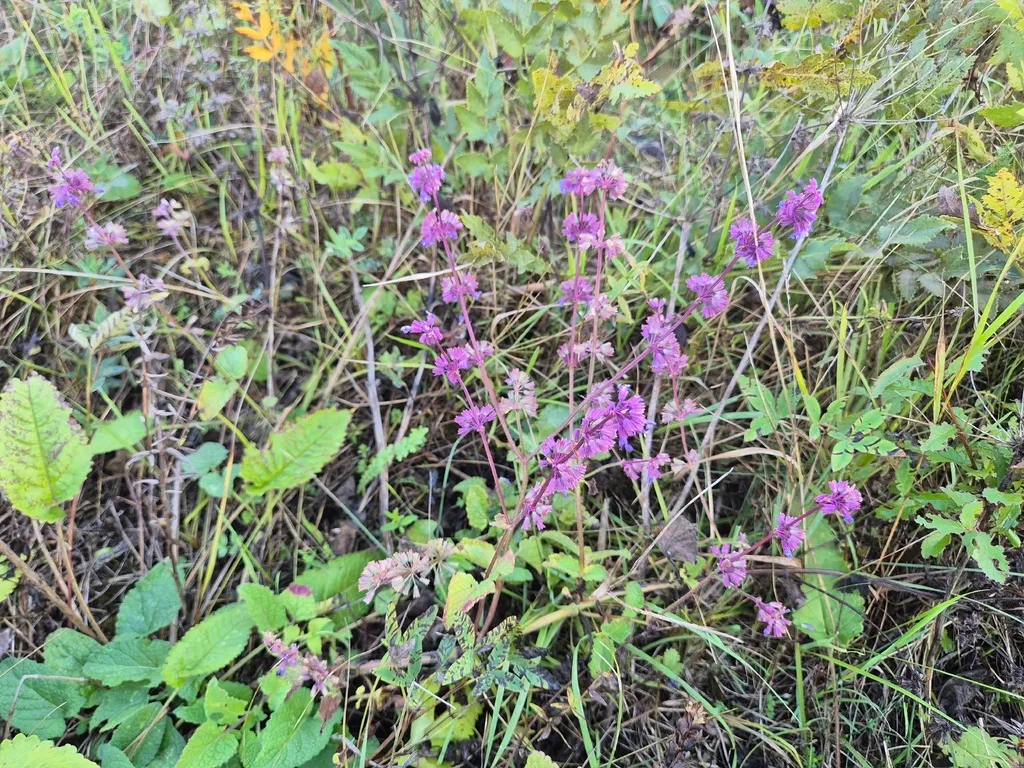
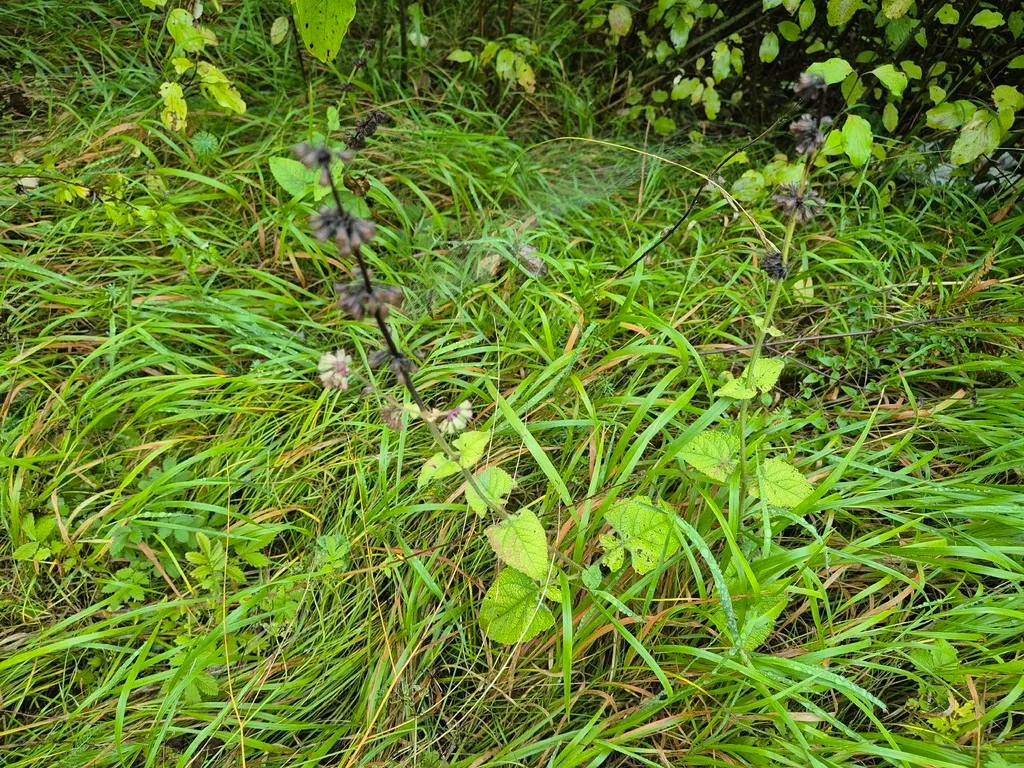
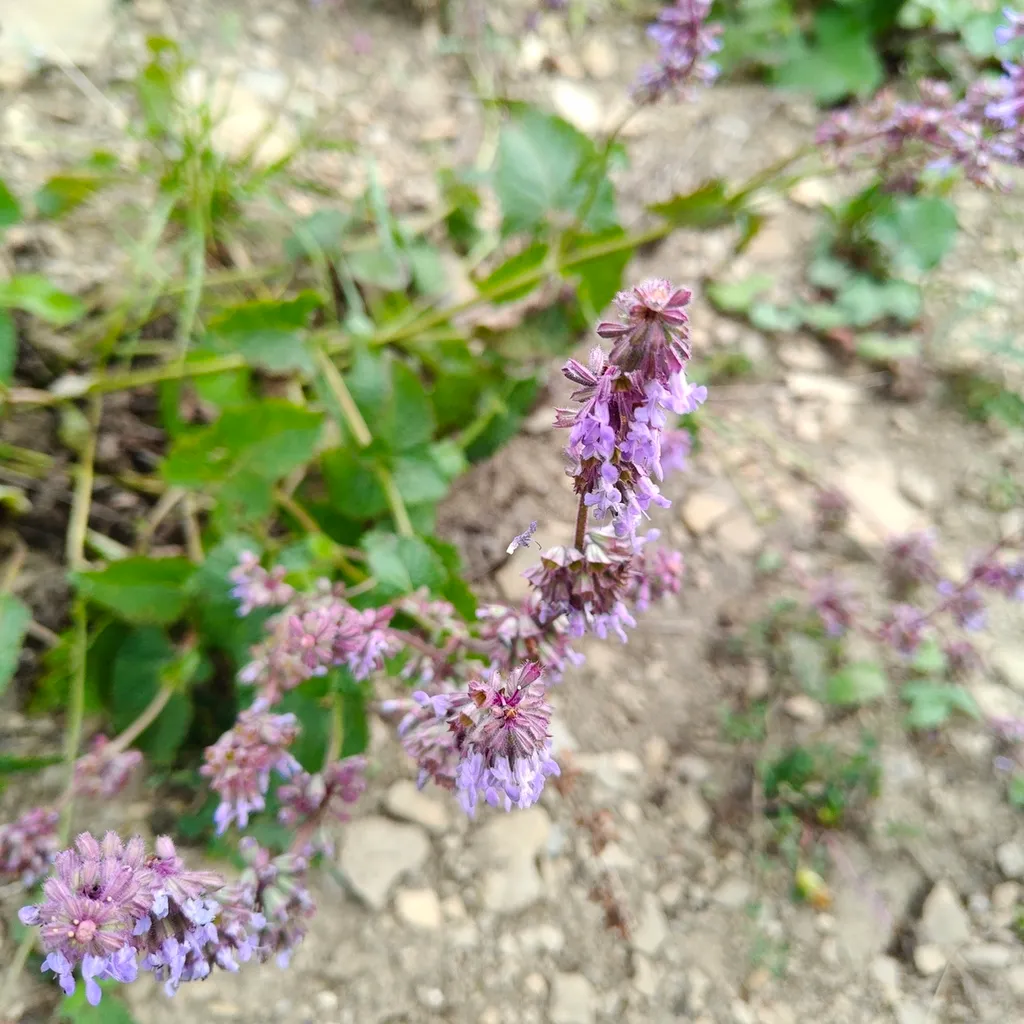
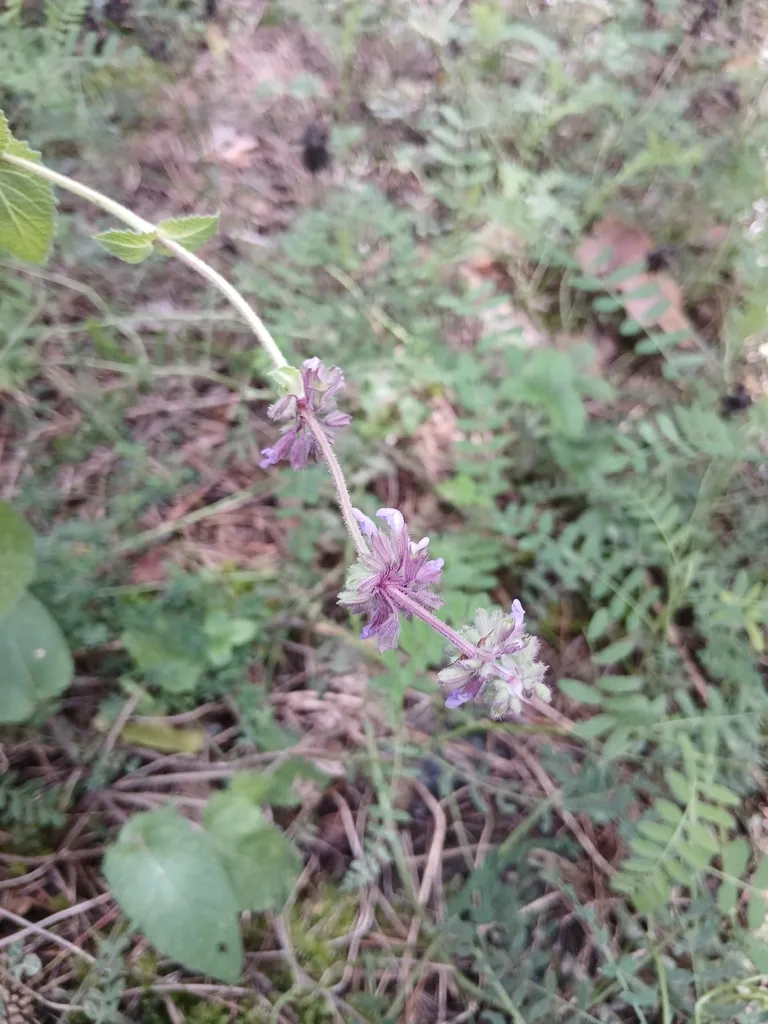
S. verticillata is a bushy upright perennial with dark green, lyre-shaped leaves and slender spikes of small, violet-blue flowers in summer
Scientific classification
- Species
- whorled clary (Salvia verticillata)
- Genus
- Salvia
- Family
- Lamiaceae
- Information to be completed
- Toxicity
- Herbaceous Perennial
- Plant type
- 0.5-1 metres
- Height
- 0.1-0.5 metres
- Spread
- Deciduous
- Foliage
- Bushy
- Habit
- Spring · Summer · Autumn
- Season of interest
- Full sun
- Sunlight
- Information to be completed
- Ideal temperature









whorled clary pictures
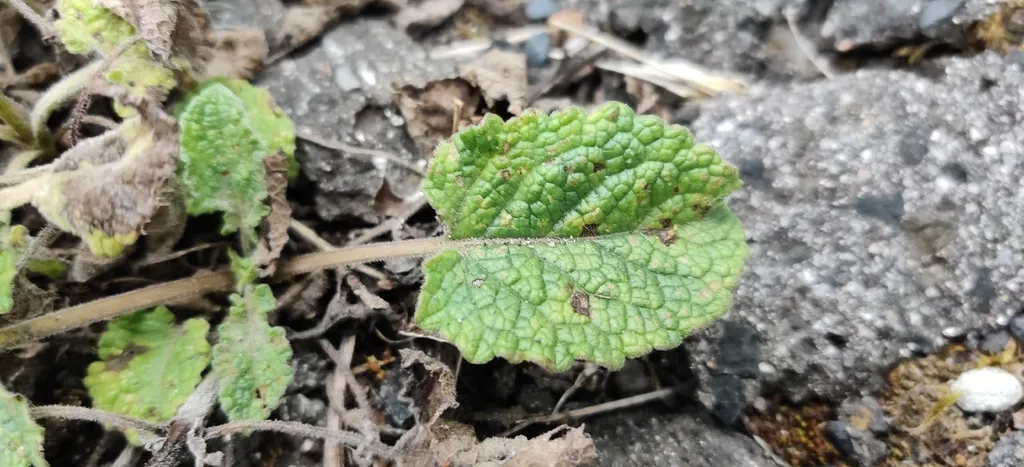
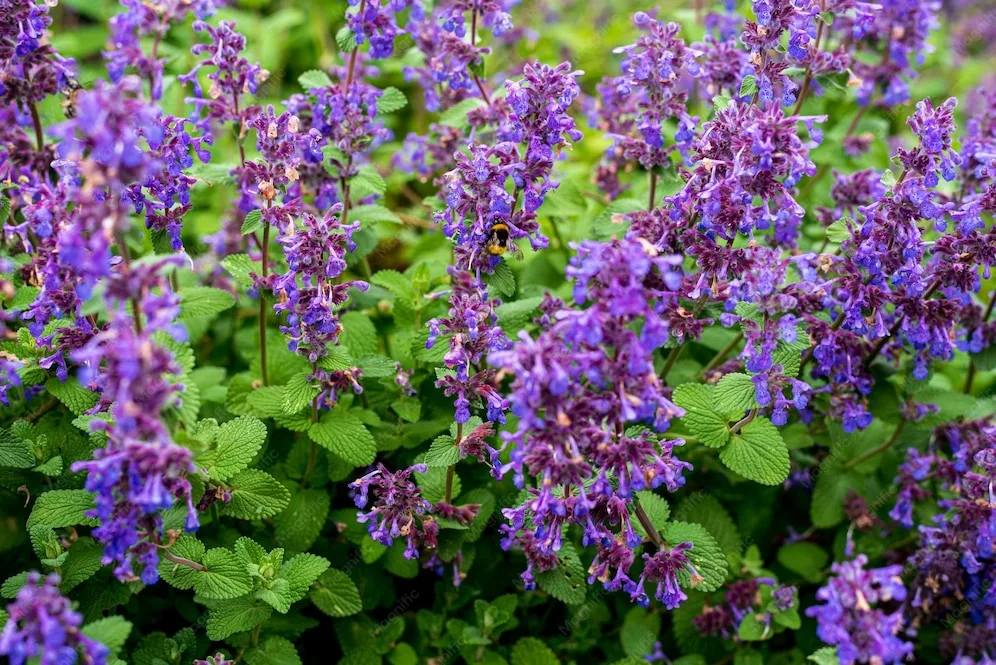
Distribution of whorled clary
Distribution map
- Native
- Introduced
- Cultivated
Source:WCVP v16 · Royal Botanic Gardens, Kew · CC BY 3.0 · Boundaries:WGSRPD / TDWG
Culture
Information to be completed
Toxicity
Information to be completed
Quick identification of whorled clary
Information to be completed
whorled clary care guide
- Water moderately, let upper soil dry between waterings
- Watering
- Full sun
- Sunlight
- Information to be completed
- Ideal temperature

Watering
Water moderately, let upper soil dry between waterings
Fertilizing
 Fertilizing
Light balanced feed in spring and during bloom flush
Pruning
 Pruning
No pruning required
Propagation
 Propagation
Propagate by seed in spring. Take basal stem cuttings in late spring; stem-tip cuttings in late summer or in early autumn and propagate by division in spring
Growing
 Growing
Grow in well-drained soil and full sun with shelter from cold, drying winds
People also ask
Information to be completed
Common pests and diseases
Diseases
May be susceptible to honey fungus (rarely), powdery mildews, verticillium wilt and foot and root rots
Pests
May be susceptible to slugs and snails, aphids, capsid bug, leafhoppers and rosemary beetle may damage young growth
Explore the plant health library →




