
woad
Also known as: ash of Jerusalem; common dyer's weed; dyer's weed; dyer's woad; Jerusalem ash
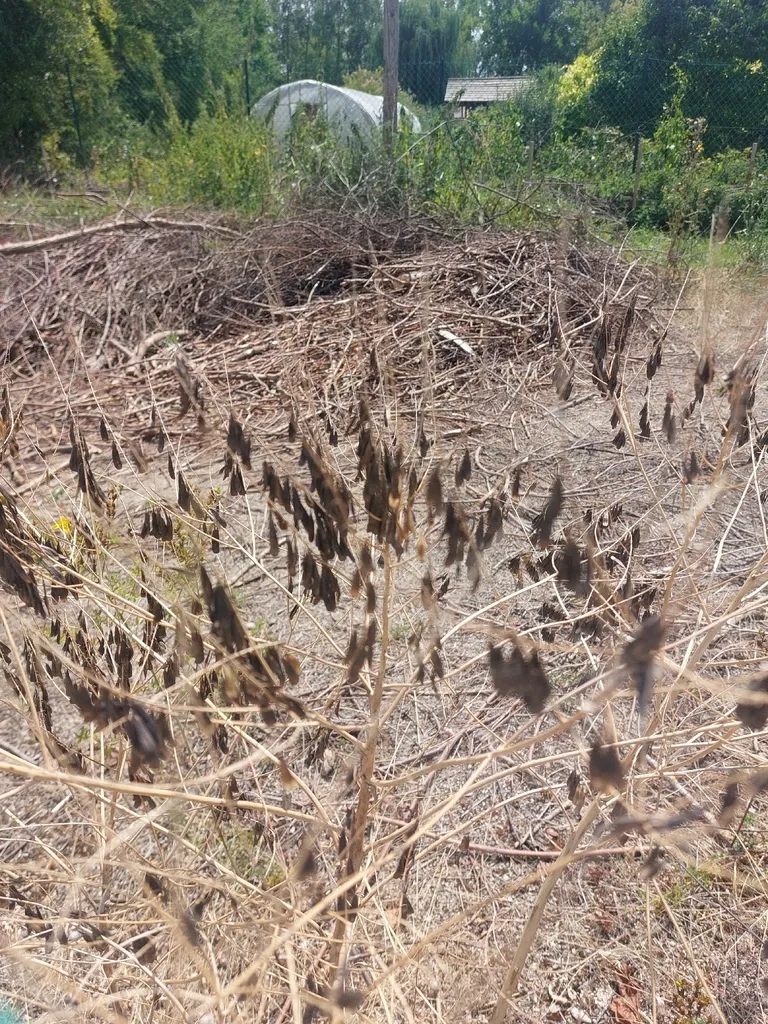
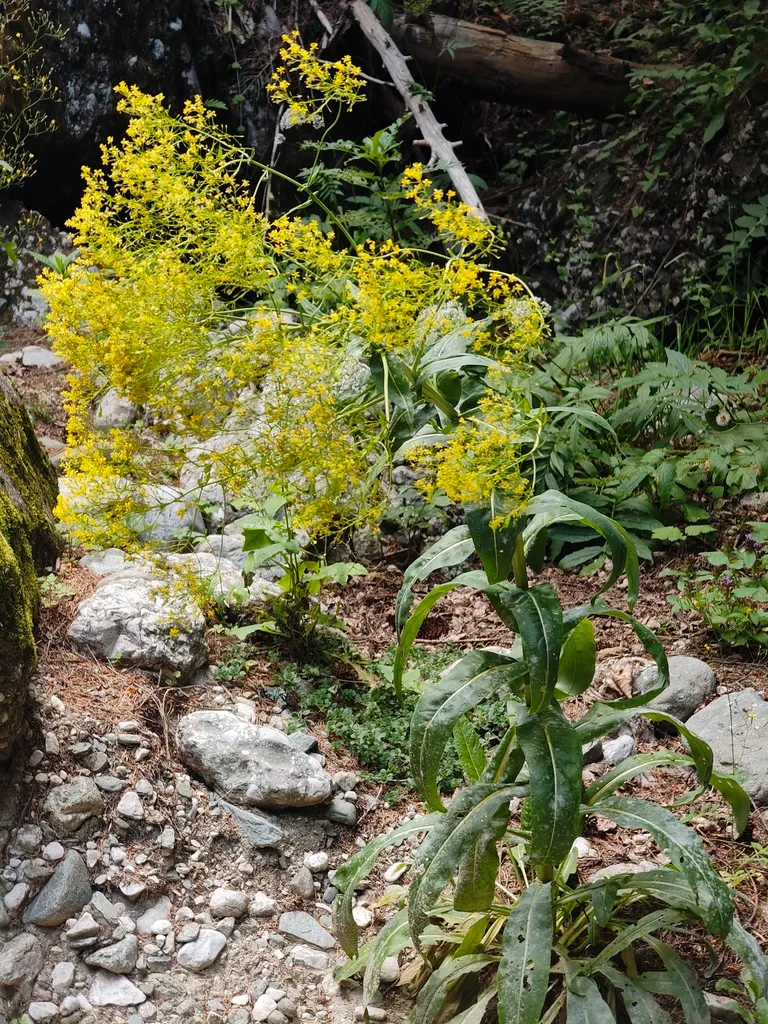
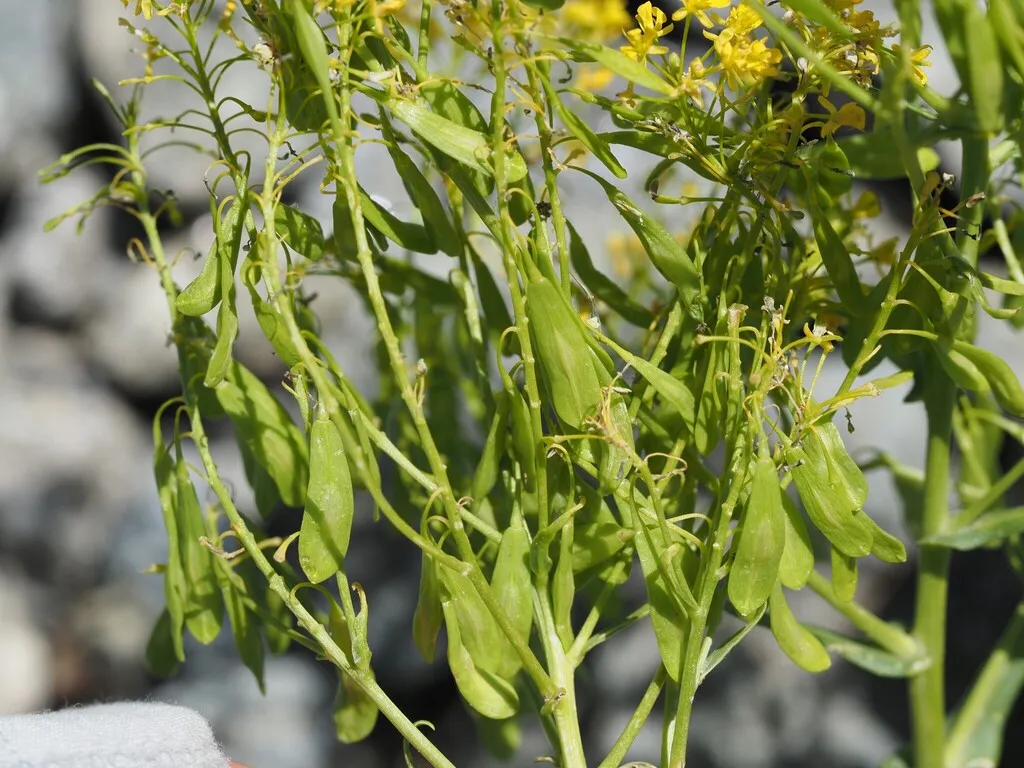
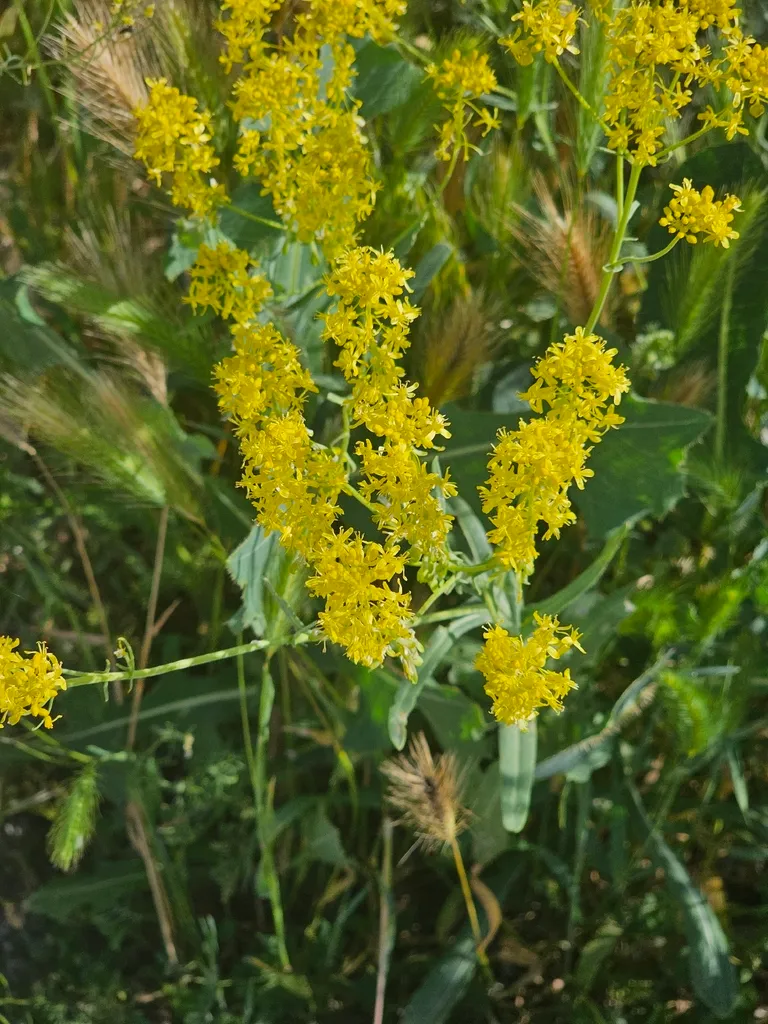
I. tinctoria is an upright biennial, or sometimes a short-lived perennial, up to 1.2m high, with basal rosettes of oblanceolate leaves, stems with arrow-shaped leaves, and heads of yellow flowers in early summer, followed by brown seedheads in late summer; the flowers are good for bees, and the famous blue dye is obtained from the leaves
Scientific classification
- Species
- woad (Isatis tinctoria)
- Genus
- Isatis
- Family
- Brassicaceae
- Information to be completed
- Toxicity
- Annual Biennial
- Plant type
- 1-1.5 metres
- Height
- 0.5-1 metres
- Spread
- Deciduous
- Foliage
- Columnar upright
- Habit
- Spring · Summer · Autumn
- Season of interest
- Full sun
- Sunlight
- Information to be completed
- Ideal temperature









woad pictures
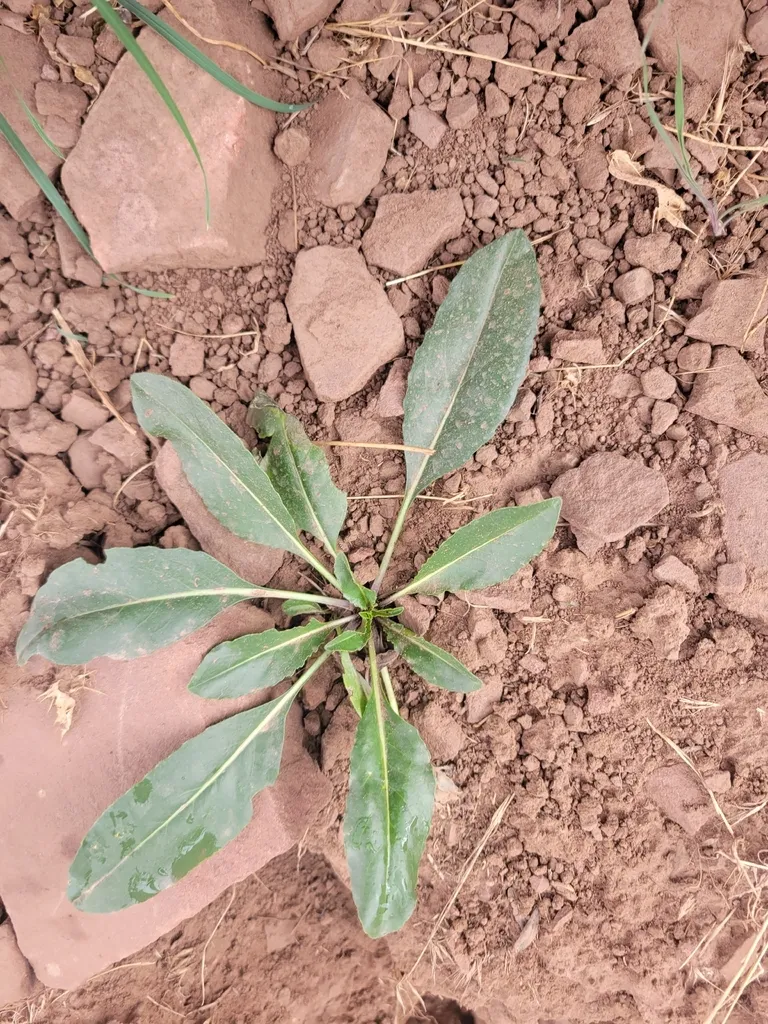
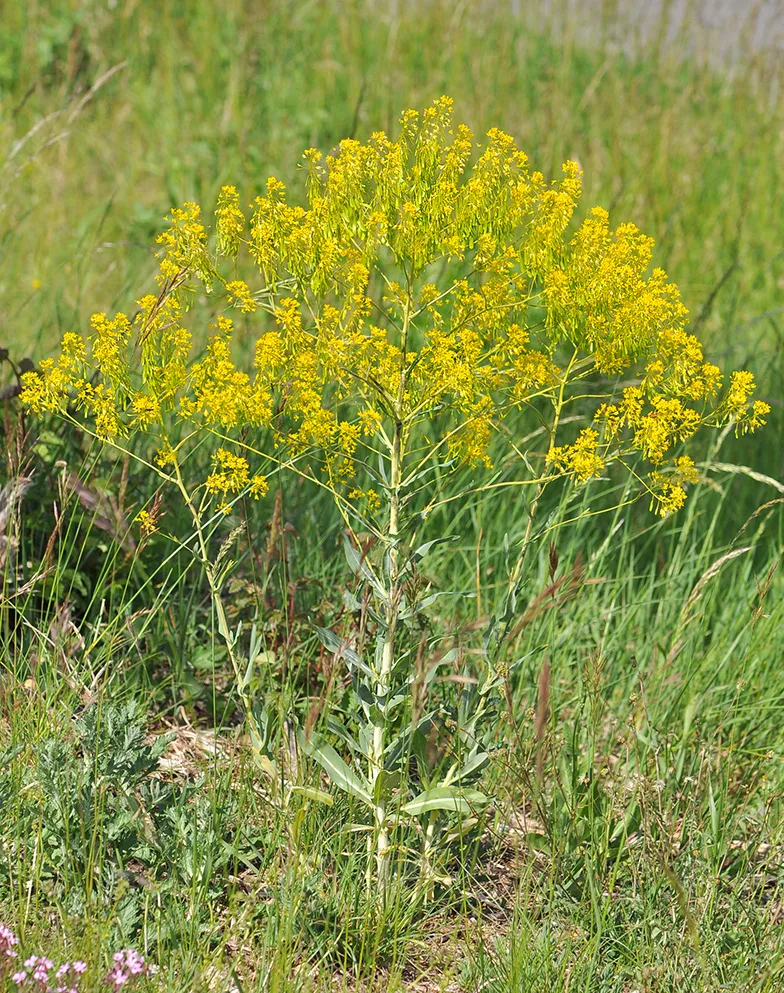
Distribution of woad
Distribution map
C and Southern Europe
Information to be completed
Culture
Information to be completed
Toxicity
Information to be completed
Quick identification of woad
Information to be completed
woad care guide
- Average moisture levels, drought tolerant once root system matures
- Watering
- Full sun
- Sunlight
- Information to be completed
- Ideal temperature

Watering
Average moisture levels, drought tolerant once root system matures
Fertilizing
 Fertilizing
Single spring application of slow-release general garden fertilizer
Pruning
 Pruning
No pruning required
Propagation
 Propagation
Propagate by seed, sown in autumn in a seed bed and transplanted in spring, or sown in spring in its intended planting place
Growing
 Growing
Grow in well-drained, preferably neutral or alkaline soil, in full sun; it tolerates poor infertile soils
People also ask
Information to be completed
Common pests and diseases
Diseases
Generally disease-free
Pests
Generally pest-free
Explore the plant health library →




