
cape cowslip
Also known as: opal flower; vierk leurtjie; three-coloured lachenalia
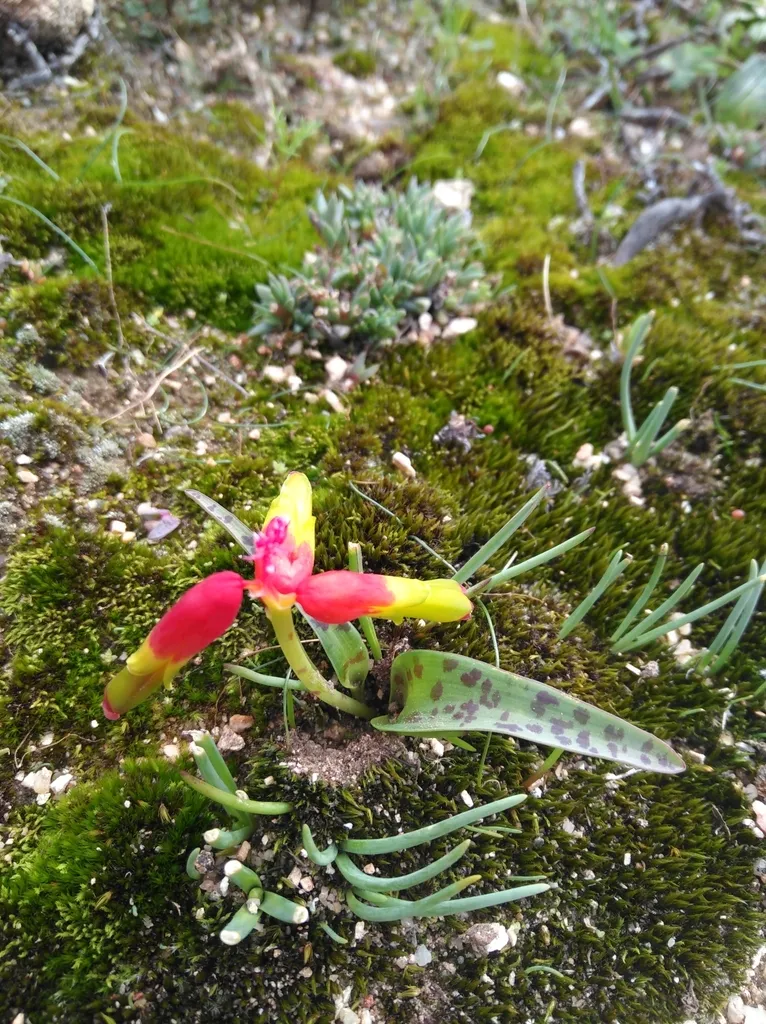
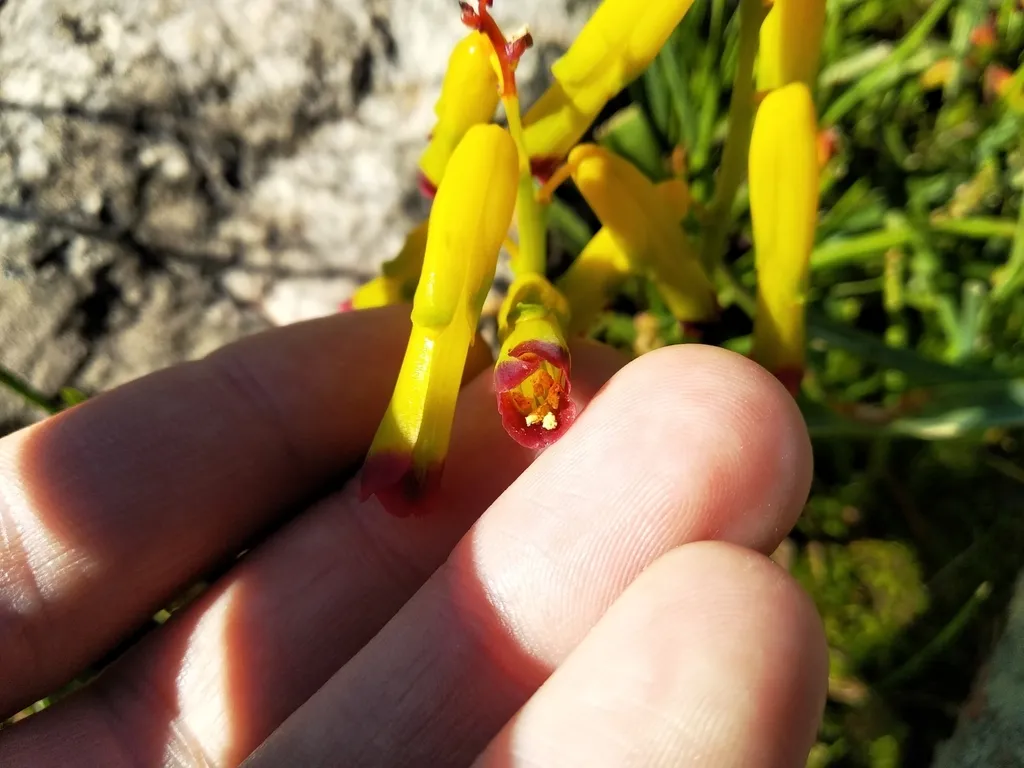
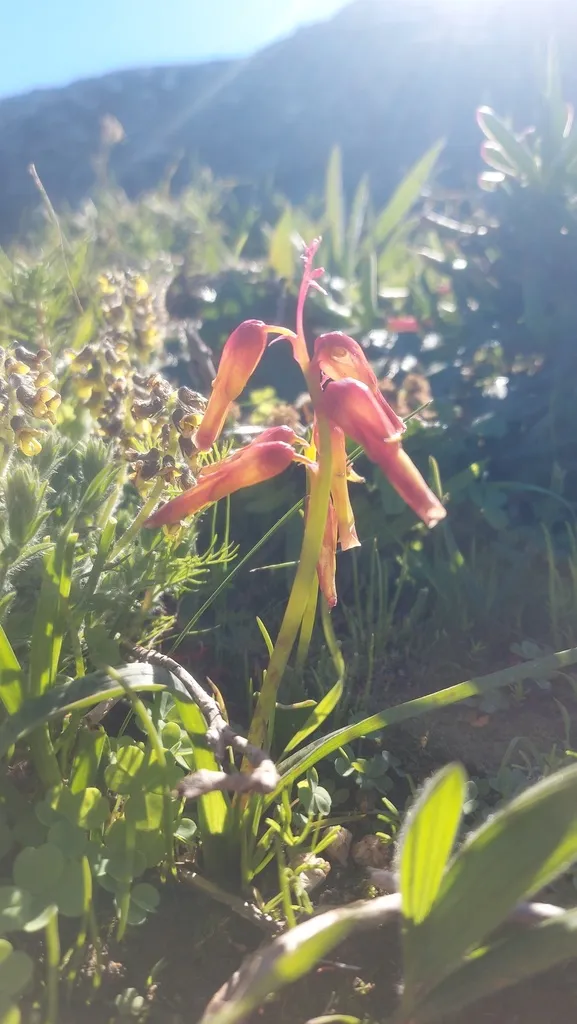
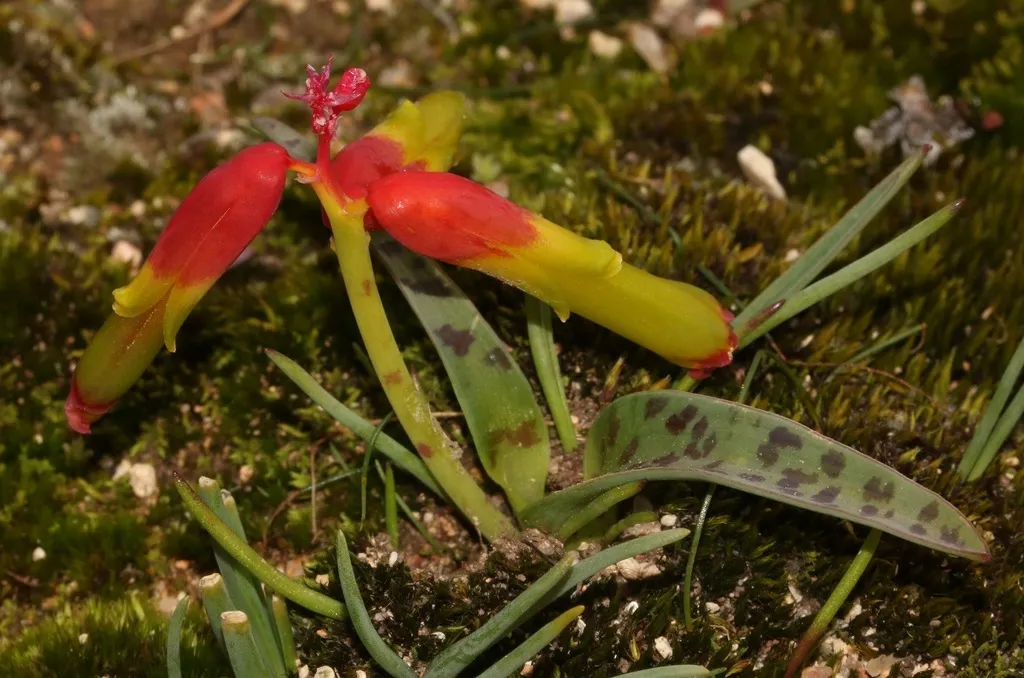
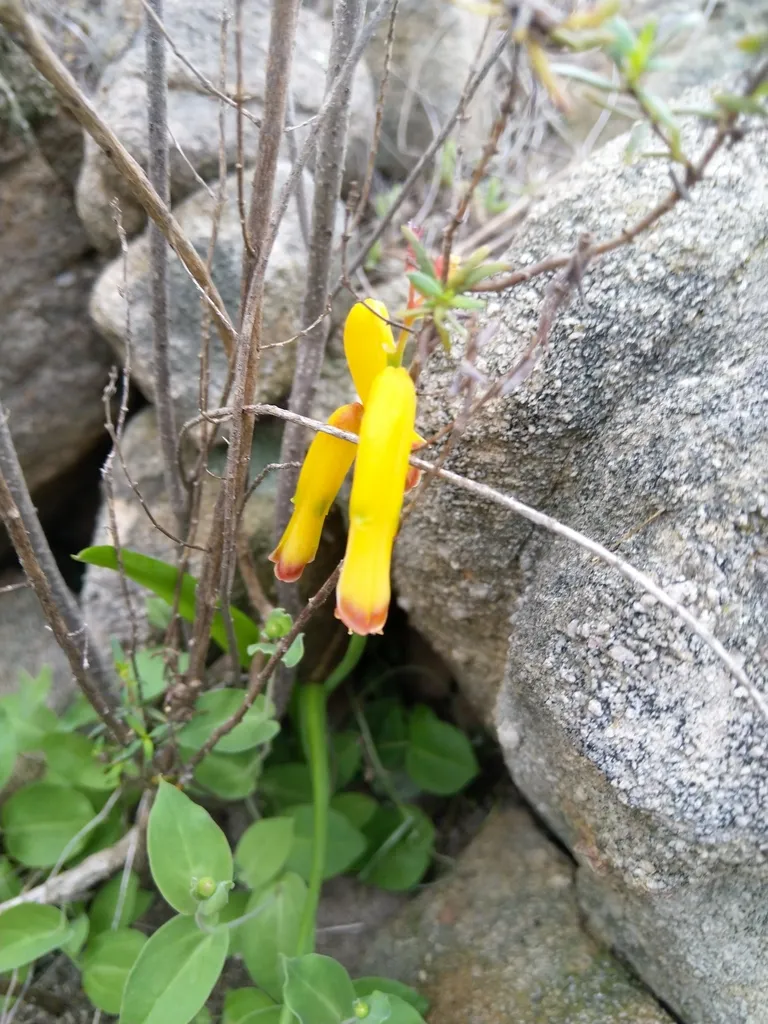
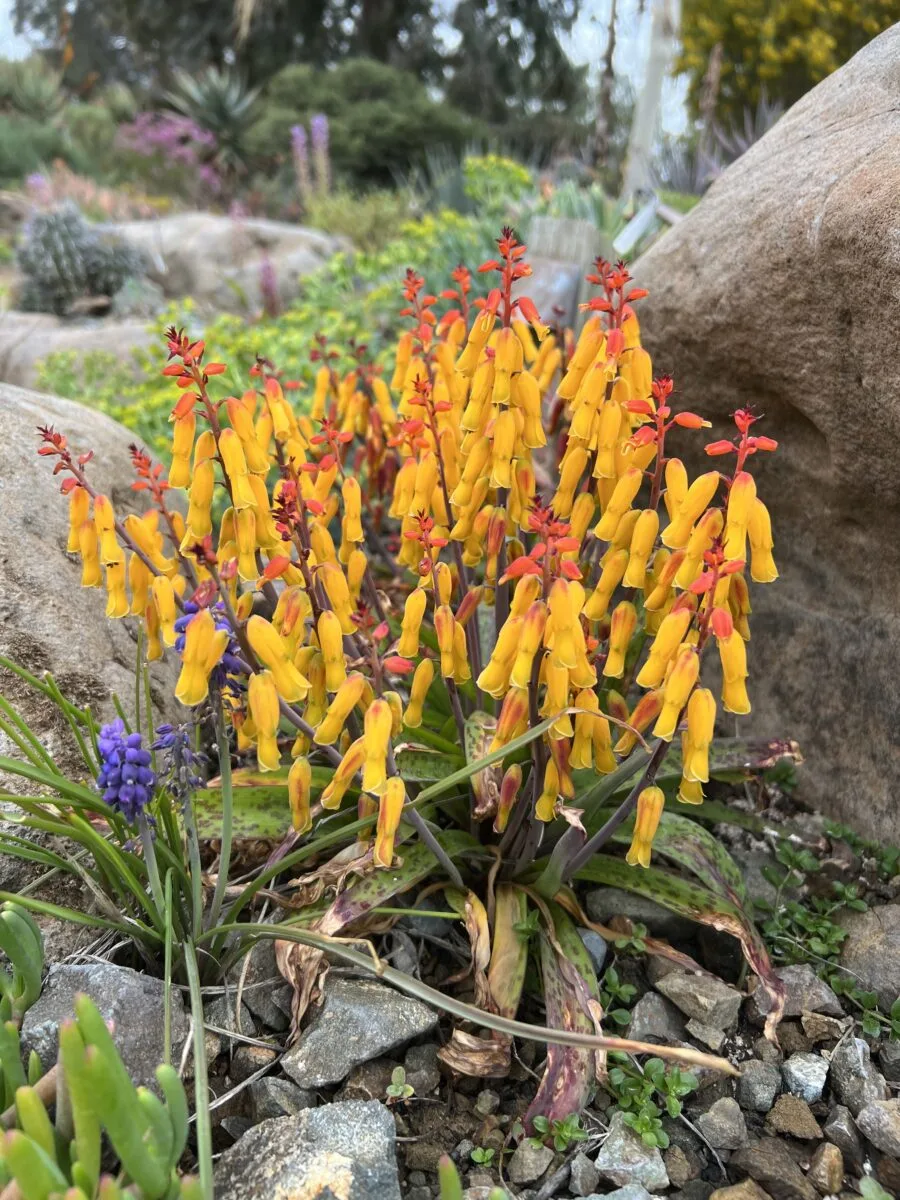
A bulbous perennial to 30cm with arching, purple-spotted, strap-shaped leaves appearing in autumn. The flowers follow in late winter or early spring as upright clusters of hanging, tubular, red-tipped, yellow flowers, opening from orange buds and carried on purple-flushed and spotted stems
Scientific classification
- Species
- cape cowslip (Lachenalia aloides)
- Genus
- Lachenalia
- Family
- Asparagaceae
- Order
- Asparagales
- Class
- Liliopsida
- Phylum
- Magnoliophyta
- Information to be completed
- Toxicity
- Bulbs · Conservatory Greenhouse
- Plant type
- 0.1-0.5 metres
- Height
- 0-0.1 metre
- Spread
- Deciduous
- Foliage
- Bushy
- Habit
- Spring · Autumn · Winter
- Season of interest
- Full sun
- Sunlight
- Information to be completed
- Ideal temperature









cape cowslip pictures
Distribution of cape cowslip
Distribution map
- Native
- Introduced
- Cultivated
Source:WCVP v16 · Royal Botanic Gardens, Kew · CC BY 3.0 · Boundaries:WGSRPD / TDWG
cape cowslip care guide
- Moist soil during active growth, then reduce watering after foliage yellows
- Watering
- Full sun
- Sunlight

Watering
Moist soil during active growth, then reduce watering after foliage yellows
Fertilizing
 Fertilizing
Light bulb fertilizer at emergence and again after flowering
Pruning
 Pruning
No pruning required
Propagation
 Propagation
Propagate by seed or remove bulblets in summer or autumn
Growing
 Growing
Grow outdoors in light well-drained soil in a sheltered, frost-free area. Grow under glass in a loam-based compost in full light. Reduce watering as the leaves fade, then keep dry until fresh growth starts in autumn
Common pests and diseases
Diseases
Generally disease-free
Pests
Generally pest-free
Explore the plant health library →




