
long-flowered harebell
Also known as: spotted bellflower
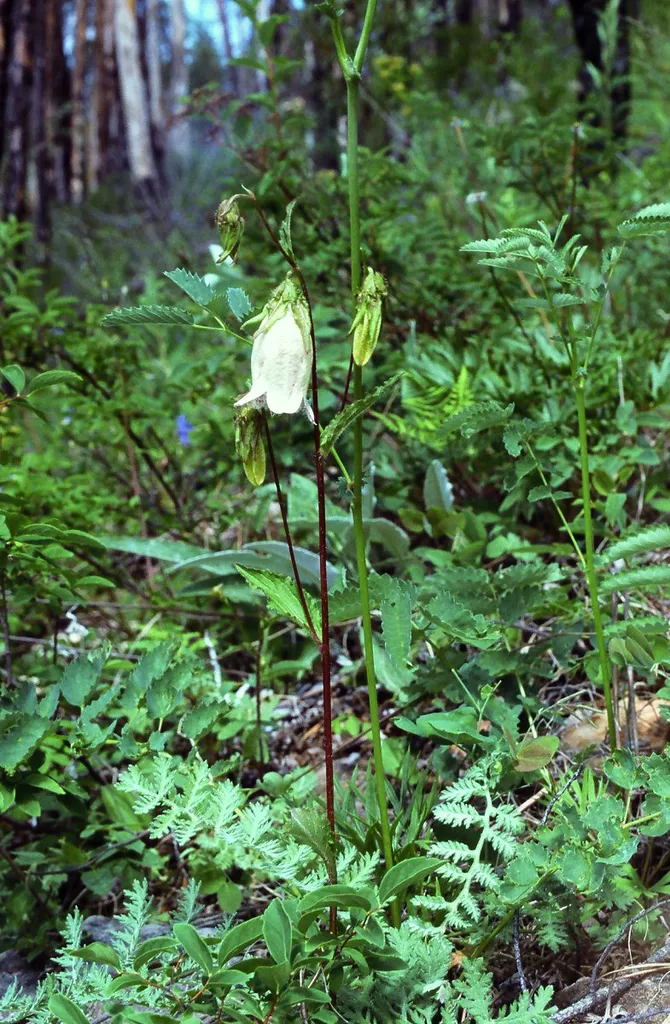
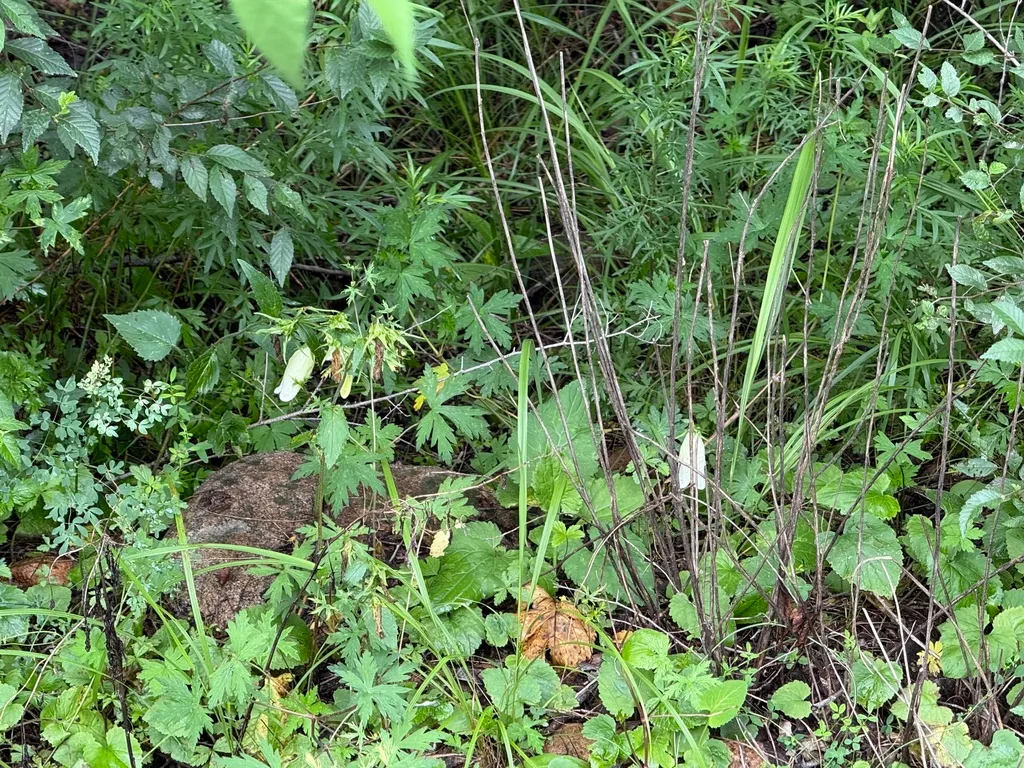
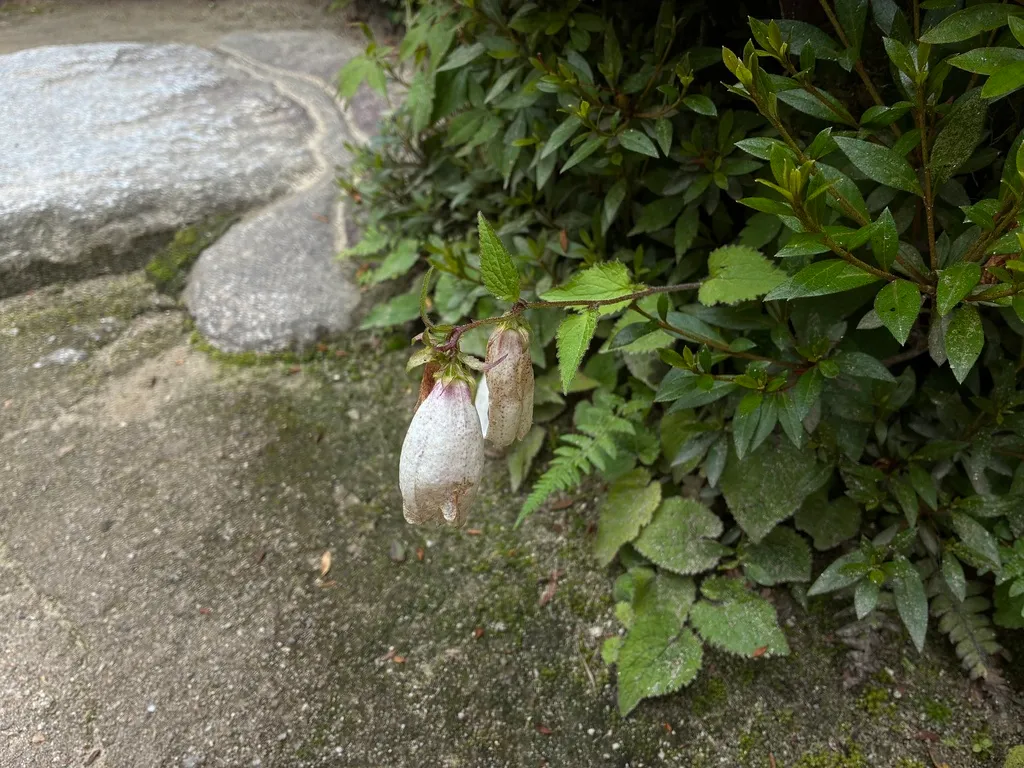
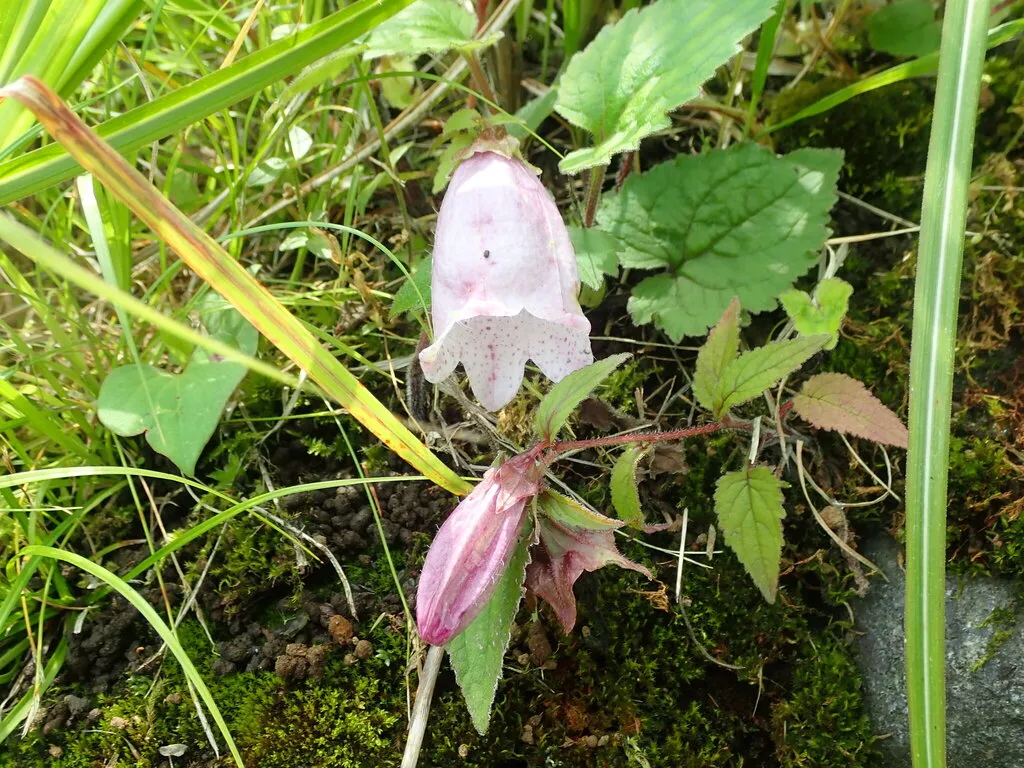
A variable species in both flower colouring and growing vigour. The large flower bells on arching stems vary from white to quite strong purplish-red, and are red-spotted inside. Heart-shaped finely-toothed green leaves. Spreads by underground rhizomes
Scientific classification
- Species
- long-flowered harebell (Campanula punctata)
- Genus
- Campanula
- Family
- Campanulaceae
- Information to be completed
- Toxicity
- Herbaceous Perennial
- Plant type
- 0.1-0.5 metres
- Height
- 0.5-1 metres
- Spread
- Semi evergreen
- Foliage
- Bushy · Suckering
- Habit
- Spring · Summer · Autumn · Winter
- Season of interest
- Full sun · Partial shade
- Sunlight
- Information to be completed
- Ideal temperature









long-flowered harebell pictures
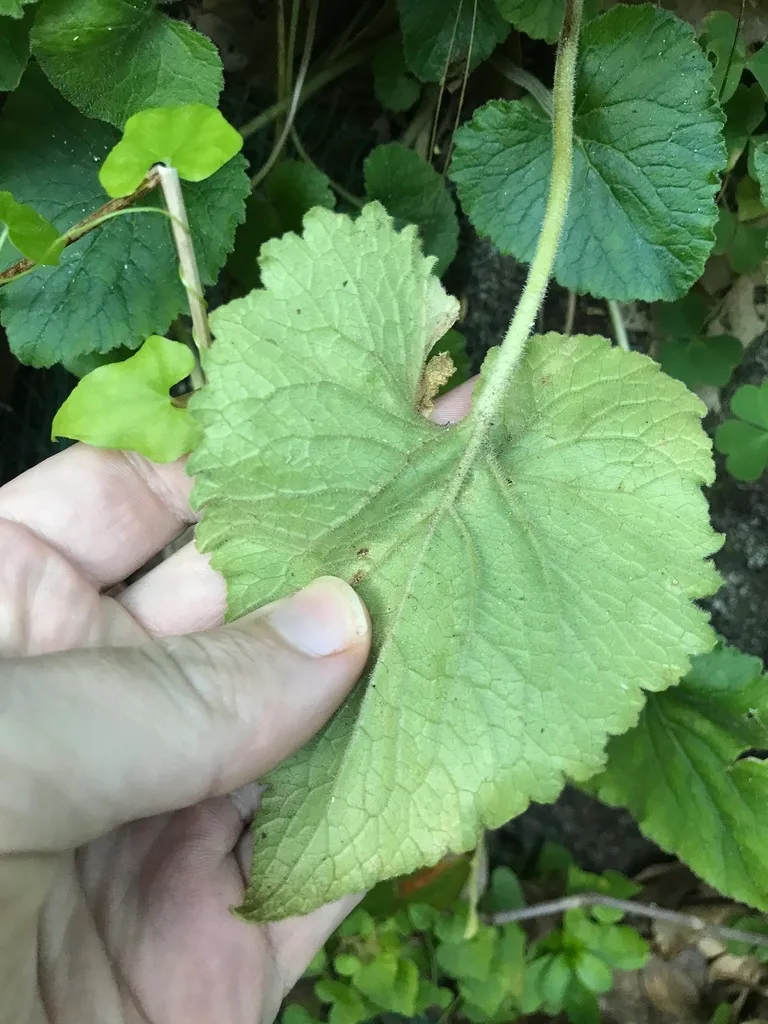
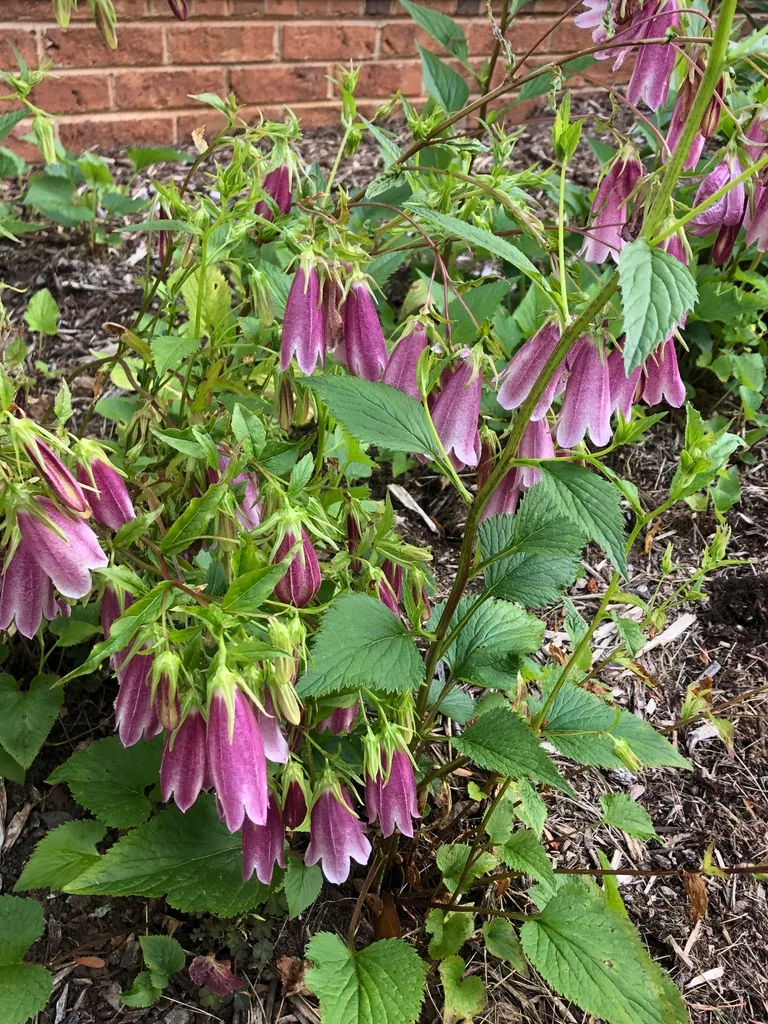
Distribution of long-flowered harebell
Distribution map
Eastern Asia
Information to be completed
Culture
Information to be completed
Toxicity
Information to be completed
Quick identification of long-flowered harebell
Information to be completed
long-flowered harebell care guide
- Evenly moist soil spring-autumn, slight dryness allowed cold winter time
- Watering
- Full sun · Partial shade
- Sunlight
- Information to be completed
- Ideal temperature

Watering
Evenly moist soil spring-autumn, slight dryness allowed cold winter time
Fertilizing
 Fertilizing
Diluted campanula feed every four weeks spring through summer bloom
Pruning
 Pruning
Cut back after flowering to prevent self-seeding and to encourage a second flush of flowers
Propagation
 Propagation
Propagate by seed, division or take basal cuttings
Growing
 Growing
Flower colours are best preserved in the shade. Suitable for naturalizing in woodland and wildflower gardens
People also ask
Information to be completed
Common pests and diseases
Diseases
May be infected by a rust, powdery mildews and a leaf spot
Pests
May be damaged by slugs and snails
Explore the plant health library →




