
cherry plum
Also known as: myrobalan; myrobalan plum; weeping plum; mirabelle
P. cerasifera is an upright, rounded, twiggy, deciduous tree producing small, white flowers in early spring as the leaves open, sometimes followed by edible, red, orange or yellow, plum-like fruit about 2.5cm long
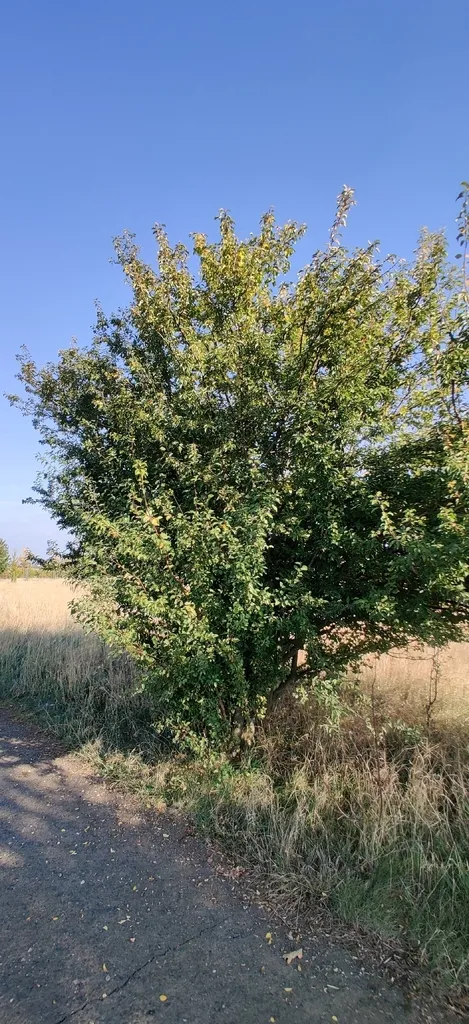
Scientific classification
- Species
- cherry plum (Prunus cerasifera)
- Genus
- Prunus
- Family
- Rosaceae
- Information to be completed
- Toxicity
- Fruit Edible · Trees
- Plant type
- 8-12 metres
- Height
- wider than 8 metres
- Spread
- Deciduous
- Foliage
- Bushy
- Habit
- Spring · Summer · Autumn
- Season of interest
- Full sun
- Sunlight
- Information to be completed
- Ideal temperature









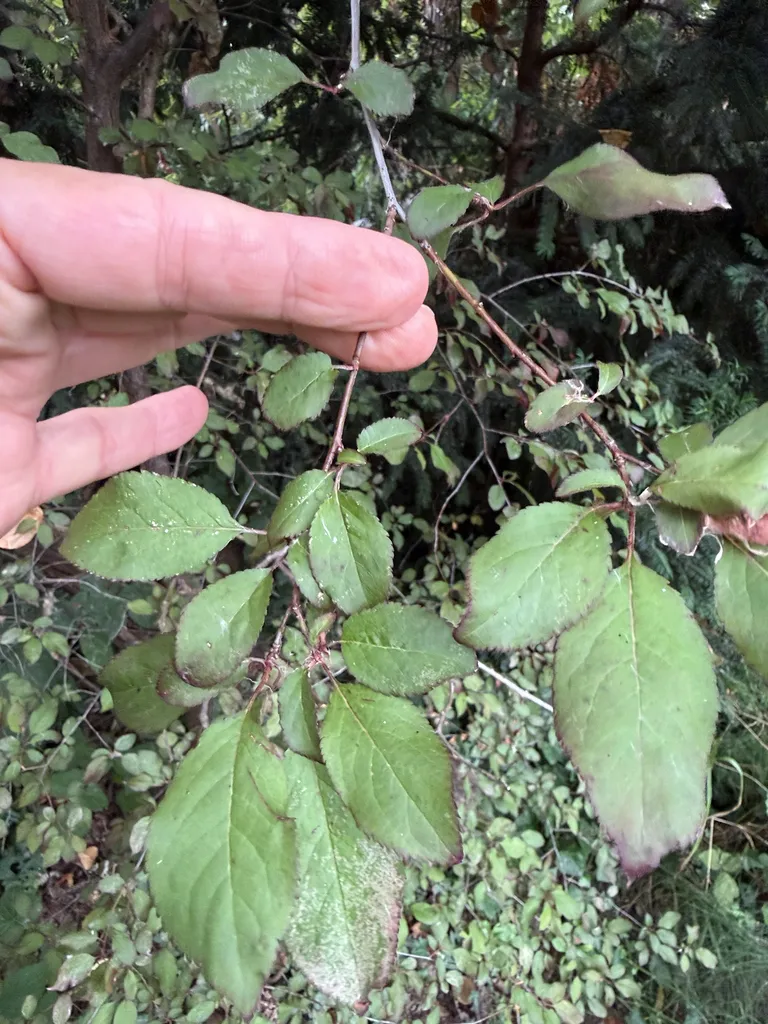
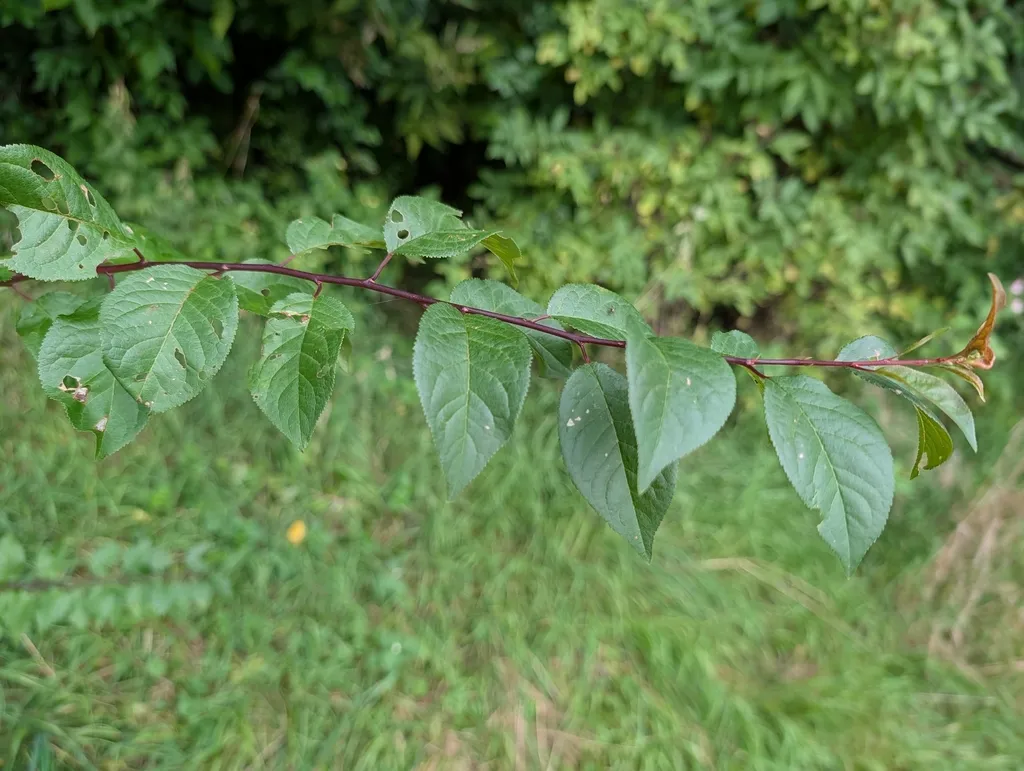
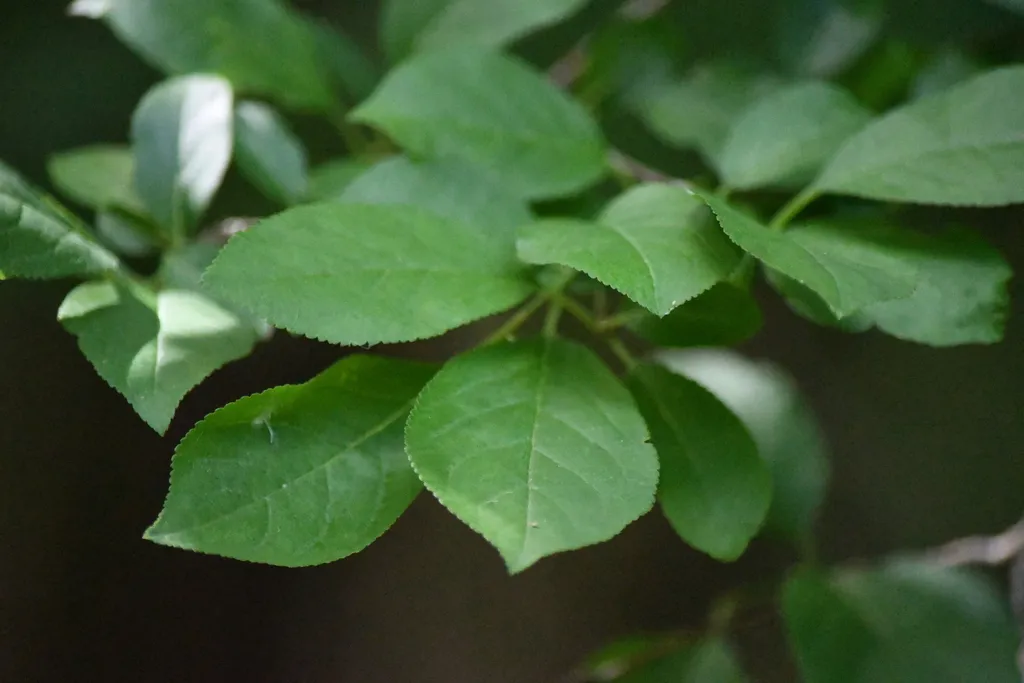
cherry plum pictures
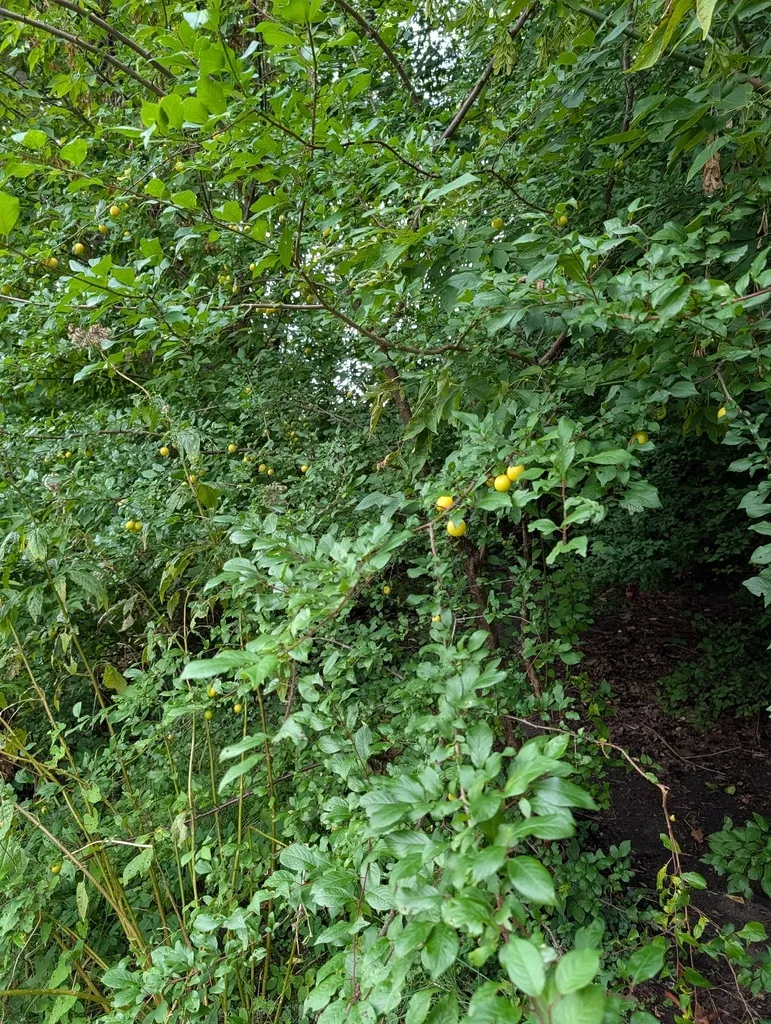
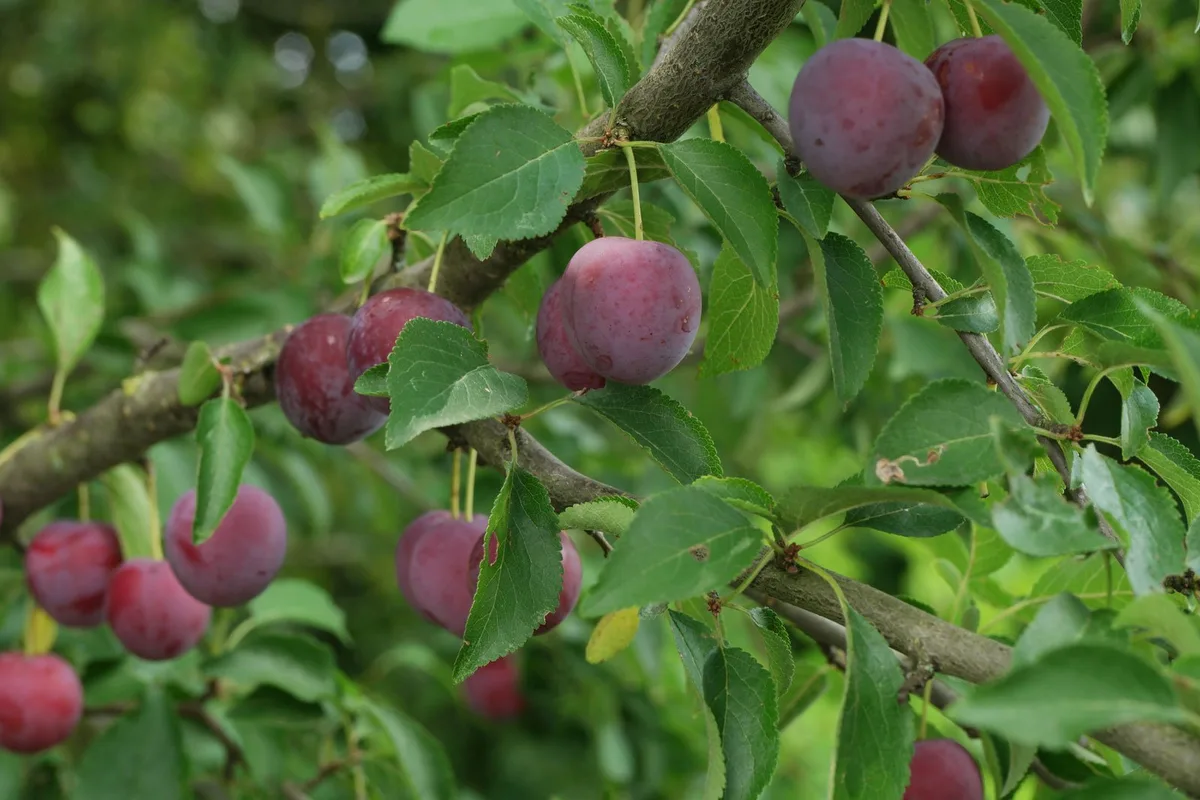
Distribution of cherry plum
Distribution map
Southeastern Europe Southwestern Asia
Information to be completed
Culture
Information to be completed
Toxicity
Information to be completed
Quick identification of cherry plum
Information to be completed
cherry plum care guide
- Deep watering during dry spells, let surface soil partly dry between sessions
- Watering
- Full sun
- Sunlight
- Information to be completed
- Ideal temperature

Watering
Deep watering during dry spells, let surface soil partly dry between sessions
Fertilizing
 Fertilizing
Balanced tree feed applied once every early spring growth cycle
Pruning
 Pruning
Little pruning is needed. Remove diseased, damaged, crowded or crossing shoots and unwanted growth. If silver leaf disease is a concern, prune in midsummer.
Propagation
 Propagation
Propagate by chip budding or grafting, although softwood cuttings in early summer with bottom heat can be successful
Growing
 Growing
Grow in moderately fertile soil in full sun
People also ask
Information to be completed
Common pests and diseases
Diseases
May be susceptible to peach leaf curl, silver leaf, bacterial canker, blossom wilt and honey fungus. High Risk Host for Xylella fastidiosa
Pests
Can suffer from aphids, including plum aphid and caterpillars
Explore the plant health library →




