
Chilean wine palm
Also known as: Chilean coquito palm; coquito; honey palm; little cokernut palm; palm honey tree
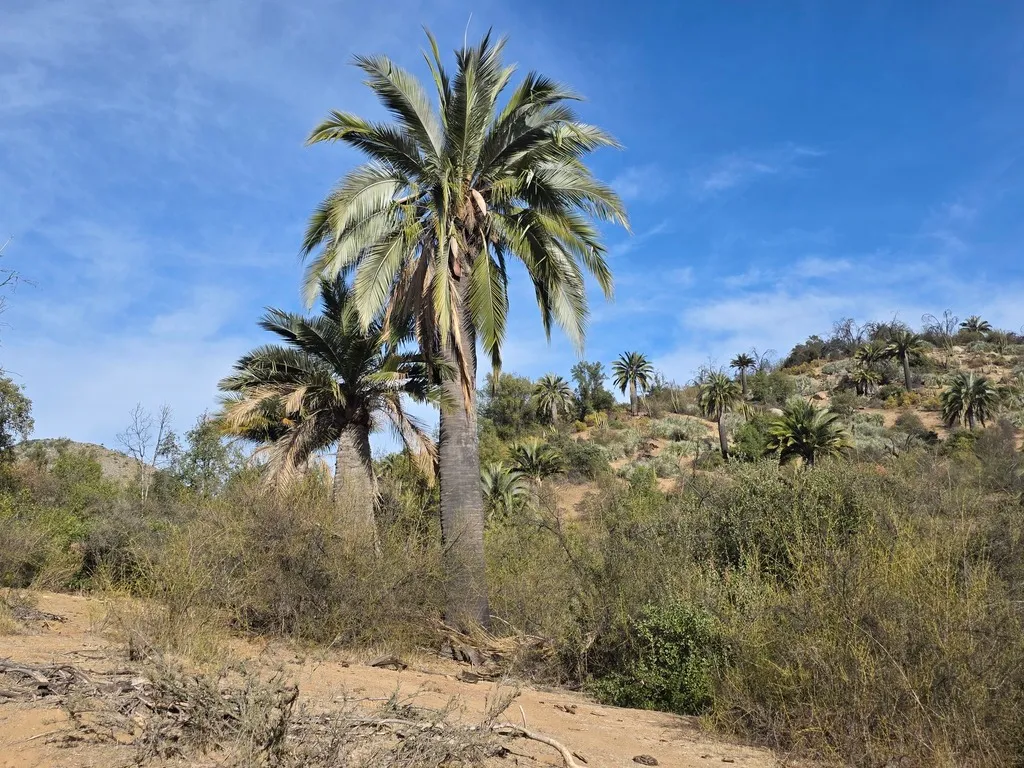
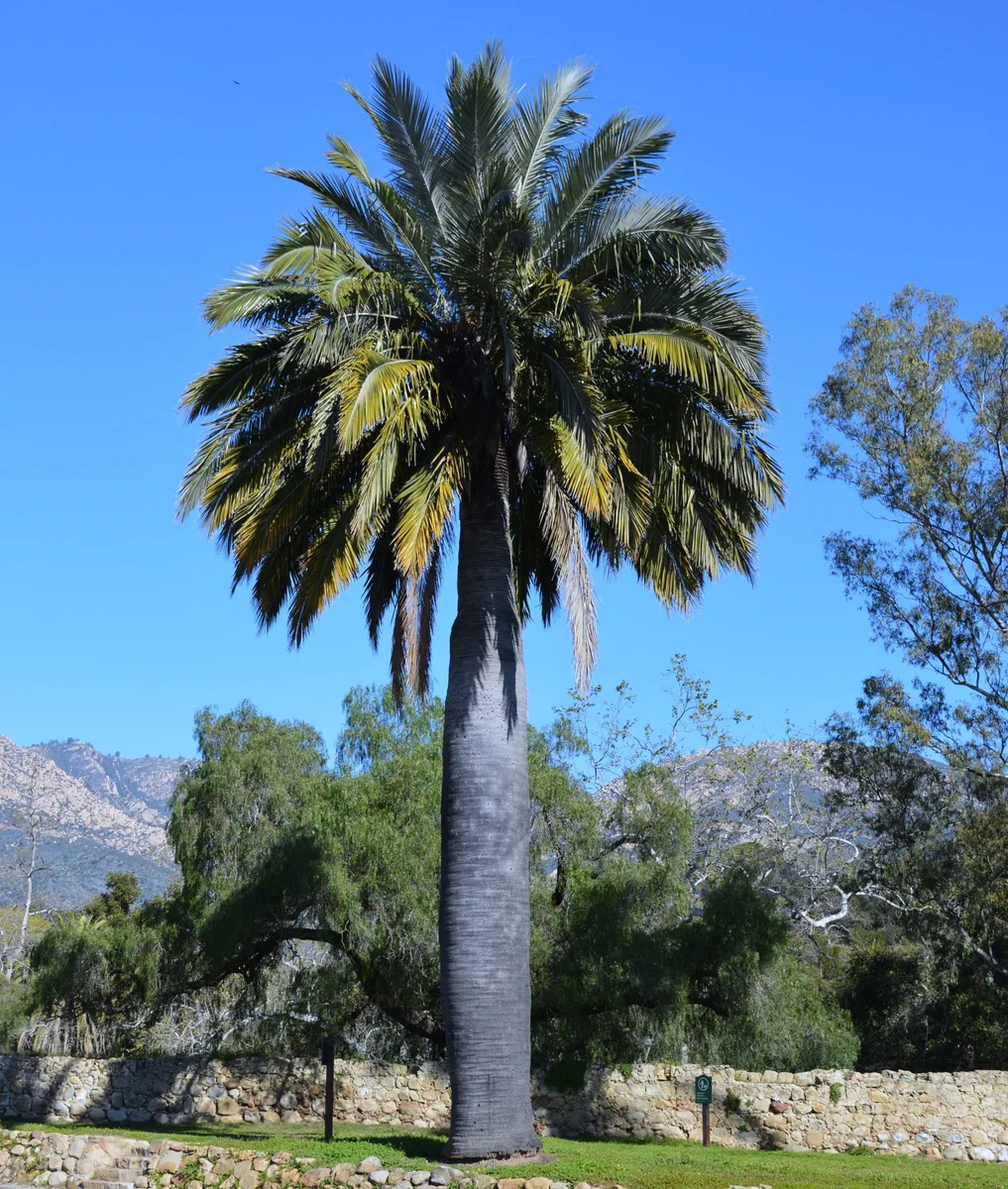
J. chilensis is a slow-growing palm which can reach 25m, with a single, scarred and cracked grey trunk and leaves up to 5m long formed of many very narrow, rigid, folded, yellow-green to dark green leaflets. Small, bowl-shaped, dull purple and yellow flowers are produced in summer in sprays up to 1.5m long, followed by woody, yellow fruit
Scientific classification
- Species
- Chilean wine palm (Jubaea chilensis)
- Genus
- Jubaea
- Family
- Arecaceae
- Information to be completed
- Toxicity
- Conservatory Greenhouse · Palms · Houseplants
- Plant type
- Higher than 12 metres
- Height
- wider than 8 metres
- Spread
- Evergreen
- Foliage
- Bushy
- Habit
- Spring · Summer · Autumn · Winter
- Season of interest
- Full sun
- Sunlight
- Information to be completed
- Ideal temperature









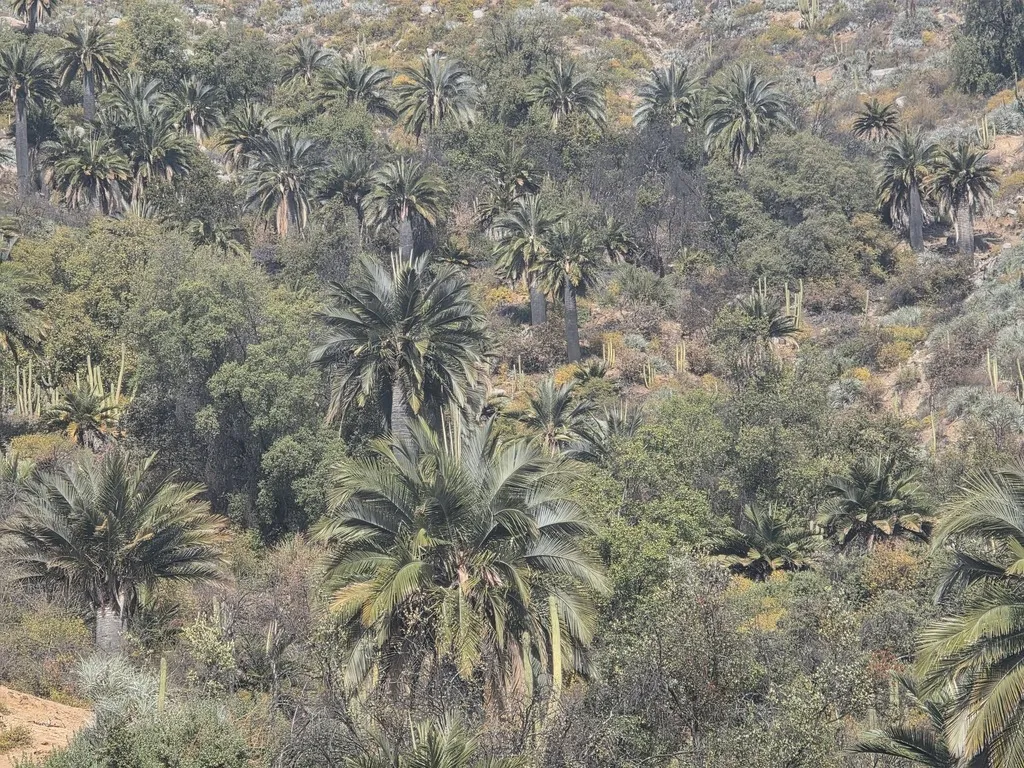
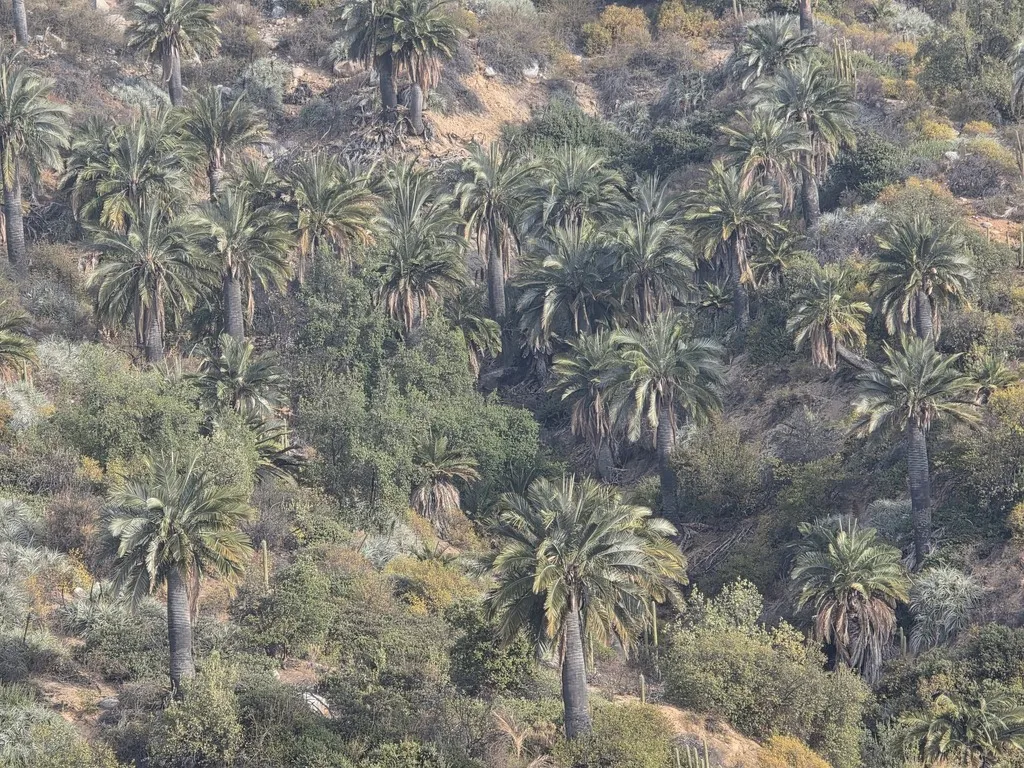
Chilean wine palm pictures


Distribution of Chilean wine palm
Distribution map
Central Chile
Information to be completed
Culture
Information to be completed
Toxicity
Information to be completed
Quick identification of Chilean wine palm
Information to be completed
Chilean wine palm care guide
- Moderate watering, mature palm handles long dry soil spells
- Watering
- Full sun
- Sunlight
- Information to be completed
- Ideal temperature

Watering
Moderate watering, mature palm handles long dry soil spells
Fertilizing
 Fertilizing
Palm slow-release feed once annually early spring season
Pruning
 Pruning
Minimal pruning required; remove dead leaves by cutting close to the leaf base leaving stubs to create a neat pattern
Propagation
 Propagation
Propagate by seed sown in spring at 25°C. Germination may take three to six months
Growing
 Growing
In milder areas grow outdoors in fertile, moist but well-drained soil in a sheltered position in full sun. Otherwise grow as a houseplant, or in a cool greenhouse or conservatory, in a loam-based compost
People also ask
Information to be completed
Common pests and diseases
Diseases
Generally disease-free
Pests
May be sisceptible to glasshouse red spider mite under glass
Explore the plant health library →




