
rose 'Schoolgirl'
Also known as: Information to be completed
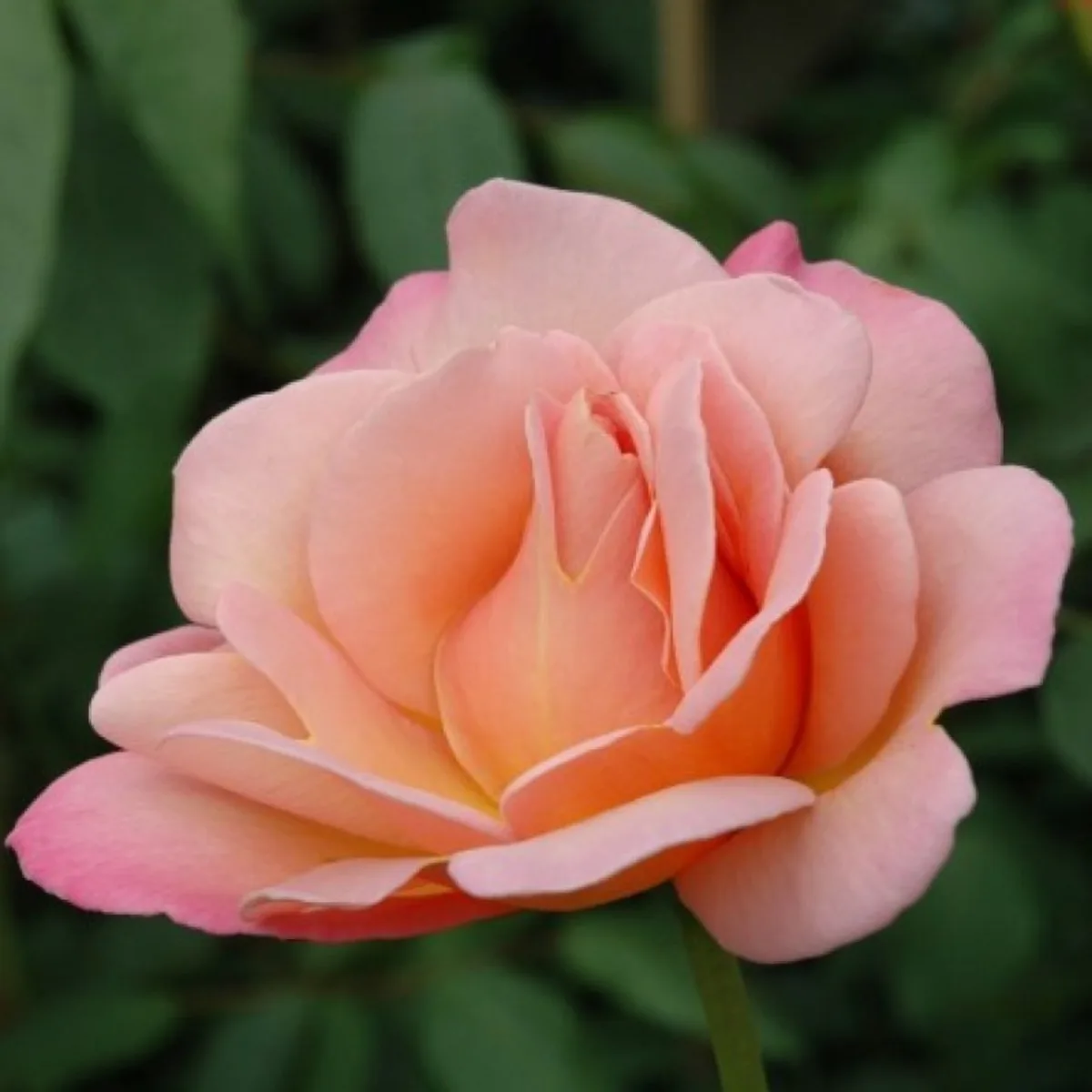
A climber with dark green leaves. Lightly scented, loose, flat, double flowers appear on stiff stems and are copper, apricot and orange in colour. Flowers generously and repeatedly from July through until September.
Scientific classification
- Species
- rose 'Schoolgirl' (Rosa 'Schoolgirl')
- Genus
- Rosa
- Family
- Rosaceae
- Order
- Rosales
- Class
- Magnoliopsida
- Phylum
- Magnoliophyta
- Fruit are ornamental - not to be eaten. Wear gloves and other protective equipment when handling
- Toxicity
- Climber Wall Shrub · Roses
- Plant type
- 2.5-4 metres
- Height
- 1.5-2.5 metres
- Spread
- Deciduous
- Foliage
- Bushy · Climbing · Columnar upright
- Habit
- Spring · Summer · Autumn
- Season of interest
- Full sun · Partial shade
- Sunlight
- Information to be completed
- Ideal temperature









rose 'Schoolgirl' pictures
Toxicity
Fruit are ornamental - not to be eaten. Wear gloves and other protective equipment when handling
rose 'Schoolgirl' care guide
- Deep infrequent watering, dry top soil does not hurt mature bushes
- Watering
- Full sun · Partial shade
- Sunlight

Watering
Deep infrequent watering, dry top soil does not hurt mature bushes
Fertilizing
 Fertilizing
Rose specialized liquid feed applied every two blooming weeks
Pruning
 Pruning
Deadhead regularly. Prune after flowering, tie in any new shoots, cut back long shoots by a third, cut back side shoots by two-thirds and removing any dead, dying, damaged and diseased stems
Propagation
 Propagation
Propagate by budding or hardwood cuttings
Growing
 Growing
Thrives in full sun, against a wall, trellis, fence or tree, perhaps behind a shrub to hide bare lower stems. Best not to plant rose in soil where other roses have grown previously. Add mycorrhizal fungi to the roots when planting to help the plant establish quicker.
Common pests and diseases
Diseases
May be susceptible to Rose black spot , Powdery mildew , Rose rust
Pests
May be susceptible to Aphids, Caterpillars , Deer , Glasshouse red spider mite , Leafhoppers , Rabbits , Rose leaf-rolling sawfly , Scale insects
Explore the plant health library →




