
brown-berried juniper
Also known as: cade oil plant; prickly cedar; prickly juniper; sharp cedar
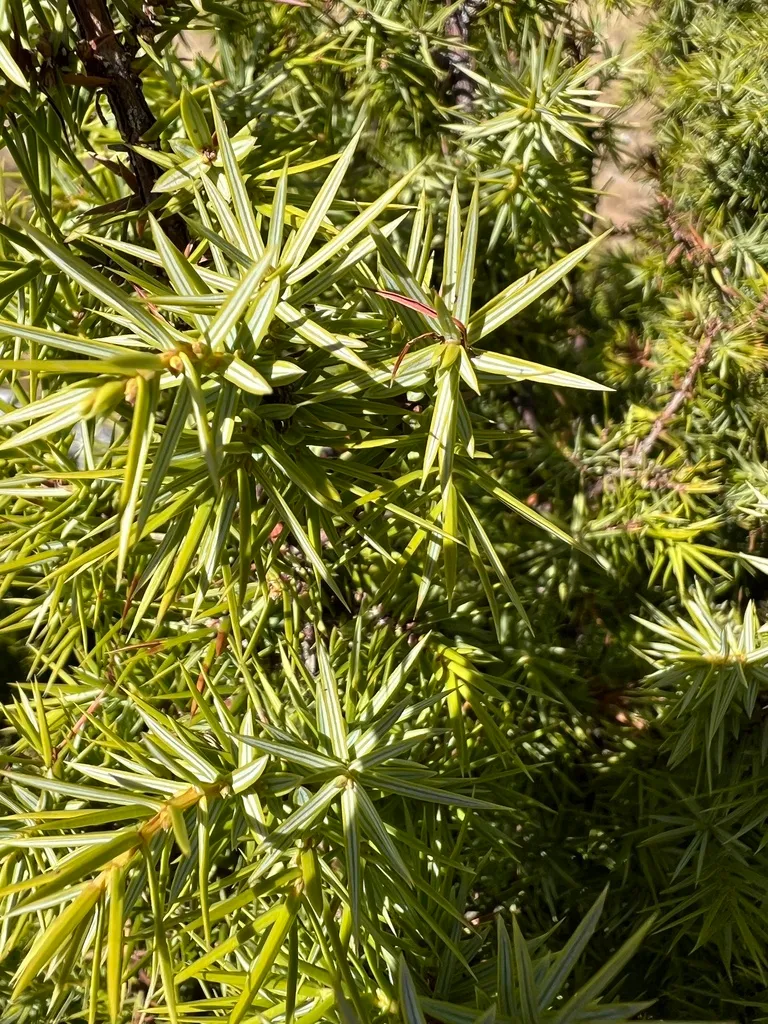
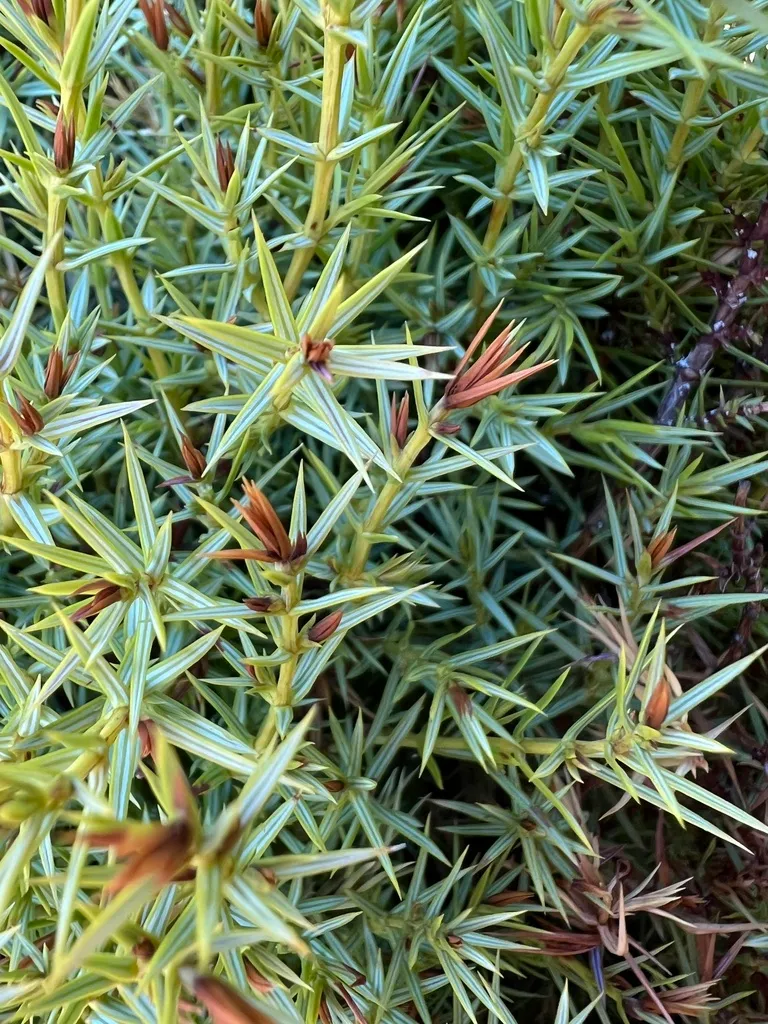
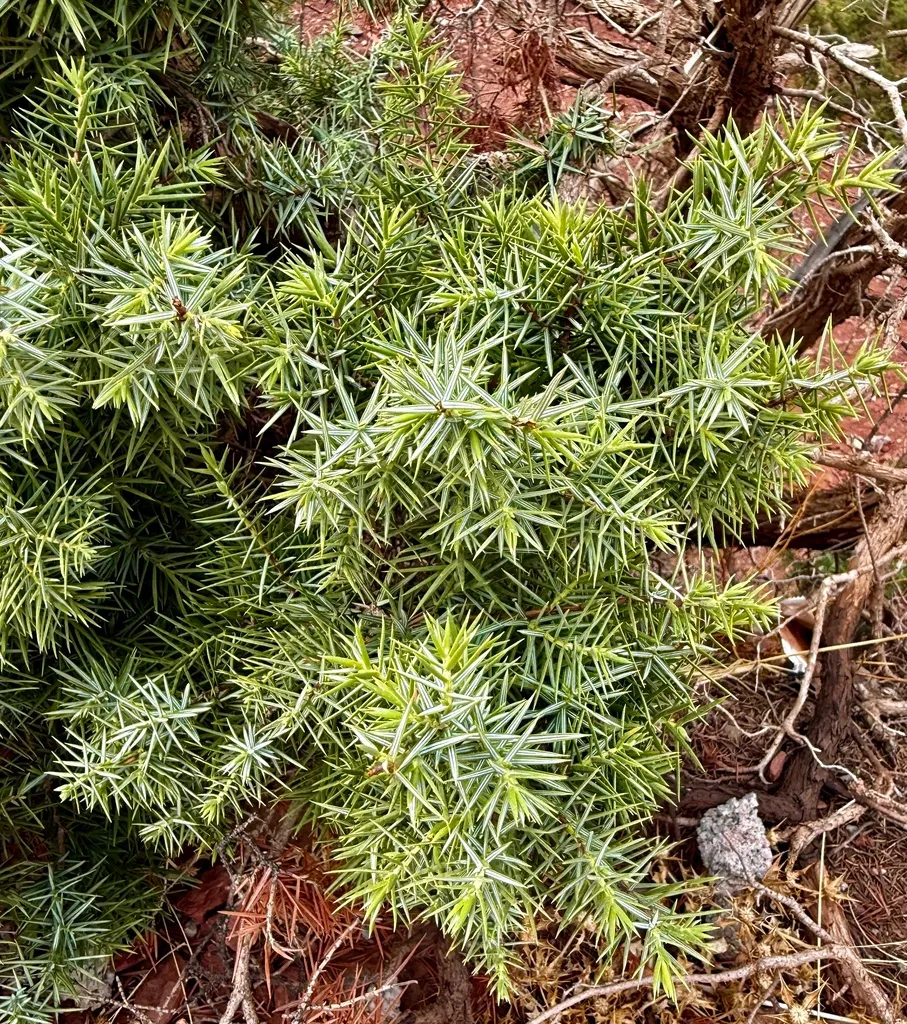
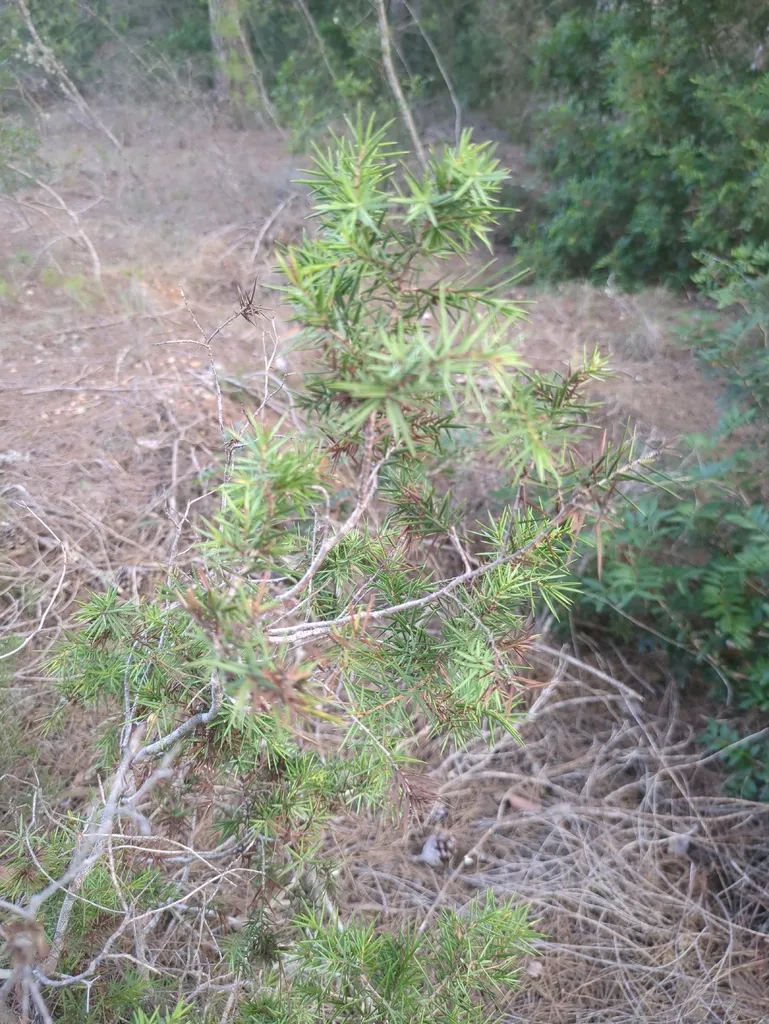
A species of prickly, evergreen conifer shrub to small tree, mainly found in mediterranean climates, with an oval habit, green, fragrant needle-like foliage, peeling, red bark and green to orange-brown berries. The oil is sometimes used as an essential oil in insense sticks or cosmetics
Scientific classification
- Species
- brown-berried juniper (Juniperus oxycedrus)
- Genus
- Juniperus
- Family
- Cupressaceae
- Harmful if eaten/skin allergen. Wear gloves and other protective equipment when handling
- Toxicity
- Conifers · Shrubs
- Plant type
- 2.5-4 metres
- Height
- 2.5-4 metres
- Spread
- Evergreen
- Foliage
- Bushy
- Habit
- Spring · Summer · Autumn · Winter
- Season of interest
- Full sun · Partial shade
- Sunlight
- Information to be completed
- Ideal temperature









brown-berried juniper pictures
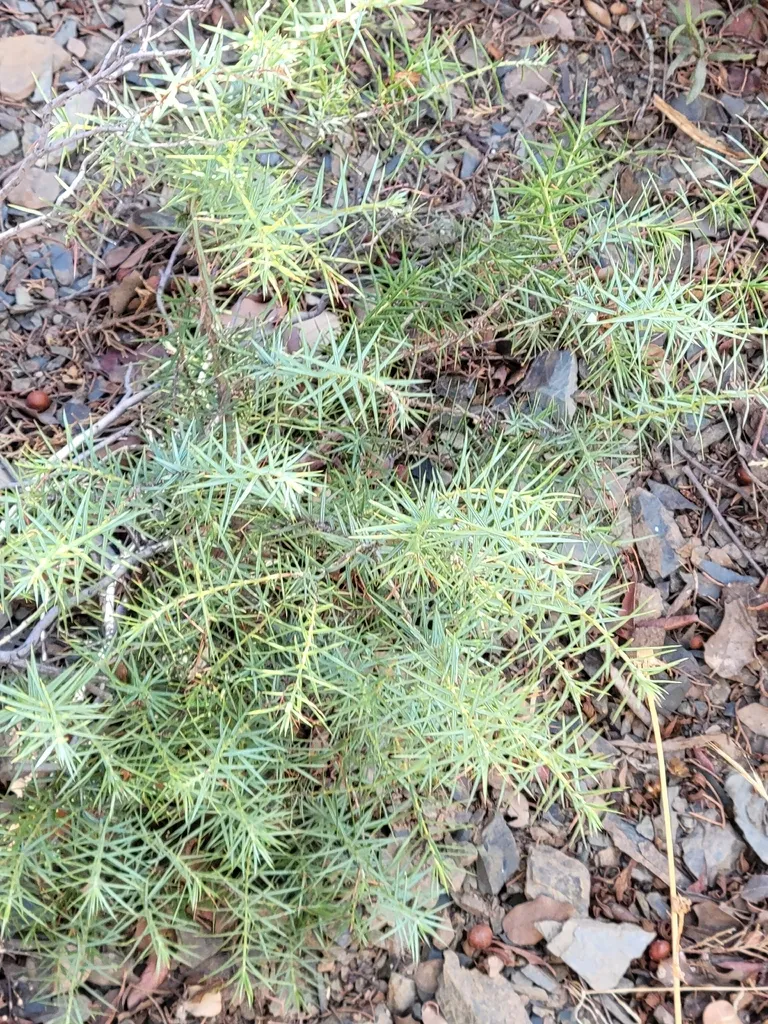
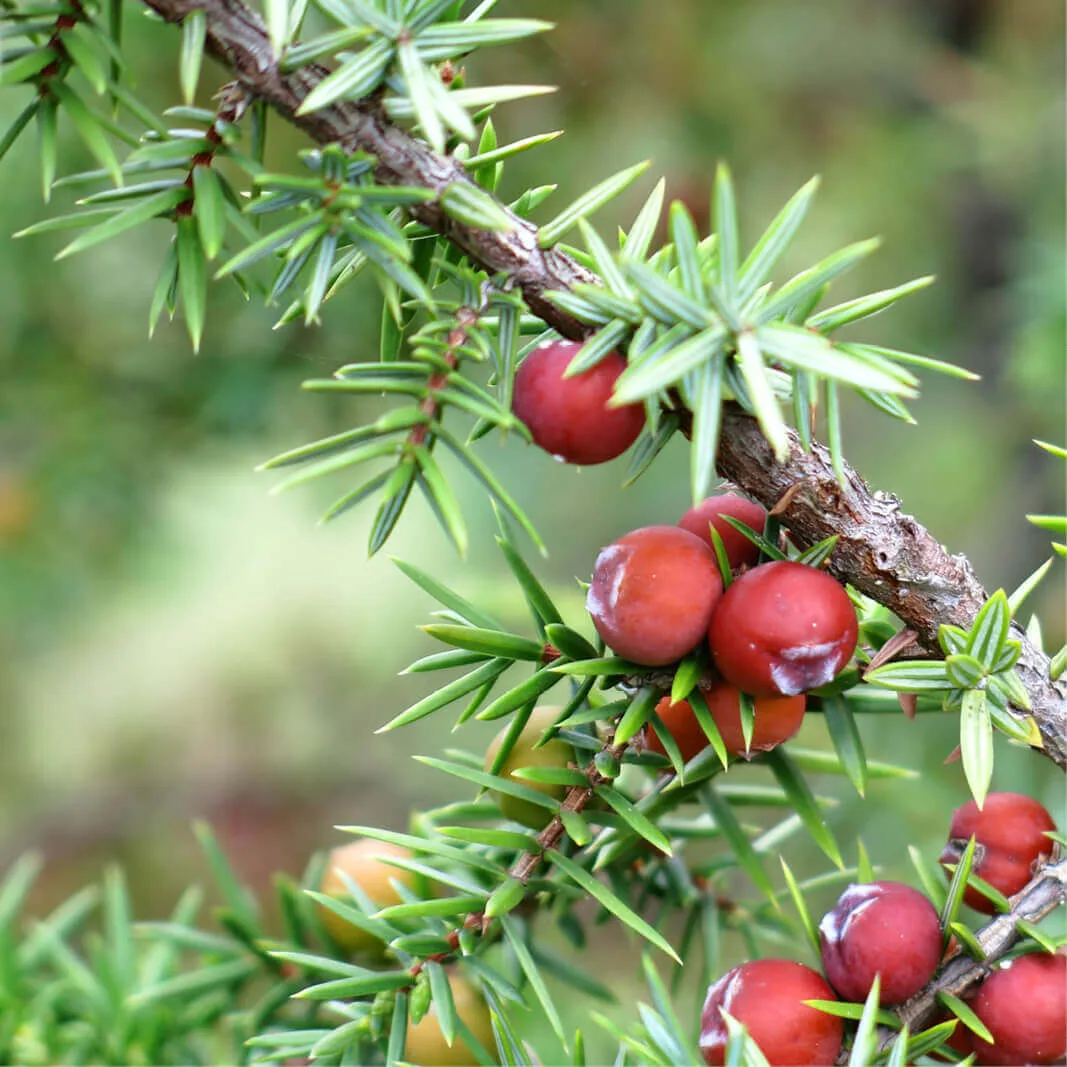
Distribution of brown-berried juniper
Distribution map
W. and West-Central. Mediterranean
Information to be completed
Culture
Information to be completed
Toxicity
Harmful if eaten/skin allergen. Wear gloves and other protective equipment when handling
Quick identification of brown-berried juniper
Information to be completed
brown-berried juniper care guide
- Deep occasional watering with excellent drainage, less once established
- Watering
- Full sun · Partial shade
- Sunlight
- Information to be completed
- Ideal temperature

Watering
Deep occasional watering with excellent drainage, less once established
Fertilizing
 Fertilizing
Light conifer feed once yearly in early spring only
Pruning
 Pruning
No pruning required
Propagation
 Propagation
Propagate by semi-hardwood cuttings
Growing
 Growing
Grow in any well-drained soil. Useful in hot sunny sites. Good ground cover
People also ask
Information to be completed
Common pests and diseases
Diseases
May be susceptible to phytophthora, canker and honey fungus. See also Conifers: brown patches
Pests
May be susceptible to aphids, juniper scale and caterpillars
Explore the plant health library →




