
Rocky Mountain juniper
Also known as: Information to be completed
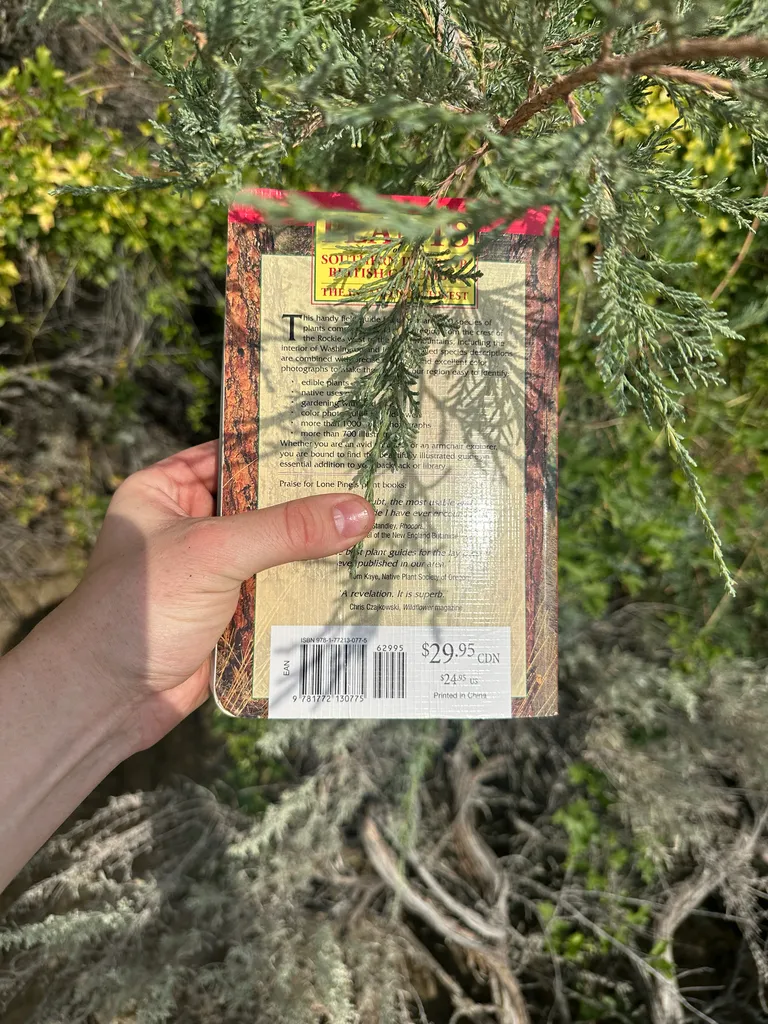
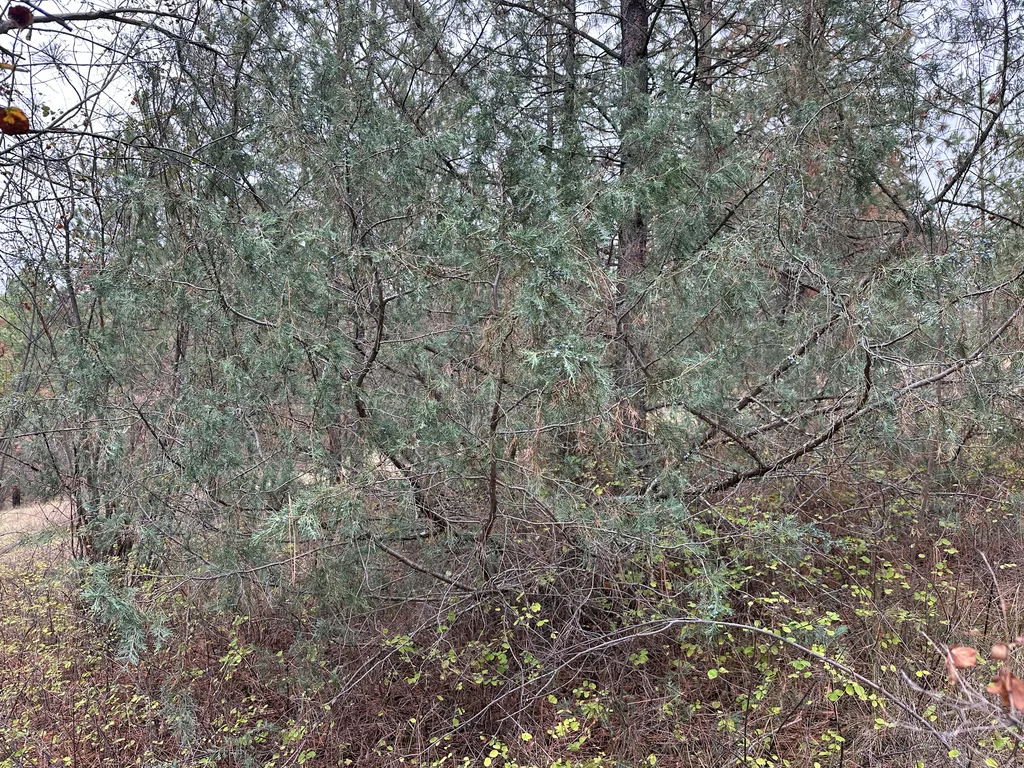
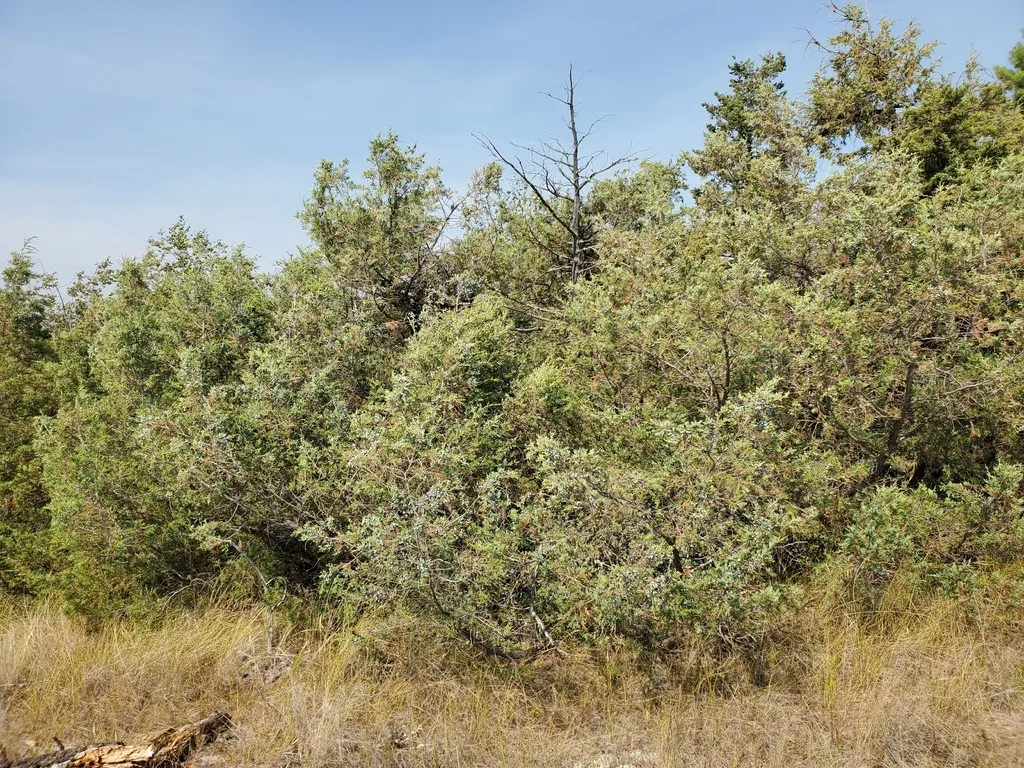
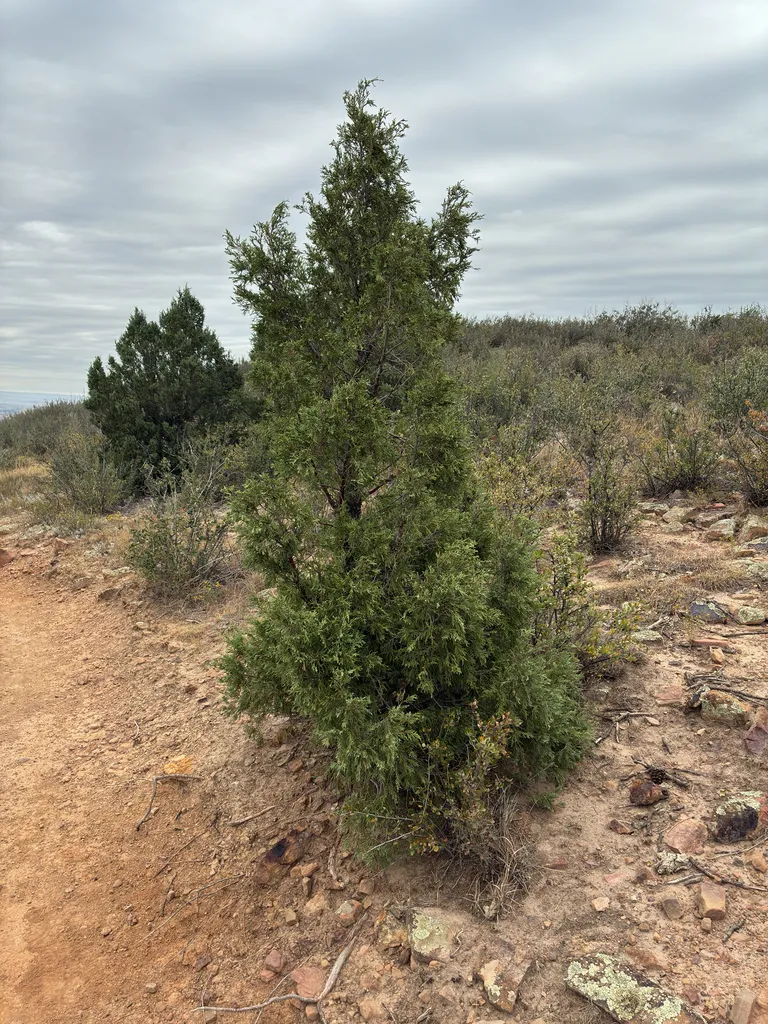
A pyramid-shaped evergreen conifer to a height of 15m with green-blue, scale-like leaves from which many garden cultivars have been bred. The bark is red-brown and the fruit is blue-black
Scientific classification
- Species
- Rocky Mountain juniper (Juniperus scopulorum)
- Genus
- Juniperus
- Family
- Cupressaceae
- Harmful if eaten/skin allergen. Wear gloves and other protective equipment when handling
- Toxicity
- Conifers · Trees
- Plant type
- Higher than 12 metres
- Height
- 4-8 metres
- Spread
- Evergreen
- Foliage
- Bushy
- Habit
- Spring · Summer · Autumn · Winter
- Season of interest
- Full sun
- Sunlight
- Information to be completed
- Ideal temperature









Rocky Mountain juniper pictures
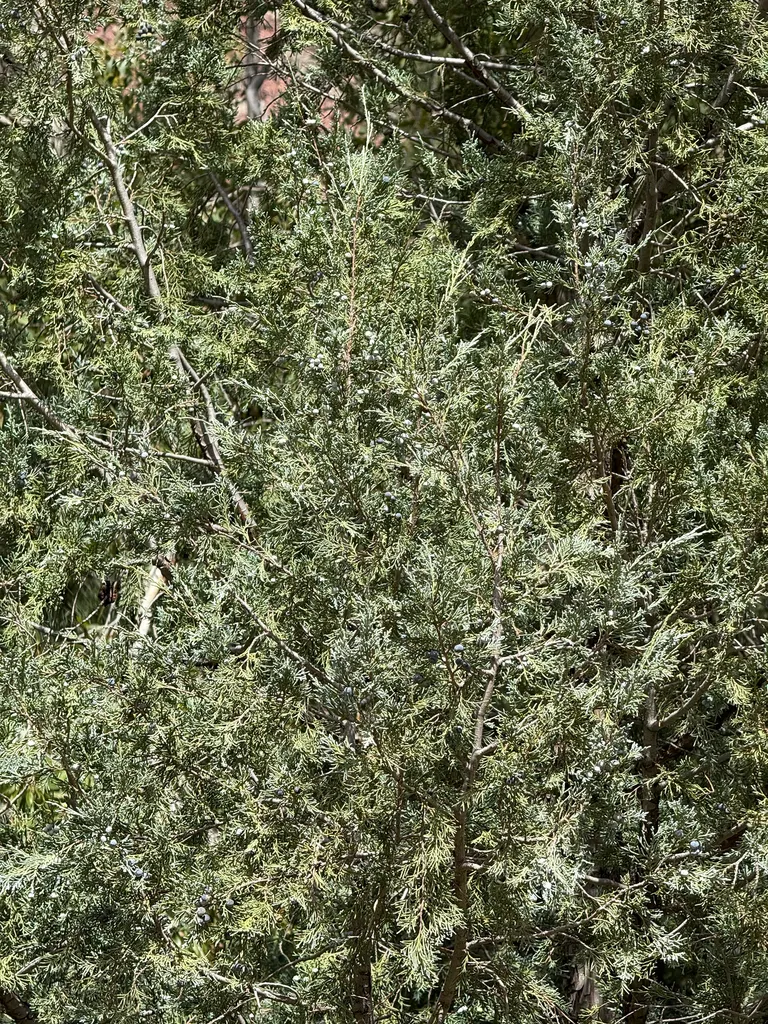
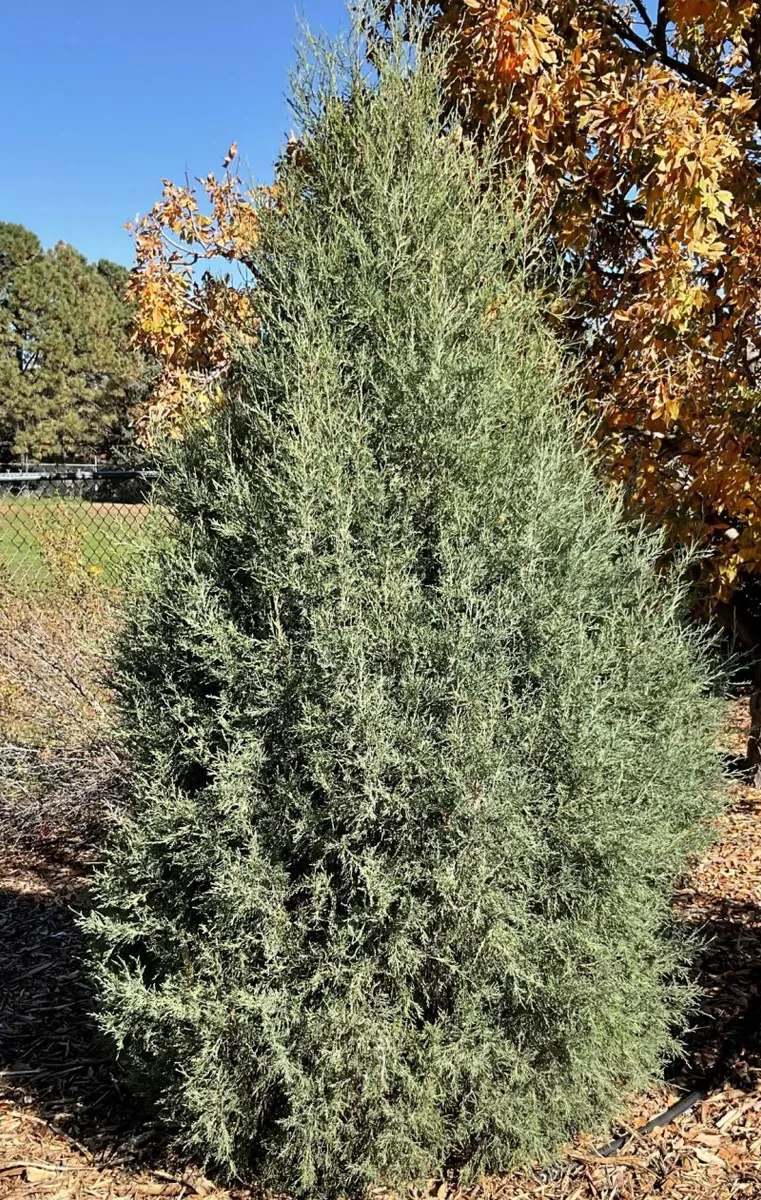
Distribution of Rocky Mountain juniper
Distribution map
W. Canada to Northern Mexico
Information to be completed
Culture
Information to be completed
Toxicity
Harmful if eaten/skin allergen. Wear gloves and other protective equipment when handling
Quick identification of Rocky Mountain juniper
Information to be completed
Rocky Mountain juniper care guide
- Minimal watering once established, allow full dry between waters
- Watering
- Full sun
- Sunlight
- Information to be completed
- Ideal temperature

Watering
Minimal watering once established, allow full dry between waters
Fertilizing
 Fertilizing
Low-strength evergreen feed single application early spring
Pruning
 Pruning
No pruning required
Propagation
 Propagation
Propagate by semi-hardwood cuttings
Growing
 Growing
Grow in any well-drained soil. Junipers need little if any pruning. Useful in hot sunny sites
People also ask
Information to be completed
Common pests and diseases
Diseases
May be susceptible to phytophthora, canker and honey fungus. See also Conifers: brown patches
Pests
May be susceptible to aphids, juniper scale and caterpillars
Explore the plant health library →




