
rose-flowered bramble
Also known as: showy-flowered bramble; salmonberry
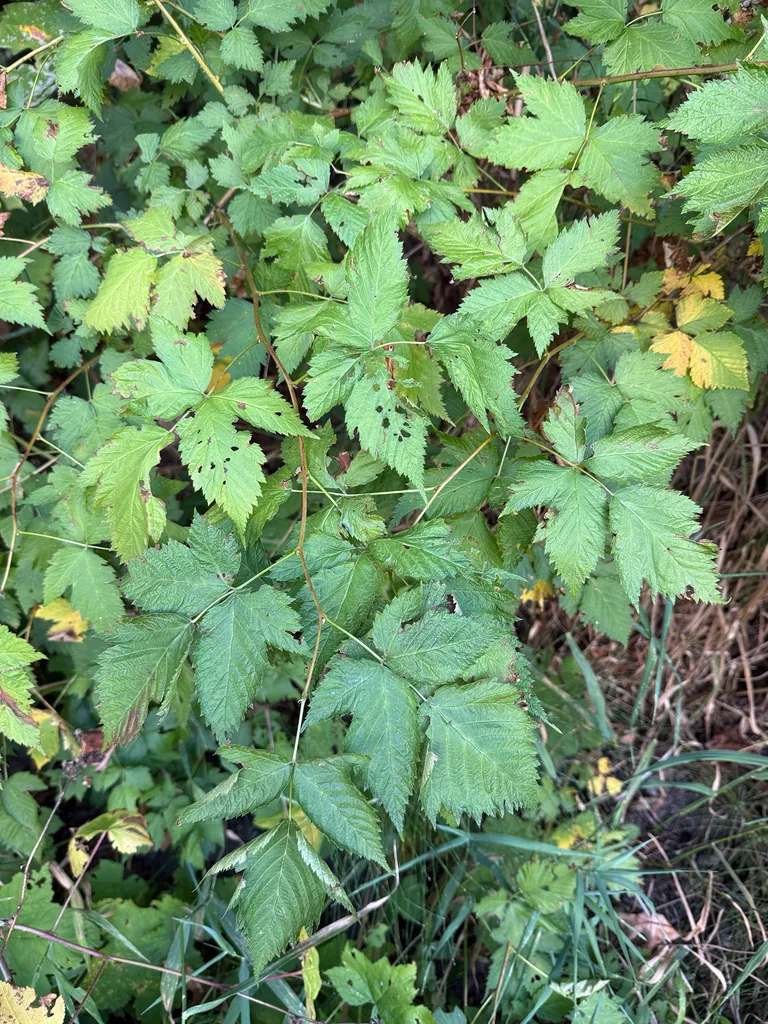
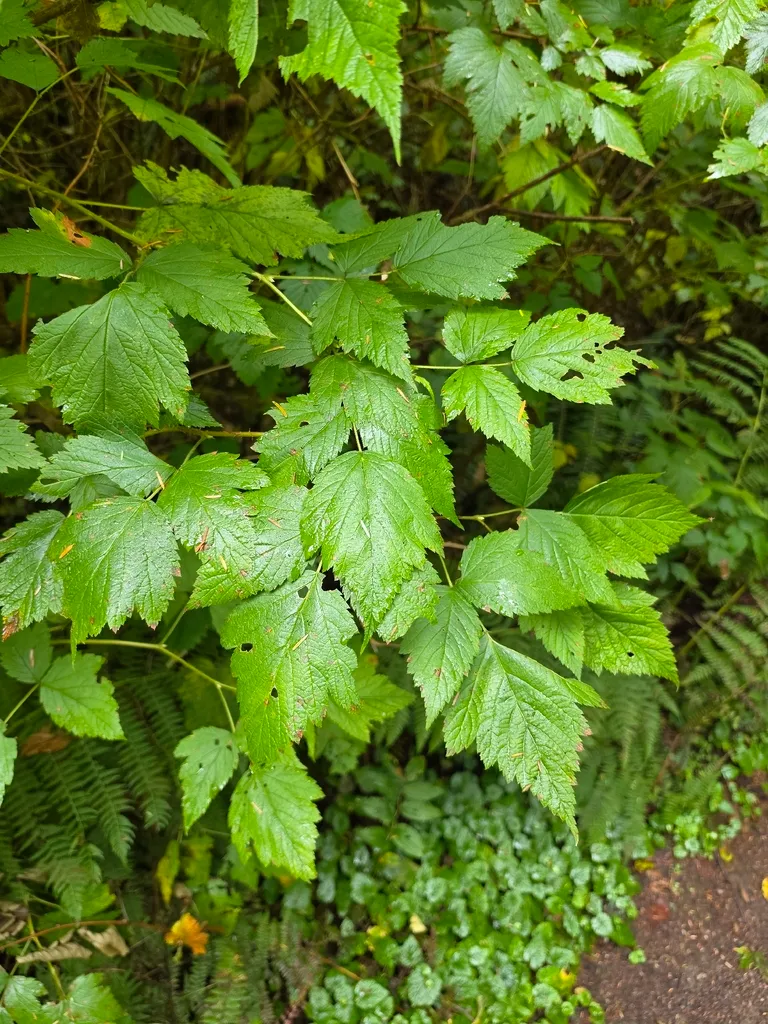
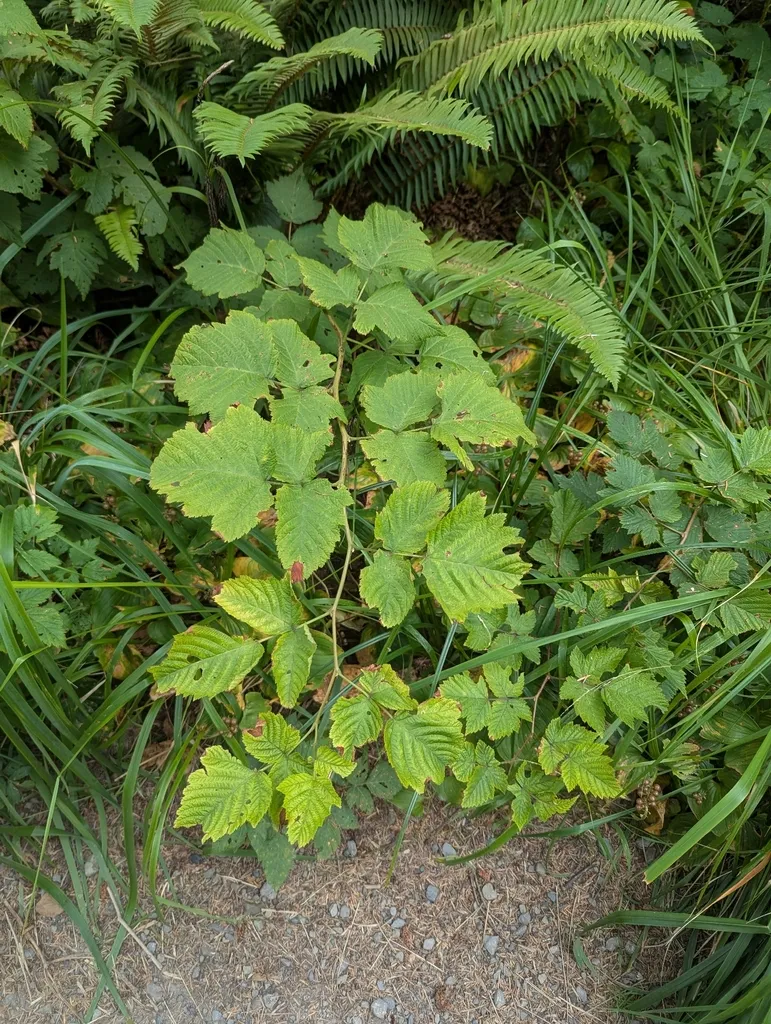
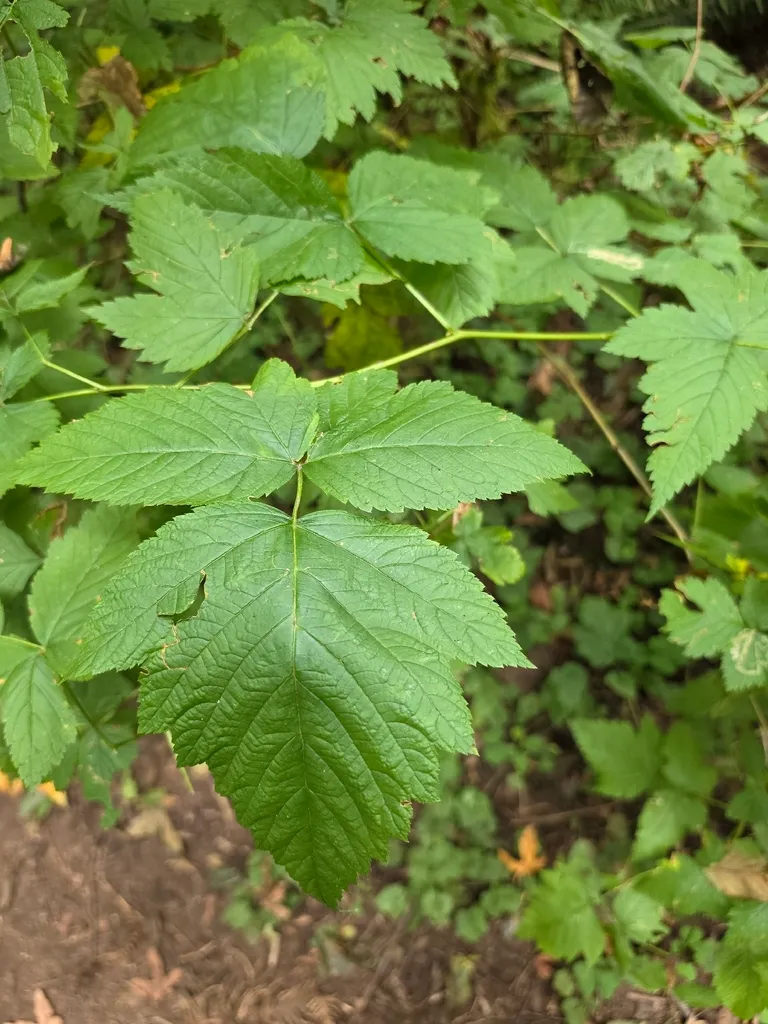
This plant is listed on Schedule 9 of the UK Wildlife & Countryside Act as an invasive non-native species. Although not banned from sale, it is an offence to plant or cause these to grow in the wild in NORTHERN IRELAND and the REPUBLIC OF IRELAND. Gardeners possessing them should undertake measures to control them. See RHS advice on invasive non-native species for further information\r\n\r\nA species of deciduous, rhizomatous perennial shrub, commonly known as the 'Salmonberry', with green foliage and fine thorns, appearing on new growth in particular. Often grown as an ornamental due to its attractive, pinkish purple flowers which appear from spring through to summer, followed by yellow-orange to pink edible berries in late summer which resemble a raspberry
Scientific classification
- Species
- rose-flowered bramble (Rubus spectabilis)
- Genus
- Rubus
- Family
- Rosaceae
- Information to be completed
- Toxicity
- Fruit Edible · Shrubs
- Plant type
- 1.5-2.5 metres
- Height
- 1-1.5 metres
- Spread
- Deciduous
- Foliage
- Bushy · Clump forming · Columnar upright
- Habit
- Spring · Summer
- Season of interest
- Full sun · Partial shade
- Sunlight
- Information to be completed
- Ideal temperature









rose-flowered bramble pictures
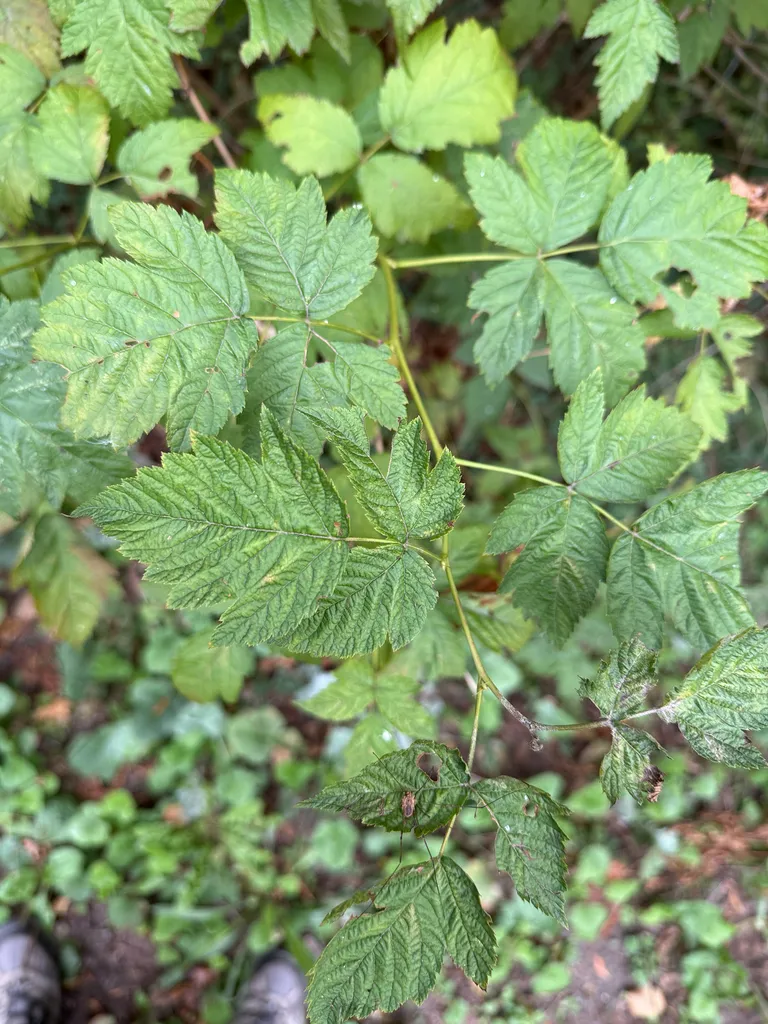
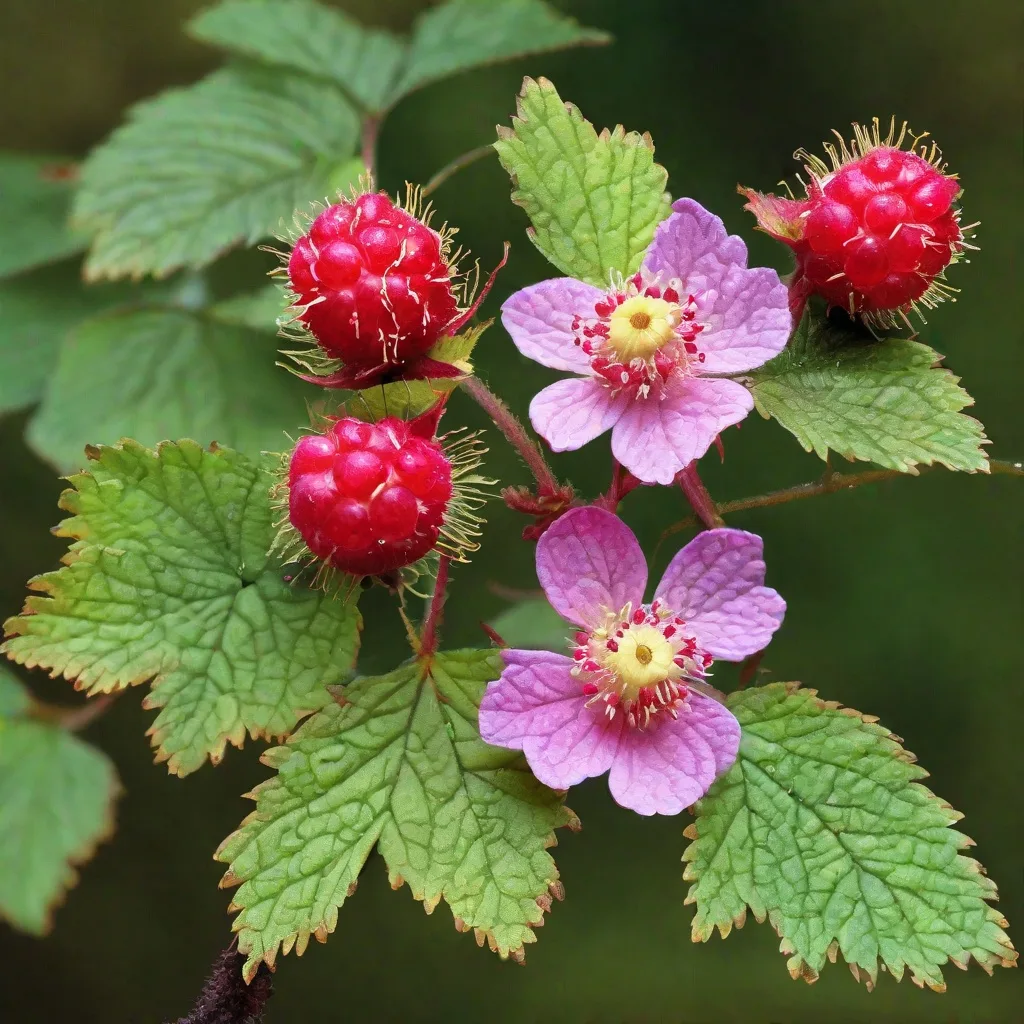
Distribution of rose-flowered bramble
Distribution map
Western North America
Information to be completed
Culture
Information to be completed
Toxicity
Information to be completed
Quick identification of rose-flowered bramble
Information to be completed
rose-flowered bramble care guide
- Moderate regular watering, allowing brief slight drying between soakings
- Watering
- Full sun · Partial shade
- Sunlight
- Information to be completed
- Ideal temperature

Watering
Moderate regular watering, allowing brief slight drying between soakings
Fertilizing
 Fertilizing
Balanced perennial feed every four weeks from spring through summer
Pruning
 Pruning
Once established, remove old woody canes to encourage new spring growth. Tie in new shoots to their framework
Propagation
 Propagation
Propagate by division or tip layering
Growing
 Growing
This plant is listed on Schedule 9 of the UK Wildlife & Countryside Act as an invasive non-native species. Although not banned from sale, it is an offence to plant or cause these to grow in the wild in NORTHERN IRELAND and the REPUBLIC OF IRELAND. Gardeners possessing them should undertake measures to control them. See RHS advice on invasive non-native species for further information
People also ask
Information to be completed
Common pests and diseases
Diseases
May be susceptible to grey moulds and honey fungus (rarely)
Pests
Generally pest-free
Explore the plant health library →




