
panda plant
Also known as: pussy ears
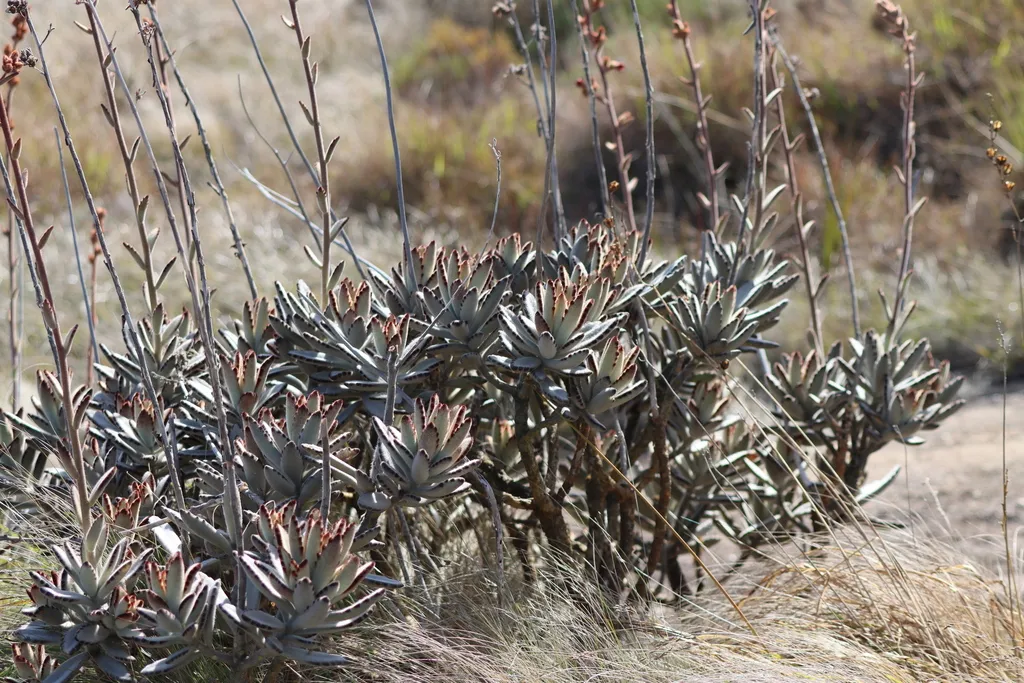
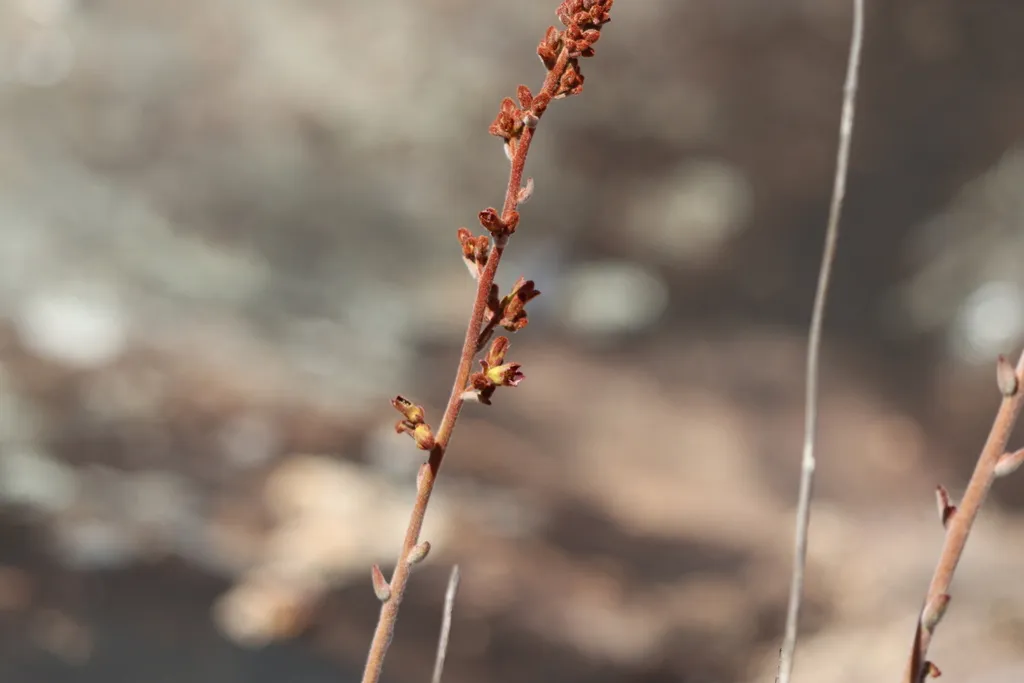
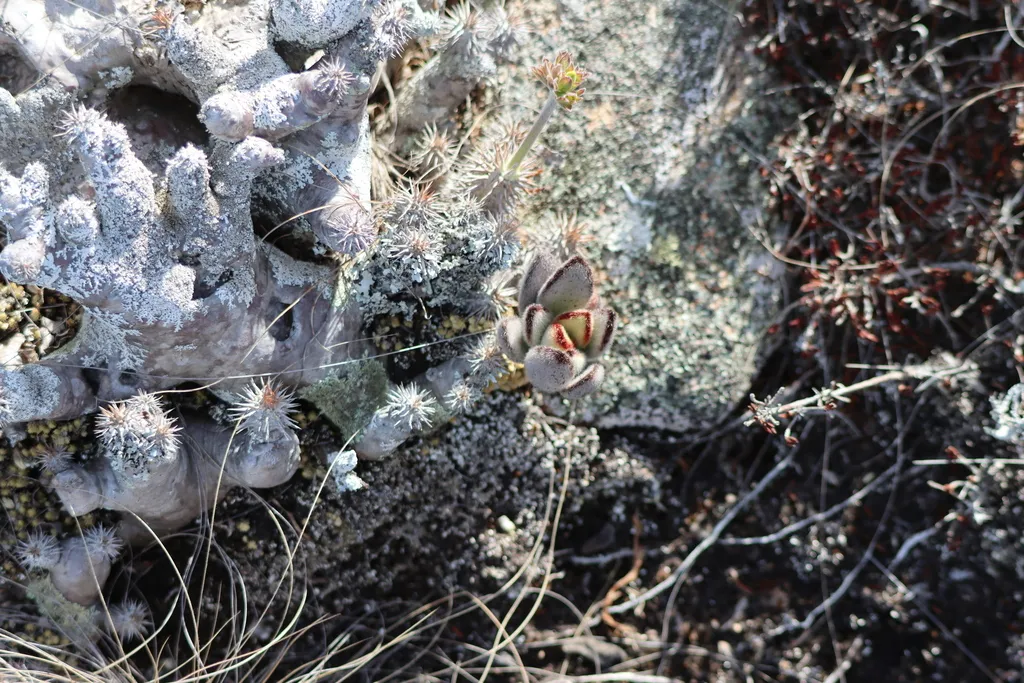
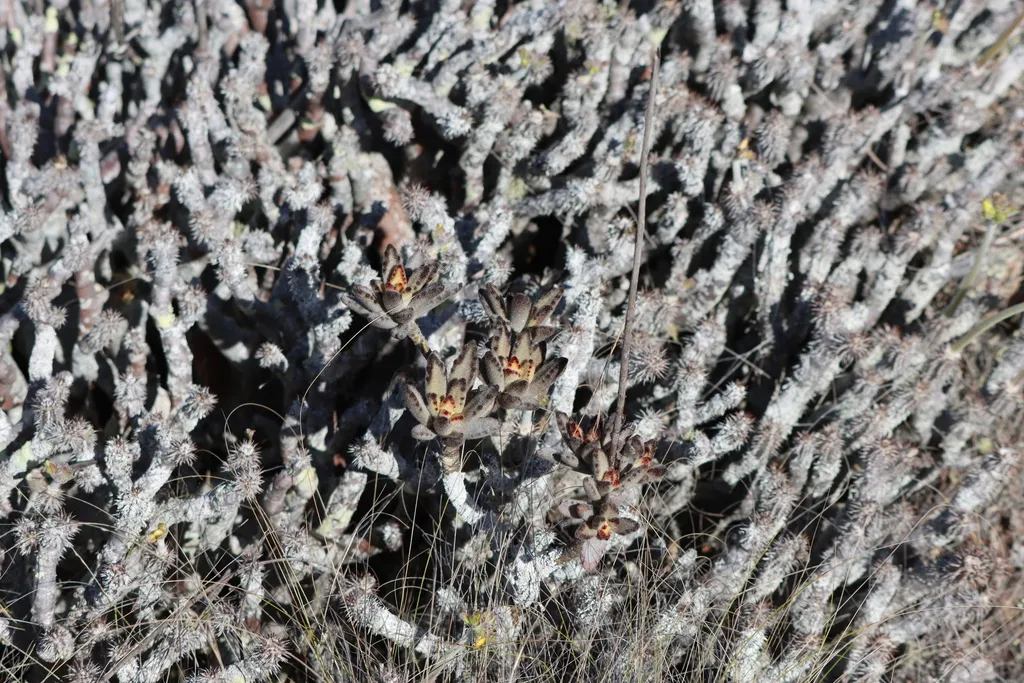
K. tomentosa is an erect evergreen perennial to 1m in height, with thickly fleshy leaves to 9cm in length, silvery hairy, margined and tipped with brown. Tubular yellow-green flowers 1cm in length are borne in panicles from early spring
Scientific classification
- Species
- panda plant (Kalanchoe tomentosa)
- Genus
- Kalanchoe
- Family
- Crassulaceae
- Order
- Saxifragales
- Class
- Magnoliopsida
- Phylum
- Magnoliophyta
- Information to be completed
- Toxicity
- Houseplants · Cactus Succulent · Conservatory Greenhouse
- Plant type
- 0.5-1 metres
- Height
- 0.1-0.5 metres
- Spread
- Evergreen
- Foliage
- Bushy
- Habit
- Spring · Summer · Autumn · Winter
- Season of interest
- Full sun
- Sunlight
- Information to be completed
- Ideal temperature









panda plant pictures
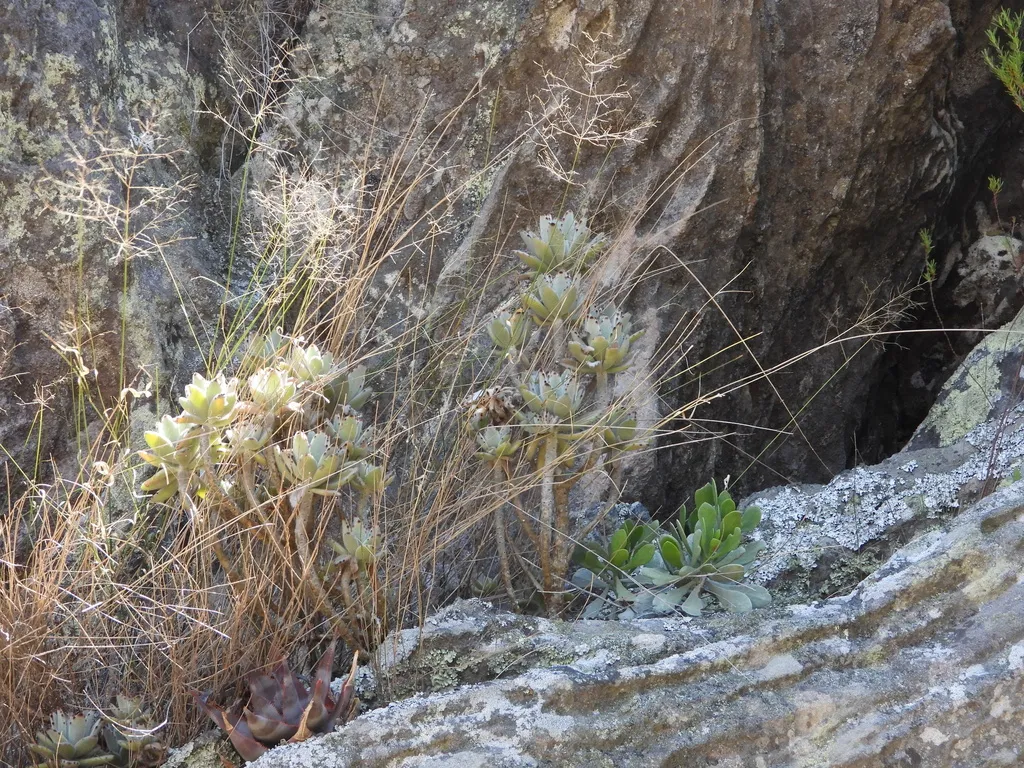
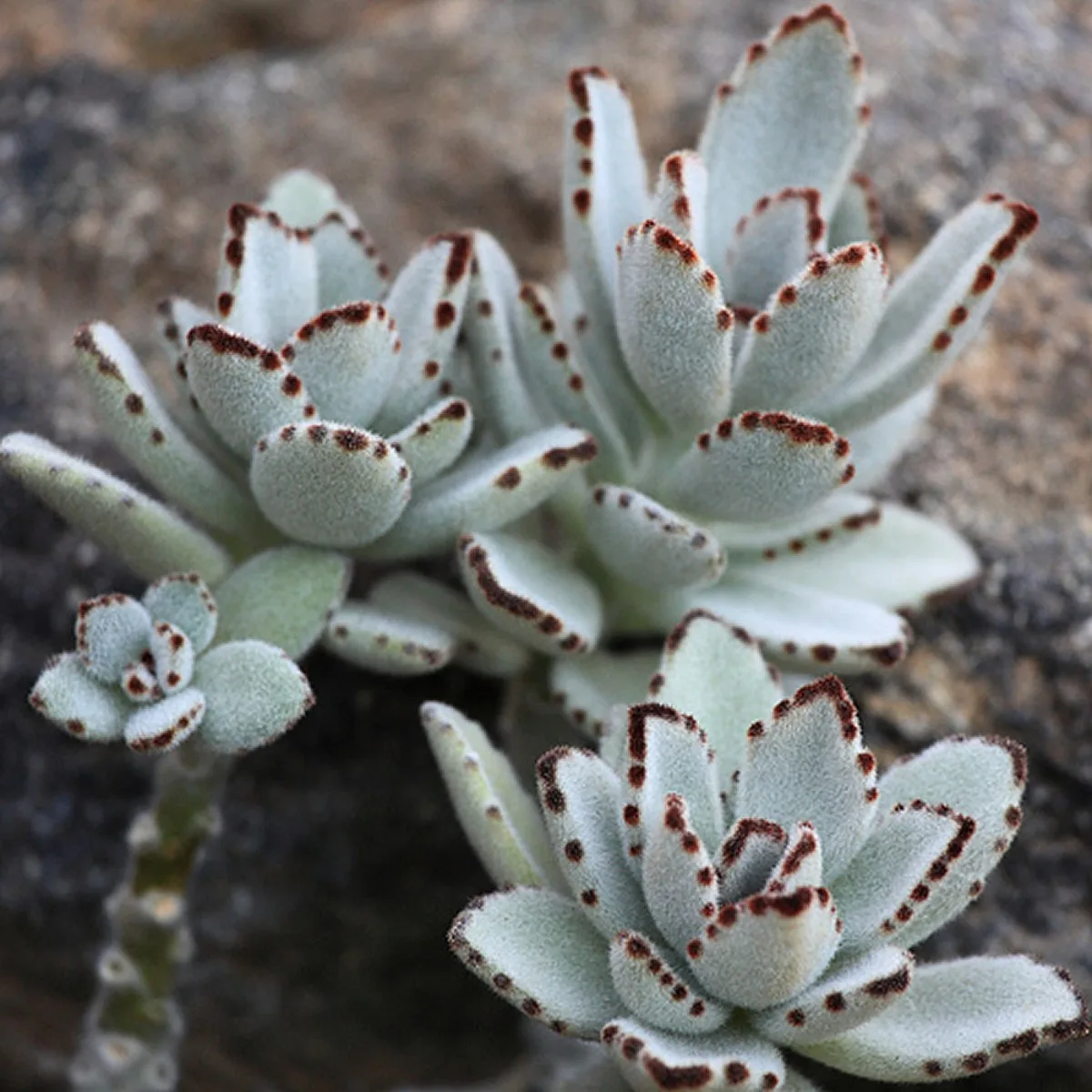
Distribution of panda plant
Distribution map
- Native
- Introduced
- Cultivated
Source:WCVP v16 · Royal Botanic Gardens, Kew · CC BY 3.0 · Boundaries:WGSRPD / TDWG
panda plant care guide
- Water fully only when grit succulent mix completely dries out thoroughly
- Watering
- Full sun
- Sunlight

Watering
Water fully only when grit succulent mix completely dries out thoroughly
Fertilizing
 Fertilizing
Ultra diluted low-nitrogen succulent feed monthly warm summer growth only
Pruning
 Pruning
No pruning required
Propagation
 Propagation
Propagate by seed sown at 19 - 21°C in early spring or by offsets
Growing
 Growing
Grow under glass in a loam-based potting compost with additional perlite, sharp sand or grit in full light with good ventilation. Water moderately throughout the year but more sparingly in winter. In the growing season feed a balanced liquid fertiliser 2 or 3 times
Common pests and diseases
Diseases
Powdery mildews and a rust may be a problem
Pests
May be attacked by mealybugs and aphids
Explore the plant health library →




