
bog kalmia
Also known as: bog laurel; eastern bog laurel; swamp laurel; glaucous kalmia
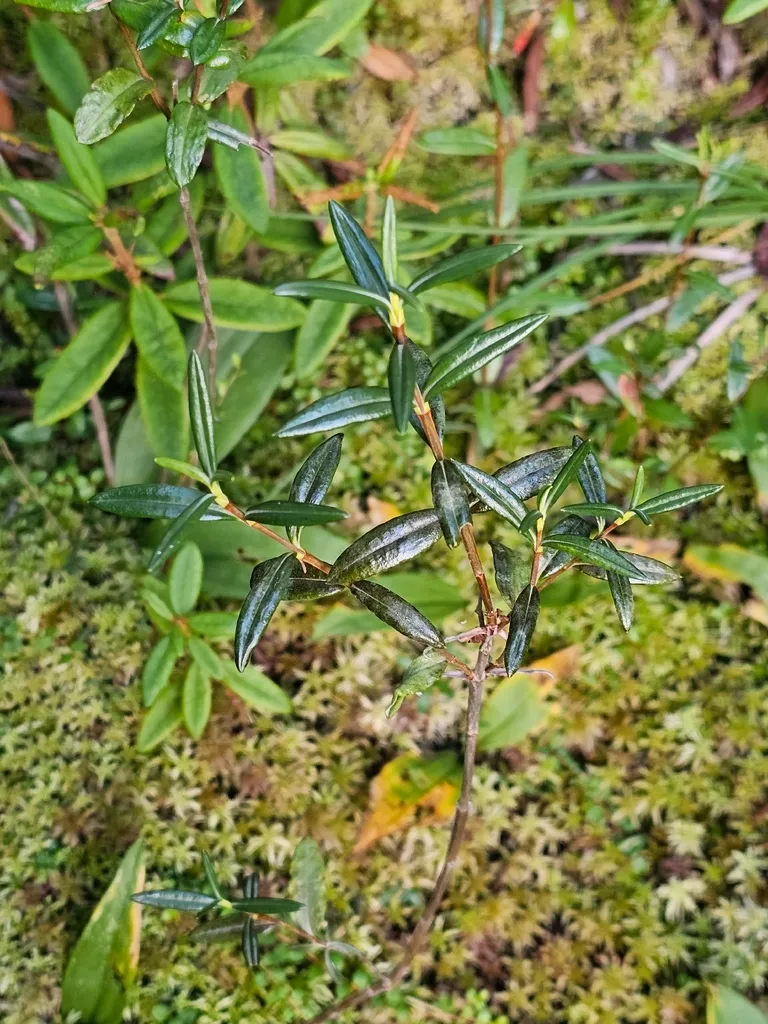
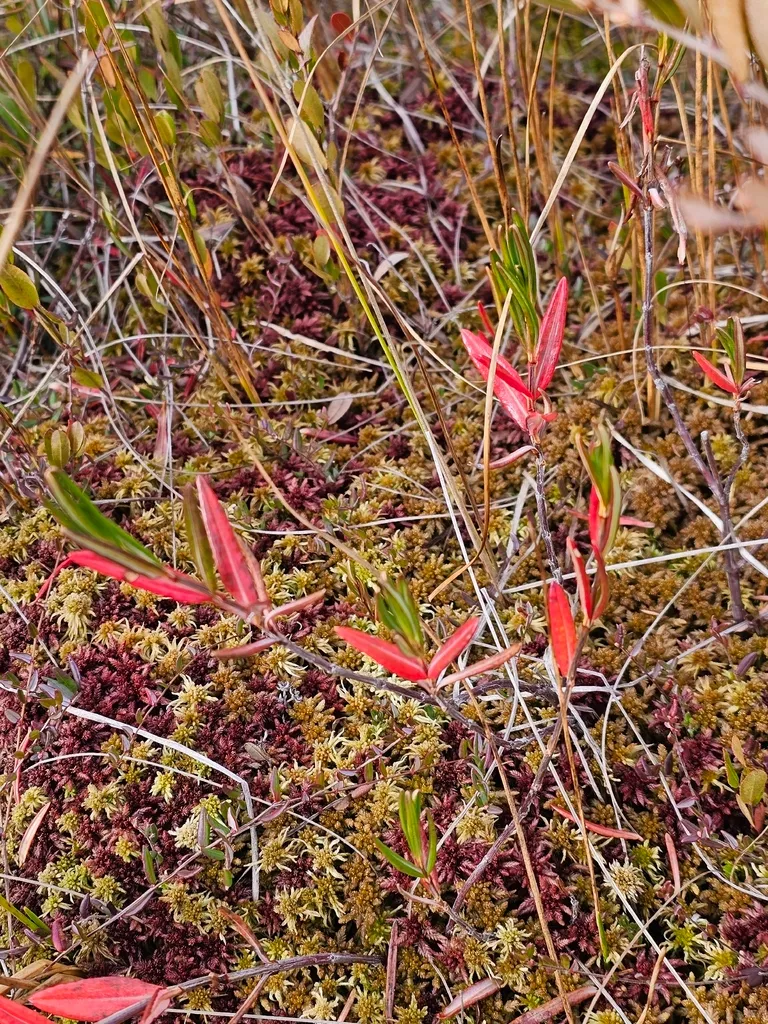
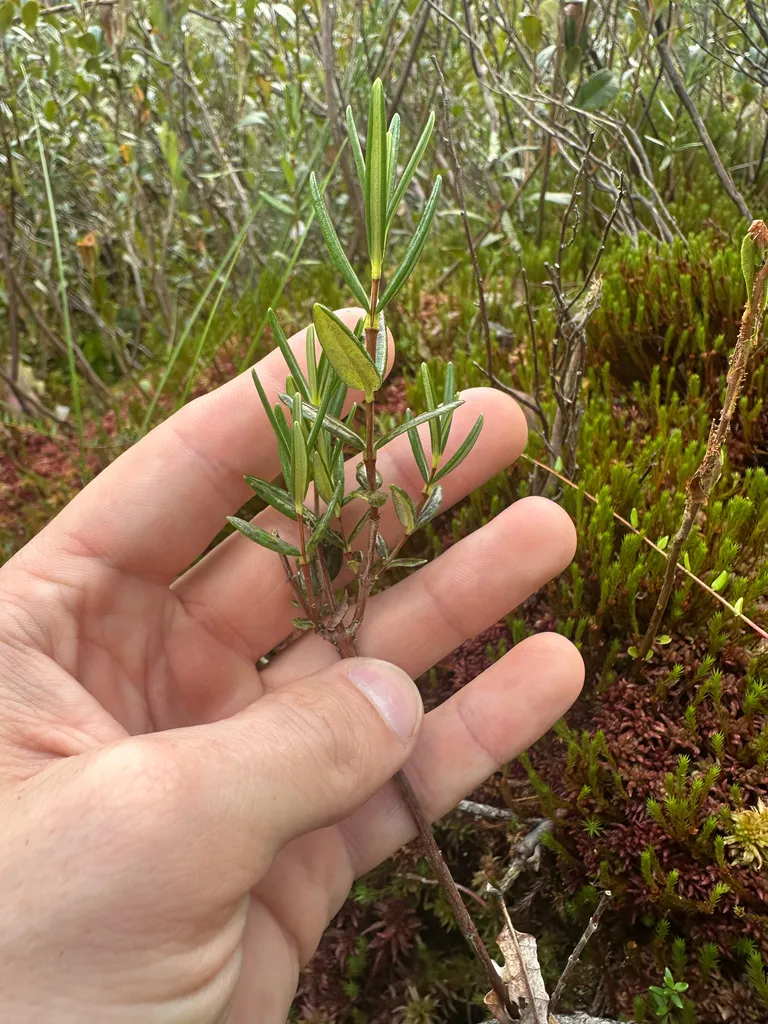
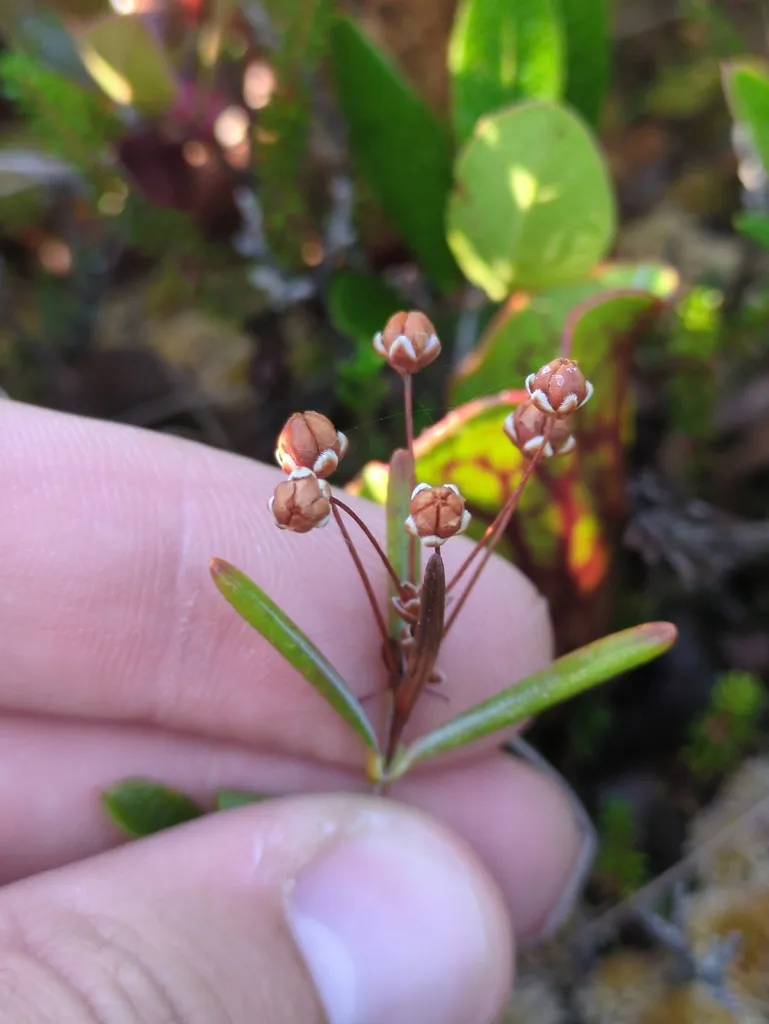
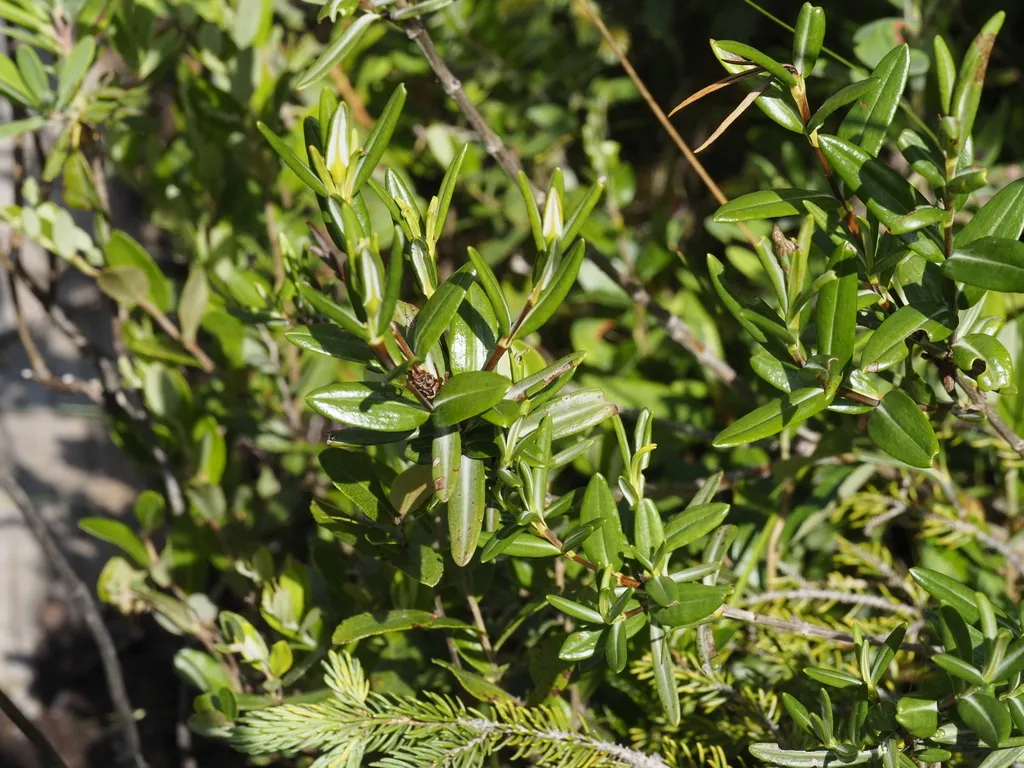
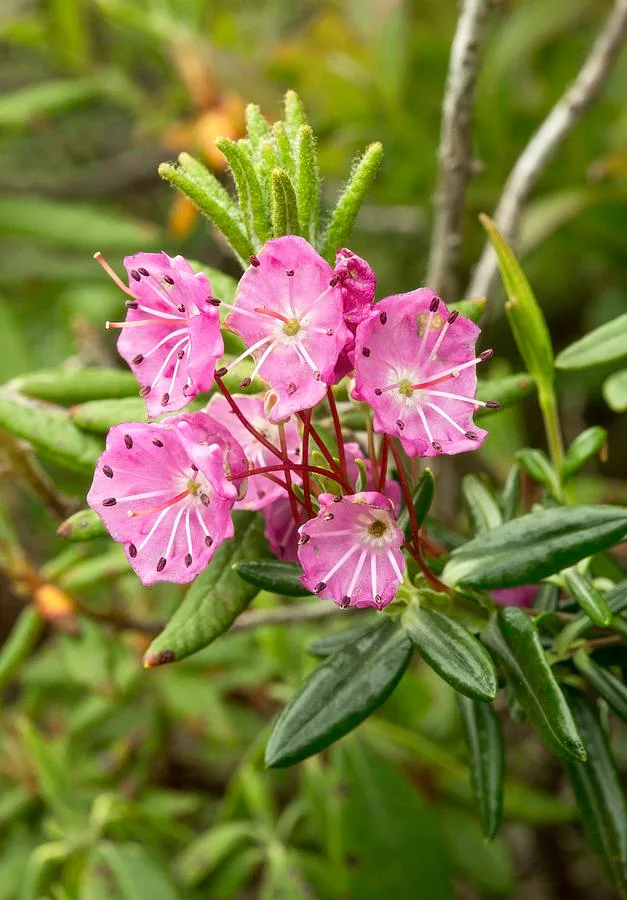
A small, evergreen shrub growing to a height of 60cm, with sparse branches and thin, glossy, gark green leaves. In mid and late spring, purple-pink saucer shaped flowers are borne
Scientific classification
- Species
- bog kalmia (Kalmia polifolia)
- Genus
- Kalmia
- Family
- Ericaceae
- Order
- Ericales
- Class
- Magnoliopsida
- Phylum
- Magnoliophyta
- Harmful if eaten. Wear gloves and other protective equipment when handling
- Toxicity
- Shrubs
- Plant type
- 0.5-1 metres
- Height
- 0.5-1 metres
- Spread
- Evergreen
- Foliage
- Clump forming
- Habit
- Spring · Summer · Autumn · Winter
- Season of interest
- Full sun · Partial shade
- Sunlight
- Information to be completed
- Ideal temperature









bog kalmia pictures
Distribution of bog kalmia
Distribution map
- Native
- Introduced
- Cultivated
Source:WCVP v16 · Royal Botanic Gardens, Kew · CC BY 3.0 · Boundaries:WGSRPD / TDWG
Toxicity
Harmful if eaten. Wear gloves and other protective equipment when handling
bog kalmia care guide
- Consistently damp acidic soil, never let root zone completely dry
- Watering
- Full sun · Partial shade
- Sunlight

Watering
Consistently damp acidic soil, never let root zone completely dry
Fertilizing
 Fertilizing
Acid-loving shrub fertilizer once per month spring through summer
Pruning
 Pruning
Usually little pruning is needed. Lightly shape if necessary, removing dead, damaged or diseased shoots. Prune after flowering.
Propagation
 Propagation
Propagate by greenwood cuttings in summer, hardwood cuttings in midwinter, by seed in winter to early spring or by layering in spring
Growing
 Growing
Grow in moist, acidic soil enriched with acidic organic matter such as leaf mould, in part shade. Sun is tolerated if the soil is kept moist in summer
Common pests and diseases
Diseases
May be susceptible to honey fungus in gardens where it is present but insufficient data to determine degree of susceptibility
Pests
Generally pest-free
Explore the plant health library →




