
carnation tree
Also known as: Information to be completed
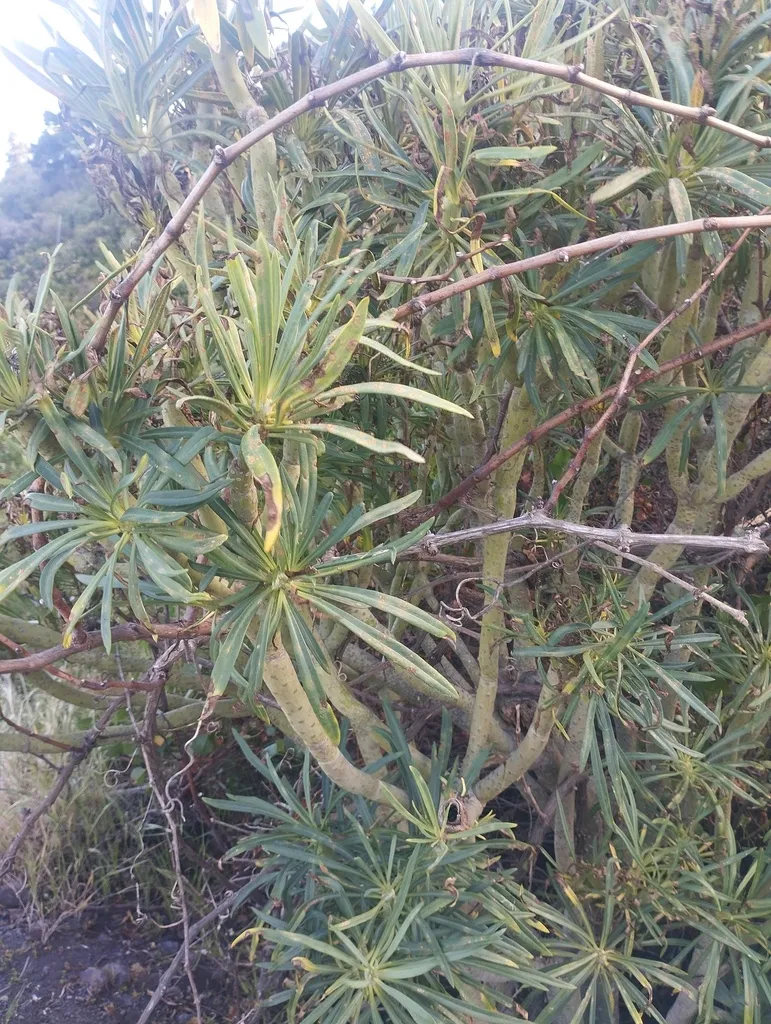
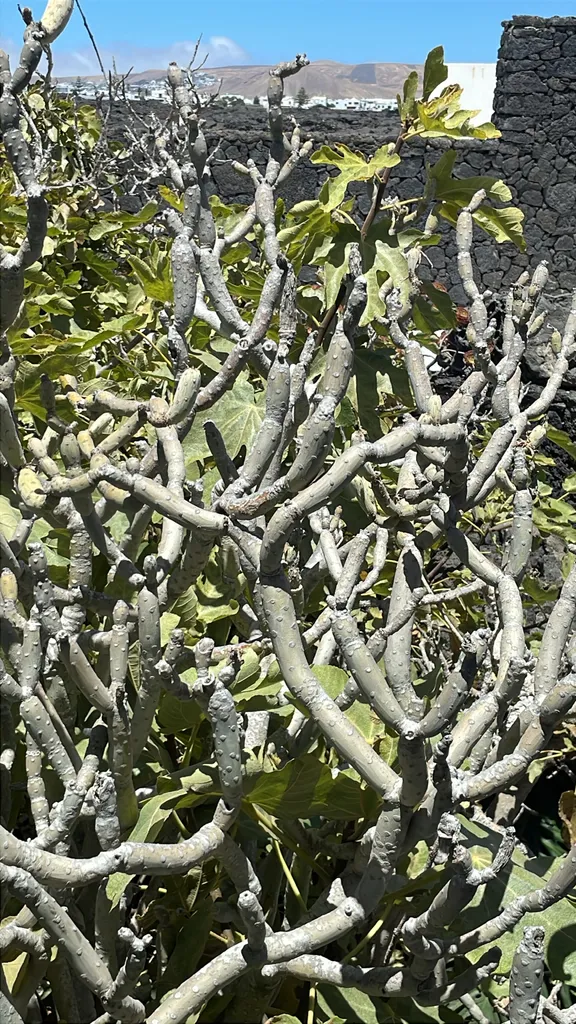
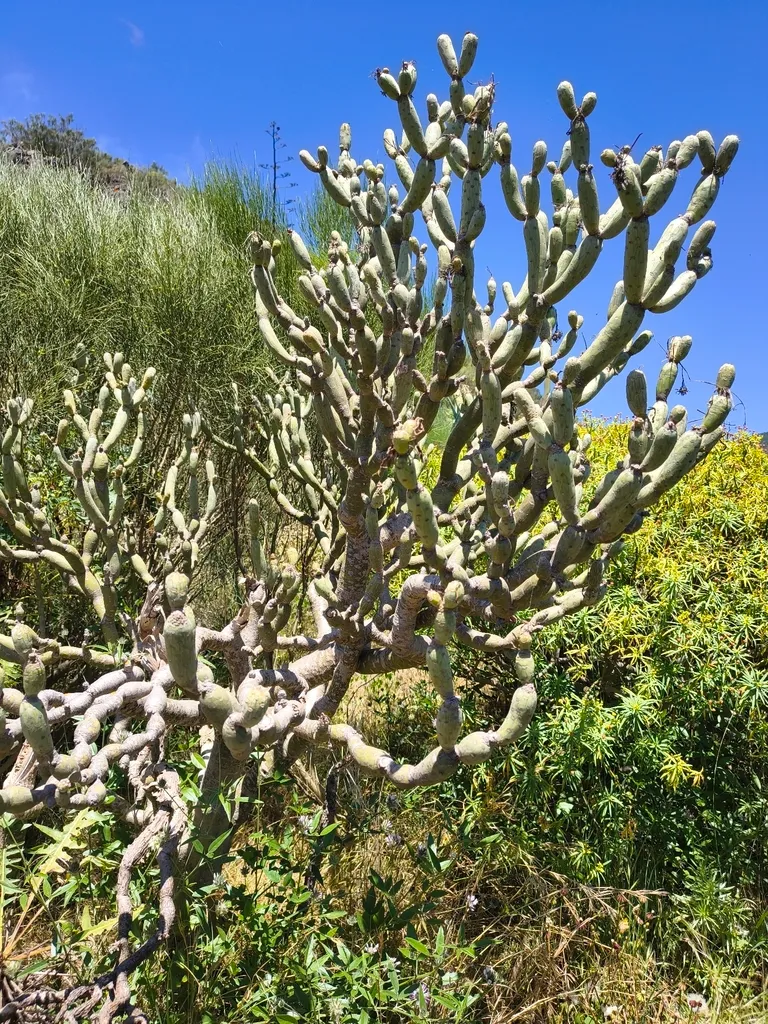
A succulent perennial, that can reach up to 3m in its native habitat, though is usually much smaller in cultivation. Thick, branching, articulated stems are pale greyish green with fine reddish purple lines, and linear to lance-shaped grey-green leaves cluster in spirals at the stem tips. Clusters of small, scented, white or yellow flowers are produced in summer or autumn, followed by fluffy seed heads
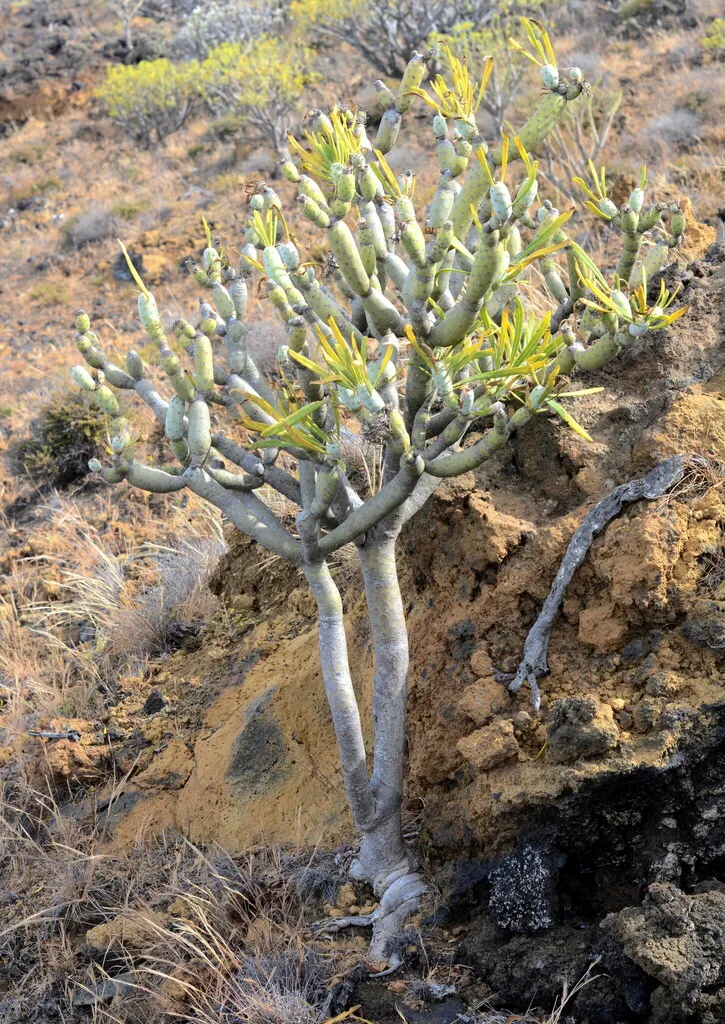
Scientific classification
- Species
- carnation tree (Kleinia neriifolia)
- Genus
- Kleinia
- Family
- Asteraceae
- Information to be completed
- Toxicity
- Cactus Succulent · Conservatory Greenhouse · Houseplants
- Plant type
- 0.5-1 metres
- Height
- 0.5-1 metres
- Spread
- Deciduous
- Foliage
- Columnar upright
- Habit
- Spring · Summer · Autumn · Winter
- Season of interest
- Full sun
- Sunlight
- Information to be completed
- Ideal temperature









carnation tree pictures
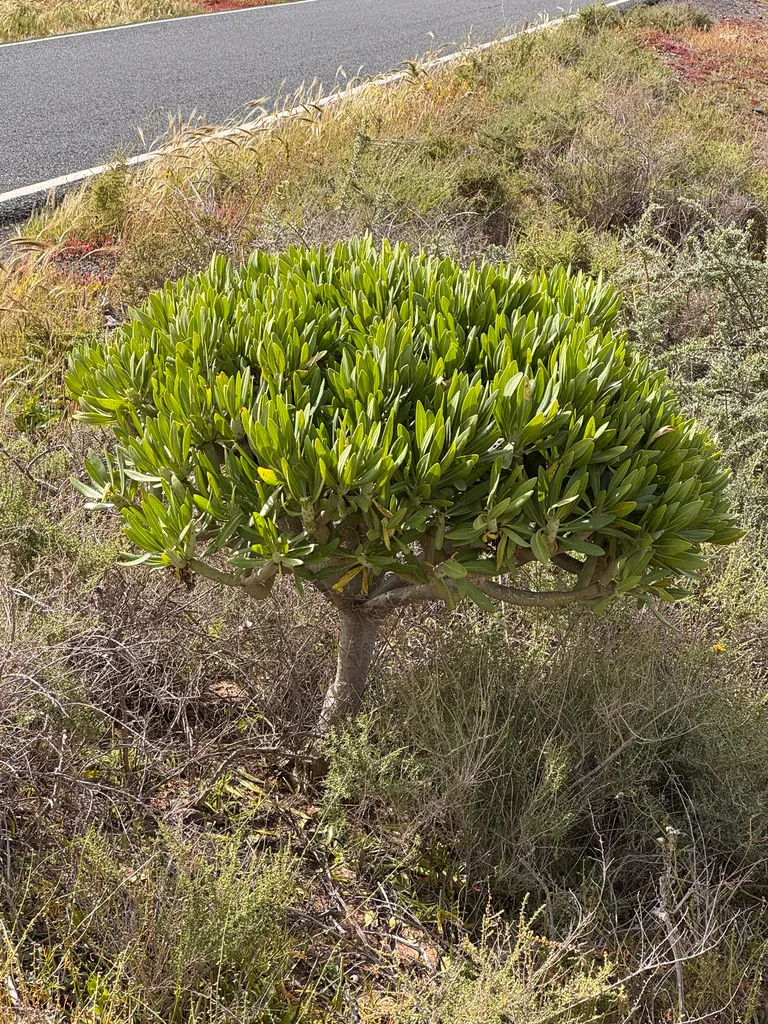
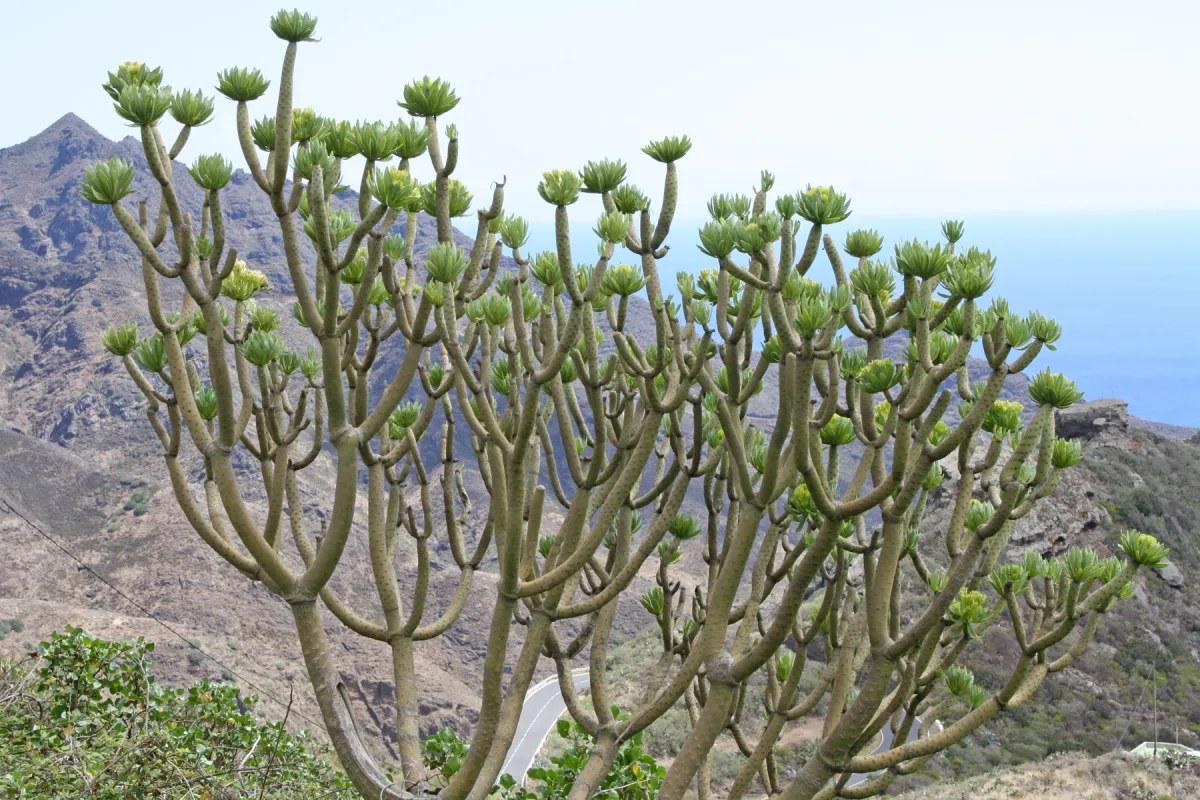
Distribution of carnation tree
Distribution map
Canary Is
Information to be completed
Culture
Information to be completed
Toxicity
Information to be completed
Quick identification of carnation tree
Information to be completed
carnation tree care guide
- Deep soak substrate then full drying before next kleinia watering cycle
- Watering
- Full sun
- Sunlight
- Information to be completed
- Ideal temperature

Watering
Deep soak substrate then full drying before next kleinia watering cycle
Fertilizing
 Fertilizing
Ultra-diluted low-nitrogen succulent feed monthly warm summer only
Pruning
 Pruning
No pruning required
Propagation
 Propagation
Propagate by seed, sown at 13 - 18°C as soon as ripe, or by cuttings
Growing
 Growing
Grow in a free-draining, loam-based compost with extra grit, in full light and with good ventilation. Water moderately when in growth. Containers may be placed outdoors in summer but plants will not tolerate frost. Plants may lose leaves in summer, this is an adaptation to limit water loss in the dry season. See houseplant cacti and succulent cultivation
People also ask
Information to be completed
Common pests and diseases
Diseases
Generally disease-free
Pests
Generally pest-free
Explore the plant health library →




