
New Zealand honeysuckle
Also known as: New Zealand oak; rewa-rewa
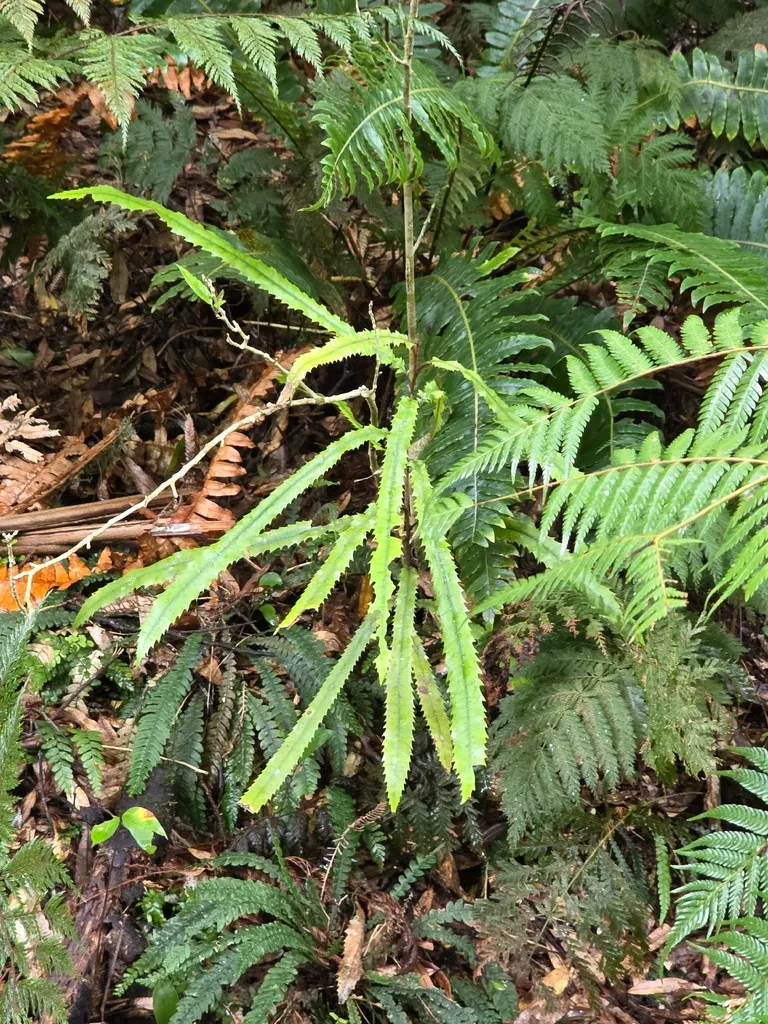
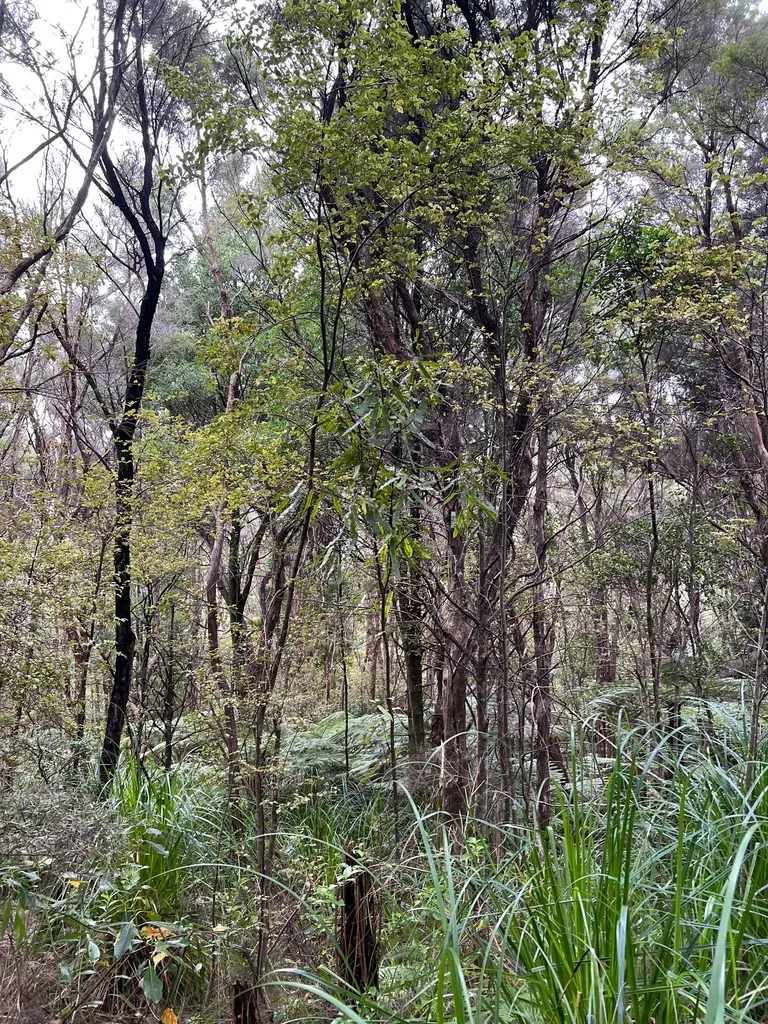
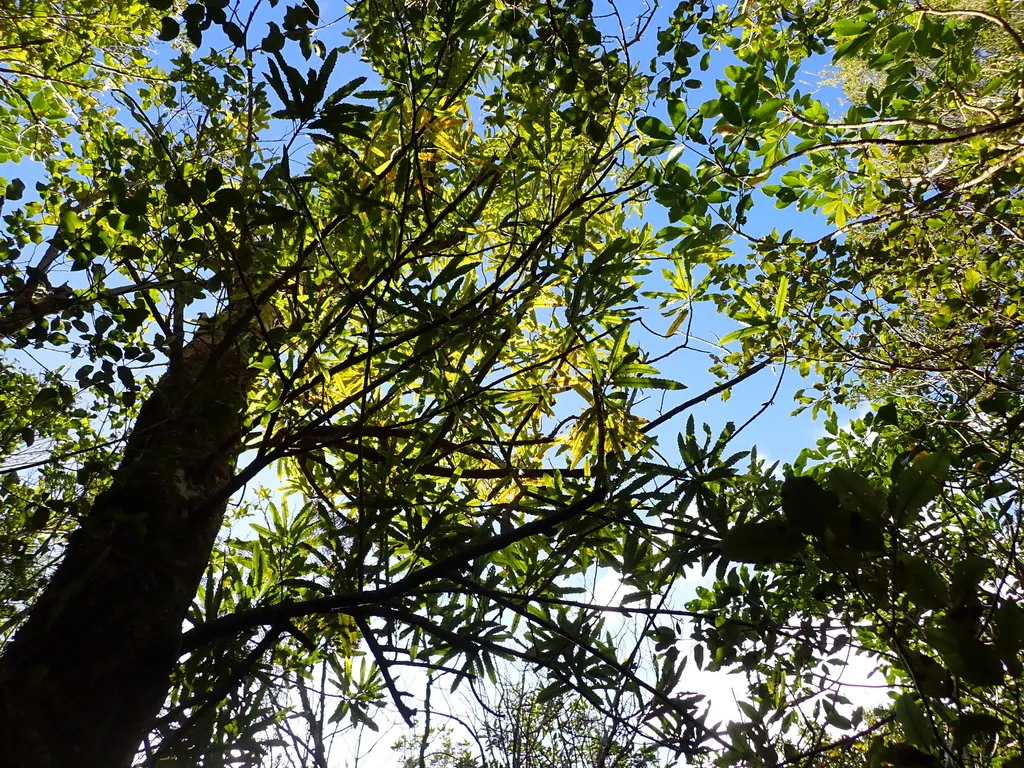
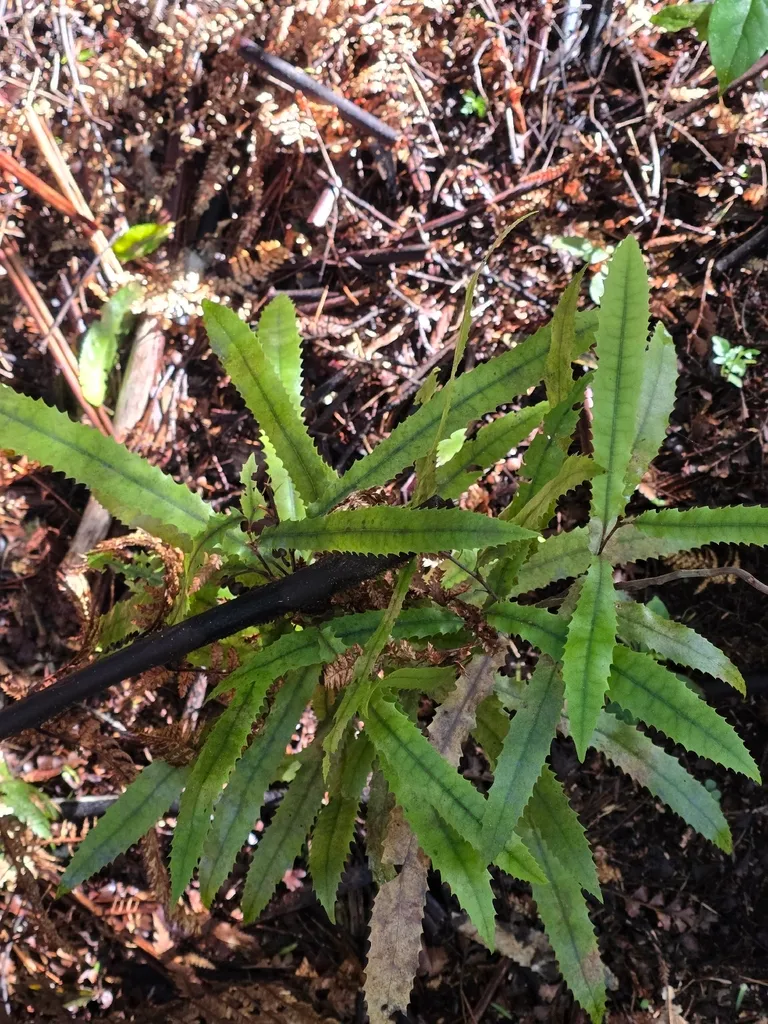
An evergreen tree with a narrowly conical habit, up to 30m high in its native environment but usually only 8-10m in cultivation. Young shoots are covered with red-brown felt, and young leaves are narrow and yellow-green, with coarsely serrated edges. Mature leaves are dark green, stiff and oblong-shaped. Dense spikes of small reddish flowers, with rolled petals and long styles, are produced from late spring to early summer, followed by woody brown seed pods
Scientific classification
- Species
- New Zealand honeysuckle (Knightia excelsa)
- Genus
- Knightia
- Family
- Proteaceae
- Information to be completed
- Toxicity
- Trees
- Plant type
- 8-12 metres
- Height
- wider than 8 metres
- Spread
- Evergreen
- Foliage
- Columnar upright
- Habit
- Autumn · Winter · Spring · Summer
- Season of interest
- Full sun · Partial shade
- Sunlight
- Information to be completed
- Ideal temperature









New Zealand honeysuckle pictures
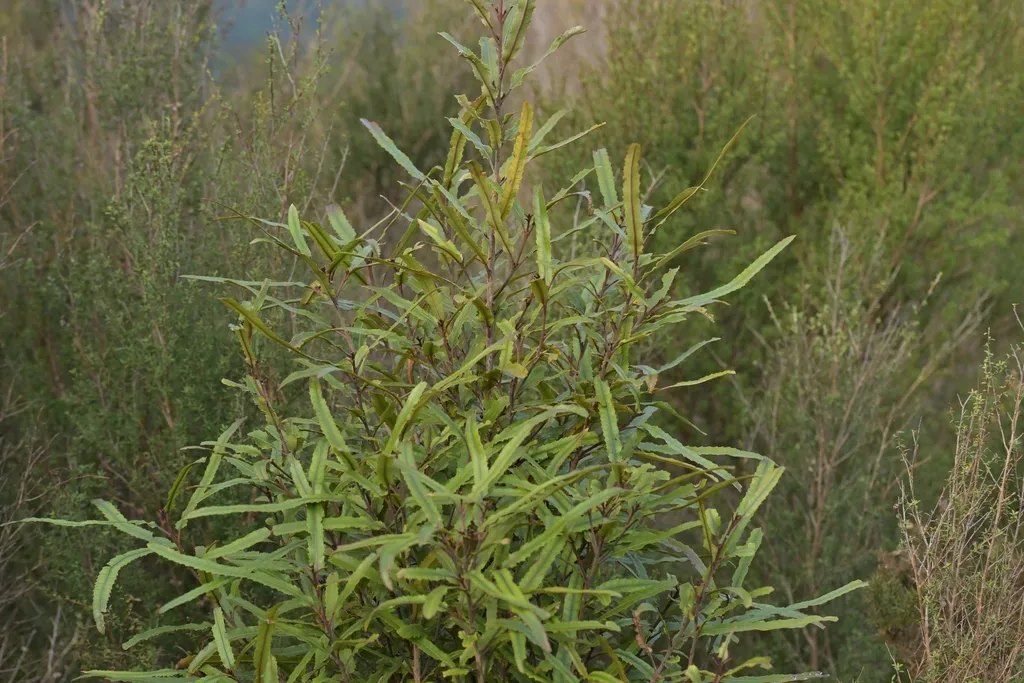
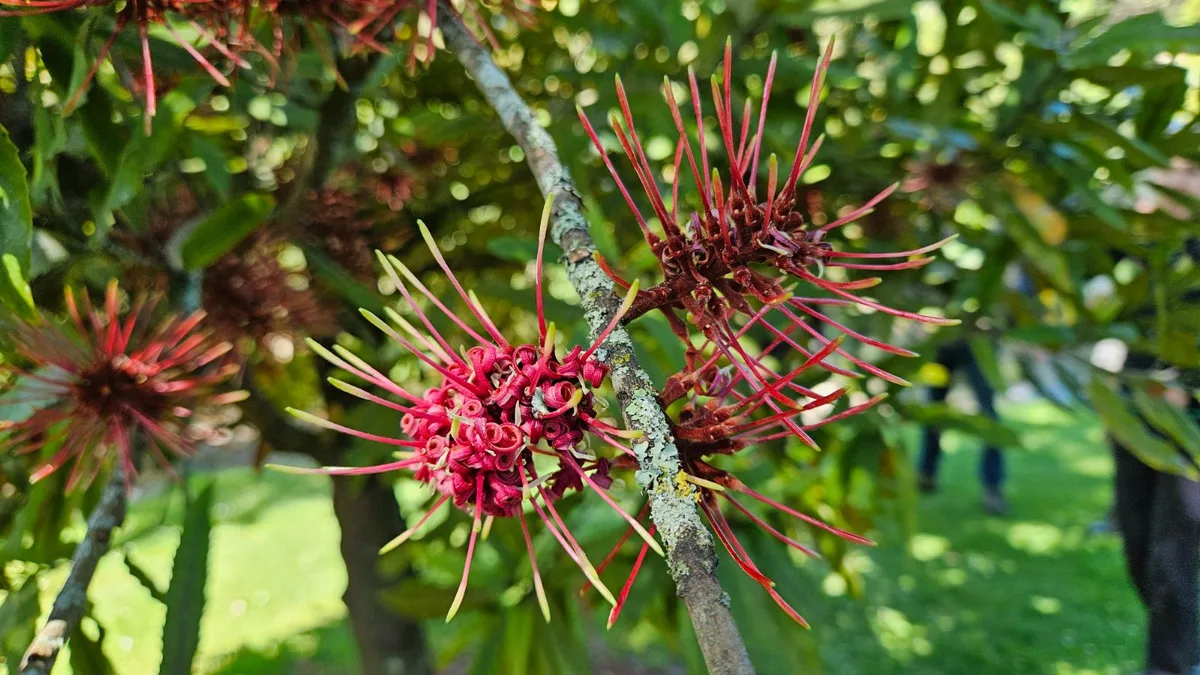
Distribution of New Zealand honeysuckle
Distribution map
Information to be completed
Information to be completed
Culture
Information to be completed
Toxicity
Information to be completed
Quick identification of New Zealand honeysuckle
Information to be completed
New Zealand honeysuckle care guide
- Moderate regular watering, avoid prolonged drought and stagnant waterlogging
- Watering
- Full sun · Partial shade
- Sunlight
- Information to be completed
- Ideal temperature

Watering
Moderate regular watering, avoid prolonged drought and stagnant waterlogging
Fertilizing
 Fertilizing
Balanced perennial feed every four weeks spring through summer growth
Pruning
 Pruning
Little pruning is needed. Remove diseased, damaged, crowded or crossing shoots and unwanted growth. Timing depends on the plant: generally late winter or early spring; plants prone to bleeding and deciduous magnolias need different timing, and deciduous azaleas and lilacs are pruned after flowering.
Propagation
 Propagation
Propagate by seed or by semi-ripe cuttings in summer; cuttings require bottom heat and may be slow to root
Growing
 Growing
Grow in fertile, well-drained, neutral to acid soil in full sun or light shade with shelter from cold winds. Some drought tolerance once established; will not tolerate waterlogging. Needs frost protection when young. A striking specimen tree for warmer regions
People also ask
Information to be completed
Common pests and diseases
Diseases
Generally disease-free
Pests
May be susceptible to thrips
Explore the plant health library →




