
flowering almond
Also known as: Information to be completed
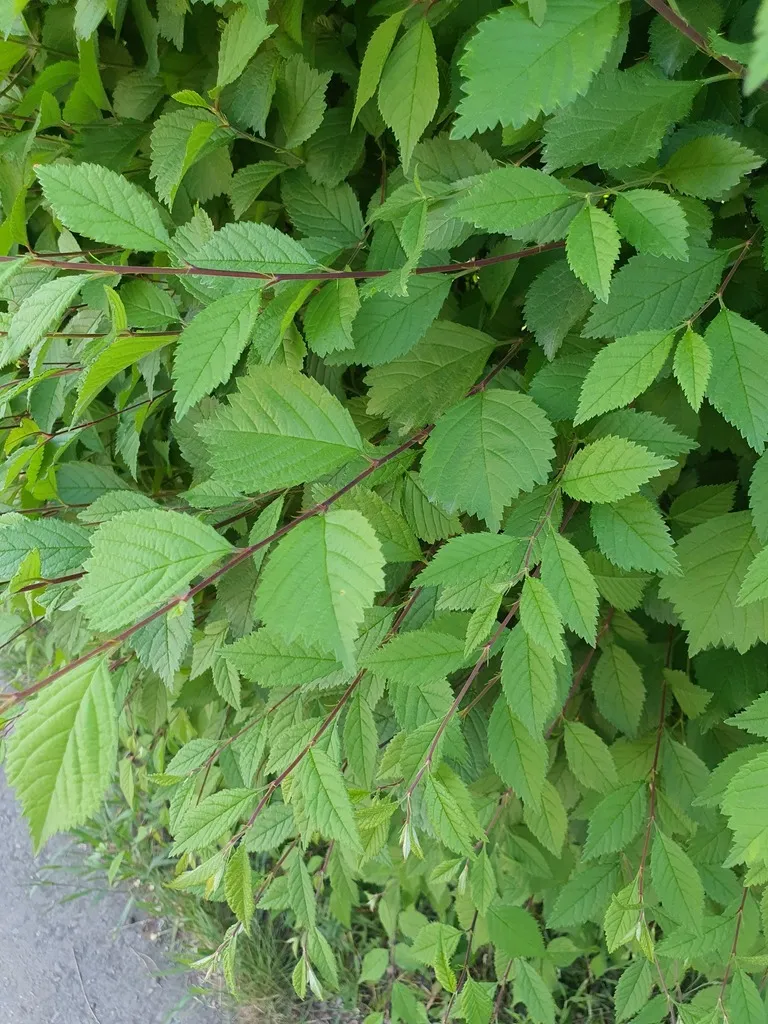
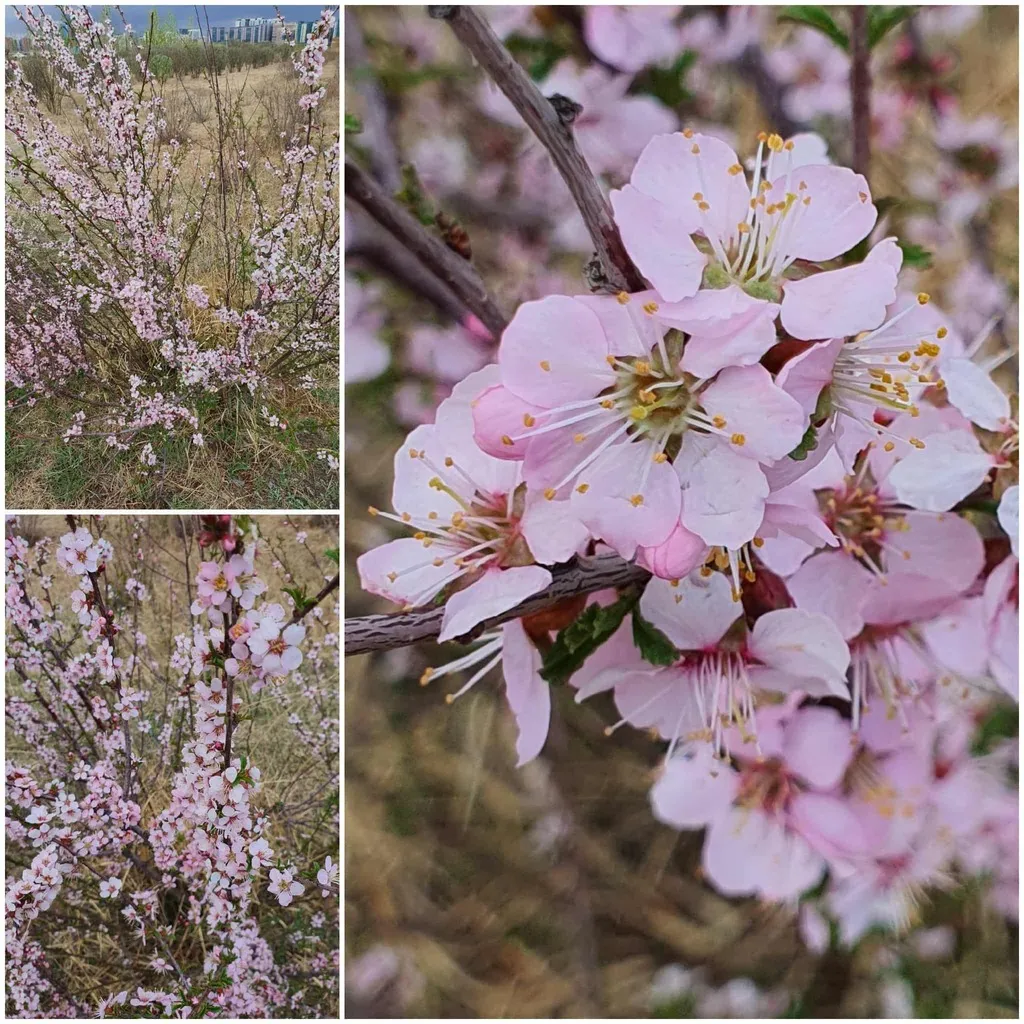
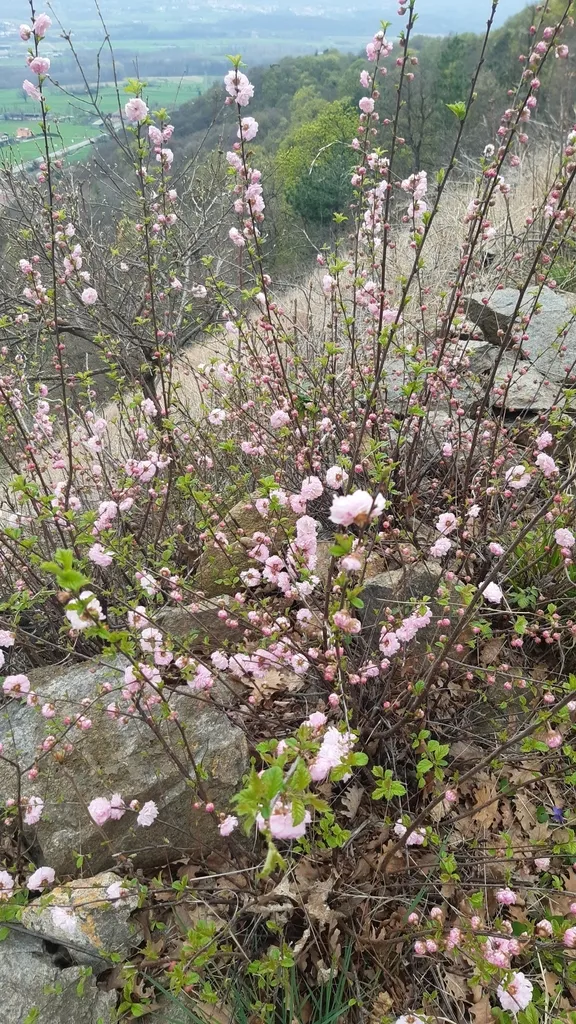
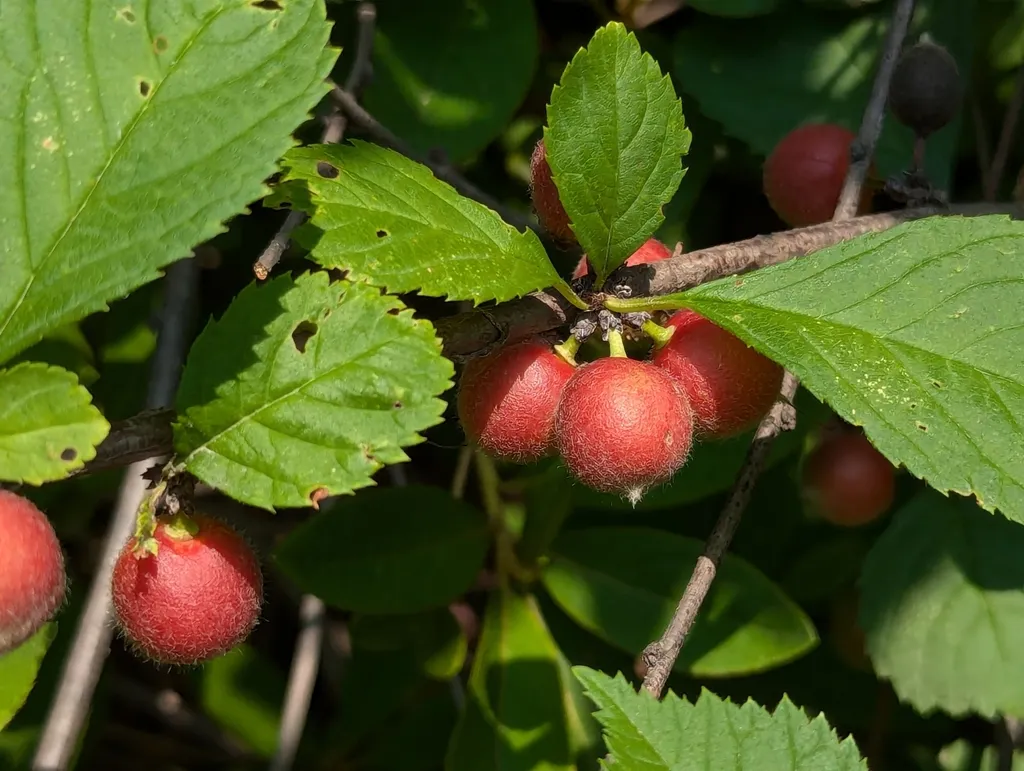
A densely branched deciduous shrub or small tree with dark green, often three-lobed, leaves. Bowl-shaped pink flowers 3cm across appear on bare branches from early to mid-spring, followed by small, spherical, red fruit
Scientific classification
- Species
- flowering almond (Prunus triloba)
- Genus
- Prunus
- Family
- Rosaceae
- Information to be completed
- Toxicity
- Trees · Shrubs
- Plant type
- 2.5-4 metres
- Height
- 2.5-4 metres
- Spread
- Deciduous
- Foliage
- Bushy
- Habit
- Spring · Summer · Autumn
- Season of interest
- Full sun · Partial shade
- Sunlight
- Information to be completed
- Ideal temperature









flowering almond pictures
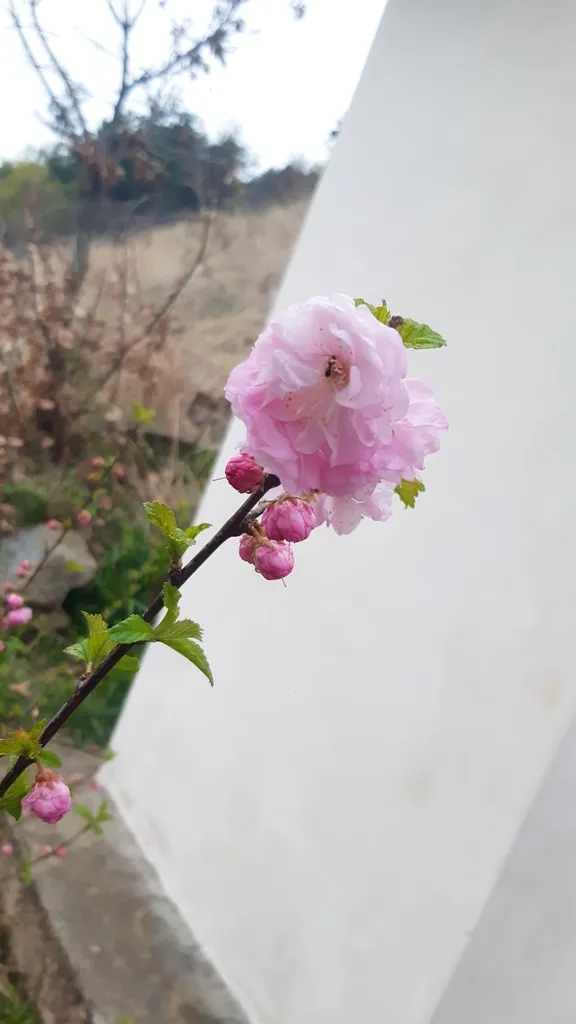
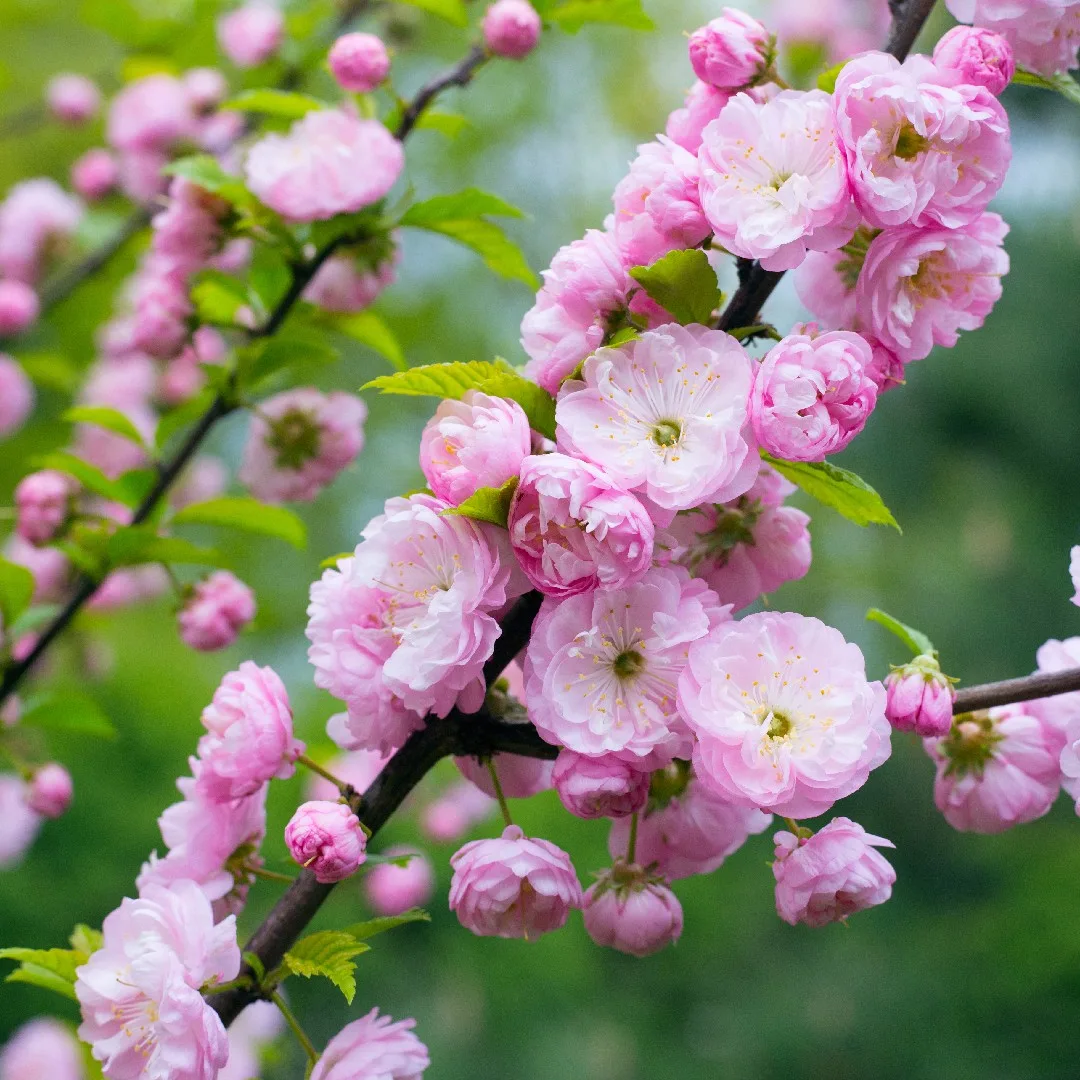
Distribution of flowering almond
Distribution map
- Native
- Introduced
- Cultivated
Source:WCVP v16 · Royal Botanic Gardens, Kew · CC BY 3.0 · Boundaries:WGSRPD / TDWG
Culture
Information to be completed
Toxicity
Information to be completed
Quick identification of flowering almond
Information to be completed
flowering almond care guide
- Deep watering during dry spells, allowing slight surface drying between soakings
- Watering
- Full sun · Partial shade
- Sunlight
- Information to be completed
- Ideal temperature

Watering
Deep watering during dry spells, allowing slight surface drying between soakings
Fertilizing
 Fertilizing
Balanced shrub or tree feed once each early spring
Pruning
 Pruning
On established shrubs suited to this method, cut stems back close to the base. Prune immediately after flowering.
Propagation
 Propagation
Propagate by seed sown in containers outdoors in autumn; or by softwood cuttings, with bottom heat, in early summer
Growing
 Growing
Grow in any moist but well-drained, moderately fertile soil preferably in full sun
People also ask
Information to be completed
Common pests and diseases
Diseases
May be susceptible to bacterial canker, blossom wilt, brown rot, honey fungus and silver leaf. High Risk Host for Xylella fastidiosa
Pests
May be susceptible to aphids and caterpillars
Explore the plant health library →




