
coral aloe
Also known as: Information to be completed
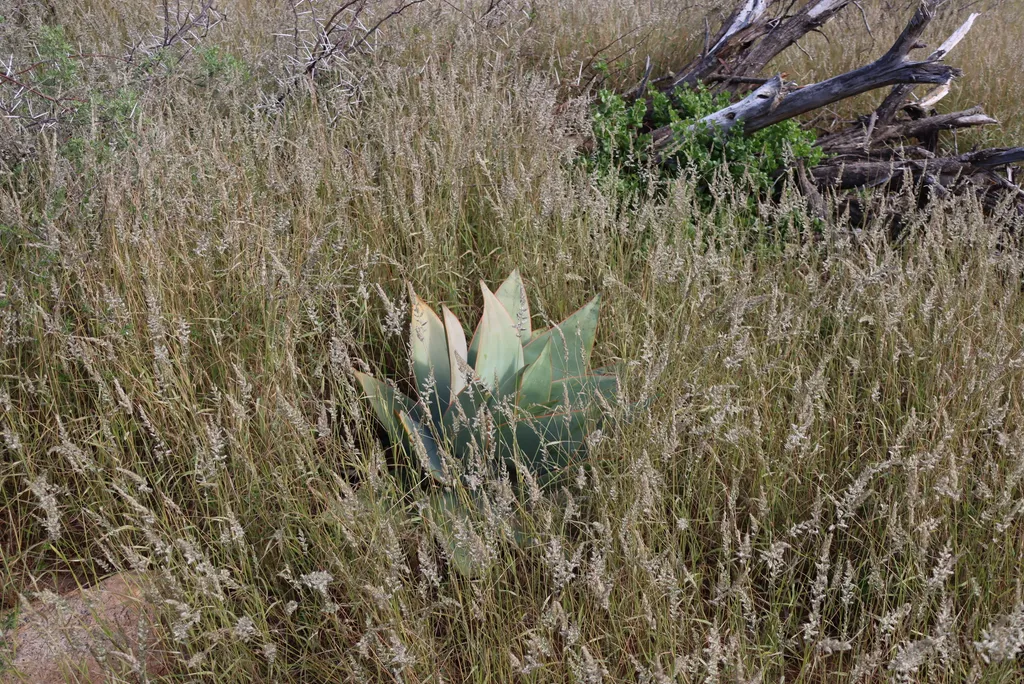
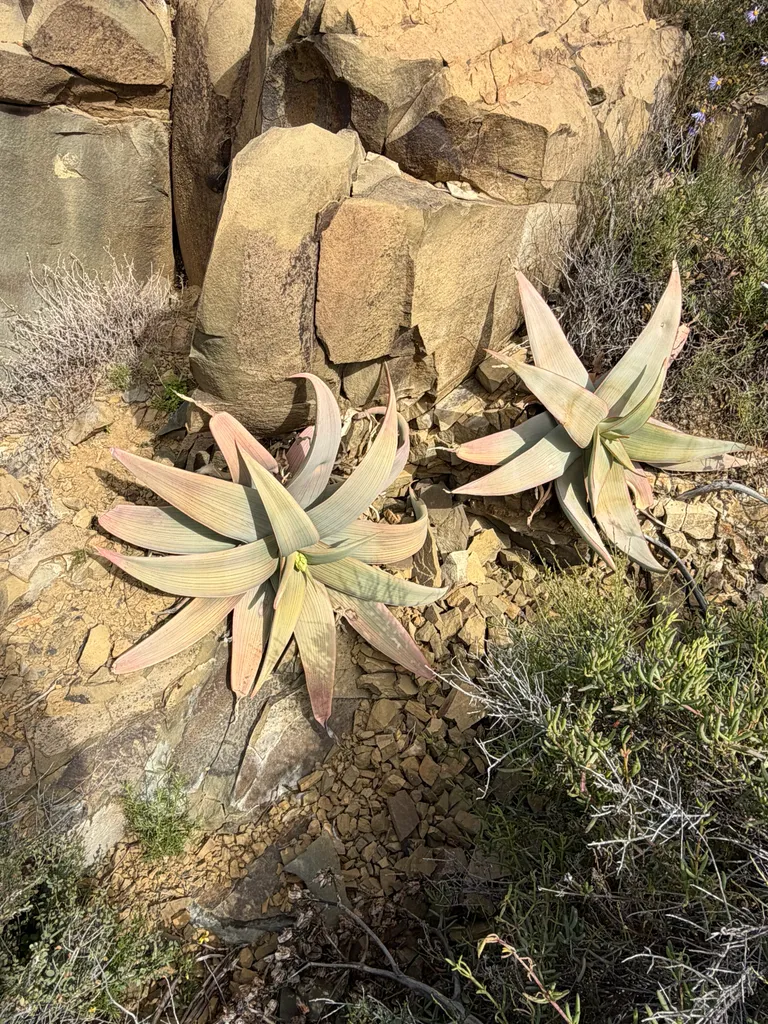
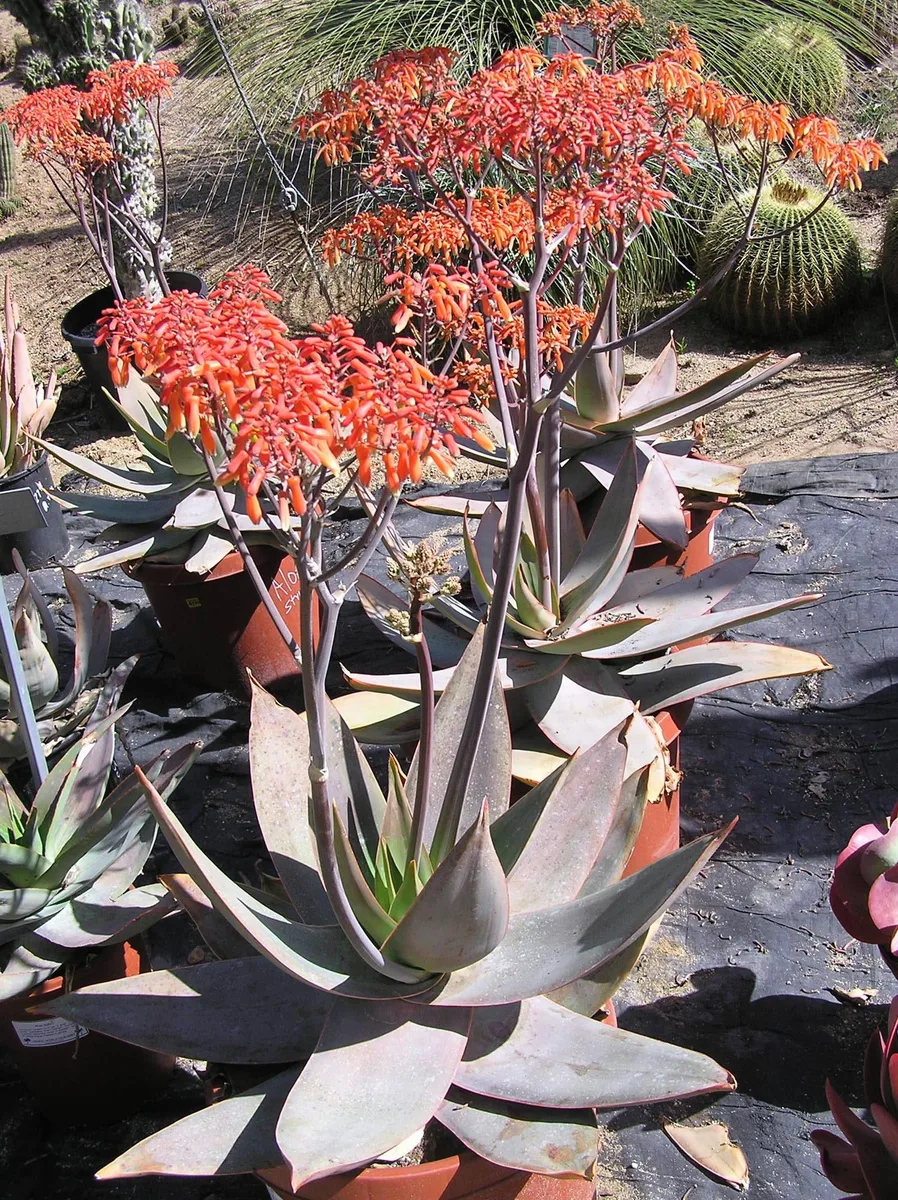
Astemless, basal-rosette evergreen succulent to 1m tall and wide. The broad, blue-green leaves are marked longitudinally to a greater or lesser degree with narrow, dark lines; the smooth, pink margins may become a pinkish-red when exposed to full sun. Panicles of coral red flowers are borne in spring
Scientific classification
- Species
- coral aloe (Aloe striata)
- Genus
- Aloe
- Family
- Asphodelaceae
- Harmful if eaten. Wear gloves and other protective equipment when handling
- Toxicity
- Houseplants · Cactus Succulent · Conservatory Greenhouse
- Plant type
- 0.5-1 metres
- Height
- 0.5-1 metres
- Spread
- Evergreen
- Foliage
- Bushy
- Habit
- Spring · Summer · Autumn · Winter
- Season of interest
- Full sun
- Sunlight
- Information to be completed
- Ideal temperature









coral aloe pictures
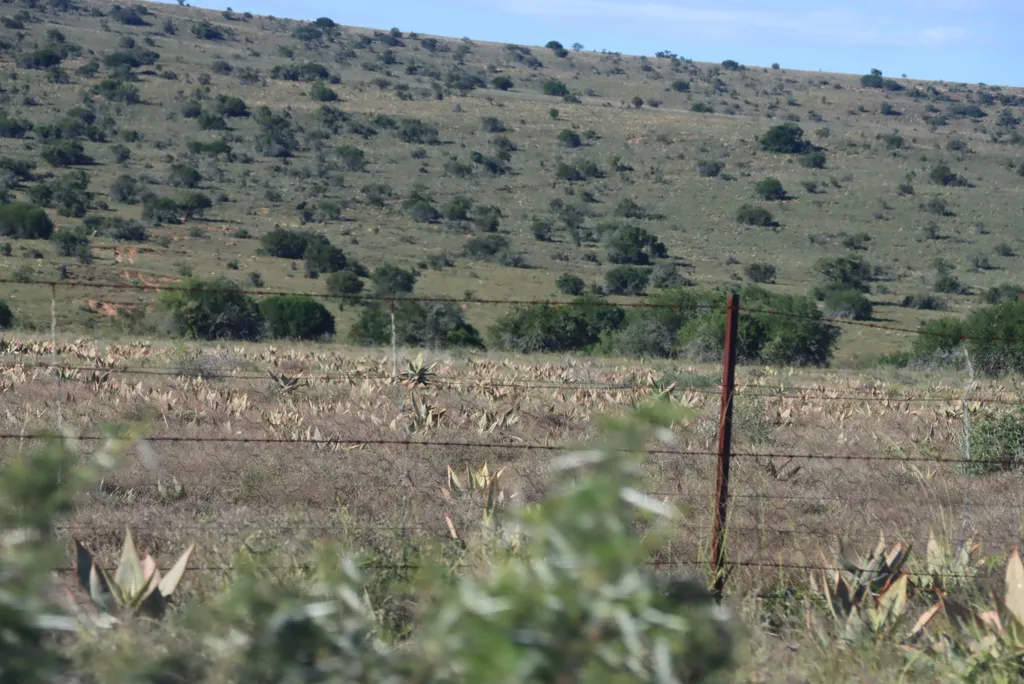
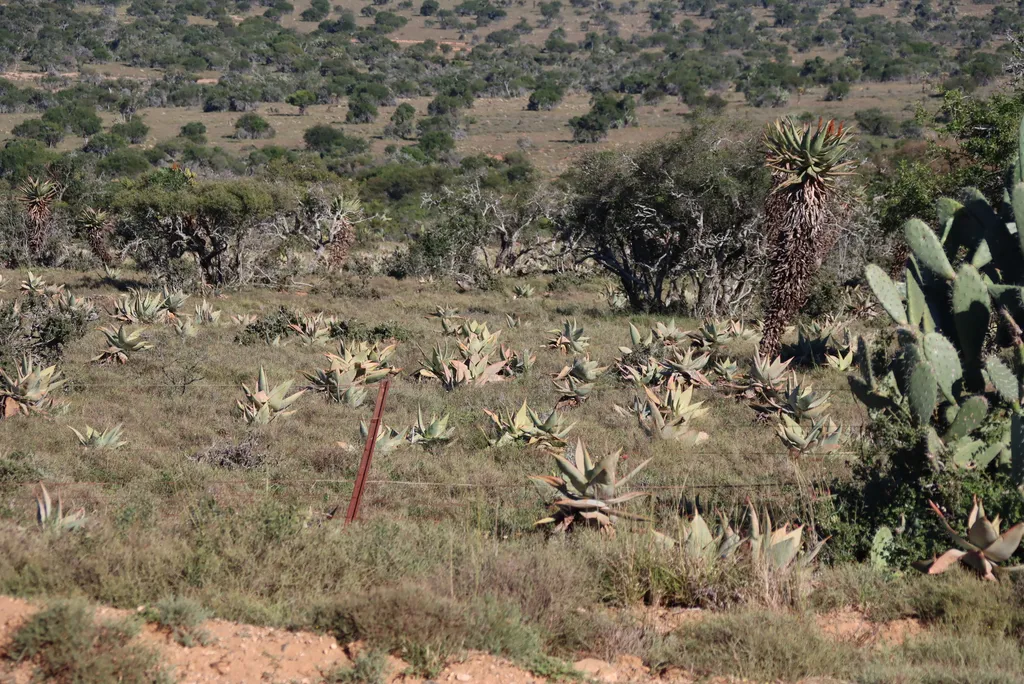
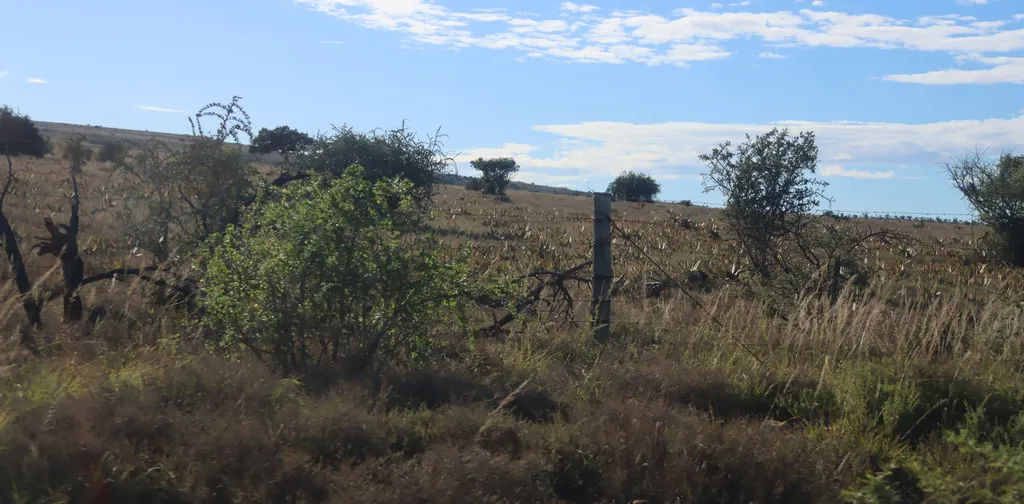
Distribution of coral aloe
Distribution map
South Africa (Cape)
Information to be completed
Culture
Information to be completed
Toxicity
Harmful if eaten. Wear gloves and other protective equipment when handling
Quick identification of coral aloe
Information to be completed
coral aloe care guide
- Moderate regular watering, avoid prolonged drought or waterlogging
- Watering
- Full sun
- Sunlight
- Information to be completed
- Ideal temperature

Watering
Moderate regular watering, avoid prolonged drought or waterlogging
Fertilizing
 Fertilizing
Balanced feed in spring and light repeat in growth season
Pruning
 Pruning
No pruning required
Propagation
 Propagation
Propagate by seed sown with heat as soon as ripe or from offsets in late spring or early summer
Growing
 Growing
Grows best under glass in a loam-based potting compost with added extra grit. Water moderately when in growth; very sparingly when dormant. Apply a balanced liquid fertiliser 2 or 3 times in the growing season
People also ask
Information to be completed
Common pests and diseases
Diseases
Generally disease-free
Pests
May be susceptible to scale insects and mealybugs
Explore the plant health library →




